banner (1)

Custom Sealing Screws and Self-Sealing Screws for Factories

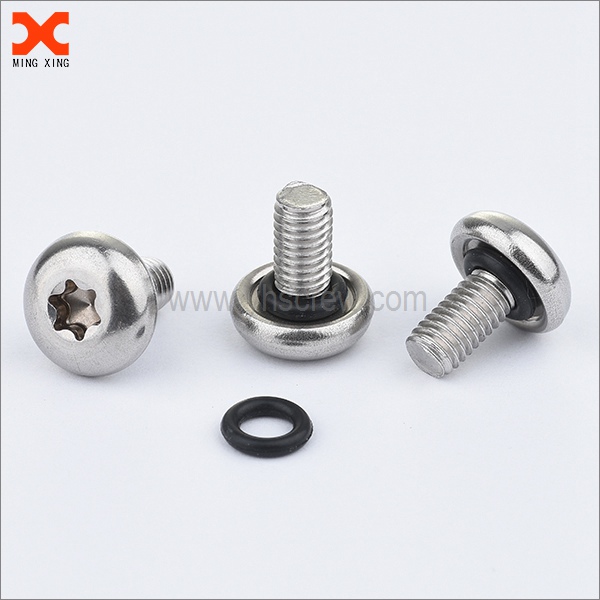
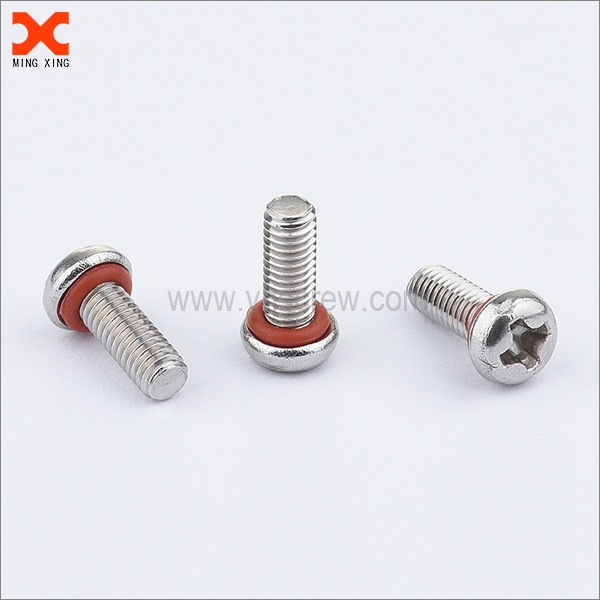
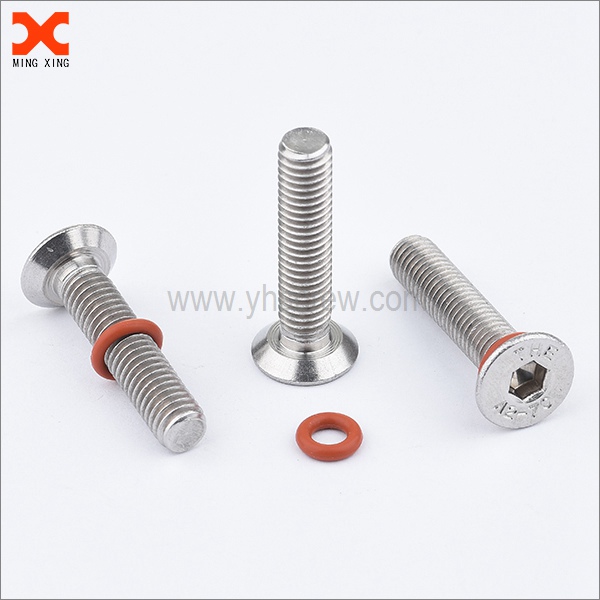
On the factory floor, I know what buyers need: reliable fasteners that seal and resist vibration. Our sealing screwsoring self sealing screws are designed for high-performance joints across automotive, HVAC, and construction projects. I offer them in stainless steel and coated variants, with pre-applied sealants that eliminate extra steps and reduce leak risks. For Custom requirements, I customize lengths, head styles, and threads to fit your machinery, while maintaining seal integrity. I ship to Factories in bulk with consistent lead times and quality control documented by third-party testing. The design minimizes torque loss, resists over-tightening, and ensures corrosion resistance in harsh environments. I can provide sample packs, technical datasheets, and change-control records to speed up your procurement. Whether you need routine replenishment or a strategic sourcing partner, my sealing screwsoring self sealing screws deliver dependable sealing performance and cost efficiency for your production line.

Hot Selling Product

sealing screwsoring self sealing screws Trusted by Pros Sets the Industry Standard

Sealing screws and self-sealing screws prevent leakage and ingress in critical assemblies, from electrical enclosures to outdoor housings. Trusted by pros, these fasteners set the industry standard with built-in seals—gaskets integrated into the bore or sealant-coated threads—paired with corrosion-resistant materials such as stainless steel. The result is reliable sealing and vibration resistance across climates, even through thermal cycling. Available in multiple head styles, sizes, and threads, they simplify installation while protecting sensitive interiors. For global buyers, key considerations include material compatibility with the sealing medium, seal integrity under temperature and chemical exposure, and compliance with international norms. Seek vendors offering rigorous quality control, traceable lot numbers, and certifications. Ask about customization options, packaging, and scalable supply to support large projects. With dependable sourcing and proven field performance, sealing and self-sealing screws help reduce assembly risk, minimize maintenance, and meet stringent industry standards worldwide.

{ sealing screwsoring self sealing screws Trusted by Pros Sets the Industry Standard}
Part No Material Diameter (mm) Length (mm) Head Type Drive Type Thread Pitch (mm) Seal Type Coating Hardness (HRC) Torque Rating (Nm) Application Standards
S-101A A2 Stainless (AISI 304) 5.0 25 Pan Head Phillips 0.8 Rubber Washer Zinc Plated 52 2.0-2.8 Enclosures and panels ISO 3506-1; DIN 7985
S-102B A4 Stainless (AISI 316) 4.5 16 Pan Head Hex 0.8 PTFE Ring None 50 1.5-2.3 Outdoor equipment ISO 3506-1; DIN 6914
S-103C Carbon Steel 6.3 30 Hex Button Allen 1.0 Silicone O-ring Zinc Plated 38 3.0-4.2 Roofing DIN 7504; ISO 898-1
S-104D A2 Stainless 5.0 18 Flat Head Torx 0.8 Gasket Washer Electropolished 56 2.2-3.1 Sheet metal fastening ISO 10643; DIN 7981
S-105E Brass 3.5 12 Hex Washer Hex 0.8 Rubber O-Ring None 25 0.6-1.2 Electrical enclosures ISO 8757; DIN 934
S-106F Aluminum 6061 4.0 20 Truss Phillips 0.8 None Anodized 30 0.8-1.5 Appliance housings ISO 16494; ANSI B18.2
S-107G Stainless Steel 316 7.0 40 Pan Phillips 1.0 Rubber Washer Passivated 45 4.0-5.5 Heavy-duty machinery ISO 3506-1; DIN 603
S-108H Steel (Zinc Plated) 8.0 60 Socket Head Cap Allen 1.25 PTFE Insert Black Oxide 34 6.0-8.0 Automotive trim SAE J429; ISO 10474

Related Products

banner (2)

sealing screwsoring self sealing screws Products Your Trusted OEM Partner

Data Dimension: Leakage Rate by Seal Type Over 12 Months
Type A Type B Type C
Sealing performance is a critical metric for fastening solutions in demanding environments. The chart below examines leakage rate as a percentage across twelve months for three seal-type variants (Type A, Type B, Type C). The data dimension combines time (months) with a quantitative performance indicator to reveal how sealing integrity evolves with use, wear, and potential environmental factors. Type A consistently shows the lowest leakage throughout the year, dropping from 2.1% in January to 0.8% in December, indicating strong material stability and favorable interaction with screw geometry. Type B starts higher at 3.0% and declines to about 1.2% by year-end, suggesting meaningful improvement but a slower relaxation of initial sealing challenges. Type C begins at 4.0% and ends near 1.5%, illustrating the greatest initial risk but also the most pronounced improvement, likely reflecting effective but gradual enhancements in coating or interface behavior. These trends support data-driven decisions in material selection, coating optimization, and quality control. They also offer insight into the potential cost-performance trade-offs: Type A may deliver superior reliability with modest cost, Type B offers moderate improvement with balanced costs, and Type C might require higher upfront process control but can achieve substantial long-term gains. For an OEM partner, visualizing such data helps align product design with real-world operating conditions and informs lifecycle testing plans. Extending the analysis to include temperature, pressure, or fluid type would further sharpen sealing strategies and reduce field failures, ultimately enhancing customer satisfaction and brand trust.

Top Selling Products