

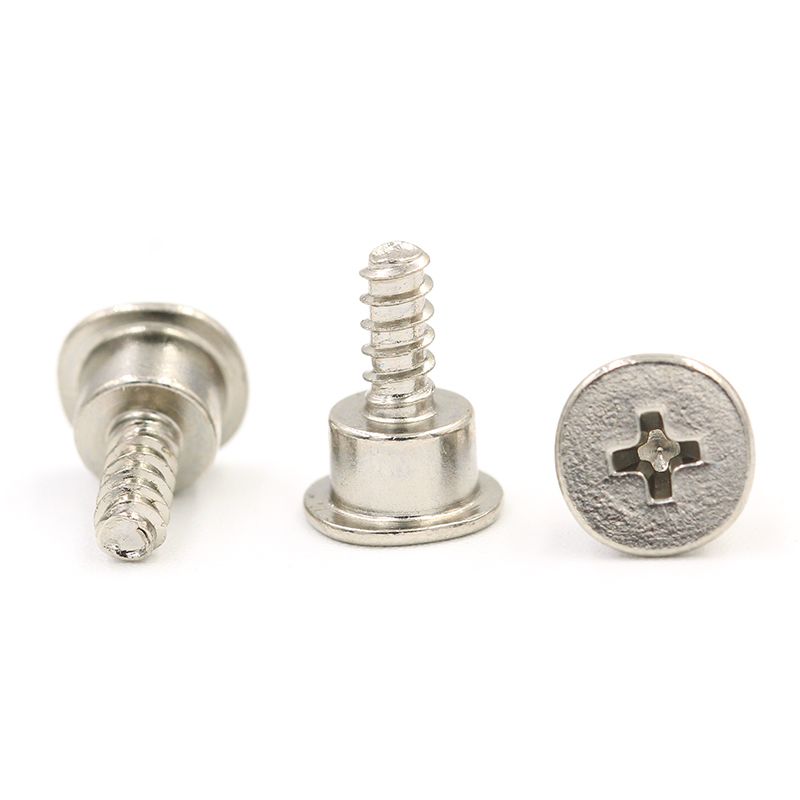
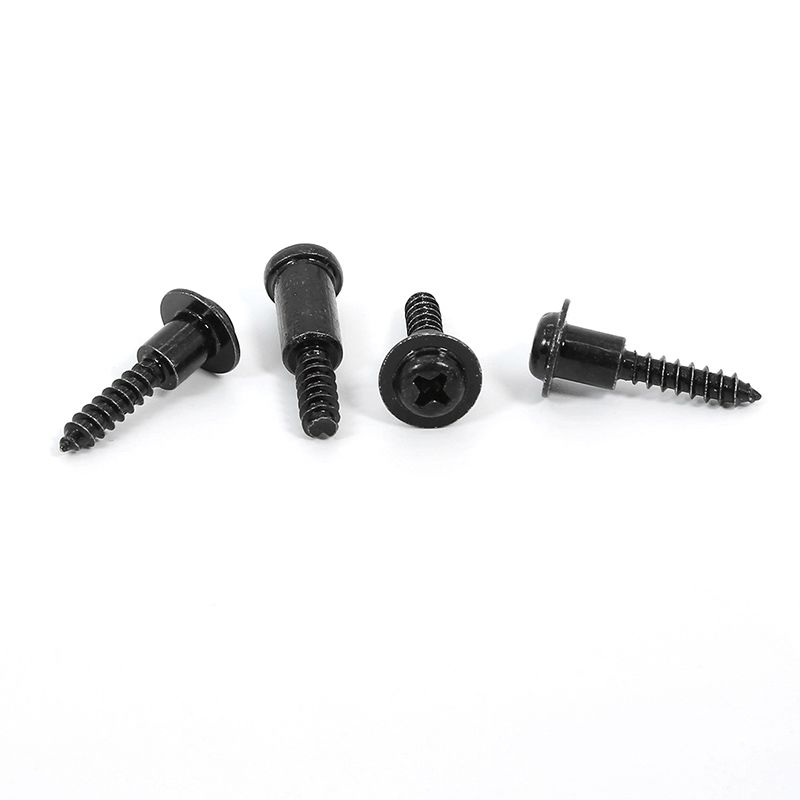
A step screw is a fastener with one or more changes in diameter along its shank. These changes create distinct functional sections, or “steps,” that can control installation depth, position components, provide clearance or act as a bearing surface.
Unlike conventional screws with a relatively uniform threaded body, step screws are often designed around the geometry of a specific assembly. The thread diameter, shoulder diameter, step lengths and head dimensions can all be produced according to a customer drawing.
Step screws are commonly used in electronics, machinery, automotive components, household appliances, communication equipment and precision instruments.
Are Step Screws the Same as Shoulder Screws?
The terms are sometimes used interchangeably, but they do not always describe exactly the same product.
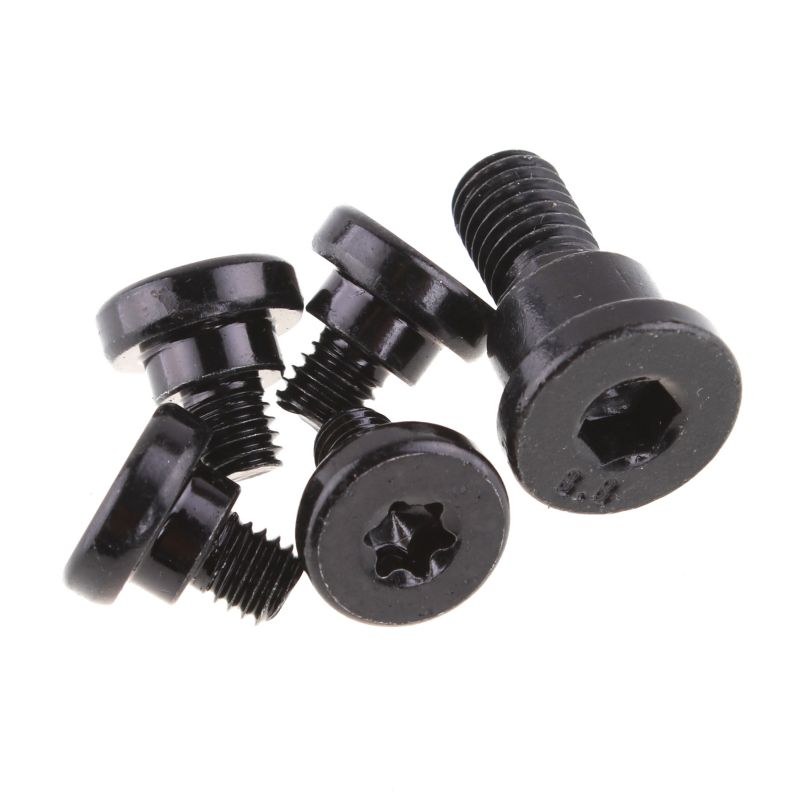
A shoulder screw normally has a clearly defined, smooth cylindrical shoulder between the head and the threaded section. This shoulder may act as a pivot, axle, guide or bearing surface.
A step screw is a broader description for a screw containing two or more diameter transitions. It may include a conventional shoulder, multiple stepped sections, reduced diameters, locating features or other custom geometry.
Therefore, some shoulder screws can be described as step screws, but not every step screw follows a standard shoulder-screw design.
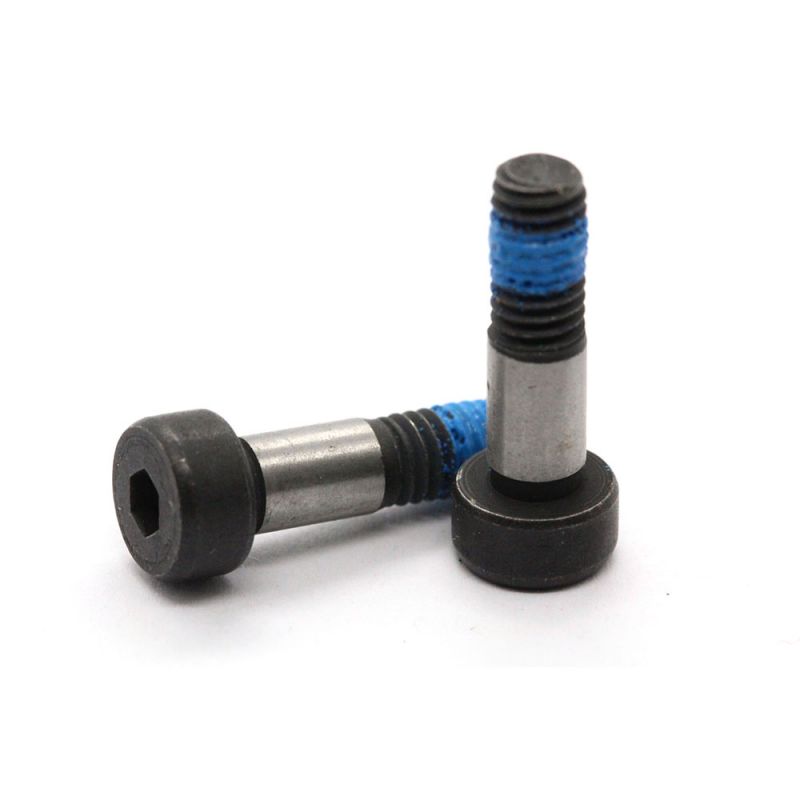
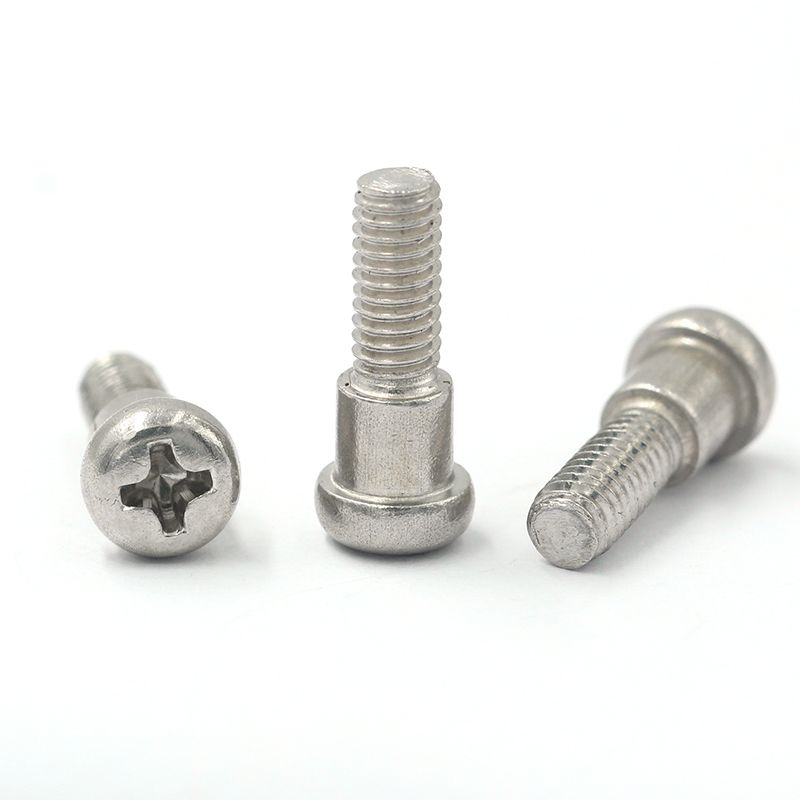
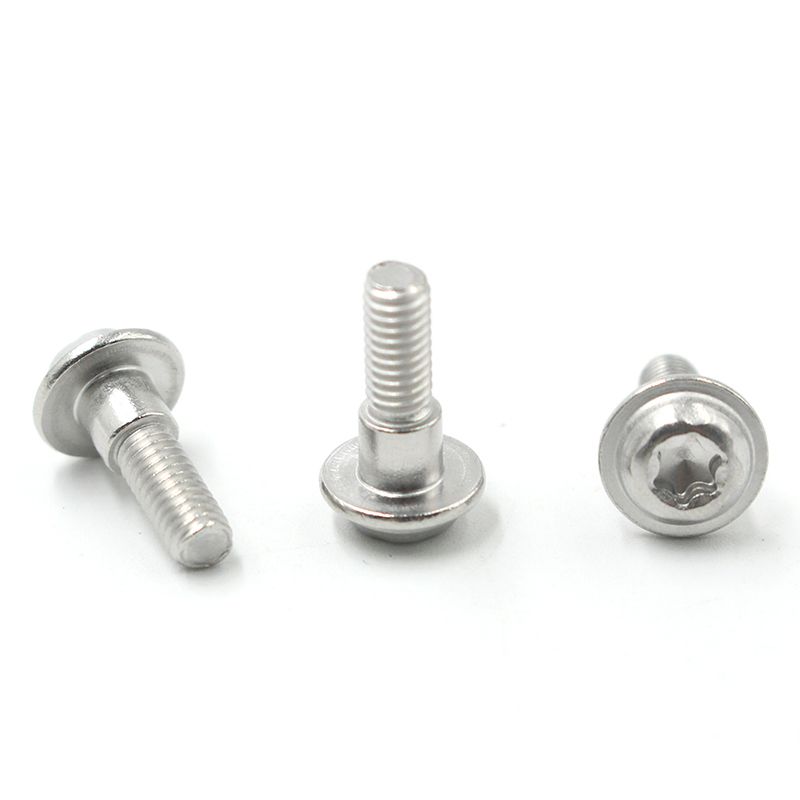
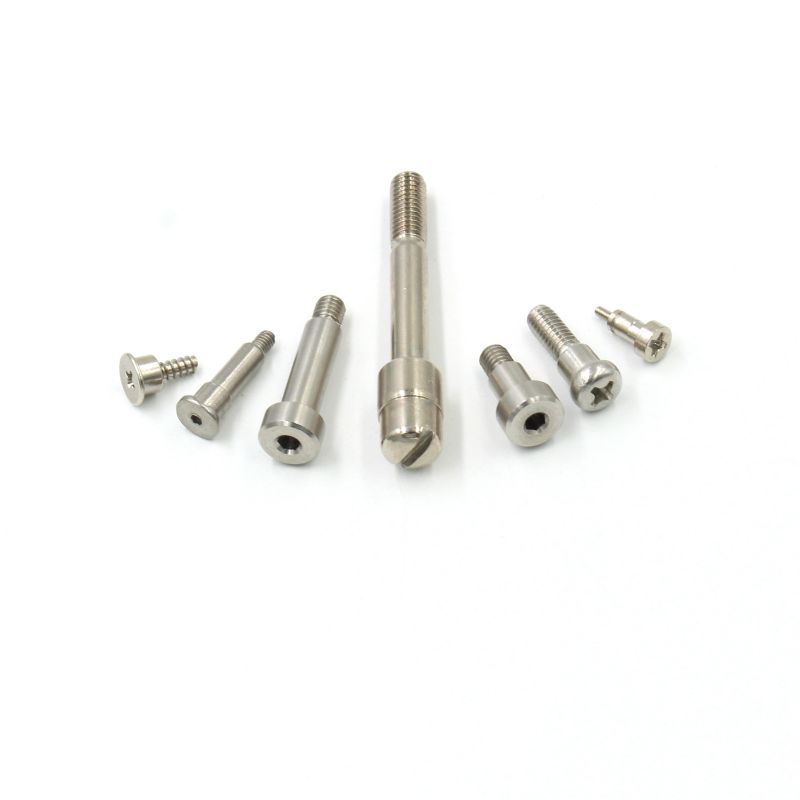
| Feature | Step Screw | Shoulder Screw |
|---|---|---|
| Basic Geometry | One or more diameter transitions | Smooth precision shoulder with a smaller threaded section |
| Number of Steps | One or multiple | Usually one primary shoulder |
| Main Purpose | Positioning, spacing, clearance or custom assembly | Pivoting, guiding, locating or bearing |
| Availability | Frequently custom made | Standard and custom versions available |
| Critical Dimensions | Each diameter and step length | Shoulder diameter and shoulder length |
How Do Step Screws Work?
Each section of a step screw can perform a different function:
-
The threaded section secures the screw in a tapped hole or nut.
-
A smooth shoulder can provide clearance for a rotating or sliding component.
-
A larger step can act as an installation stop.
-
A reduced section can pass through a specific hole.
-
A precision diameter can locate or align a component.
-
Multiple steps can separate or position several parts in one assembly.
The exact function depends on the drawing and joint design. Step screws should therefore be selected according to the complete assembly rather than the thread size alone.
What Dimensions Are Required for a Custom Step Screw?
A complete drawing should identify:
- Head style and drive
- Head diameter and height
- Overall length
- Thread diameter and pitch
- Thread length
- Each step diameter
- Each step length
- Shoulder tolerance
- Chamfers and radii
- Material and strength grade
- Surface finish
- Quantity
- Application requirements
Critical shoulder diameters and step lengths should have clearly stated tolerances.
How to Select the Material
Material selection depends on load, wear, corrosion, conductivity, weight and appearance.
Common options include:
- Carbon steel for general mechanical applications
- Alloy steel for higher-strength requirements
- Stainless steel for corrosion resistance
- Brass for conductivity, machinability or appearance
- Aluminum for lightweight assemblies
- Engineering plastics for insulation or low-load applications
Post time: Dec-14-2023





