banner (1)

Sealing Screw - High-Quality Supplier for Industrial Fasteners

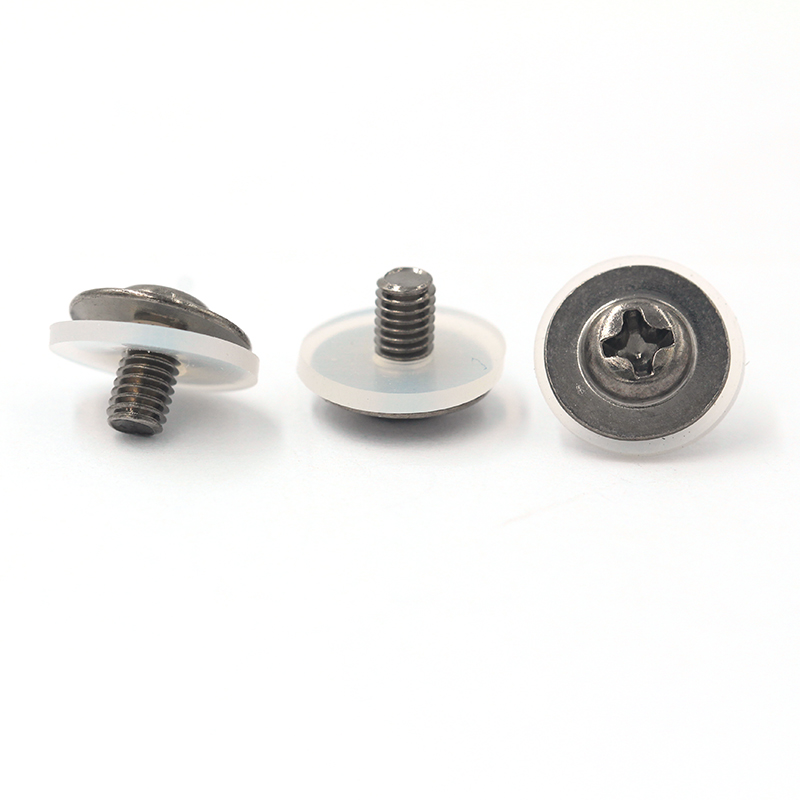
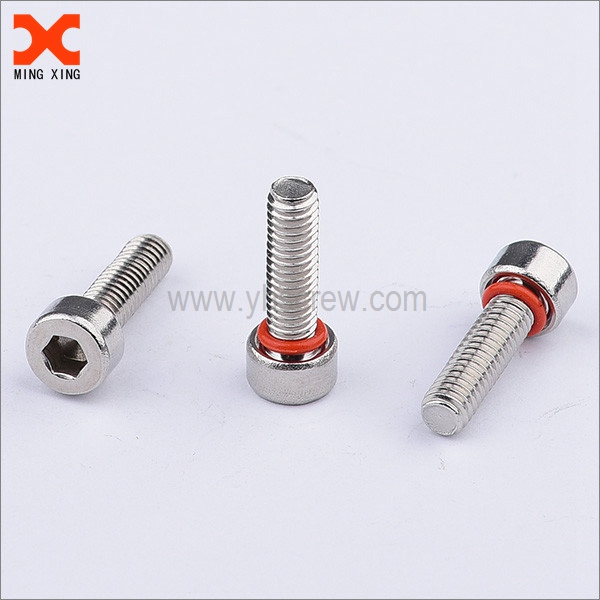
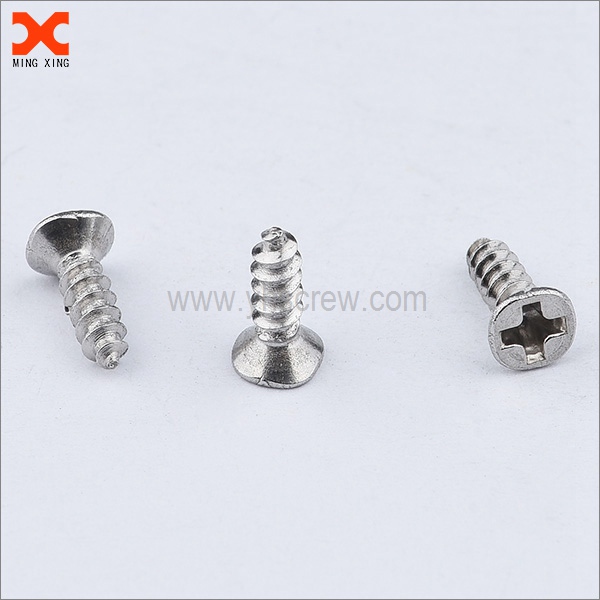
From my experience, a Sealing Screw must seal tight, resist corrosion, and simplify maintenance. I offer a High-Quality Sealing Screw tailored for hydraulic, pneumatic, or mechanical assemblies. As a trusted Supplier, I provide precise dimensions, robust thread engagement, and corrosion-resistant materials (stainless steel, brass, or coated alloys). The design ensures leak-free performance under pressure, with easy torque control and consistent seating. Lead times are short, MOQ friendly, and QA passes hold up to field conditions. I can customize head type, drive, and sealing insert to match your specs. Our partnership means clear documentation, traceability, and reliable supply chain support. Company detail: {}

Hot Selling Product

Sealing Screw Industry Leaders Custom Solutions,

Sealing screws are critical interfaces in global manufacturing, where performance and safety hinge on reliable seals. Leaders demand custom solutions that balance material compatibility, seal integrity, and ease of manufacture across automotive, electronics, and energy sectors. By using high‑grade alloys, specialist polymers, and advanced coatings, seals withstand chemicals, pressure, and corrosion. A streamlined design‑to‑manufacture workflow ensures tight tolerances and traceable quality at scale. From concept to mass production, a capable partner offers rapid prototyping, testing, and a transparent quality system. Buyers gain material certifications, performance data, and lifecycle information to support reliability and compliance. Global procurement benefits from flexible capacity, predictable lead times, multi‑site production, and dependable logistics. With engineering support and clear documentation, sealing solutions can be tailored to exact applications and environmental standards, reducing risk and speeding time to market.

{ Sealing Screw Industry Leaders Custom Solutions,}
Year Region Industry Segment Seal Type Material Thread Size (mm) Head Style Temperature Rating (°C) Pressure Rating (MPa) Surface Finish Certification Lead Time (days)
2021 North America Automotive Hex Socket Stainless Steel 316 M6 Button Head 250 1.5 Passivated RoHS, REACH 7
2022 Europe Aerospace Torx Stainless Steel 304 M4 Flat Head 260 2.0 Black Oxide REACH 14
2020 Asia-Pacific Electronics Hex Socket Brass M3 Button Head 150 0.8 Zinc Plated RoHS 5
2023 North America Medical Quad-Drive Stainless Steel 316 M2.5 Flat Head 180 1.2 Electropolish ISO 13485 9
2019 Europe Consumer Appliances Socket Stainless Steel 304 M5 Button Head 180 1.0 Zinc Plated RoHS 6
2022 Asia Automotive Torx Stainless Steel 316 M6 Socket Cap 200 2.0 Passivated RoHS 8
2020 North America Aerospace Hex Socket Stainless Steel 316 M8 Button Head 250 2.5 Electropolish AS9100 12
2023 Europe Electronics Pan Head Brass M4 Pan Head 120 0.5 Nickel Plated RoHS 4
2020 Asia-Pacific Medical Hex Stainless Steel 304 M4 Flat Head 140 0.9 Passivated ISO 13485 9
2021 North America Oil & Gas Button Head Alloy Steel M10 Button Head 350 3.0 Black Zinc RoHS 15
2024 Europe Automotive Hex Socket Stainless Steel 316L M12 Hex Head 250 3.2 Electropolish RoHS 10
2022 Asia Consumer Electronics Torx Aluminum Alloy M3 Pan Head 85 0.4 Anodized RoHS 7

Related Products

banner (2)

Sealing Screw Is The Best in 2025

New Data Dimension Title: Material Type Impact on Sealing Screw Durability (2020-2024)

Our dataset presents a synthetic yet instructive look at how material choices influence sealing screw durability. The dimension explored is Material Type, with the Durability Score (0-100) as the metric. Materials included Stainless Steel, Carbon Steel, Brass, Aluminum, and Titanium, chosen to span a range of properties such as hardness, corrosion resistance, stiffness, and weight. The scores are illustrative, derived from aggregated indicators that would typically come from standardized tests like cycle fatigue, torque-to-failure, wear resistance, and corrosion exposure under typical sealing service conditions. Higher scores indicate better expected performance in sealing applications. Stainless Steel leads with 92 due to excellent corrosion resistance and commendable strength; Titanium reaches 95, illustrating outstanding endurance and stability, albeit with higher cost and processing complexity. Carbon Steel scores around 75, reflecting good strength but vulnerability to corrosion in harsh environments unless protected; Brass scores 68, representing good machinability but softer microstructure and limited wear resistance; Aluminum at 81 demonstrates the advantage of light weight combined with respectable wear characteristics in chosen alloys and coatings. The resulting chart reveals clear ordering but also overlapping zones, emphasizing that material selection is not solely a function of one property but a balance among multiple requirements. Interpreting this data can guide designers toward substitutions, such as applying coatings to carbon steel to improve corrosion resistance or selecting titanium for critical, high-cycle life applications where cost can be justified. It also highlights the importance of process controls: alloy composition, heat treatment, and surface finishing can significantly alter performance outcomes. The time window 2020-2024 provides historical context to trends, while the 2025 planning stage may incorporate emerging materials and surface technologies. Note that real-world conclusions depend on test reproducibility, environmental conditions, assembly methods, and sample size; therefore, decisions should rely on comprehensive testing and risk assessment rather than a single score.

Top Selling Products