banner (1)

Hex Socket Head Cap Screw - High-Quality Supplier

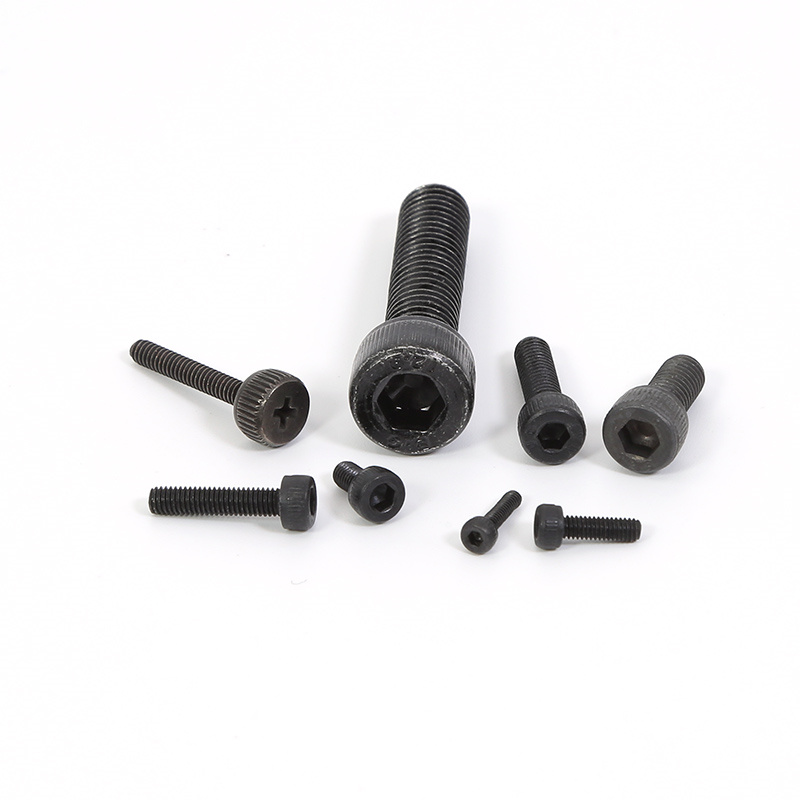
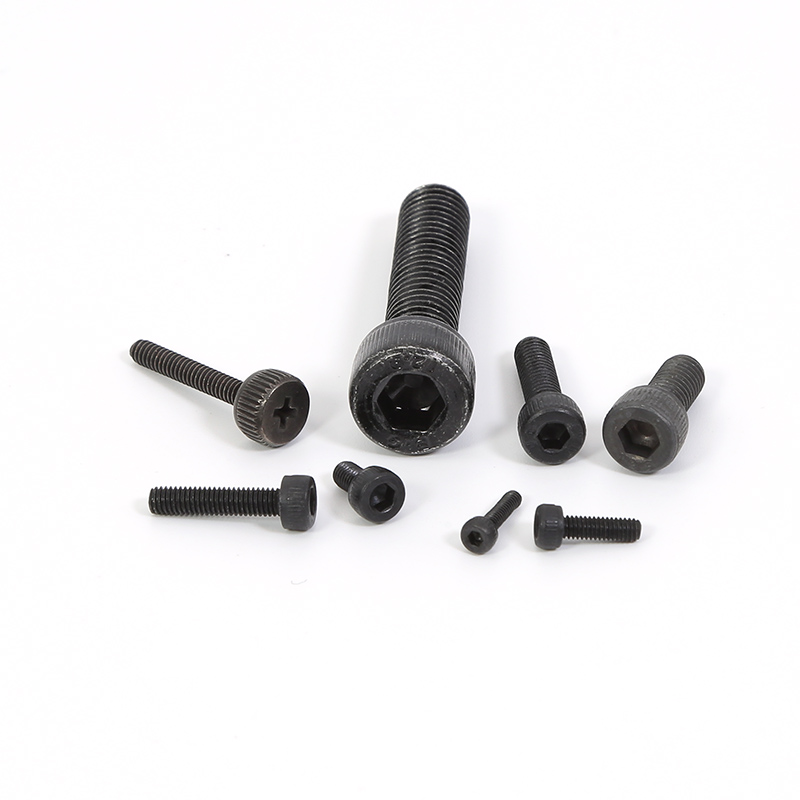
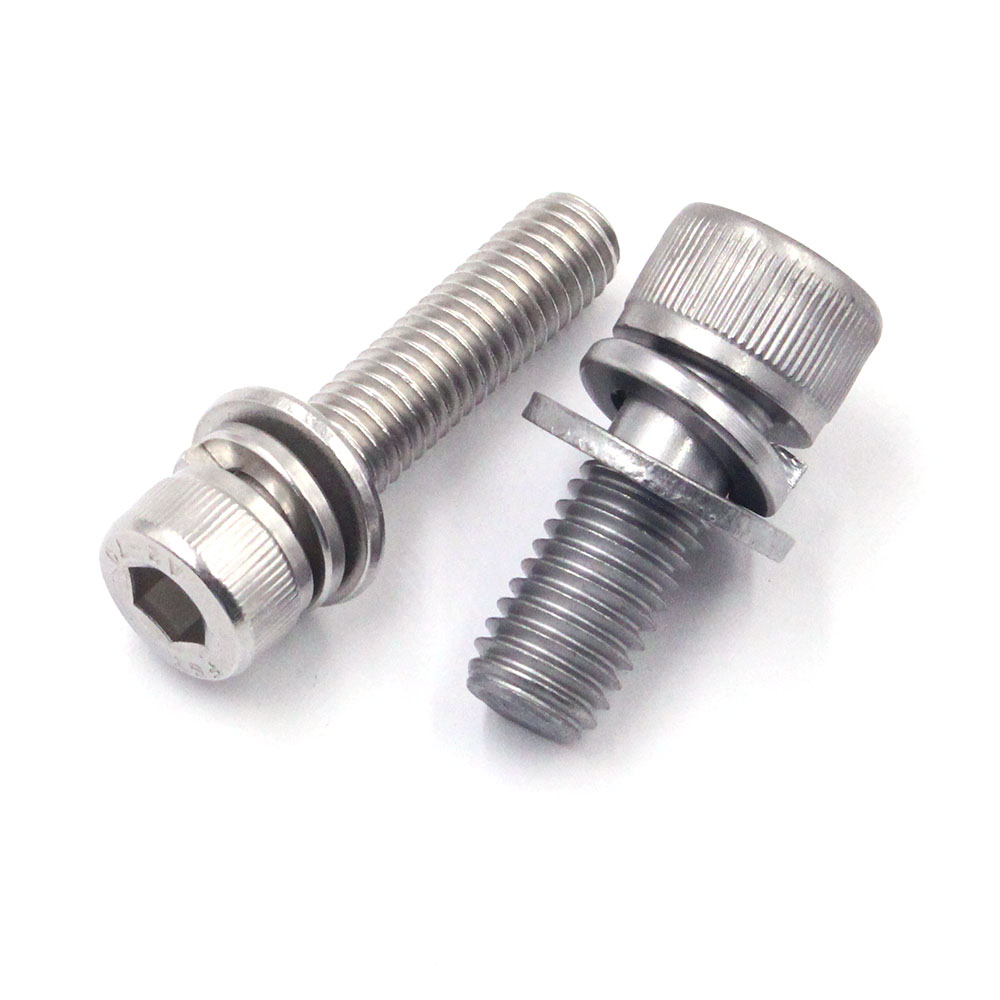
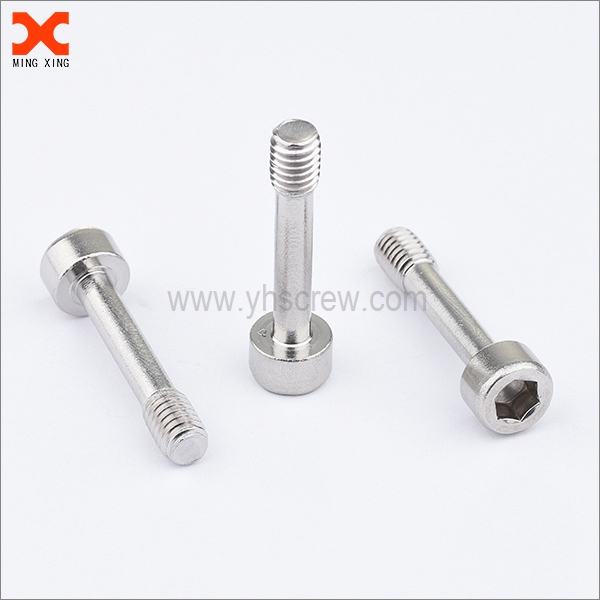
On my side, I supply Hex Socket Head Cap Screw used in automotive, machinery, and electronics assemblies. I am a High-Quality Supplier who understands that performance starts with the fastener. Our Hex Socket Head Cap Screw is engineered for high torque tolerance, consistent head height, and reliable thread engagement. We stock stainless steel, alloy steel, and heat-treated variants, with zinc or black oxide finishes. We offer metric and inch sizes, from small M3/M4 up to M12/1/4-20, plus options with partial or full thread. Each batch comes with traceability, certified quality control, and RoHS compliance. Lead times are short, MOQs are flexible for bulk projects, and packaging is designed for bulk shipments. If you need custom lengths, drives, or coatings, I can coordinate with production quickly. As a Supplier, I aim to deliver durable, precision-grade fasteners that keep your equipment running. Let me know your specs and I’ll match them with a reliable Hex Socket Head Cap Screw solution.

Hot Selling Product

Hex Socket Head Cap Screw More Than a Supplier - A Partner Service Backed by Expertise

Hex socket head cap screws are not mere fasteners; they are critical interfaces in machinery worldwide. A true partner, not just a supplier, brings engineering insight, standardized processes, and a globally coordinated supply chain. From alloy and stainless grades to heat treatment, coatings, and tight tolerances, solutions align with DIN, ISO, and ANSI specifications and fit your design intent. Beyond parts, a partner offers quality assurance, traceability, and proactive risk management. Expect PPAP readiness, material certificates, in-process inspection, and reliable logistics across time zones. With scalable production and transparent communication, global procurement teams can shorten lead times, reduce total cost of ownership, and keep projects on schedule.

{ Hex Socket Head Cap Screw More Than a Supplier - A Partner Service Backed by Expertise}

Size (mm) Material Grade Thread Pitch (P) Finish / Coating Tensile Strength (MPa) Standard Hex Socket Size (mm) Lead Time (days) Applications
M4 x 20 Alloy Steel 8.8 0.7 Zinc Plated 800 DIN 912 / ISO 4762 2.0 3-4 General machinery assembly
M5 x 25 Stainless Steel A2-70 A2-70 0.8 Passivated 520 ISO 4762 3.0 4-5 Food-grade equipment
M6 x 30 Alloy Steel 10.9 10.9 1.0 Black Oxide 940 DIN 912 4.0 5-6 Automotive assemblies
M8 x 40 Stainless Steel A4-80 A4-80 1.25 Satin 700 ISO 4762 5.0 7 Marine equipment
M10 x 45 Alloy Steel 12.9 12.9 1.5 Zinc Plated 1080 ISO 4762 6.0 6-8 Heavy machinery
M12 x 60 Stainless Steel A2-70 A2-70 1.75 Passivated 520 ISO 4762 8.0 8-10 Construction and structural

Related Products

banner (3)

Hex Socket Head Cap Screw Ahead of the Curve Manufacturers You Can Rely On

Data Dimension: Throughput vs Lead Time Across Production Weeks for Hex Socket Head Cap Screw Manufacturing

This dataset presents a concise view of weekly manufacturing performance for hex socket head cap screws, focusing on two complementary metrics: throughput and lead time. Throughput, measured in thousands of pieces produced per week, reflects the factory's production capacity and operational efficiency, influenced by shift coverage, machine uptime, tooling availability, and scheduling discipline. Lead time, expressed in days from order receipt to shipment, captures the reliability and responsiveness of the entire supply chain—from procurement and material availability to changeover times and final packing. By plotting these metrics across the same time horizon, the chart reveals several practical patterns. Generally, when throughput rises from week to week, lead times tend to shorten, suggesting improved line balance and smoother material flow. Conversely, dips in throughput often coincide with longer lead times, signaling potential bottlenecks, maintenance events, or sourcing pauses that ripple through the schedule. The dual-axis design enables comparison without forcing a single unit scale, making it easier to spot when high output does not translate into faster delivery, which can indicate capacity constraints or inefficiencies in downstream processes. External factors such as holidays, supplier delays, or quality-related interventions can cause short-term deviations; interpreting these alongside the production trend helps identify root causes and prioritize corrective actions. For actionable insights, teams should correlate this chart with defect rate, on-time delivery, and demand forecasts to build a holistic view of supplier reliability and internal efficiency. In practice, the goal is to maintain a healthy balance where throughput grows steadily while lead times remain stable or decline, thereby staying ahead of demand and maintaining customer trust in a competitive fastener market.

Top Selling Products