banner (1)

Philips Shoulder Screw ODM Factory - High-Quality

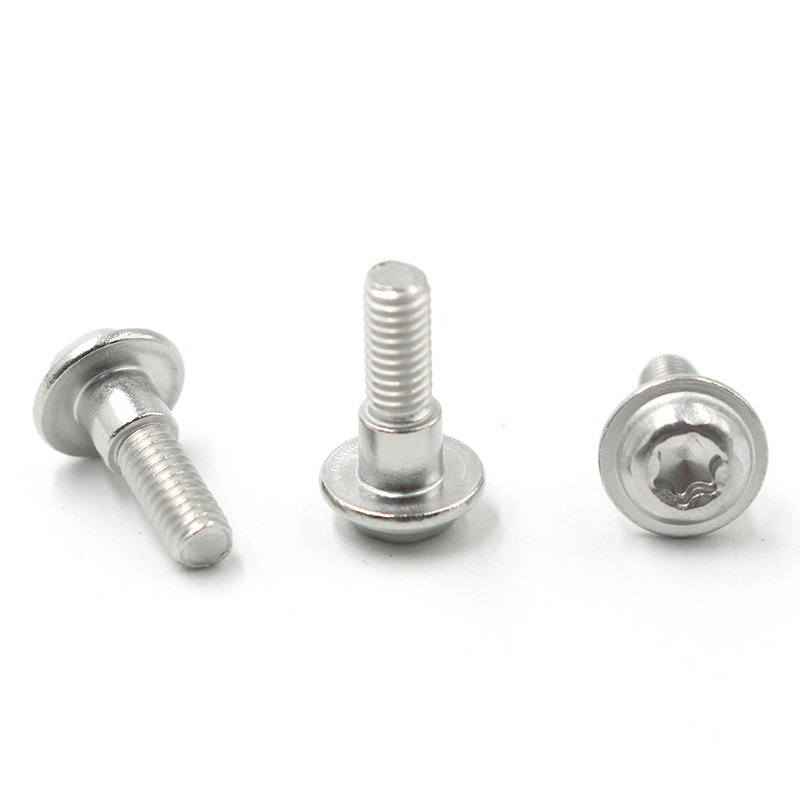
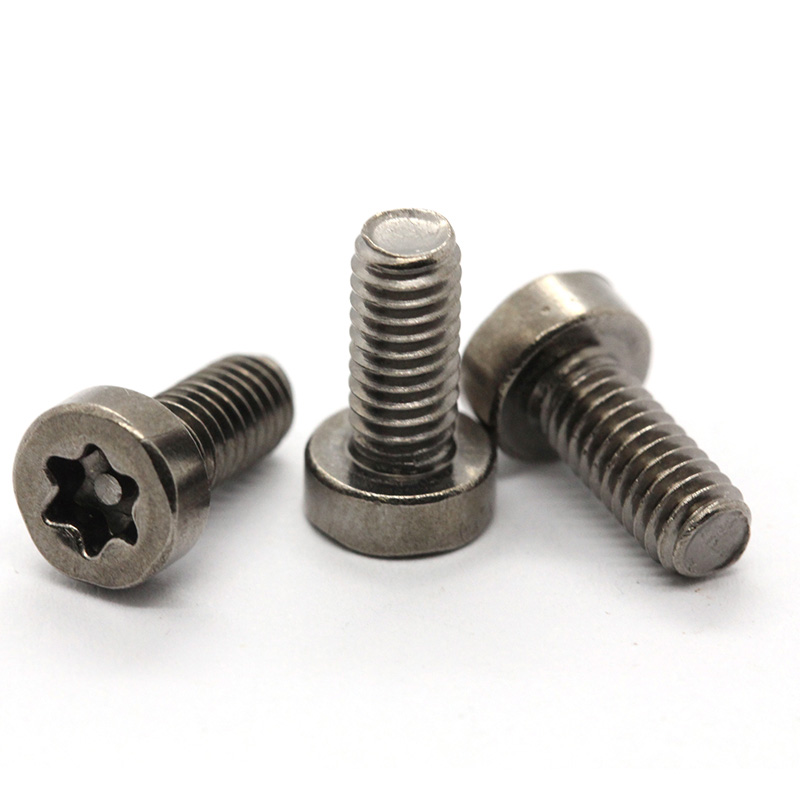
We provide a dependable philips shoulder screw, engineered for precision, durability and easy integration into your assembly lines. We know you want choices, so we offer ODM capabilities and a direct Factory pipeline to meet your exact dimensional tolerances, surface finishes, and material spec. Our philips shoulder screw features a smooth shoulder for precise alignment, a hardened finish for wear resistance, and a philips recess that stays reliable under repeated torque. We supply in stainless steel, alloy steel, or coated options, with customizable shoulder length and thread sizes to fit your design. With factory-direct pricing and short lead times, you can prototype quickly and scale production with confidence. We can also provide tin-plating, passivation, or CNC finishing as needed. If you’re coordinating a high-volume project or special OEM components, we’re ready to align with your ODM requirements and deliver consistent quality.

Hot Selling Product

philips shoulder screw Your Trusted OEM Partner Factory-Direct Excellence

Global procurement hinges on precision, reliability, and cost efficiency. Shoulder screws are essential for aligning and securing assemblies in electronics, machinery, and automotive modules. An OEM partner with factory-direct access delivers consistent quality, shorter lead times, and scalable capacity to meet demand. Through precision turning, strict process controls, and thorough inspections, we achieve tight tolerances, smooth finishes, and dependable performance. Materials and finishes are customizable, with QA systems and traceability from design to delivery. Buyers should seek suppliers offering technical versatility, transparent pricing, and reliable logistics. Look for options to tailor material grade, dimensions, thread types, and surface treatments, plus documented QC data and batch traceability. A factory-direct relationship lowers risk and total cost, while improving on-time delivery. By partnering with a capable manufacturing partner, global teams can simplify sourcing, accelerate time-to-market, and secure lasting value across their portfolios.

{ philips shoulder screw Your Trusted OEM Partner Factory-Direct Excellence}
Part Code Shoulder Diameter (mm) Shoulder Height (mm) Thread Size Overall Length (mm) Material Finish Hardness (HRC) Notes
SS-01 8.0 6.0 M6 25 Stainless Steel 304 Satin 30-34 General-purpose, precise alignment
SS-02 10.0 8.0 M8 32 Alloy Steel Zinc Plated 28-32 Machinery assembly, good strength
SS-03 6.0 5.0 M4 20 Stainless Steel 304 Passivated 32-36 Electronics housing, corrosion resistant
SS-04 12.0 9.0 M12 40 Alloy Steel Black Oxide 30-34 Heavy-duty applications, high load
SS-05 16.0 10.0 M16 50 Stainless Steel 316 Polished 34-38 Food-grade environments, corrosion resistance
SS-06 8.0 7.0 M6 28 Alloy Steel Nickel Plated 26-30 General-purpose, cost-effective

Related Products

banner (3)

philips shoulder screw Ahead of the Curve Your Trusted OEM Partner

Throughput by Assembly Stage

40 80 120 160 Material Prep Machining Heat Treatment Finishing Packaging

This dataset presents throughput by five stages in a typical OEM assembly line: Material Prep, Machining, Heat Treatment, Finishing, and Packaging. Throughput is measured in units per hour and the values are illustrative yet representative of common industrial patterns where upstream stages set the pace for downstream operations. Stage 2 Machining records the highest throughput at 160 units/hour, reflecting efficient tooling, automation, and optimized feeds. Stage 3 Heat Treatment shows the lowest throughput at 110 units/hour, indicating a bottleneck driven by cycle time and cooling/soaking requirements that introduce dwell time. Stage 1 Material Prep sits at 120 units/hour, acting as a baseline that supports the downstream flow. Finishing reaches 145 units/hour, suggesting a strong but occasionally constrained quality-check and surface-treatment process. Packaging completes the line at 130 units/hour, indicating a steady wrap-up phase that generally aligns with output from previous stages. Key insights emerge from this visualization. The bottleneck is Stage 3; reducing dwell, exploring parallel heat-treatment processes, or optimizing transfer times could substantially lift overall line throughput. Improvements in Stage 2 would yield cascading benefits, as higher upstream output requires robust downstream handling to prevent work-in-process buildup. To stay ahead of the curve in a competitive OEM environment, balancing line speed with quality gates, predictive maintenance, and integrated scheduling is essential. Limitations include the simplified five-stage model and hourly averages; real-world variability due to shifts, part mix, maintenance, or supply interruptions would require more granular monitoring (e.g., OEE, cycle-time histograms, and WIP tracking). Overall, this chart reinforces the value of data-driven line balancing and continuous improvement in achieving operational excellence.

Top Selling Products