banner (1)

Hexagon Flange Bolts - Discount Quotes on Premium Fasteners

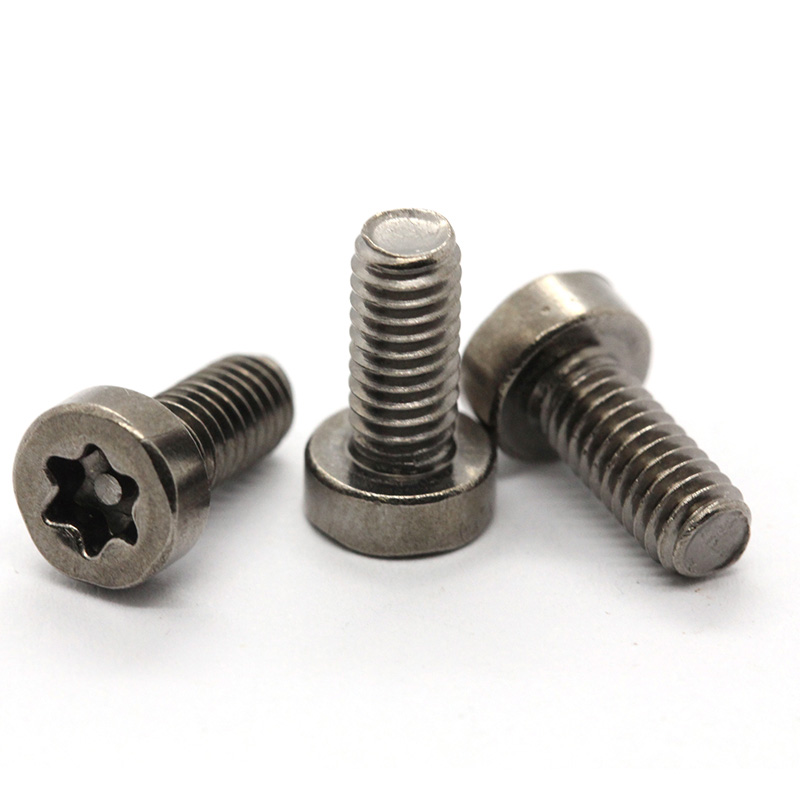
I help purchasing teams lock in reliable Hexagon Flange Bolts for heavy machinery and structural assemblies. By selecting Grade 8.8 and 10.9 options in stainless steel or alloy steel, you get strong joints with a proper flange for even load distribution. I offer metric and inch sizes, standard coarse or fine threads, and corrosion resistant finishes to suit water, chemical, or outdoor environments. When you shop with us, you’ll enjoy consistent quality, dependable on-time delivery, and flexible packaging for bulk projects. If you’re chasing cost efficiency, I can arrange a Discount for large quantities and provide fast Quotes tailored to your required lead times and tolerances. Our inventory is traceable with material certs and ISO-compliant processes, so your QC teams can seal the deal with confidence. Let me know your target batch size, preferred grade, and finish, and I’ll tailor a solution that keeps your project on track.

Hot Selling Product

Hexagon Flange Bolts Stands Out Your End-to-End Solution

Hexagon flange bolts offer a compact, high-torque fastening solution that stabilizes joints in automotive, industrial, and electronics assemblies. An end-to-end sourcing path—from material selection to final delivery—helps global buyers streamline procurement: design support, precision machining, heat treatment, surface finishing, inspection, and ready-to-ship packaging. Material options include carbon steel and alloys, with coatings such as zinc, zinc-nickel, or black oxide, across a wide range of sizes and thread pitches. With certified quality systems, in-process checks, and full dimensional verification, every bolt is traceable. Quick-turn prototyping and customization can align parts with OEM specs. Consolidating sourcing, production, and logistics yields predictable lead times, reduced supplier risk, and cost efficiency as volumes grow. Buyers benefit from flexible minimums, multilingual support, and proactive quality alerts to keep assemblies running smoothly across industries.

{ Hexagon Flange Bolts Stands Out Your End-to-End Solution }

SKU Diameter (mm) Length (mm) Thread Pitch (mm) Material Grade Coating
BFL-M6-16-A2-PV 6 16 1.0 Stainless Steel A2-70 A2-70 Passivated
BFL-M8-20-A4-80-PV 8 20 1.25 Stainless Steel A4-80 A4-80 Passivated
BFL-M8-25-8.8-ZN 8 25 1.25 Alloy Steel 8.8 Zinc Plated
BFL-M10-30-10.9-BL 10 30 1.5 Alloy Steel 10.9 Black Oxide
BFL-M12-40-8.8-ZN 12 40 1.75 Alloy Steel 8.8 Zinc Plated
BFL-M14-50-10.9-ZN 14 50 2.0 Alloy Steel 10.9 Zinc Plated
BFL-M16-60-8.8-ZN 16 60 2.0 Alloy Steel 8.8 Zinc Plated
BFL-M20-80-10.9-NI 20 80 2.5 Alloy Steel 10.9 Nickel Plated

Related Products

banner (4)

Hexagon Flange Bolts Is The Best Factory-Direct Excellence

Monthly Production Volume by Bolt Grade (units)

Grade 4.6 Grade 6.8 Grade 8.8 Grade 10.9 Grade 12.9

Explanation: This chart displays the monthly production volume by hexagon flange bolt grade (units). The five grades shown here represent common strength classes used in the industry. The highest produced grade in this period is Grade 8.8, accounting for the majority of output, followed by Grade 6.8 and Grade 10.9. Grades 4.6 and 12.9 show mid-to-low production shares. The distribution suggests a demand pattern where the mid-range strength grades are favored for everyday fastening needs, while the strongest grade (12.9) remains a smaller, more specialized segment. Several factors shape this mix: customer specifications, supply chain constraints, and the efficiency of the heat-treatment and finishing lines. Grade 8.8 structures often provide a favorable balance of tensile strength and manufacturability, making them the workhorse of many applications. The relatively higher production of Grade 6.8 indicates broad applicability and consistent demand across segments such as construction, machinery, and automotive components. Grade 10.9, being stronger, tends to be used for high-stress assemblies, which may justify a steady but smaller volume due to longer lead times or more stringent quality checks. The lower volumes for Grade 4.6 could reflect cost considerations or a smaller market, while Grade 12.9 may be driven by niche applications and greater sensitivity to scrap rates and tool wear. For capacity planning, this chart suggests focusing capacity around the middle grades to maximize throughput while maintaining flexible tooling to switch to the high-strength and lower-strength grades as orders fluctuate. Inventory strategies should align with such demand signals, ensuring heat-treat furnaces, carburizing ovens, and dimensionally relevant tooling are ready for faster changeovers. In a factory-direct setting, data like this supports proactive scheduling, waste reduction, and improved delivery performance by forecasting batch needs more accurately and reducing unproductive downtime. Overall, the chart demonstrates how product mix evolves and emphasizes the importance of grade-level monitoring to optimize production efficiency and meet customer requirements.

Top Selling Products