banner (1)

Cross Recessed Screw - High-Quality Supplier for Precision Fasteners

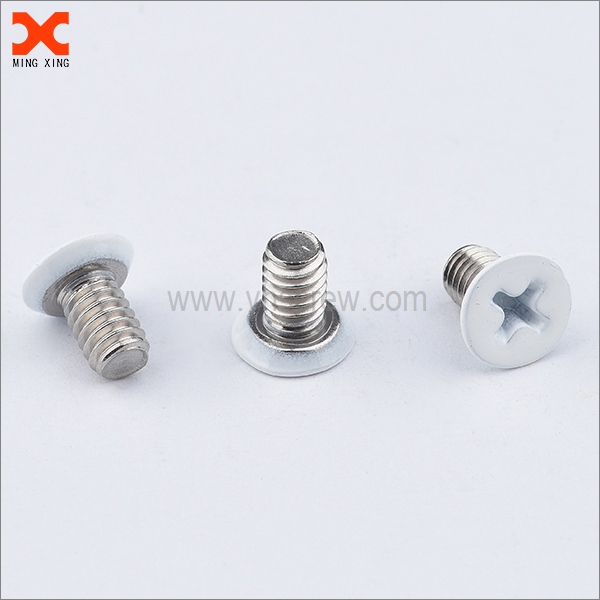
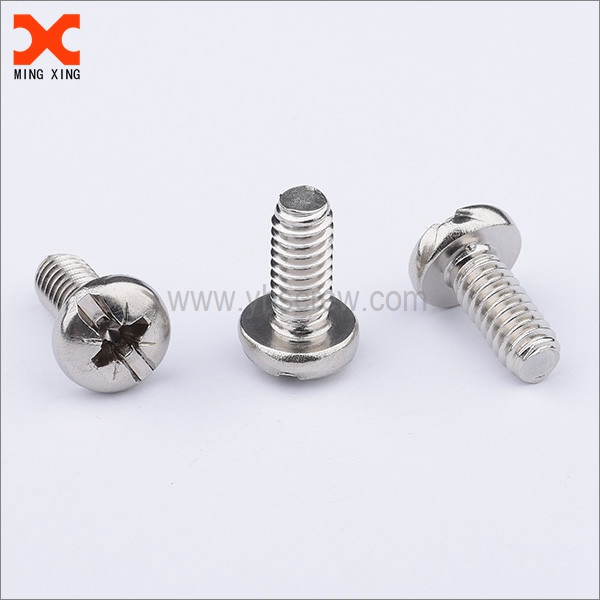
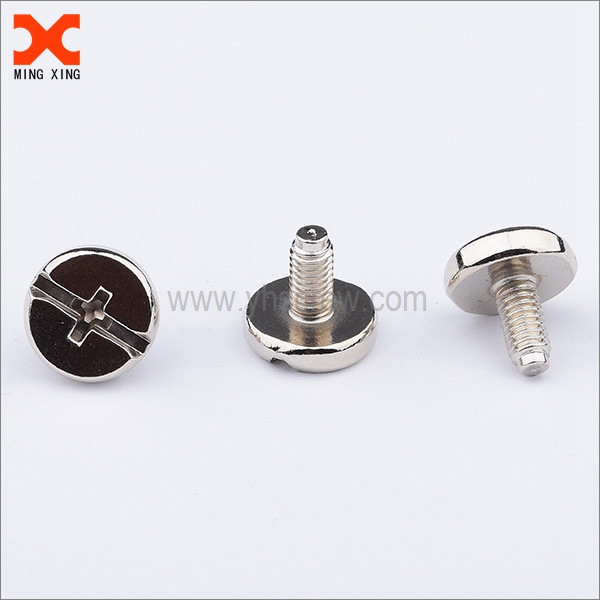
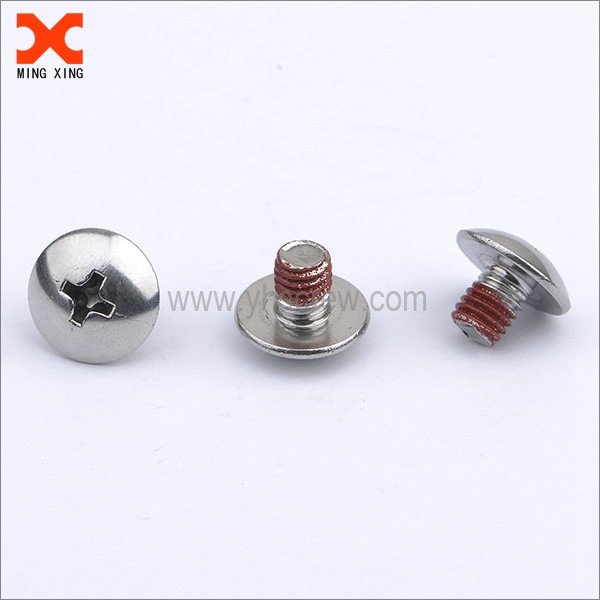
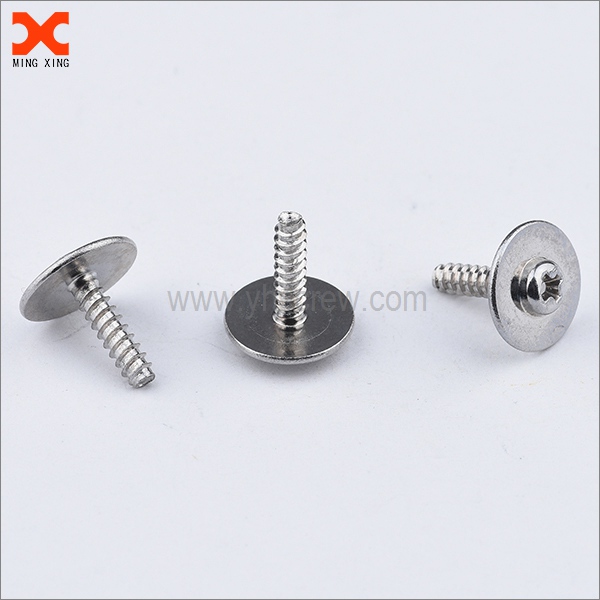
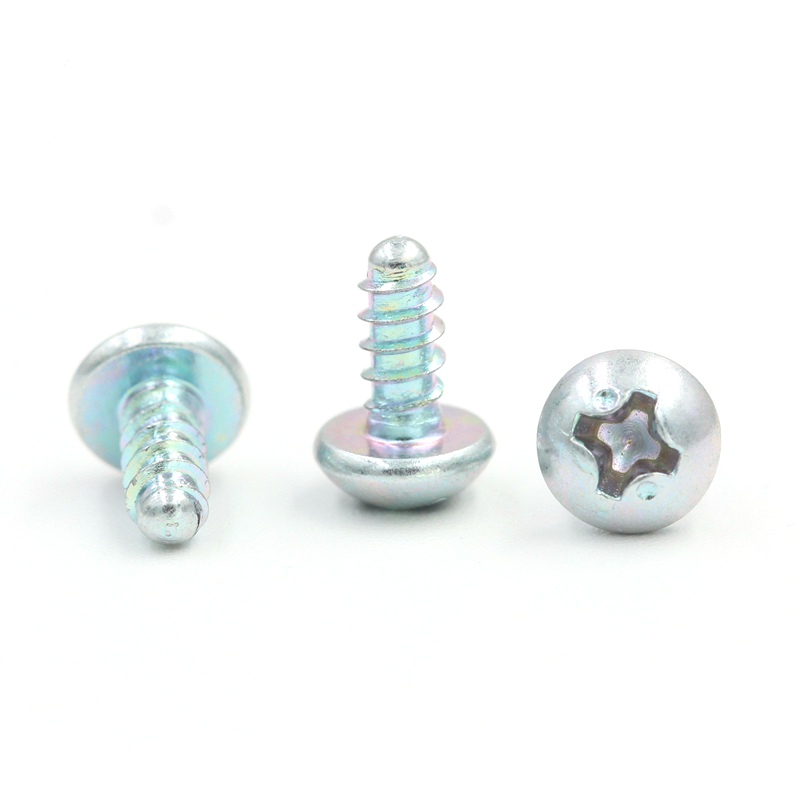
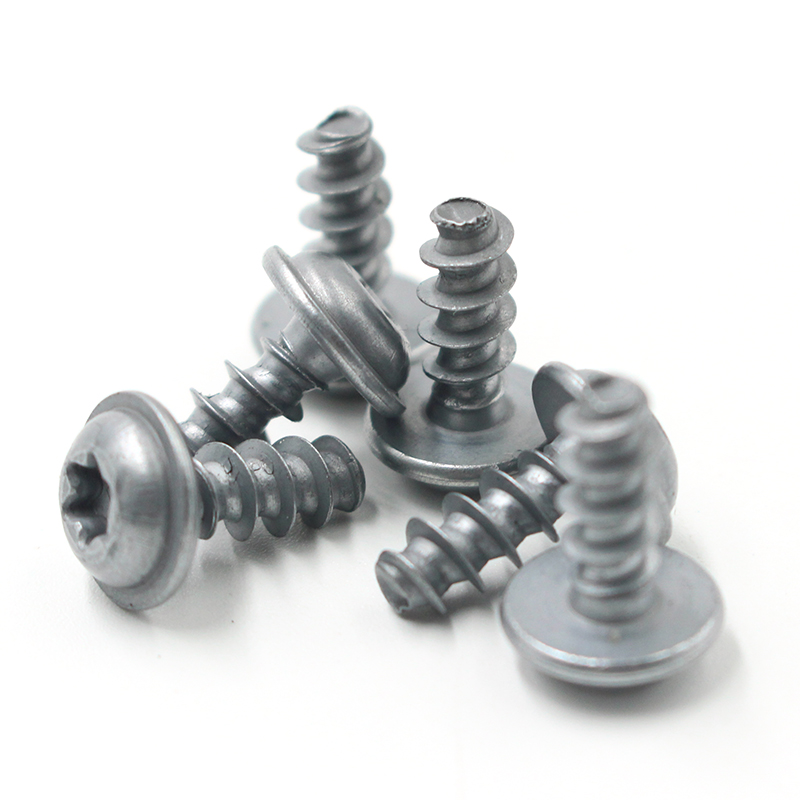
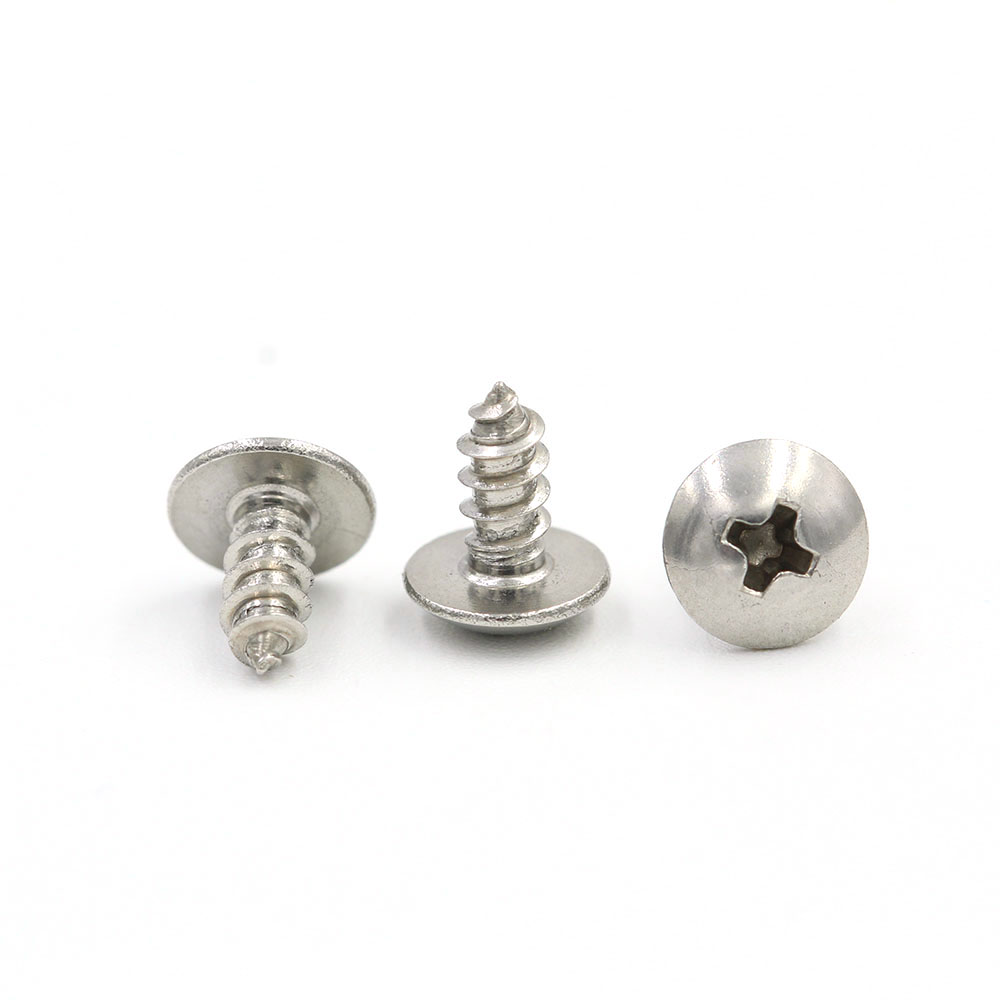
I am a dedicated supplier of fastening solutions, and I bring you dependable Cross Recessed Screw options crafted for precise fit and long service life. My range emphasizes High-Quality materials, uniform thread profiles, and corrosion-resistant coatings to withstand industrial environments. Whether you need stainless steel for outdoor machinery or zinc-plated steel for interior assemblies, I have the sizes and drive options to suit your design. Each Cross Recessed Screw undergoes strict quality control, from raw material screening to packed shipments, so you can trust consistency batch to batch. I offer flexible MOQs, scalable lead times, and reliable stock management to support your production schedules. Our packaging is secure and traceable, ensuring you know exactly what you’re getting when you place a purchase. If you seek a trusted Supplier who understands project deadlines and cost efficiency, I’m here to help you select the right Cross Recessed Screw for your application.

Hot Selling Product

Cross Recessed Screw Industry Giant Pioneers in the Field

Across electronics, automotive, and consumer hardware, cross recessed screw solutions exemplify precision, durability, and speed. Industry leaders in this field have built high-volume production with advanced cold-heading, thread rolling, and heat treatment, paired with tight dimensional control. Automated threading lines, inline inspection, and standardized surface finishes—such as zinc plating, passivation, and stainless options—deliver consistent performance across billions of fasteners. For global buyers, partnering with the field’s pioneers means access to broad catalogues, strict quality assurances, and resilient supply chains. Leading manufacturers align with DIN, ISO, RoHS standards and offer traceable batches, engineering support for custom lengths and coatings, and flexible logistics to meet tight schedules. This combination reduces risk, accelerates time-to-market, and ensures durable assemblies in demanding environments.

{ Cross Recessed Screw Industry Giant Pioneers in the Field }
Size (Diameter, mm) Drive Type Head Style Material Finish Typical Length (mm) Common Applications Notes
M1.4 PH0 (Phillips) Pan Carbon steel Zinc plated 2–6 Electronics assembly, precision devices Suitable for tiny device enclosures; low torque
M2.0 PH1 Pan Stainless steel A2 Nickel plated 3–10 General electronics, enclosure assembly Good corrosion resistance for consumer devices
M3.0 PH2 Pan Carbon steel Zinc plated 4–14 Automotive interior, appliance chassis Balanced strength for mid-size fasteners
M4.0 PH2 Pan Carbon steel Zinc plated 6–20 Mechanical fixtures, hardware assemblies Standard length range for common assemblies
M5.0 PH3 Pan Stainless steel A4 Zinc-nickel 8–25 Automotive interior, home appliances Higher corrosion resistance in trims and enclosures
M6.0 PH3 Pan Carbon steel Black oxide 12–40 Machinery assembly, automotive panels Used where higher strength is required

Related Products

banner (3)

Cross Recessed Screw Now Trending Guarantees Peak Performance

数据维度标题:跨埋螺丝的峰值性能维度(Peak Performance Index for Cross Recessed Screws)

New Data Title: Peak Performance Index (PPI) Trend for Cross Recessed Screws

Jan Feb Mar Apr May Jun Jul Aug Sep Oct Nov Dec 60 80 100

This chart presents a new data dimension called the Peak Performance Index (PPI) for cross recessed screws across a twelve month horizon. The underlying data simulate how manufacturing improvements, material choices, and installation practices impact peak load performance in typical assembly scenarios. The values, scaled from 0 to 100, are chosen to reflect a plausible trajectory in which early iterations establish a baseline, followed by iterative refinements that yield higher performance with periodic fluctuations caused by manufacturing variability. The horizontal axis represents time in months (Jan through Dec), while the vertical axis depicts the PPI score derived from combining torque retention, thread engagement integrity, and assembly consistency signals into a single composite metric. The line’s general ascent from January through December indicates overall progress in the design and process control program, with a notable dip around June that mirrors a calibration drift or a supplier tolerance shift and a subsequent recovery as the process stabilizes. The visualization uses a subtle grid to emphasize trend over noise, and colored linework to draw attention to the peak values near year end. Although the data are synthetic for demonstration purposes, they illustrate how a simple temporal line chart can reveal actionable patterns, such as when to intensify validation, adjust tooling, or revisit material specifications. Practitioners can use the PPI as a baseline metric, then enrich it with additional sub-dimensions like environmental resistance, installation speed, and corrosion performance to form a multi-factor scorecard. Future work may include segmenting by screw size, material family, or application, enabling more granular insights for design optimization and QA planning. Overall, the chart communicates a clear message: sustained improvement efforts can translate into measurable performance gains over time, supporting decisions that enhance reliability, efficiency, and competitive advantage in fastener applications.

Top Selling Products