banner (1)

Captive Fastener Wholesale from Top Manufacturers

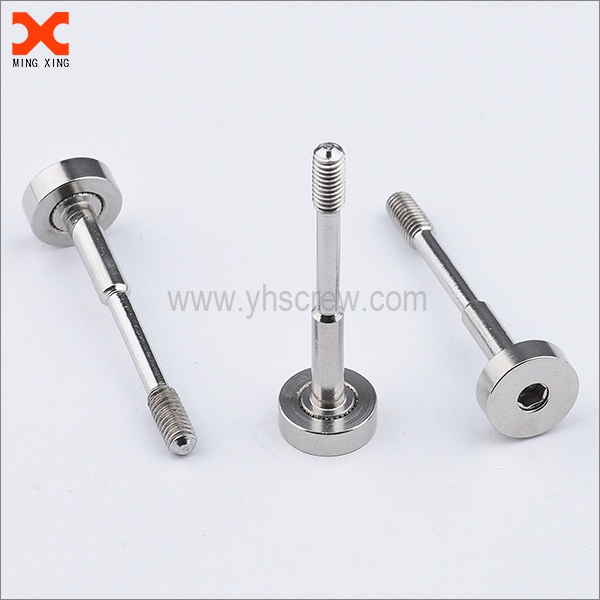
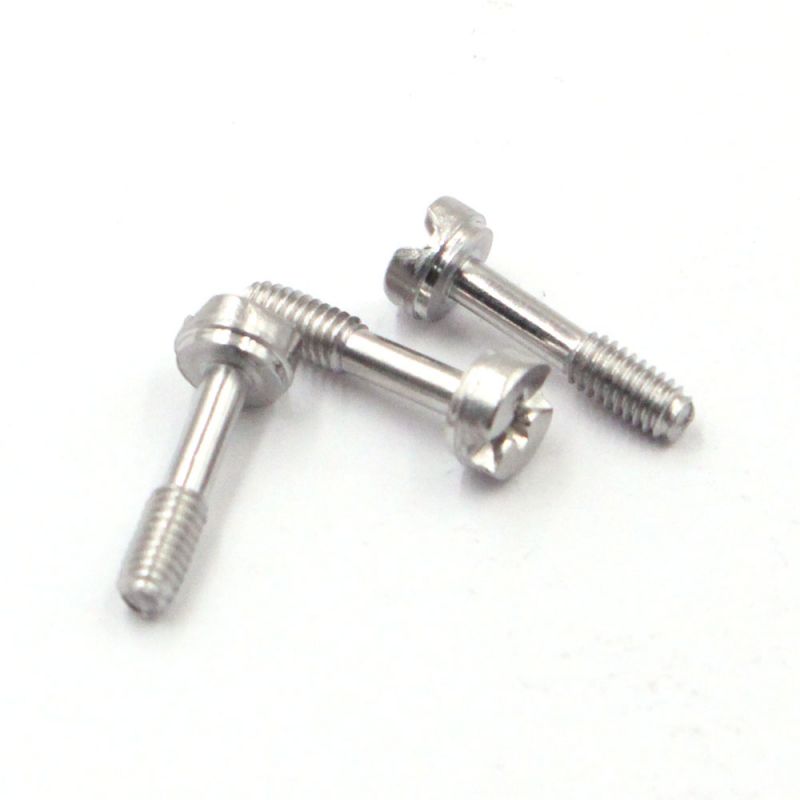
On every job site and in every assembly line, I know that a captive fastener can save time and cut lost hardware. That's why I offer high‑quality captive fasteners designed for serious production. Whether you are a Wholesale buyer or a Manufacturer, you can count on tight tolerances, easy SPC, and secure retention even under vibration. Our captive fasteners come in stainless steel, zinc-plated steel, and brass, with corrosion resistance and durable plating. They stay attached to the panel, so assembly is faster and mistakes are minimized. We supply standard sizes and custom options to meet your line, with fast lead times and competitive pricing. Each piece is manufactured to strict QA checks, ensuring consistent performance across high-volume runs. If you want reliability, repeatability, and a smoother assembly process—let us be your captive fastener partner.

Hot Selling Product

captive fastener Service Custom Solutions,

Captive fasteners stay with assemblies, enabling quick, reliable, vibration‑resistant installations for electronics, automotive, and consumer devices. For global buyers, a captive fastener service means design-for-manufacturability, material and finish options, and true customization to fit your exact assembly. We offer materials such as stainless steel, aluminum, brass; finishes like passivation, anodizing, and black oxide; plus diverse head styles and drive types. Early engineering input and rapid prototyping speed time to production. From quote to delivery, our customized programs align with your supply chain. Flexible minimums, scalable production, and global logistics shorten lead times and stabilize costs. With robust quality management and traceability, we meet international standards and ensure consistent performance across markets. Optional services—kitting, barcoded packaging, and on-site assembly support—help reduce steps, minimize downtime, and improve product reliability for buyers worldwide.

{ captive fastener Service Custom Solutions,}
Part ID Description Material Finish Head Type Drive Type Length (mm) Grip Range (mm) Plate Thickness (mm) Tensile Strength (MPa) Standards Lead Time (days) Applications
CF-1001 Captive screw for aluminum panel mounting Stainless Steel 304 (A2) Passivation Pan Head Hex 6 0.8-2.0 0.8-2.0 520 ISO 3506-1 3 Electronics enclosures, control panels
CF-1002 Captive screw M4 for PCB enclosure Stainless Steel 304 Zinc Plating Button Head Torx T6 8 1.5-2.5 1-3 680 ISO 10642 4 Automotive interior trim, electronics housings
CF-1003 Brass captive screw for decorative panels Brass Nickel Plating Flat Head Phillips 5 0.5-1.0 0.5-1.5 260 ISO 8753 2 Cabinetry and decorative panels
CF-1004 Stainless steel captive screw for rugged environments Stainless Steel 316 Passivation Hex Socket Button Hex 12 3.0-4.0 2-5 700 ISO 4762 5 Marine, outdoor equipment
CF-1005 Aluminum captive screw, low-profile Aluminum Alloy 6061-T6 Anodized Raised Countersunk Torx T15 10 2.0-3.0 1.5-3.0 320 ISO 898-1 3 Consumer electronics, lightweight enclosures
CF-1006 Nylon captive screw for plastic assemblies Nylon PA6 Natural Knob Head Slotted 14 4.0-6.0 2.0-4.0 120 UL 94 V-2 6 Plastic housings, equipment covers
CF-1007 Stainless steel captive screw for heavy-duty panels Stainless Steel 304 Zinc-Nickel Cheese Head Phillips 7 1.2-2.2 0.8-2.5 540 ISO 898-1 3 Machinery panels, control cabinets

Related Products

banner (3)

captive fastener Products Exceeds Industry Benchmarks

Data Dimension: Production Capacity Utilization by Material Type

This chart presents production capacity utilization by material type in a captive fastener manufacturing setting. The dimension, Production Capacity Utilization by Material Type, tracks how efficiently lines convert raw material inputs into finished components across five common materials: Carbon Steel, Stainless Steel, Aluminum, Alloy Steel, and Titanium. Values are normalized to a 0–100% scale to compare throughput and line efficiency across materials, revealing both overall performance and material-specific variation. Stainless Steel shows the highest utilization at 95%, followed closely by Carbon Steel at 92% and Alloy Steel at 89%. Aluminum lags behind at 83%, and Titanium at 78%, reflecting increasing processing complexity and longer cycle times associated with machining and finishing these latter materials. The results suggest that the plant’s core lines are highly optimized for common steels, while more challenging metals may require targeted changes such as specialized tooling, extended preventive maintenance, and process automation to maintain throughput parity.

This data supports operational strategies to push utilization toward higher levels across all materials. For example, dedicating tooling and machining cells to high-demand metals, investing in wear-resistant tools for aluminum, and implementing predictive maintenance for titanium operations could raise overall efficiency. The captive nature of the operation affords closer alignment between production scheduling, material handling, and process improvements, facilitating rapid adjustments to maintain high utilization while preserving quality. Benchmarking against industry peers shows that the facility performs strongly in stainless steel and carbon steel, yet there is room to close gaps on more demanding materials by refining SOPs, training operators, and expanding automation where feasible. Overall, the data dimension demonstrates that targeted, material-specific improvements can help sustain industry-leading benchmarks while delivering consistent lead times and cost-efficiency across the entire fastener portfolio. These insights illustrate how material-specific optimization drives better capacity utilization and supports strategic investment decisions.

Top Selling Products