banner (1)

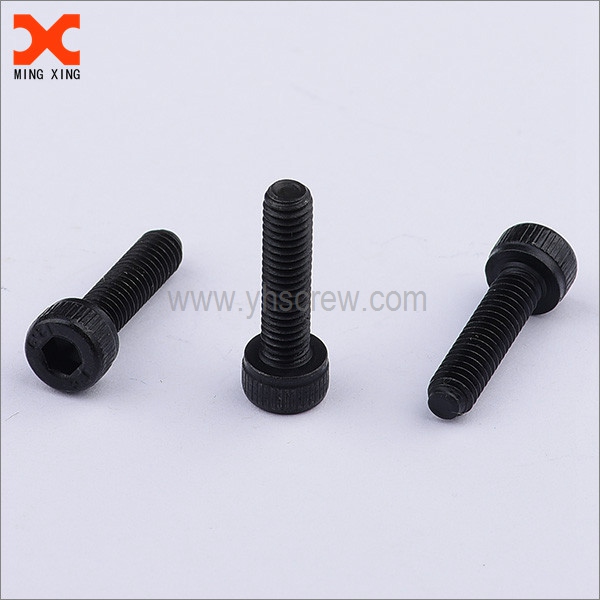
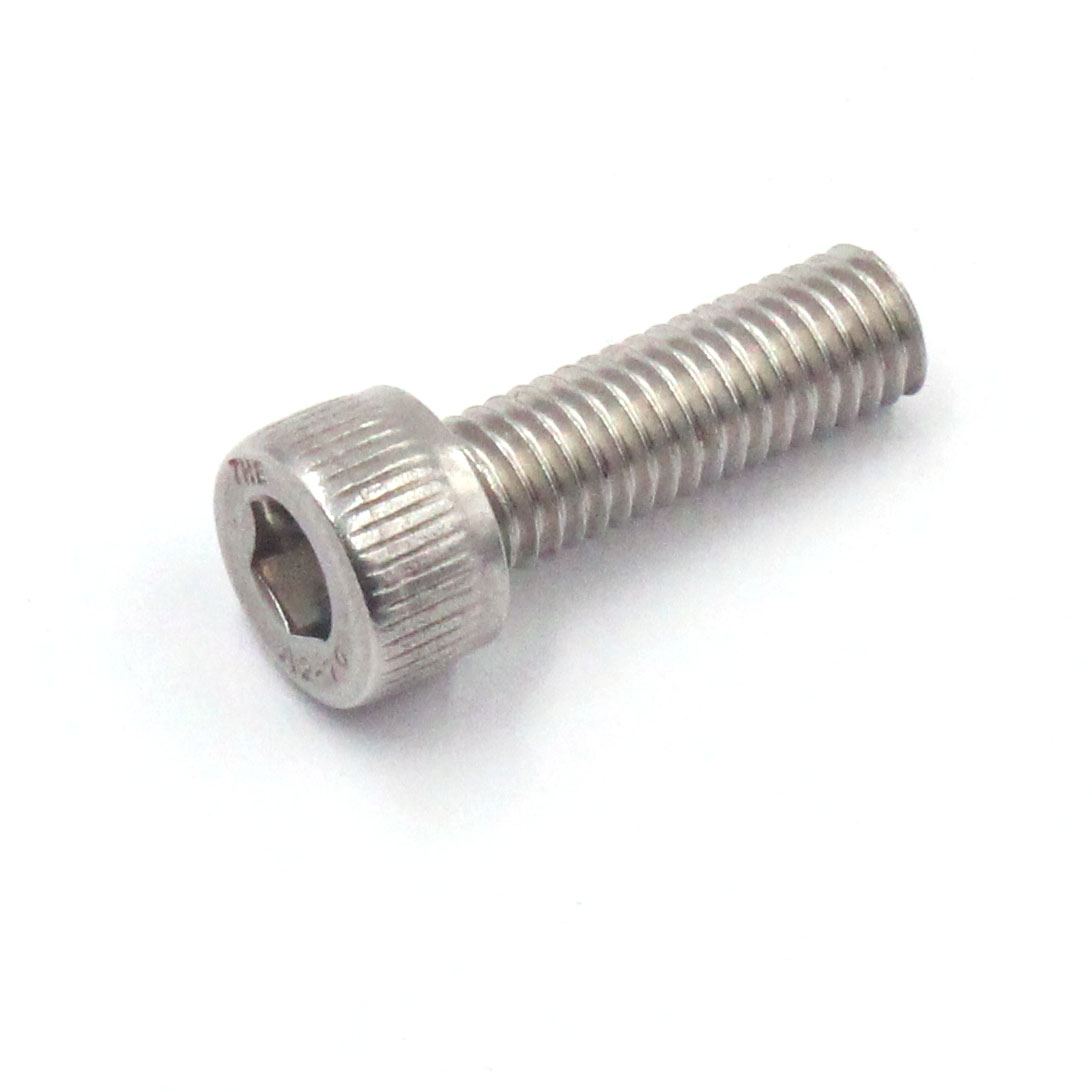
High-Quality Hexagon Socket Head Cap Screw - Trusted Supplier

I’m proud to offer a Hexagon Socket Head Cap Screw that meets even the most demanding assembly needs. As a reliable supplier, I know quality matters, so this fastener is made from high-grade alloy steel, heat-treated, and finished to resist corrosion. It features a precision hex drive for smooth installation and reliable torque transfer. The surface finish and tight tolerances reduce assembly time and prevent stripping in tough environments. I provide High-Quality options, competitive pricing, and flexible MOQs with short lead times for bulk orders. You’ll appreciate the consistent thread engagement and dependable performance across applications—from machinery to automotive assemblies. My aim is to be your long-term supplier for fasteners, with full documentation and traceability for compliance. If you’re sourcing Hexagon Socket Head Cap Screws, I can tailor length, pitch, and coating to fit your spec. Tell me your demand and I’ll respond promptly.

Hot Selling Product

Hexagon Socket Head Cap Screw Is The Best Now Trending

Hexagon socket head cap screws have emerged as a top choice for engineers seeking compact strength and precise alignment. Available in alloy steel and stainless steel with reliable heat treatment and tight tolerances, these fasteners deliver dependable performance in precision machinery, automotive assemblies, electronics housings, and robotics. Their low-profile head and recessed hex drive enable flush mounting and protection from debris, while supporting efficient automated assembly. Standardization across ISO metric threads and DIN practices improves interchangeability, reducing sourcing complexity in global supply chains. Global buyers should verify material data, finishes, and compliance credentials when selecting suppliers. Consider stainless or alloy steel grades, common surface treatments (zinc plating, black oxide, passivation), and corrosion resistance for the environment, plus hardness and seating tolerances. Seek traceability, batch testing, and RoHS/REACH compliance. Plan for lead times, packaging units, and cross-border logistics. A supplier offering guidance on torque, thread class, and installation reliability helps sustain quality from prototyping to production while supporting sustainable sourcing.

{ Hexagon Socket Head Cap Screw Is The Best Now Trending }

Size Material Grade Finish Pitch (mm) Length (mm) Head Ø (D) mm Head Height (mm) Allen Size (mm) Tensile Strength (MPa)
M4 x 8 A2-70 Stainless Steel A2-70 Passivated 0.70 8 7.0 3.0 2.5 ≈700
M5 x 10 A2-70 Stainless Steel A2-70 Passivated 0.80 10 8.0 3.7 3.0 ≈600
M6 x 12 Alloy Steel 8.8 Zinc Plated 1.00 12 10.0 4.0 4.0 ≈800
M6 x 20 Stainless Steel A4-70 Passivated 1.00 20 10.0 4.3 4.0 ≈850
M8 x 25 Alloy Steel 8.8 Zinc Plated 1.25 25 13.0 5.0 5.0 ≈800
M10 x 40 Alloy Steel 10.9 Zinc Plated 1.5 40 17.0 6.0 6.0 ≈1000
M12 x 50 Alloy Steel 12.9 Zinc Plated 1.75 50 19.0 7.0 8.0 ≈1220

Related Products

banner (2)

Hexagon Socket Head Cap Screw Sets the Industry Standard Where Service Meets Innovation

数据维度标题:生命周期可靠性与创新指数

New Title: Lifecycle Reliability and Innovation Index Across Hexagon Socket Head Cap Screws

Understanding how service expectations meet engineering progress for hexagon socket head cap screws requires analyzing how reliability metrics evolve with time and how manufacturing innovations influence outcomes. The chart presents two related dimensions: Torque Stability Score and Durability Index, both scaled 0–100, across a ten-year window (2016–2025). Torque Stability reflects the screw’s ability to maintain consistent clamping force under dynamic loads and temperature cycles, capturing head geometry, thread engagement quality, and repeatable torque-to-preload behavior. Durability Index measures resistance to wear, galling, corrosion, and fatigue during service life, influenced by material grade, surface treatment, lubrication compatibility, and coating adhesion. Together, these metrics show how design, materials, and process improvements translate into real-world performance. The upward trend in both lines indicates that innovations in manufacturing precision, quality control, and testing regimes have yielded better predictability and longer service life across applications. The narrowing gap between the two metrics over time suggests harmonization of surface engineering with mechanical design, as coatings, lubricants, and tribological strategies reduce variability in performance under field conditions. The data hints that early and mid-career adoption of analytics—statistical process control, validated simulations, and accelerated life testing—correlates with stronger post-market reliability. It also highlights the value of cross-functional teamwork among design, material science, and production engineering to close performance gaps. For customers, the result is a more uniform fastening experience, reduced maintenance intervals, and lower life-cycle costs, even in demanding environments. This visualization reinforces the principle that service metrics are not static targets but dynamic capabilities that improve through continuous measurement and feedback. By coupling data-driven insights with iterative innovation, manufacturers can raise the industry standard while expanding applicability to new contexts. In sum, reliability and innovation advance together when data guides decisions, enabling consistent performance across diverse use cases.

Top Selling Products