

With the continuous upgrading of precision manufacturing and structural assembly, fasteners not only need to meet the basic connection function, but also need to consider positioning accuracy, force distribution, and assembly stability. Stepping screws, as functional fasteners with segmented structures, are gradually becoming an important choice in mechanical structures and precision assembly.
Segmented Structural Design to Achieve Precise Positioning and Guidance Functions
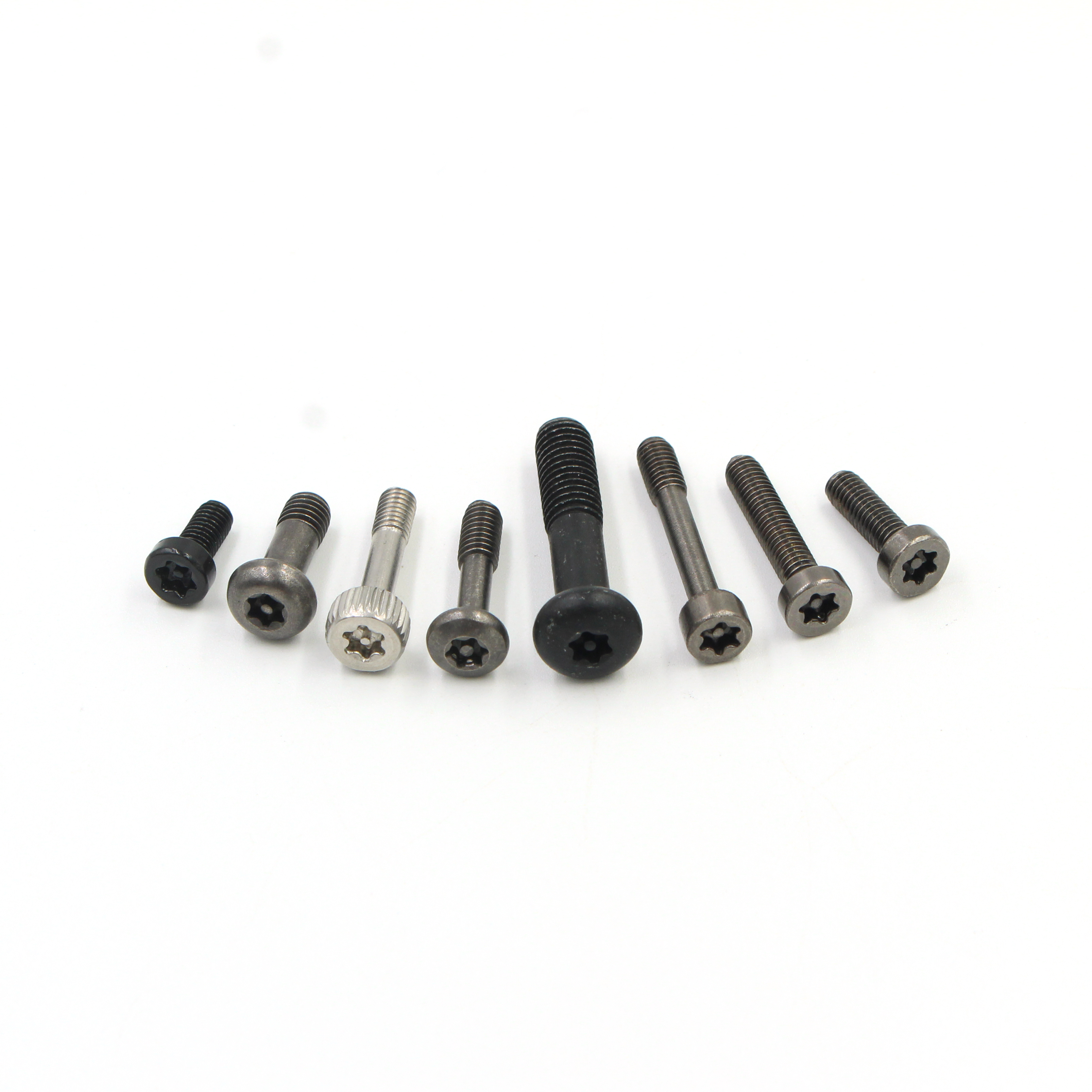
The core feature of Stepping Screw is its “step” structure, which consists of shaft segments of different diameters. Larger light rod segments can serve as positioning axes or guiding parts, helping components achieve precise alignment during assembly while reducing assembly errors. This structure is particularly critical in applications that require motion coordination or precise gap control.
Reduce Shear Stress and Improve Connection Reliability
Compared with full tooth screws, Stepping Screw concentrates the force on the bare rod part, effectively reducing the shear stress of the threaded section, thereby improving the overall connection strength and stability. In this scenario of bearing dynamic loads or repeated movements, the structure of Stepping Screw can extend the service life and reduce the risk of failure.
Diverse Structures and Materials, Suitable for Different Application Needs
The Stepping Screw can be made of materials such as carbon steel, stainless steel, or alloy steel according to different usage environments, and combined with heat treatment processes to enhance its strength grade; At the same time, it can be combined with surface treatments such as galvanizing, nickel plating, and black oxidation to improve corrosion resistance and environmental adaptability. The head shape and driving mode of Stepping Screw (such as hexagonal, plum blossom groove, cross groove, etc.) can also be flexibly designed according to assembly space and tool requirements.
Widely Used in Precision Assembly and Motion Structures
Stepping screws are commonly used in fields such as automation equipment, mechanical transmission structures, electronic equipment components, and automotive parts. Especially in structures that require rotation, sliding, or limiting functions, the shoulder of the stepping screw can serve as a support or rotation reference, combining the advantages of connection and functional integration.
Assist in Upgrading Customized Fastening Solutions
With the increasing demand for non-standard structures, the design of Stepping Screw has become more diversified. By finely controlling the step size, length ratio, thread specifications, and tolerance range, it can better match the structural design requirements of different products, improve overall assembly efficiency and consistency.
Under the continuous development trend of precision manufacturing and high-performance applications, Stepping Screw is gradually evolving from a traditional fastener to an important component that combines structural functionality and assembly value.
Our Precision Fastener Manufacturing & Customization Capabilities
As a company specializing in precision fastener manufacturing and customization, we can provide multi specification and multi structure step screw solutions based on customer drawings, samples, and specific application scenarios. We rely on mature production processes, strict quality control systems, and rich experience in non-standard customization to help customers achieve more accurate structural positioning and stable connection performance, providing reliable fastening support for automation equipment, consumer electronics, and various industrial applications.
Post time: Apr-26-2026





