banner (1)

Custom Thread Forming Screw Carbon Steel for Factories

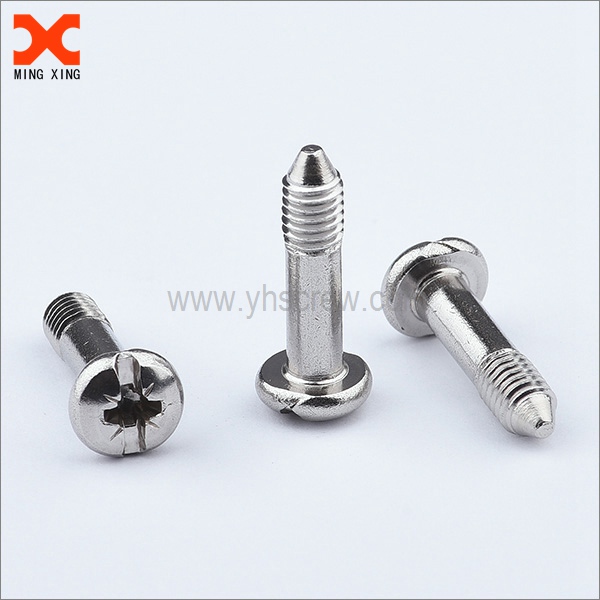
I supply thread forming screw carbon steel that your production lines in Factories can rely on. For Custom projects, I offer tailored options—lengths, diameters, head styles, and finishes—to match your equipment and assembly line needs. This screw forms threads in place, reducing assembly time and avoiding pre-tapped holes, ideal for high-volume production. Made from top-grade carbon steel, it delivers strong shear resistance and solid withdrawal performance across a range of materials. I ship in consistent quantities and maintain tight tolerances so you can stack up on inventory without surprises. If you want faster procurement and a dependable partner, I’m ready to discuss batch sizes, packaging, and compliance. My goal is to support your Custom requirements and streamline sourcing for Factories that run lean, efficient operations.

Hot Selling Product

thread forming screw carbon steel Trusted by Pros Service Backed by Expertise

Thread forming screws in carbon steel provide strong, cost-effective fasteners for electronics, automotive, and machinery. They form their own threads by plastic deformation, delivering high torque capacity and smoother finishes than conventional tapping. Carbon steel offers core strength, while coatings such as zinc or black oxide boost corrosion resistance. With various head styles and drive types, they suit automated assembly and high-volume production worldwide. Global buyers benefit from service backed by expertise: technical guidance on material, coating, and installation; strict quality control and traceability; scalable production and reliable lead times; and flexible packaging and logistics across regions. A partner with proven manufacturing capability and responsive support helps optimize procurement, ensure consistent quality, and keep projects on schedule in diverse markets.

{ thread forming screw carbon steel Trusted by Pros Service Backed by Expertise}

Size Length (mm) Material Thread Type Coating Head Type Tensile Strength (MPa) Yield Strength (MPa) Torque Range (Nm) Typical Applications
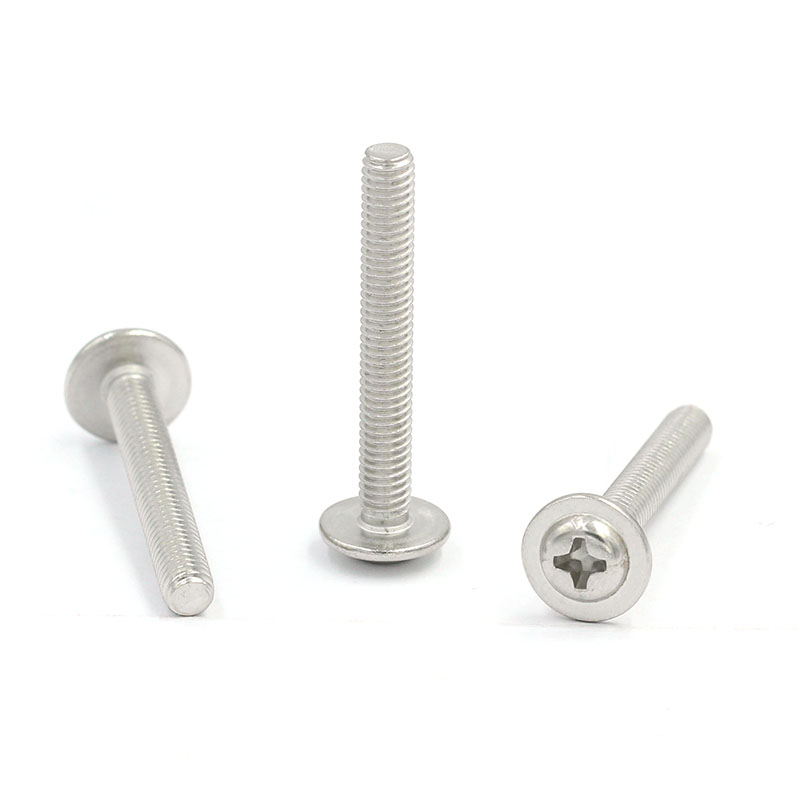
M4 x 12 12 1018 Carbon Steel Thread Forming Zinc Plated Pan Head 410 270 0.6 - 1.1 Light wood-to-wood, light metal connections
M4 x 16 16 1018 Carbon Steel Thread Forming Zinc Plated Pan Head 420 275 0.8 - 1.3 Wood-to-wood, light metal assemblies
M5 x 12 12 1045 Carbon Steel Thread Forming Black Oxide Pan Head 570 350 1.0 - 1.8 Steel-to-metal, automotive assemblies
M5 x 20 20 1045 Carbon Steel Thread Forming Zinc Plated Pan Head 580 360 1.4 - 2.2 Heavy-duty metal-to-metal
M6 x 16 16 1020 Carbon Steel Thread Forming Zinc Pan Head 480 320 2.0 - 3.0 Wood-to-metal, wood fastenings
M6 x 20 20 1020 Carbon Steel Thread Forming Hot-dip Galvanized Pan Head 500 330 2.3 - 3.6 Outdoor metal assemblies
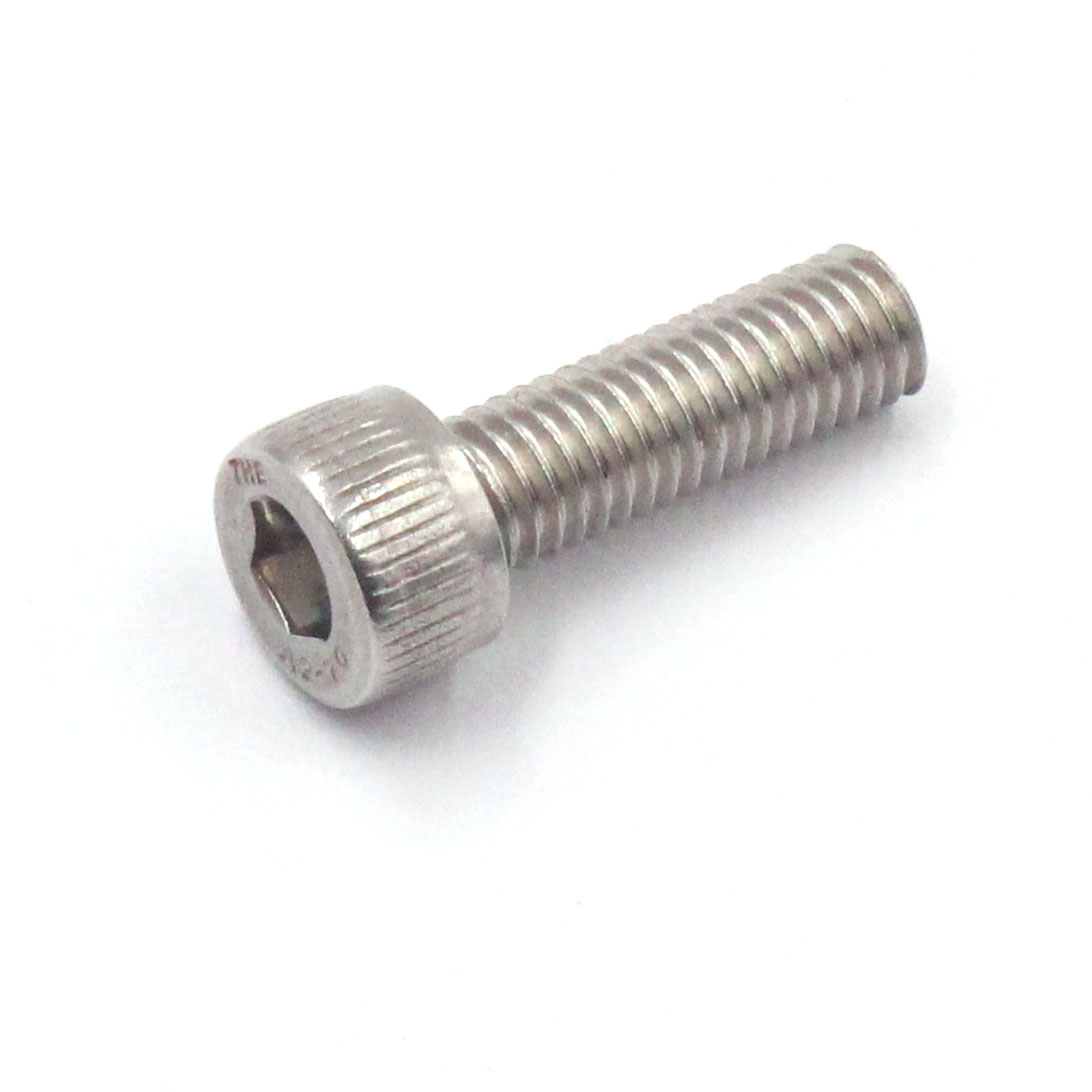
M8 x 25 25 1035 Carbon Steel Thread Forming Zinc Plated Hex Socket Head Cap 610 380 3.5 - 5.5 High-strength metal-to-metal
M8 x 30 30 1045 Carbon Steel Thread Forming Zinc Plated Hex Socket Head Cap 630 395 4.0 - 6.0 Automotive/Industrial mounting

Related Products

banner (4)

thread forming screw carbon steel Ahead of the Curve Delivers Unmatched Quality

月度产线产出与效率趋势

Monthly Throughput Trend (Units per Day)

Explanation

This chart shows monthly throughput on a production line, defined as units produced per day, across January to December. By plotting the best estimate of daily output within each month, this visualization provides a data-driven view of process performance, capacity utilization, and the effect of optimization efforts over time. The trend line suggests an overall improvement from the start of the year to the end, with a few deliberate fluctuations that reflect maintenance windows and scheduling decisions. The progressive rise from January (approximately 120 units/day) to December (around 230 units/day) indicates that multiple changes likely contributed to higher throughput: better line balancing, reduced changeover times, and more effective preventive maintenance. The mid-year dip around May and June aligns with a planned maintenance cycle and a temporary supply interruption; these factors are common in manufacturing environments and typically recover once interventions are completed. The data show a few pockets of variability, but the overall slope remains positive, implying sustained improvements rather than sporadic spikes. If the objective is to sustain or accelerate growth, teams should focus on bottlenecks that cause variability, monitor uptime and changeover durations, and evaluate the relationship between throughput and quality. Tracking additional metrics like defect rate, yield, and downtime alongside throughput would enable a more comprehensive view of tradeoffs and help ensure that gains in output do not come at the expense of quality. The chart represents a single line with synthetic data; for robust decision-making, apply this method to real production logs, expand to multiple lines, and incorporate external factors such as demand and maintenance schedules to support continuous improvement planning.

Top Selling Products