banner (1)

Slot Countersunk Head Screw for OEM and Suppliers | Quality Fasteners

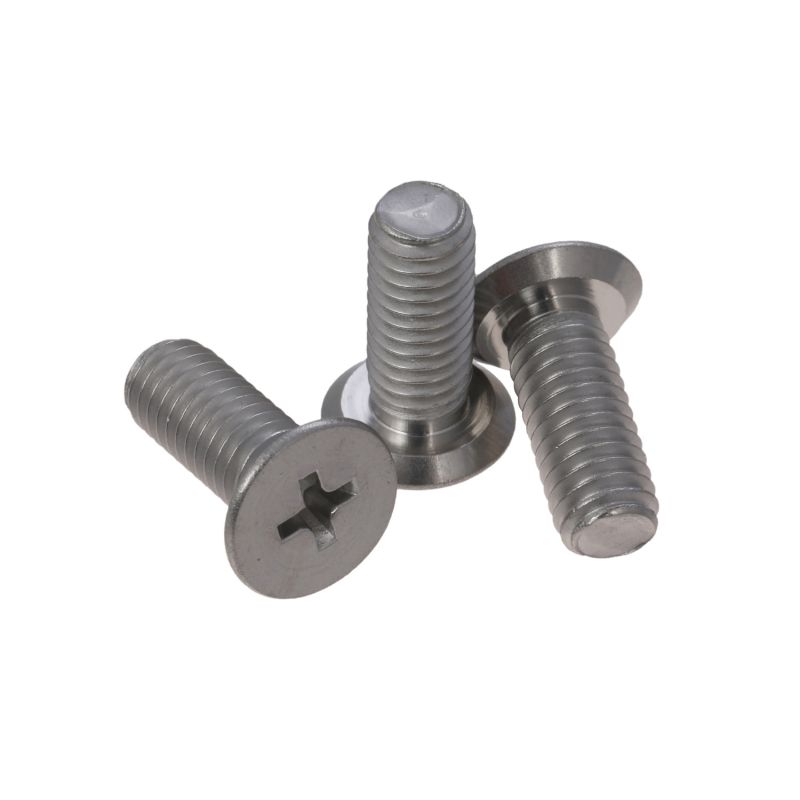
I've spent years supplying engineers with dependable fasteners for demanding OEM projects. When you need a Slot Countersunk Head Screw that balances strength, clean appearance, and easy assembly, I’m here to help. Our standard and customized options fit a wide range of materials and tolerances, from stainless steel to carbon steel, with zinc plating or black oxide finishes. I focus on precise countersinking angles, flat-head seating, and compatible thread pitches so your rivet or machine assembly stays flush and vibration-free. For OEM collaborations and trusted Suppliers, I offer flexible lot sizes, rapid lead times, and quality documentation for control. You’ll appreciate the consistent batch-to-batch performance and competitive pricing, even on large-volume orders. If you’re evaluating suppliers, let me show you a thoroughly tested selection with dimensional tolerances, coating options, and tailored packaging that minimize assembly downtime.

Hot Selling Product

Slot Countersunk Head Screw Manufacturer Products

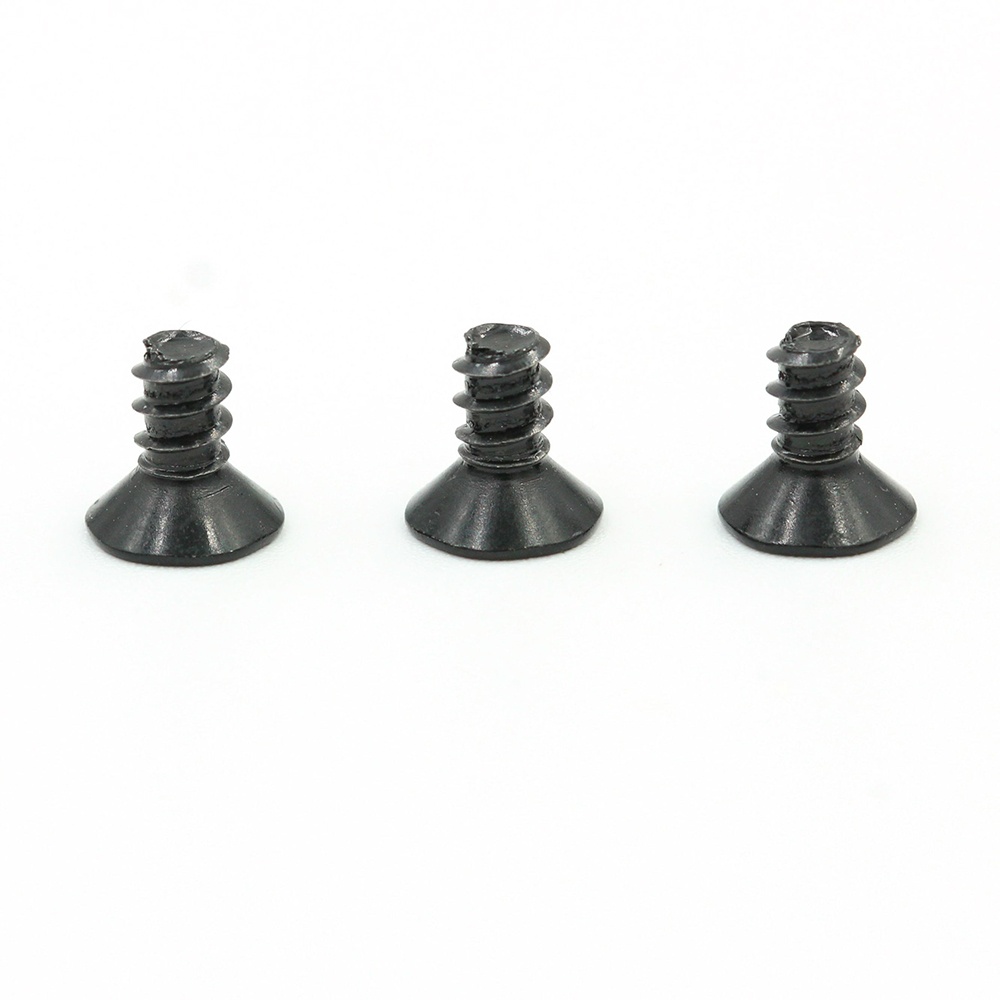
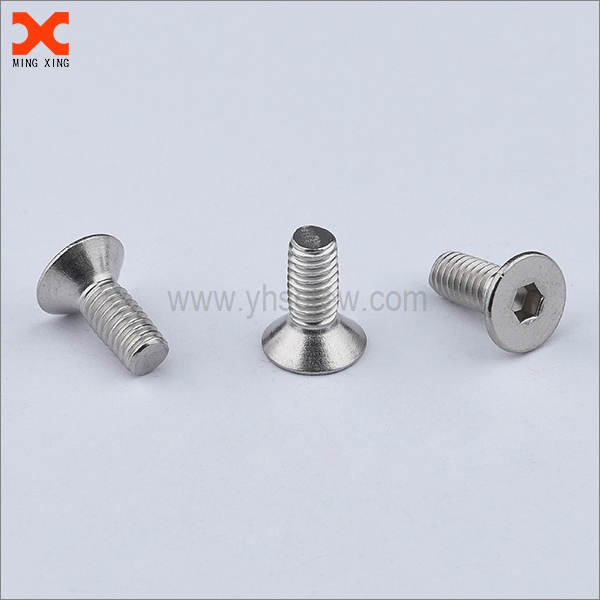
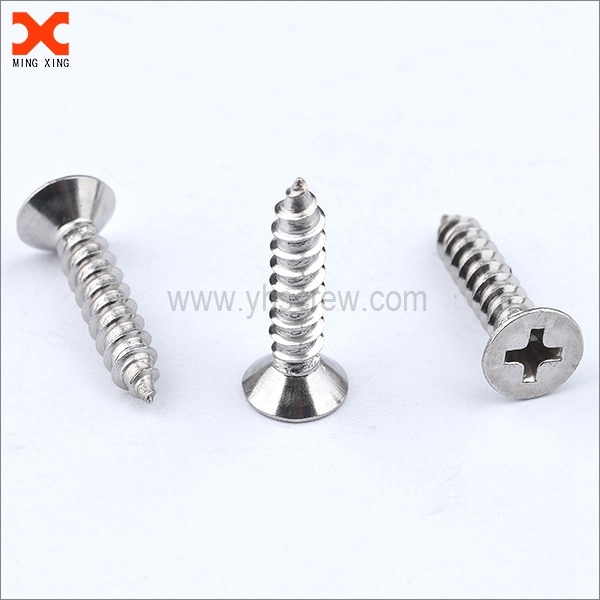
Slotted countersunk head screws sit flush and provide reliable clamping. Ideal for electronics enclosures, cabinetry, appliances, and light metal assemblies, they pair a low-profile head with a straight drive for easy installation. Available in stainless steel, carbon steel, and high-strength alloys, they come in a range of diameters and lengths with optional threading. Manufacturing emphasizes tight tolerances for consistent seating and finish. Finishing options include zinc plating, black oxide, nickel, and passivation to resist corrosion. Customization is available: drive variations, head height, tapping, and bulk packaging for automated lines. Compliance with DIN, ISO, RoHS, and REACH is maintained. Global buyers value a reliable supply chain, scalable production, and clear lead times. This screw family supports rapid prototyping and mass production, reducing assembly steps and warranty risk. Whether standard or tailored specifications are needed, it delivers steady performance under tight tolerances and demanding conditions.

{ Slot Countersunk Head Screw Manufacturer Products}

Product Code Material Finish Length (mm) Thread Size Head Diameter (mm) Drive Type Coating Tensile Strength (MPa) Standard Applications Temp Range (C) Certification
SC-SCN-ISO-6x20 Alloy Steel Black Oxide 20 M6-1.0 12 Slotted Black Oxide 700 DIN 7991 General Machinery Assembly -55 to 250 RoHS, REACH
SC-SS-A4-8x30 Stainless Steel (A4) Satin 30 M8-1.25 13 Phillips Passivation 520 ISO 10642 Machinery and Equipment -60 to 260 RoHS, REACH
SC-BR-4x16 Brass Zinc Plated 16 M4-0.7 9 Slotted Zinc 330 DIN 7982 Electronics Assemblies -20 to 120 RoHS
SC-TI-6x25 Titanium Alloy (Grade 5) Anodized 25 M6-1.0 15 Torx Anodized 970 ISO 3506 Aerospace Assembly -60 to 350 RoHS, REACH, AS9100
SC-SS-8x18 Stainless Steel 316 Blackened 18 M8-1.25 14 Allen Black Oxide 820 DIN 7991 Automotive Trim -40 to 180 RoHS, REACH
SC-AL-10x40 Alloy Steel Zinc Plated 40 M10-1.5 16 Phillips Zinc Plated 650 ISO 898-1 Heavy Machinery -60 to 220 RoHS, REACH
SC-SS-5x12 Stainless Steel 316 Passivated 12 M5-0.8 10 Slotted Passivation 420 ISO 898-1 Electronics Enclosures -20 to 130 RoHS, REACH

Related Products

banner (2)

Slot Countersunk Head Screw Sets the Industry Standard Custom Solutions,

Data-Driven Benchmark: Production Cycle Length vs. Defect Rate in Custom Screw Standardization

Data Dimension: Production Cycle Length vs. Defect Rate

This chart presents a year-long view of two data dimensions tied to standardization initiatives for custom counter-sunk head screw sets. The left y-axis represents Production Cycle Length in days, while the right y-axis shows Defect Rate as a percentage. Each month displays the corresponding values, illustrating how process optimization and standardization efforts can drive improvements in both cycle efficiency and quality. The cycle length decreases progressively from roughly 6.2 days at the start of the year to about 2.8 days by year end, suggesting accelerated setup times, streamlined workflows, and better tooling alignment. Simultaneously, the defect rate declines from around 2.8% to approximately 0.6%, indicating enhanced process stability, tighter tolerances, and more consistent assembly practices when adopting standardized custom screw solutions. The inverse relationship (shorter cycles accompanying lower defects) aligns with common industry expectations that standardized components reduce variability and rework, while enabling quicker throughput. This snapshot also highlights the importance of monitoring multiple related metrics on dual axes to avoid conflating speed with quality. The data used here is synthetic for demonstration; a real implementation would benefit from more granular measurements (daily or line-level data), inclusion of confidence intervals, and correlation analysis to quantify the strength of the relationship between cycle time and defect rate. For practitioners, expanding the scope to include throughput, overall equipment effectiveness, and cost per unit would provide a more comprehensive view of how standardization moves performance toward the industry benchmark.

Top Selling Products