banner (1)

Cap Screw for OEMs & Suppliers - Durable Cap Screws

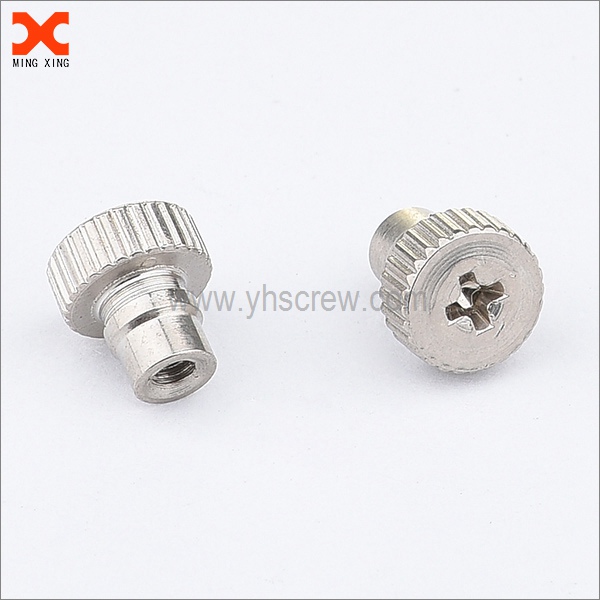
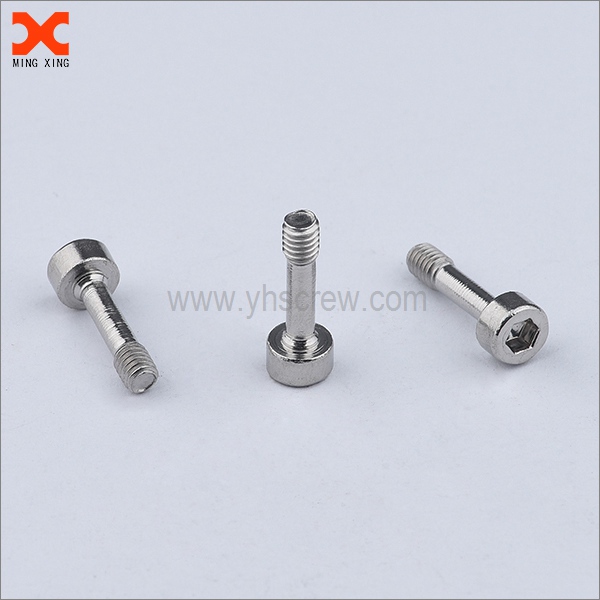
From my experience in OEM sourcing, I bring a Cap Screw that meets the demanding needs of machine builders and metal fabricators. As someone who works directly with Suppliers, I understand tight tolerances, batch consistency and on-time deliveries matter. This Cap Screw features high-strength alloy steel, heat-treated for hardness, and a corrosion-resistant finish. It uses standard metric/in imperial sizes, hex drive for easy installation, and threaded length options to fit your assembly. I offer competitive pricing for bulk orders, flexible packaging, and documentation like material certificates and QC test reports to satisfy OEM specs. You can rely on me for fast quotes, lead times, and proven performance in automotive, construction, and equipment manufacturing. If you're scouting for a dependable partner among Suppliers, I can tailor the cap screw solution to your torque, preload, and corrosion resistance needs. Let's talk about your application and volume so we can optimize everything.

Hot Selling Product

Cap Screw Dominates For the Current Year

Cap screws dominated fastener procurement this year, driven by versatility and standardized dimensions. Hex head, socket cap, and button head variants serve electronics, machinery, automotive, and construction. Materials include stainless steel 304/316, alloy steel 4140, and titanium for high strength; finishes range from zinc plating and zinc-nickel to black oxide and passivation. Following ISO metric, DIN, and ANSI standards ensures interchangeability and reliable torque. Buyers increasingly demand traceability, material test reports, and RoHS/REACH compliance. For global buyers, select ISO 9001 or IATF 16949-certified suppliers and request conformity certificates, material test reports, and RoHS/REACH compliance. Ensure secure packaging, corrosion protection, and precise labeling. Agree on lead times, MOQs, and shipping terms; diversify sources to mitigate risk. Implement incoming inspection, dimensional checks, and sampling plans. Offer coatings, heat treatment, custom lengths, and rapid prototyping to add value. Steady demand across electronics, automotive, and machinery makes a reliable partner with QA and agile logistics a strategic asset.

{ Cap Screw Dominates For the Current Year}

Category Diameter (mm) Thread Type Material Tensile Strength (MPa) Standard Typical Applications Annual Production (Millions) Market Share (%)
Cap Screw M4 4 Coarse (6g) Alloy Steel 800 ISO 4762 / DIN 912 General machine assembly 120 7
Cap Screw M5 5 Coarse (6g) Alloy Steel 800 ISO 4762 / DIN 912 Electronics enclosures 140 7
Cap Screw M6 6 Coarse (6g) Alloy Steel 800 ISO 4762 / DIN 912 Automotive brackets 210 18
Cap Screw M8 8 Coarse (6g) Alloy Steel 800 ISO 4762 / DIN 912 Machinery frames 260 23
Cap Screw M10 10 Coarse (6g) Alloy Steel 800 ISO 4762 / DIN 912 Automotive chassis 240 22
Cap Screw M12 12 Coarse (6g) Alloy Steel 800 ISO 4762 / DIN 912 Industrial equipment 180 13
Cap Screw M16 16 Coarse (6g) Alloy Steel (Grade 8.8) 800 ISO 4762 / DIN 912 Heavy machinery 120 6
Cap Screw M20 20 Coarse (6g) Alloy Steel 800 DIN 912 / ISO 4762 Bridge equipment 60 4

Related Products

banner (2)

Cap Screw Supplier Application

Data Dimension: Cap Screw Size Category Demand

Data context: This visualization illustrates the distribution of cap screw demand by size category within a defined period, as part of a supplier application workflow. The dimension Cap Screw Size Category Demand combines inbound inquiries, quote requests, and confirmed orders into seven common metric sizes (M3, M4, M5, M6, M8, M10, M12). The bars reflect demand intensity in units or weighted points, enabling a quick size-side comparison for procurement planning and inventory strategy. The chart uses synthetic data for demonstration, intended to showcase how a data-driven dashboard can support decision making in procurement and product development teams. Observations: The M6 category is the highest, followed by M4 and M8, indicating core demand from general machinery repairs and equipment manufacturing. M3 and M5 show moderate activity, suggesting frequent usage in small components and assembly hardware. The larger M10 and M12 entries remain lower but non-trivial, aligning with niche applications in automation, heavy equipment, and construction where longer lead times or bulk packs are typical. The pattern points to a distribution where mid-range sizes dominate stable demand while the smallest sizes address quick-turn repairs and the largest sizes support specialized builds. The visualization scale is calibrated to fit within a 3:1 aspect ratio for consistent display across devices. It is important to note that the data is illustrative; real-world interpretation should consult time-series data, price trends, and regional demand variations. Limitations include the absence of batch-level variability, grade/spec differences (e.g., stainless vs carbon steel), thread pitch variants, and packaging differences that affect apparent demand. Future enhancements could include adding industry tags, seasonality indicators, and a dynamic filter by industry or region. This dataset dimension supports strategic actions such as adjusting safety stock, negotiating supplier contracts for high-demand sizes, and informing product catalog expansion decisions. By comparing size-category demand, teams can prioritize sourcing, pricing, and marketing efforts to optimize inventory turnover and customer fulfillment. Combined with lead-time data, this dimension becomes a powerful tool for planning and risk management.

Top Selling Products