

Allen Keys Wholesale from Manufacturers
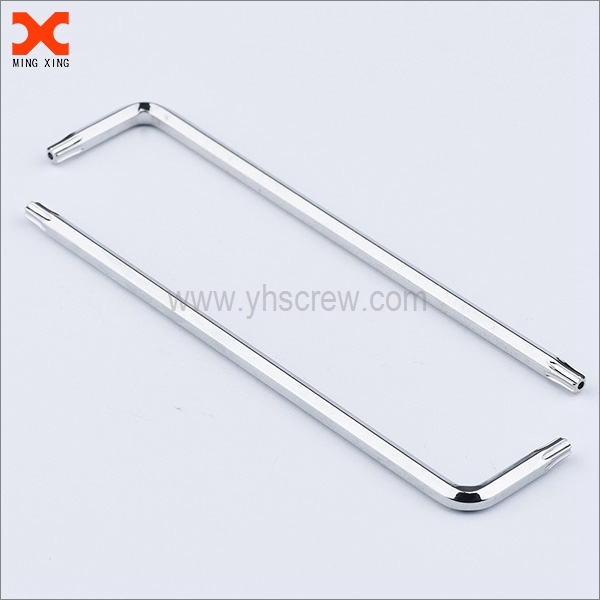
From my workshop to yours, I offer a line of Allen Keys built for heavy daily use in demanding environments. As a supplier focused on Wholesale and to Manufacturers, I understand what you need: accuracy, durability, and fast ROI. Our Allen Keys are precision-ground, heat-treated chrome vanadium steel, satin or black oxide finish, with ball-end and hex options, sizes from 1.5 to 10 mm, or imperial equivalents. I deliver in bulk with consistent tolerances to support automated assembly lines, tool rails, and repair shops. You’ll notice reduced rounding off corners and longer tool life, thanks to fine corners and reinforced handles. Service wise, I offer flexible MOQs, fast lead times, and customizable packaging for your brand. If you're stocking up for a busy season or updating factory kits, these Allen Keys meet your bulk needs at competitive Wholesale pricing. Let me help you keep downtime low and productivity high.
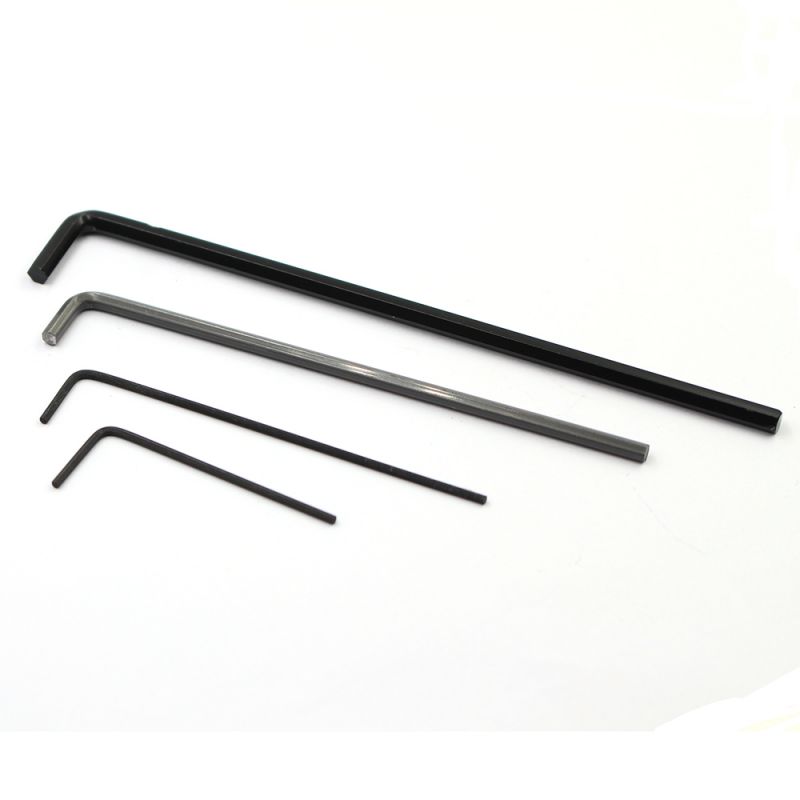
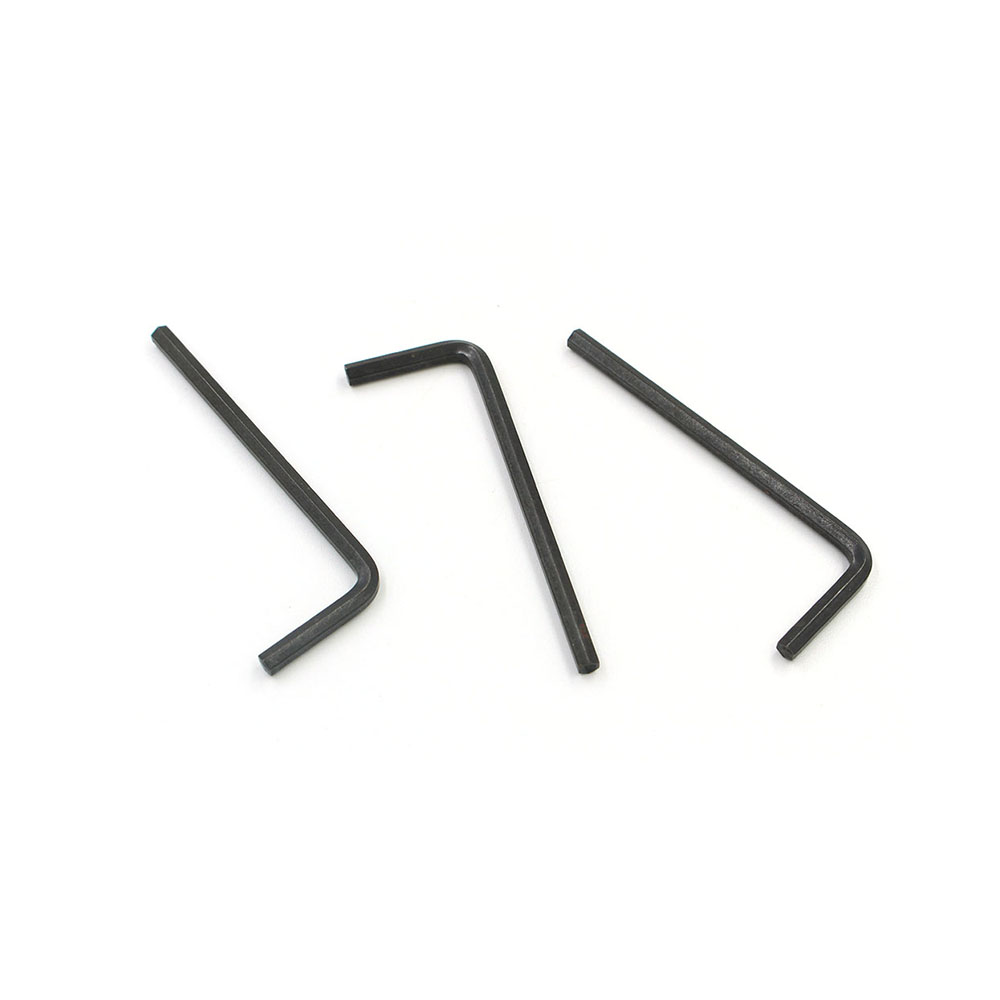


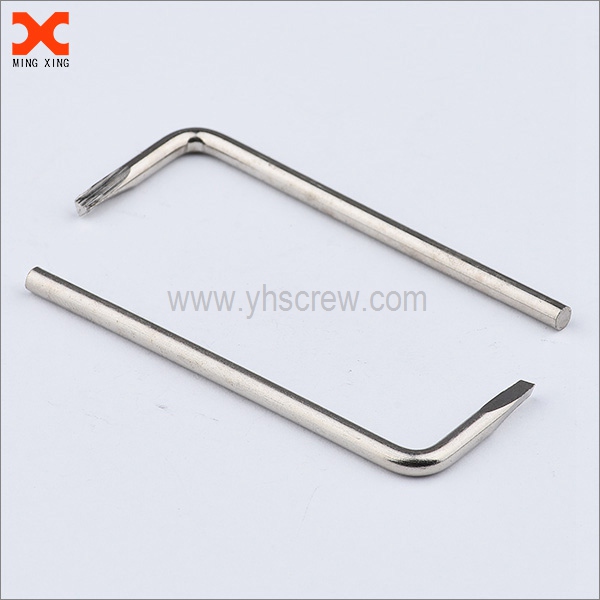
Allen Keys Factory Custom Solutions,
Global buyers seeking reliable, cost-efficient precision tools will value an Allen keys factory that offers custom solutions. Production lines can tailor hex keys and sets to exact specs—from metric and inch sizes to straight, ball-end, or magnetic-head variants. Material options include high-strength alloy steels with finishes such as black oxide, zinc, or nickel, plus tight tolerances and consistent hardness. In-house stamping, forging, heat treatment, grinding, and finishing, backed by rigorous inspection and traceable documentation, ensure quality at scale. Choosing a supplier means more than parts. It means design support, rapid prototyping, scalable volumes, and reliable lead times for global delivery. A capable partner aligns with your compliance needs (RoHS, REACH), packaging options, and efficient logistics to reduce total cost of ownership. Whether deploying standard components across regions or bespoke configurations for niche equipment, an agile Allen keys partner helps optimize performance, reduce risk, and speed time-to-value.
| Size (mm / in) | Length (mm) | Material | Finish | Hardened | Standard | Tensile Strength (MPa) | Applications |
|---|---|---|---|---|---|---|---|
| 3 mm (0.118 in) | 80 | S2 steel | Black oxide | Yes | ISO 2936 / DIN 911 | 650 | General-purpose assembly |
| 4 mm (0.157 in) | 100 | S2 steel | Black oxide | Yes | ISO 2936 / DIN 911 | 650 | Mechanical assembly |
| 5 mm (0.197 in) | 110 | S2 steel | Satin | Yes | DIN 911 | 650 | Machinery maintenance |
| 1/16 in (1.5 mm) | 90 | Alloy steel | Black oxide | Yes | ANSI B 18.2.2 | 700 | Small fastener assembly |
| 1/4 in (6 mm) | 120 | S2 steel | Black oxide | Yes | ANSI B 18.2.2 | 650 | Heavy equipment assembly |
| 6 mm (0.236 in) | 125 | S2 steel | Nitride | Yes | ISO 2936 / DIN 911 | 700 | Industrial machinery |
| 8 mm (0.315 in) | 150 | S2 steel | Satin | Yes | DIN 911 | 700 | Long-reach assembly |
Related Products




Allen Keys Application Stands Out
Top Selling Products


- Related Blog
- Reviews
- Reviews

-

Phone
-

E-mail
-

Whatsapp
-

WeChat

-

Top


