banner (1)

Self Tapping Thumb Screw - Cheap Pricelist

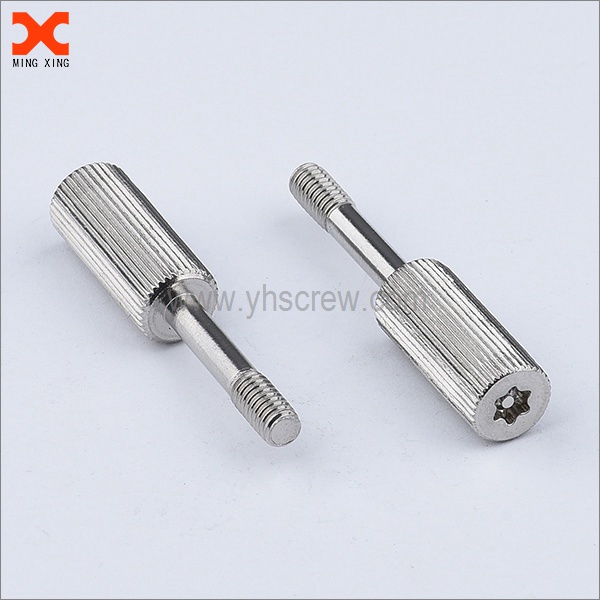
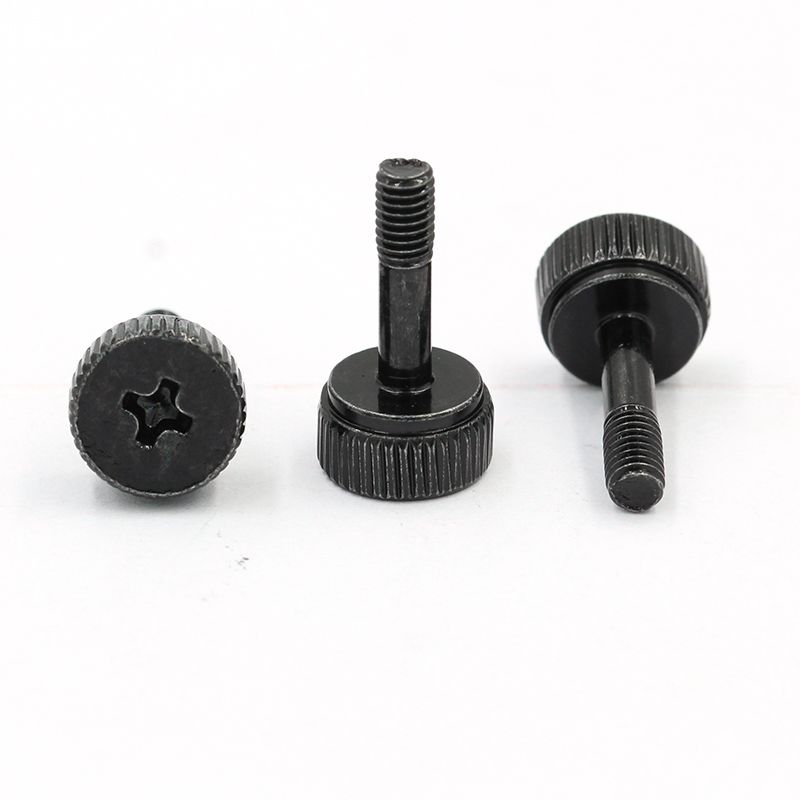
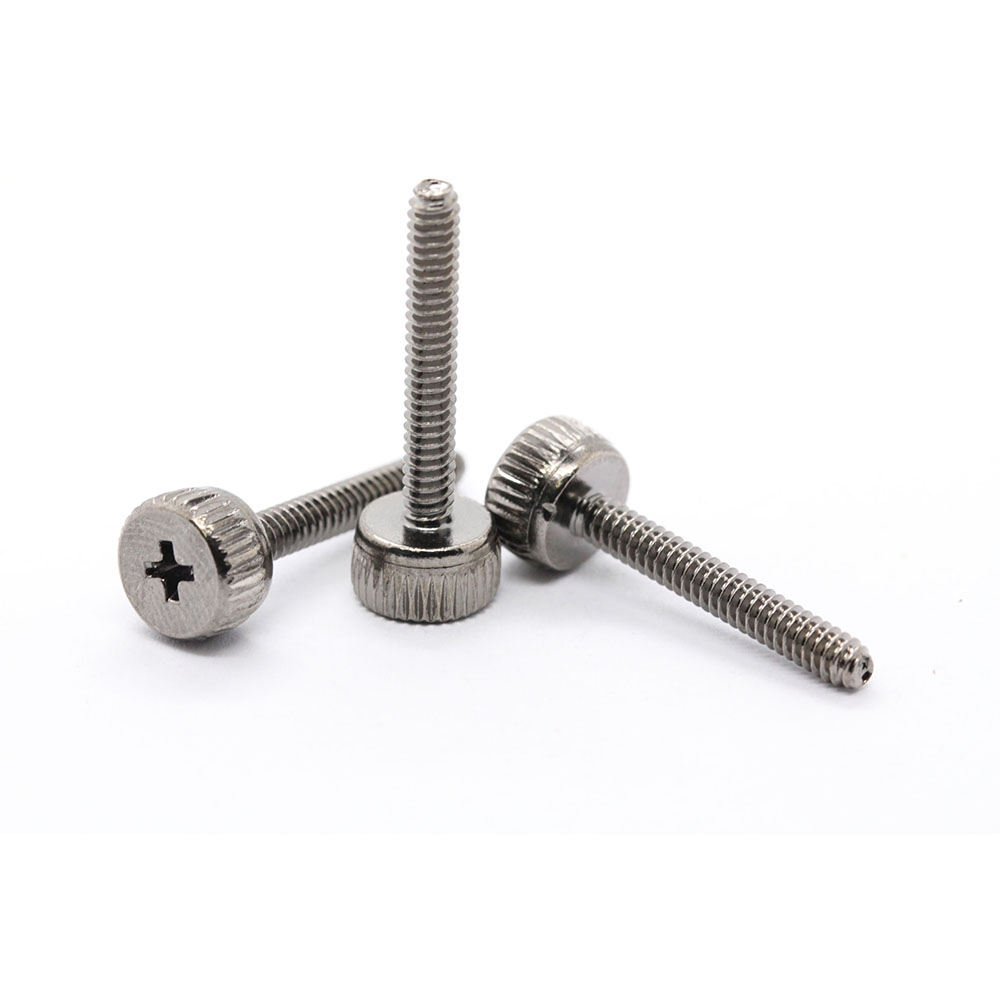
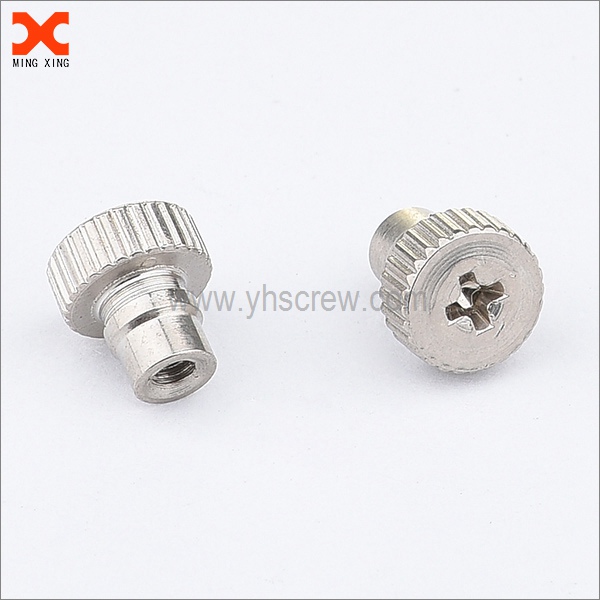
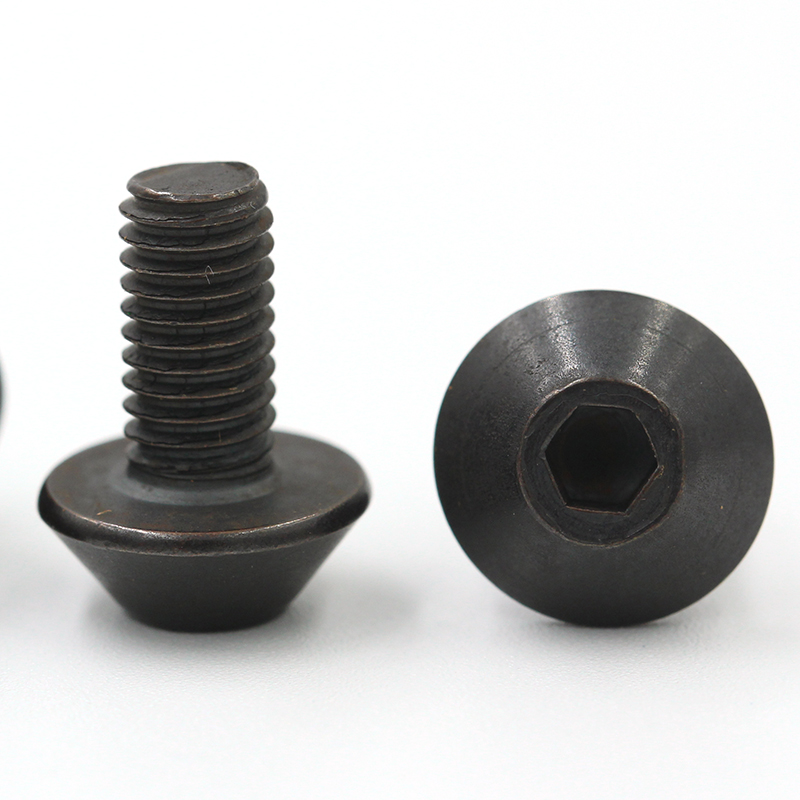
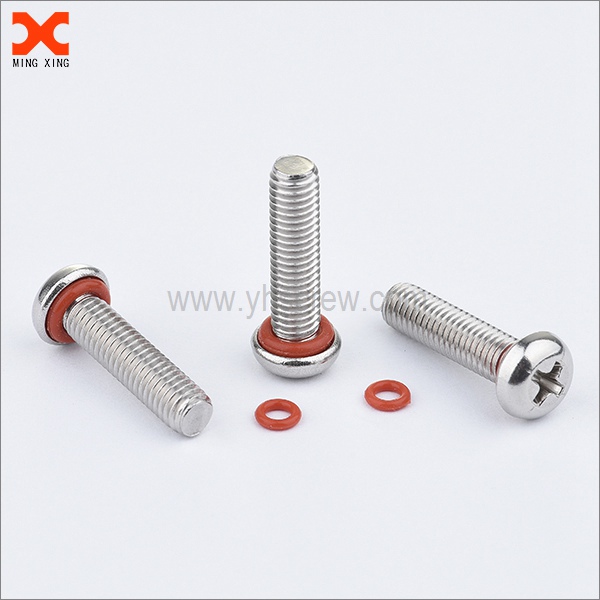
With years in the field, I stock self-tapping thumb screws that lock into place quickly, saving hours on each project. Our self-tapping thumb screws cut clean threads into thin metal or plastic panels, delivering secure clamping without tools. Available in steel with zinc plating and stainless variants, they resist corrosion and wear in furniture, enclosures and automation assemblies. I match sizes from M3 to M6 (or #4 to #10), depending on your need, and the knurled thumb head gives a firm grip for rapid hand assembly. The self-tapping action reduces pre-tapping steps, lowers assembly torque, and minimizes risk of cross-threading. For procurement teams, we offer Cheap options and a clear Pricelist to compare costs across grades and finishes. Want samples or a tailored bulk quote? I can suggest the right grade, finish, and length for your line. Let me help you reduce downtime and boost throughput.

Hot Selling Product

self tapping thumb screw Application Is The Best

Self-tapping thumb screws provide a tool-free, reliable fastening solution for electronics enclosures, panels, and lightweight assemblies. Their self-engaging threads fasten directly into plastics or soft metals without pre-tapped holes, saving design time and reducing assembly steps. For global buyers, the best options feature standard sizes, consistent drive heads, and materials such as stainless steel or nylon, offering strong torque retention, corrosion resistance, and reusability in field service. The result is faster builds, easier maintenance, and simpler replacements from prototyping to mass production. To optimize performance, match material and size to panel thickness, avoid over-tightening, and choose head style and knurling for finger torque. For outdoor or wash-down use, select corrosion-resistant finishes and consider locking features. Ensure suppliers provide consistent tolerances and clear data on hardness, finish, and tensile strength. In global procurement, a dependable source with scalable lead times and traceable quality supports predictable timelines and easy long-term maintenance across regions.

{ self tapping thumb screw Application Is The Best}

Application Area Screw Size Length (mm) Material Finish Head Style Drive Type Thread Type Thread Pitch (mm) Tensile Strength (MPa) Notes / Typical Use
Electronics Enclosures M3 6 Stainless Steel A2 (304) Zinc Plated Knurled Thumb Slotted Self-tapping, Metric 0.50 520-680 Suitable for lightweight enclosures in moderate temperature environments
DIY Furniture and Fixtures M4 8 Stainless Steel A4 (316) Passivated Knurled Thumb Phillips Self-tapping, Metric 0.70 520-720 Corrosion resistant for indoor-outdoor use; good for softwood
Automotive Interior Panels M5 10 Carbon Steel Zinc Plated Knurled Thumb Hex Self-tapping, Metric 0.80 600-750 Higher load tolerance; pilot hole recommended
Machinery and Equipment Housing M6 12 Stainless Steel 316 Dark Oxide Knurled Thumb Torx Self-tapping, Metric 1.00 700-900 Excellent corrosion resistance; ideal for exposure to moisture
Plastic Enclosures (Non-conductive) M3.5 6 Nylon 6/6 (PA66) Natural Natural Knurled Thumb Slotted Self-tapping, Plastic 0.50 80-120 Non-conductive and lightweight; suitable for plastic assemblies
Sheet Metal and Panels (General) M4 12 Stainless Steel A2 (304) Bright Zinc Knurled Thumb Hex Socket Self-tapping, Metric 0.75 520-700 Strong general-purpose option for metal-to-metal joints

Related Products

banner (3)

self tapping thumb screw Manufacturers You Can Rely On Where Service Meets Innovation

数据维度标题:不同螺纹尺寸自攻螺钉的交付时效(单位:天)

New Data Insight: Lead Time by Self-Tapping Thumb Screw Size

M3 M4 M5 M6 M8 M10 0 1 2 3 4 5 6 7 8
This chart presents a comparative view of delivery lead time by screw size in a hypothetical manufacturing scenario focused on self-tapping thumb screws. The dimension shown here reflects the time from order placement to shipment, measured in days, and is intended to illustrate how product geometry and production steps influence throughput. Smaller sizes often require less material and simpler machining, but tolerance requirements and thread finishing can create non-linear effects across sizes. In this dataset, we observe a general upward trend in lead time from M3 to M10, with some fluctuations. For instance, M6 shows a relatively high lead time due to additional finishing and coating steps, while M4 sits in the mid-range because it combines common tooling with efficient batch processing. The bar heights correspond to lead times ranging from about 4.5 to 7.2 days, normalized against a reference of eight days to facilitate quick visual comparison. Such visualization helps operations teams identify bottlenecks and plan capacity. When size-driven differences are apparent, it may indicate where standardization or modular tooling could reduce changeovers, or where stocking strategies should be adjusted to reduce wait times for larger sizes. The data also illustrates how process steps such as polishing, coating, or packaging contribute to overall lead time, beyond pure material usage. In practice, augmenting this chart with metrics like on-time delivery rate, batch size, and throughput per machine would enable more accurate forecasting and more effective supplier communication. It is important to note that this example uses synthetic values solely to demonstrate the potential of a simple bar chart for comparing categories; real systems should rely on actual order data to drive decisions. The key takeaway is that even within a narrow product family, lead times can vary meaningfully with size, and tracking these differences over time can guide continuous improvement, inventory optimization, and procurement planning. Future enhancements could include a dynamic dashboard with drill-downs by manufacturing facility, material grade, or coating type, providing deeper insight into the drivers of delay and opportunities to shave days off lead times.

Top Selling Products