

M4 Sealing Screw | China Manufacturer of High-Quality Fasteners
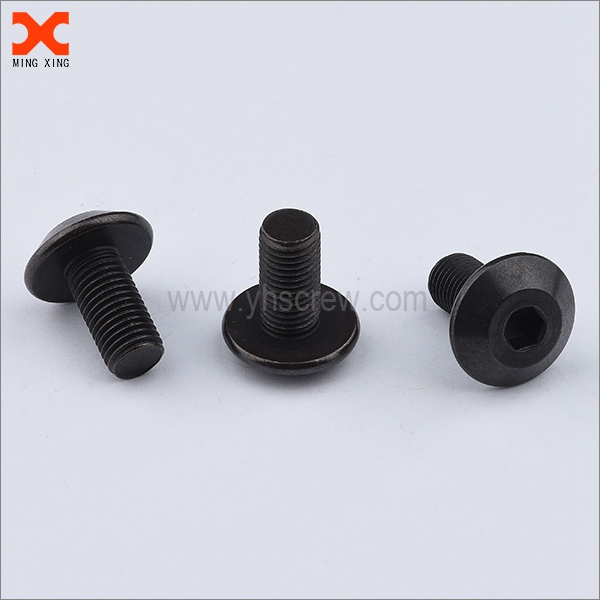
As a China Manufacturer, I deliver the M4 Sealing Screw designed for tight, leak‑proof assemblies in electronics, hydraulics, and automotive parts. I know your procurement focuses on reliability and cost efficiency, so I built this screw with a precision thread, robust sealing washer, and corrosion‑resistant finish. The M4 Sealing Screw provides excellent pull‑out strength and consistent torque during installation, reducing rework and warranty claims. We offer multiple seal materials (PTFE, nitrile, silicone) and finishes (zinc, stainless) to match your environment. Our production supports high‑volume orders with short lead times, factory tested to meet IP65/66, RoHS, and UL requirements. If you’re sourcing from a dependable supplier in China, I’m ready to tailor the seal dimensions and packaging to your BOM. Let me show you how this M4 Sealing Screw can streamline your supply chain and cut total cost.


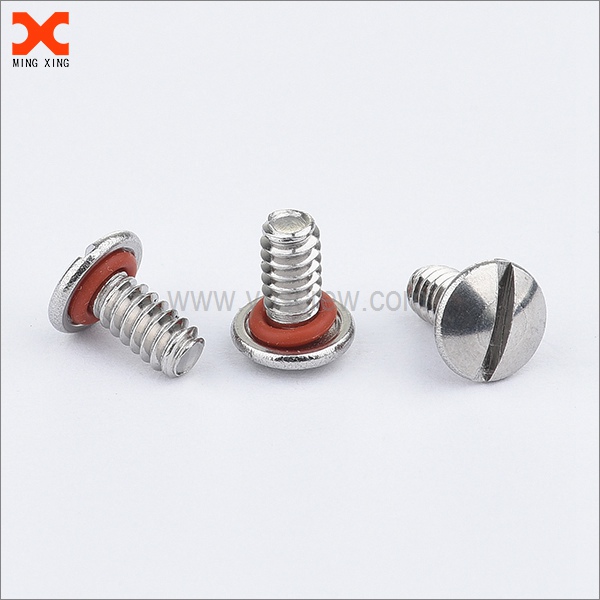


M4 Sealing Screw Your Trusted OEM Partner From Concept to Delivery
M4 sealing screws are designed to seal enclosures and control panels in tight spaces without compromising fastening strength. The M4 size supports compact devices, while seals such as O-rings or gaskets achieve IP protection levels from IP54 up to IP67/IP68, depending on design. Materials range from stainless steel to brass with protective coatings for corrosion resistance in demanding environments. An effective OEM partner combines design flexibility with precise manufacturing to deliver tight tolerances, reliable leakage protection, and long service life across electronics, automotive, and industrial applications. From concept to delivery, the process covers design consultation, material and seal selection, rapid prototyping, and controlled ramp-to-production. Rigorous testing verifies sealing integrity, thread engagement, torque tolerance, and environmental cycling, while strict process controls ensure traceability. Flexible options include MOQs, finishing, and packaging that simplify global logistics and assembly workflows. For global purchasers, partnering on M4 sealing screws translates to predictable lead times, cost optimization, and transparent quality assurance. Engineering support, validation data, supplier-managed inventory, and regional logistics planning help reduce risk and speed time-to-market. Whether upgrading existing products or launching new devices, a seal-first approach protects critical components and delivers reliable performance worldwide.
| Phase | Objective | Key Deliverables | Material Type | Source | Start Date | End Date | Duration (weeks) | Validation |
|---|---|---|---|---|---|---|---|---|
| Concept & Feasibility | Assess viability and outline high-level design goals for the M4 sealing screw. | Feasibility report; preliminary CAD concepts; risk log | Stainless Steel (304/316) concept | In-house | 2024-01-01 | 2024-01-14 | 2 | 85% |
| Feasibility & Requirements | Define specs: M4 x 0.7 thread, head style, sealing interface, IP targets. | Specs document; tolerance targets | Stainless Steel 304 | External Type A | 2024-01-15 | 2024-01-28 | 2 | 88% |
| Detailed Design & CAD | Finalize CAD models and 2D drawings; define BOM (non-priced). | 3D CAD, 2D drawings, non-priced BOM | Stainless Steel 304 | External Type A | 2024-01-29 | 2024-02-25 | 4 | 92% |
| Seal & Material Compatibility | Test sealing solution against media exposure; select elastomer. | Test report; material compatibility results | Stainless 304 / PTFE O-ring | External Type B | 2024-02-26 | 2024-03-12 | 2 | 90% |
| Prototype Build | Fabricate initial prototypes for fit and seal verification. | 5–10 prototypes; assembly checks | Stainless Steel 304 | External Type B | 2024-03-13 | 2024-04-03 | 3 | 85% |
| Tooling Design & Tooling | Design mould/die and process for production. | Tooling specs; initial mould | Tool Steel | In-house | 2024-04-04 | 2024-05-02 | 4 | 80% |
| Pilot Run | Execute pilot batch; tune process and setup. | Pilot batch; process control plan | Stainless Steel 304 | External Type A | 2024-05-03 | 2024-05-24 | 3 | 93% |
| First Article & QC | Perform FAI; confirm QMS compliance and leakage tests. | FAI report; QC pass | Stainless Steel; elastomer sealing | In-house | 2024-05-25 | 2024-06-15 | 3 | 97% |
| Production Readiness | Finalize production SOPs; set inspection plans. | Production SOP; inspection plan | Stainless Steel | In-house | 2024-06-16 | 2024-07-07 | 3 | 95% |
| Delivery Handover | Handover to OEM assembly line; establish post-launch monitoring. | Handover package; lessons learned | Stainless Steel; seals | In-house | 2024-07-08 | 2024-07-28 | 3 | 90% |
Related Products

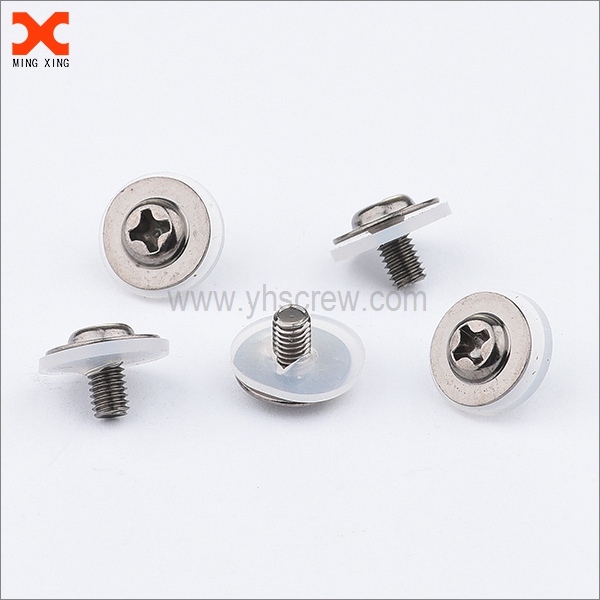


M4 Sealing Screw Stands Out Guarantees Peak Performance
Top Selling Products



- Related Blog
- Reviews
- Reviews

-

Phone
-

E-mail
-

Whatsapp
-

WeChat

-

Top


