

M3 M4 M5 M6 Screws - China Manufacturer for Quality Fasteners
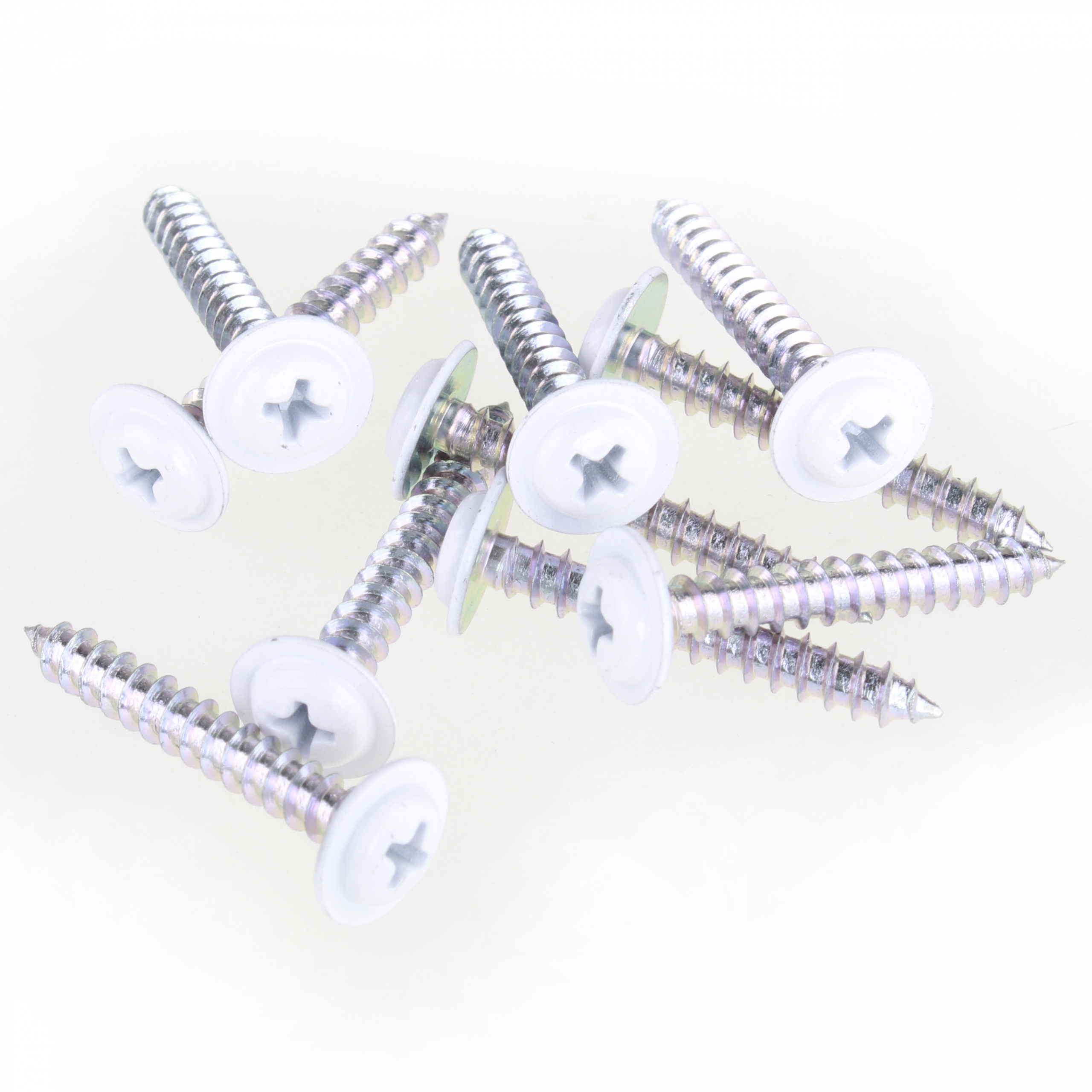
From a China-based manufacturer, I supply M3 M4 M5 M6 Screws tailored for OEMs and large-volume projects. I know B2B buyers need consistent quality, quick lead times, and clear specs. Our production lines deliver high-grade stainless steel and alloy screws with zinc plating or black oxide finishes, precise head types, and controlled thread pitches. I can customize lengths, coatings, and packaging to fit your assembly line, and I offer competitive pricing for bulk orders. Being a dedicated manufacturer, I ensure full traceability, QA certificates, and strict process controls. We ship globally and support just-in-time delivery to minimize stockouts. If you're evaluating suppliers in China, I invite you to review samples of M3 M4 M5 M6 Screws and discuss your exact tolerances, hardness, and torque requirements. Company detail: {}

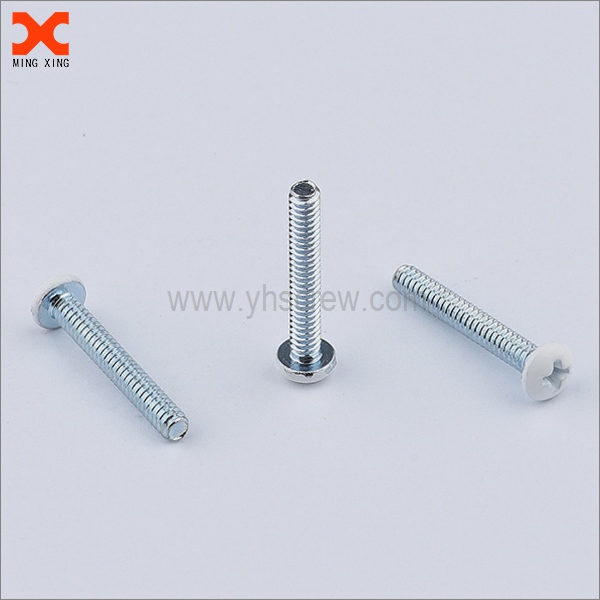


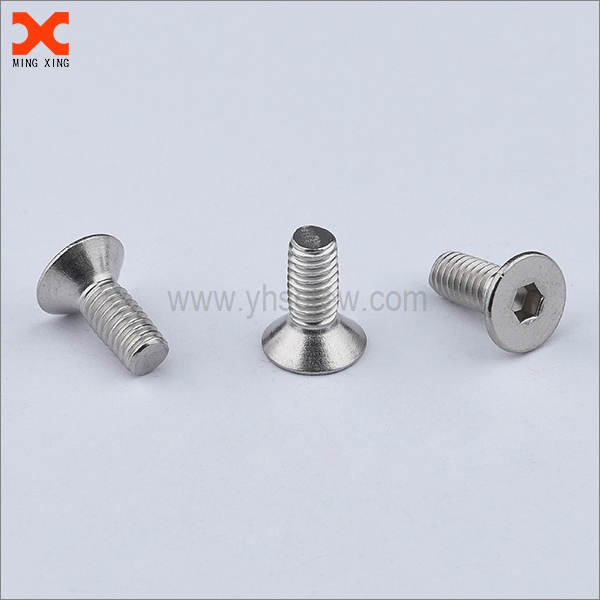
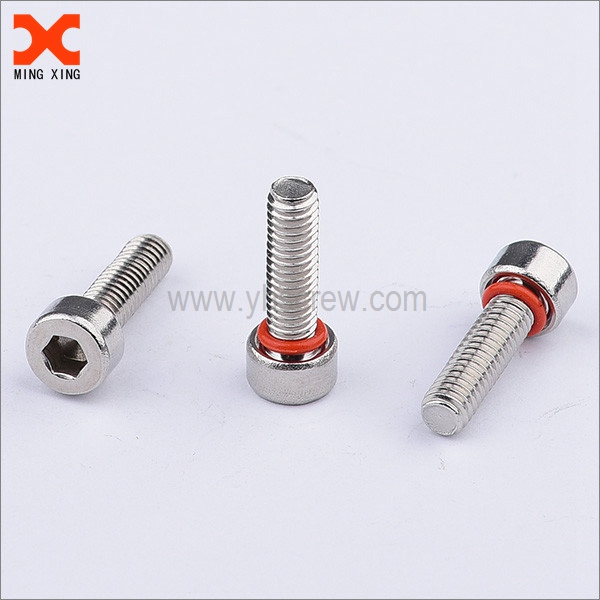
M3 M4 M5 M6 Screws Application For the Current Year
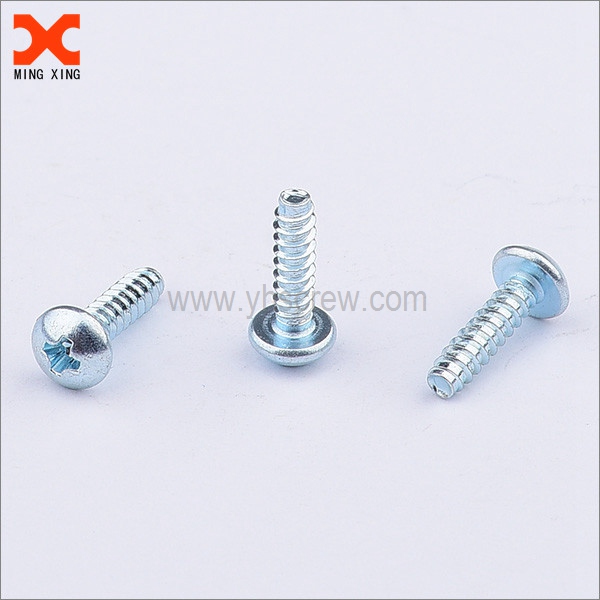
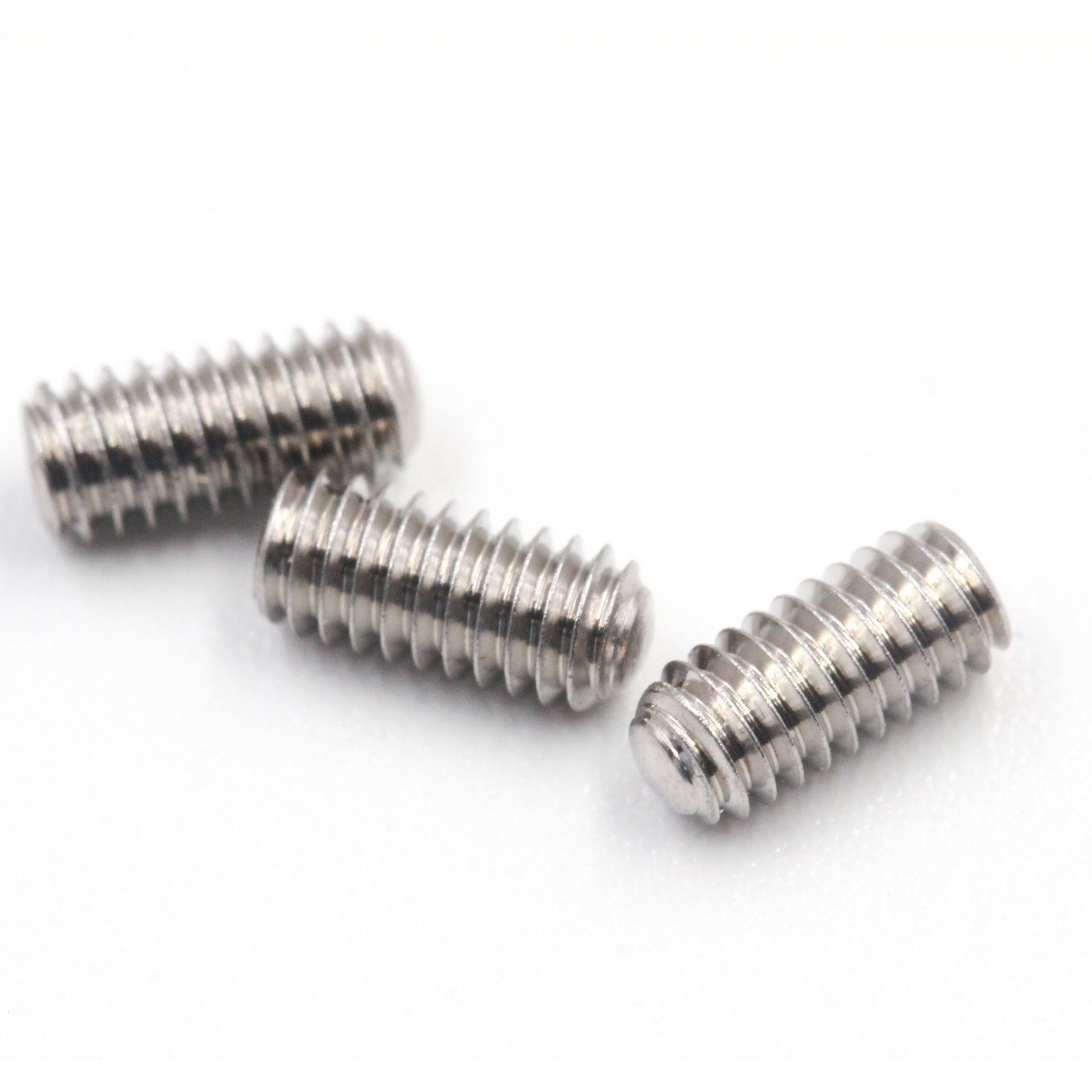
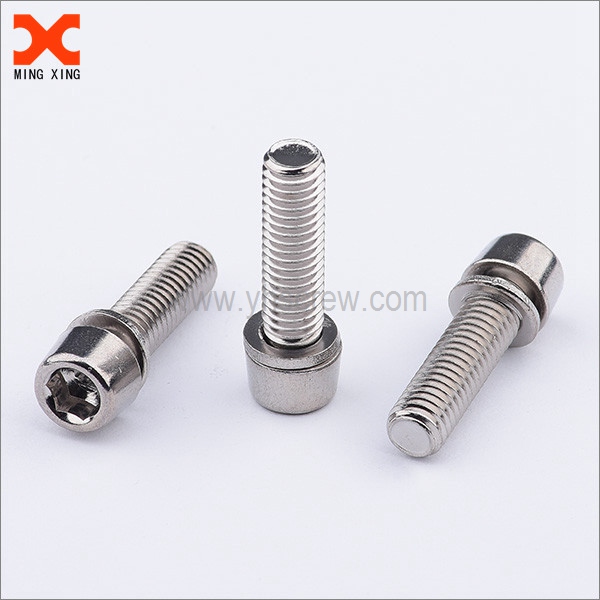
Modern electronics and light structural assemblies rely on M3, M4, M5, and M6 screws as versatile metric fasteners. In the current year, these sizes cover a broad range of panel, enclosure, PCB, and heat‑sink applications. Material options such as stainless steel (304/316), alloy steel, and brass, plus finishes like zinc, black oxide, and nickel, shape corrosion resistance and appearance. Common head styles (pan, button, socket-cap, countersunk) and drives (Phillips, hex, Torx) support quick, reliable assembly across equipment types. Choose by function: M3 for light panels, M4/M5 for mid‑thickness enclosures, M6 for structural connections or standoffs. Typical pitches are M3 0.5, M4 0.7, M5 0.8, M6 1.0 mm. For electronics, prefer low‑profile or non‑magnetic heads and corrosion‑resistant finishes, and ensure hole tolerances and compatibility with coatings and temperature exposure. Smart procurement this year emphasizes traceability, RoHS/REACH compliance, reliable lead times, and consistent QC. Request material certificates, surface finish specs, and first‑article inspections. Flexible sample programs and scalable MOQs help onboarding new suppliers. Whether for consumer devices, industrial controls, or automotive electronics, standard M3–M6 screws enable rapid prototyping and scalable production with predictable performance.
| Size | Head Type | Length (mm) | Material | Finish | Thread Type | Standard | Grade | Corrosion Resistance | Common Applications | Notes |
|---|---|---|---|---|---|---|---|---|---|---|
| M3 | Socket Head Cap Screw | 8 | Stainless Steel 304 | Passivated | Coarse | DIN 912 / ISO 4762 | 8.8 | Good | Small electronics, precision instruments | - |
| M3 | Socket Head Cap Screw | 12 | Stainless Steel 316 | Passivated | Coarse | DIN 912 / ISO 4762 | 10.9 | Excellent | Marine electronics, outdoor equipment | - |
| M4 | Pan Head Screw | 8 | Alloy Steel | Black Oxide | Coarse | DIN 7985 | 8.8 | Moderate | Household appliances | Standard type |
| M4 | Socket Head Cap Screw | 16 | Stainless Steel 304 | Passivated | Coarse | ISO 4762 | 8.8 | Good | Machinery assembly | - |
| M4 | Socket Head Cap Screw | 20 | Stainless Steel 316 | Passivated | Coarse | ISO 4762 | 10.9 | Excellent | Outdoor equipment, coastal areas | - |
| M5 | Socket Head Cap Screw | 10 | Stainless Steel 304 | Passivated | Coarse | ISO 4762 | 8.8 | Good | Electronics, vehicle interiors | - |
| M5 | Pan Head Screw | 12 | Alloy Steel | Black Oxide | Coarse | DIN 7985 | 8.8 | Moderate | Home appliances | - |
| M6 | Socket Head Cap Screw | 12 | Stainless Steel 304 | Passivated | Coarse | ISO 4762 | 8.8 | Good | Robotics, heavy equipment | - |
| M6 | Socket Head Cap Screw | 16 | Stainless Steel 316 | Passivated | Coarse | ISO 4762 | 10.9 | Excellent | Automotive, aerospace | - |
| M6 | Socket Head Cap Screw | 30 | Stainless Steel 316 | Passivated | Coarse | ISO 4762 | 10.9 | Excellent | Heavy machinery, offshore equipment | - |
Related Products

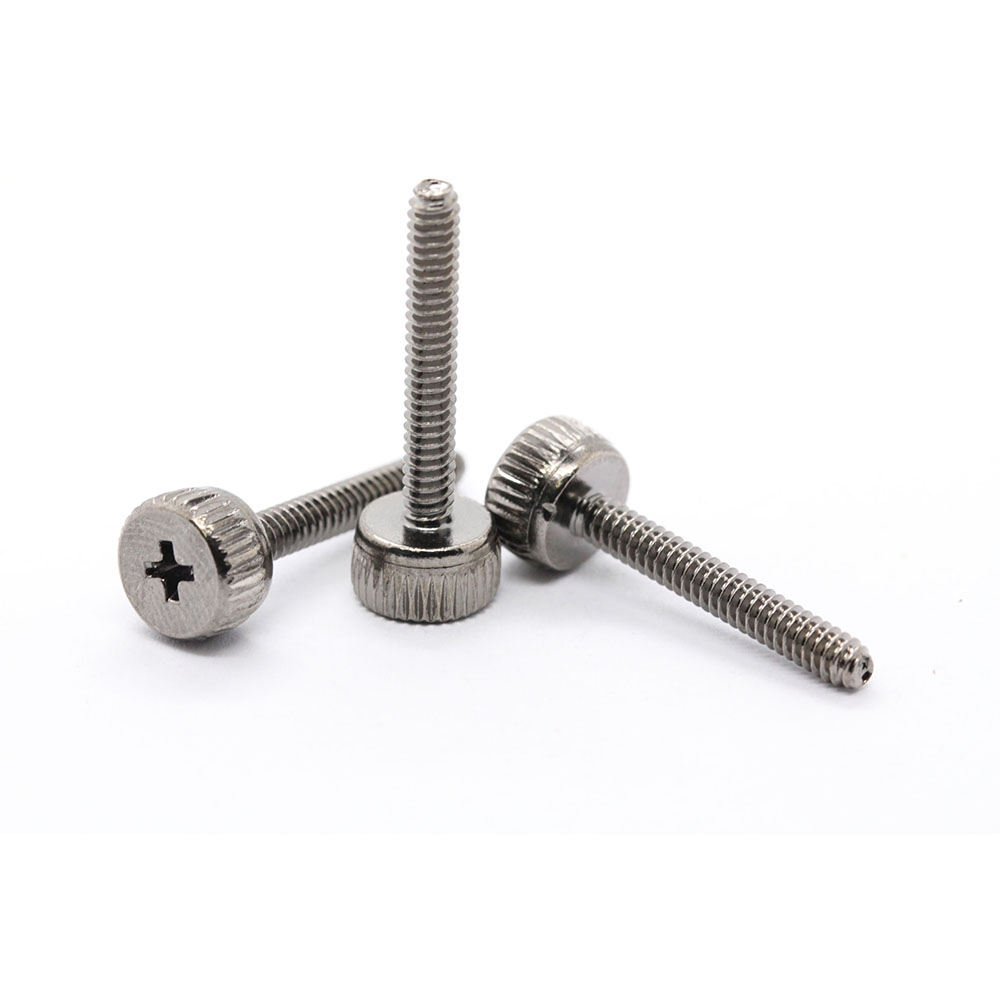


M3 M4 M5 M6 Screws Industry Leaders Your Trusted OEM Partner
Top Selling Products



- Related Blog
- Reviews
- Reviews

-

Phone
-

E-mail
-

Whatsapp
-

WeChat

-

Top


