banner (1)

Slotted Cheese Head Screws - China Manufacturer

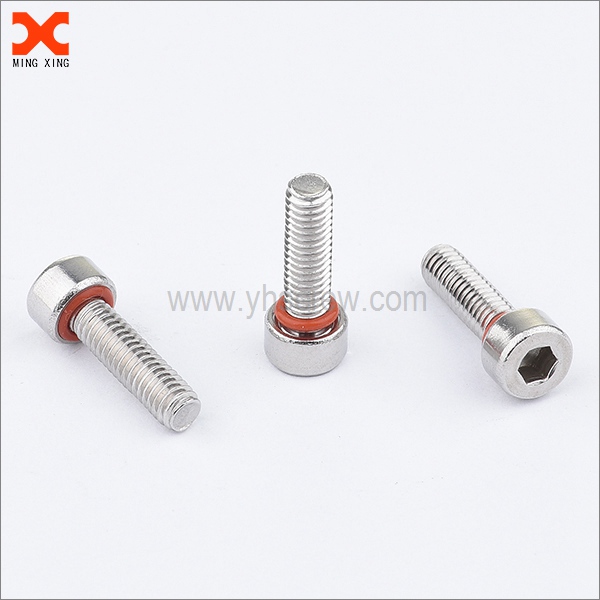
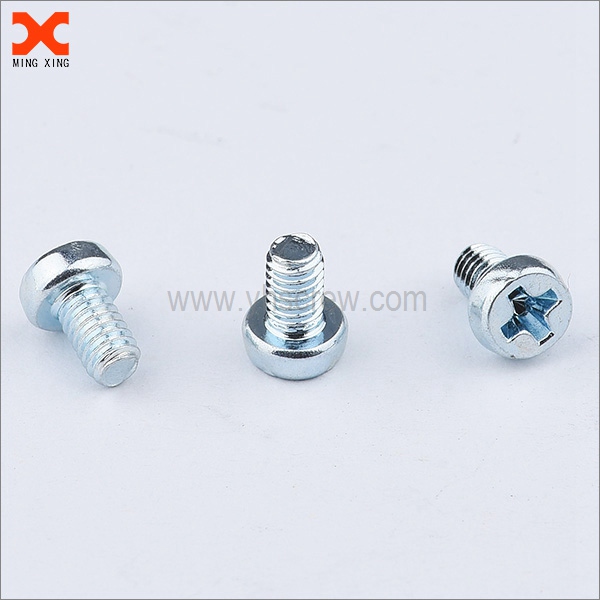
I’m a China-based Manufacturer supplying Slotted Cheese Head Screws to OEMs and distributors worldwide. With a slotted drive and a low-profile cheese head, these screws provide a wide bearing surface and secure clamping for cabinets, electronics housings, and light machinery. I offer options in carbon steel with zinc plating, stainless finishes, and black oxide, with sizes from M3 up to M6 (and inch equivalents) to fit your design and corrosion resistance needs. My QA checks ensure consistent quality, and I can support large orders or small prototypes for fit testing. I tailor packaging, labeling, and lead times to your production schedule, helping you reduce downtime and improve line efficiency. If you’re seeking a reliable supplier in China, I invite you to share your target quantities and finishes—I’ll respond quickly with a precise quote.

Hot Selling Product

Slotted Cheese Head Screws Custom Solutions, Your End-to-End Solution

For global buyers seeking slotted cheese head screws, an end-to-end sourcing partner delivers more than parts—it adds design clarity, rapid prototyping, and production-ready tooling. Specify material options (stainless steel, alloy, brass), thread pitches and lengths, headseat and slot dimensions, and finishes (zinc, black oxide, bright plating). We support tight tolerances, heat treatment, and surface treatments, translating requirements into reliable prototypes and smooth scale-up to full production. On the supply side, expect consistent quality, scalable capacity, and transparent traceability. End-to-end means documentation for compliance, testing data, packaging, and logistics aligned to global timelines. Flexible MOQs for sampling, steady pricing across batches, and responsive lead times help electronics, machinery, and construction projects worldwide. With a manufacturing footprint in Asia’s key hub, you gain a local partner capable of durable, worldwide sourcing and dependable delivery.

{ Slotted Cheese Head Screws Custom Solutions, Your End-to-End Solution}

Product ID Size Length (in) Material Finish Head Dia (in) Slot Width (in) Tensile Strength (ksi) RoHS Origin
LS-SS304-6-32-1/2 #6-32 0.50 Stainless Steel 304 (18-8) Satin 0.328 0.090 90 Yes USA
LS-SS304-8-32-1/4 #8-32 0.25 Stainless Steel 304 Zinc Plated 0.344 0.118 85 Yes Taiwan
LS-SS316-6-32-3/4 #6-32 0.75 Stainless Steel 316 Black Oxide 0.320 0.105 100 Yes USA
LS-CS-CARB-ZP-10-24-1 #10-24 1.00 Carbon Steel Zinc Plated 0.360 0.130 92 No China
LS-AL-4-0.7-12 M4x0.7 0.47 Alloy Steel Black Oxide 0.352 0.079 130 Yes Germany
LS-SS305-5-0.8-20 M5x0.8 0.79 Stainless Steel 304 Satin 0.360 0.090 78 Yes Taiwan
LS-4-40-3/8-Br #4-40 0.375 Brass Polished 0.310 0.085 30 No USA
LS-M6-1-25 M6x1.0 0.98 Stainless Steel 304 Zinc Plated 0.360 0.105 72 Yes Italy

Related Products

banner (2)

Slotted Cheese Head Screws For the Current Year Your End-to-End Solution

Data Dimension: Monthly Demand vs Inventory for Slotted Cheese Head Screws (Current Year)

Demand Inventory

This chart presents a data-driven view of monthly demand versus on-hand inventory for a product category described as slotted cheese head screws within the current year. The purpose is to demonstrate an end-to-end visualization workflow that starts from simple, synthetic data and yields an interpretable comparison of two related metrics. Demand refers to the quantity customers require each month, expressed in thousands of units. Inventory reflects the on-hand stock at month-end, illustrating replenishment effectiveness and stock levels. The two lines are color-coded to enable quick visual differentiation: demand in blue and inventory in green. The chart uses a 3:1 aspect ratio (900 by 300 pixels) to fit neatly into dashboards where horizontal trend visibility is prioritized. Grid lines and axis labels help readers gauge magnitude and seasonality at a glance.

Data generation for demonstration purposes often aims to mimic plausible seasonality and replenishment dynamics. In this example, demand increases from winter toward mid-year, creating a peak around the middle months, while inventory shows a lagged response to this rising demand. Observing where the green inventory line falls relative to the blue demand line highlights potential periods of understock risk or overstock situations. For instance, when demand rises faster than replenishment, inventory tends to compress, signaling the need for safety stock adjustments or procurement acceleration. Conversely, when inventory remains high while demand dips, it may indicate over-ordering or slower turnover. This approach supports practical decisions such as procurement planning, production scheduling, and inventory optimization.

If extended with more dimensions (lead times, supplier variability, or price trends), the same visualization framework can become a powerful dashboard for end-to-end supply chain management. This example demonstrates how a simple, well-structured dataset can be transformed into actionable insights through clear visuals, enabling teams to align demand signals with stock policies and operational constraints.

Top Selling Products