

Cheap knurled thumb screw carbon steel - Pricelist & Specs
I’m sourcing components for high-volume assemblies, and the knurled thumb screw carbon steel I offer is built for fast, hand-tightened security in jigs, clamps, and equipment. The knurled head gives you confident grip even when gloves are on, while the carbon steel body delivers strength and rigidity without weighty costs. If you’re chasing consistent performance at a price that won’t blow the budget, this is a solid choice. I can provide multiple sizes and thread pitches, all compatible with standard manuals and tooling, and I’m happy to share a Cheap price range to fit your production calendar. For procurement teams, I keep a clear Pricelist and straightforward lead times, plus bulk discounts on large orders. You’ll get reliable torque, easy replaceability, and smooth assembly lines, not surprises. Let me know your spec, and I’ll tailor a quote that meets your quality and timeline.


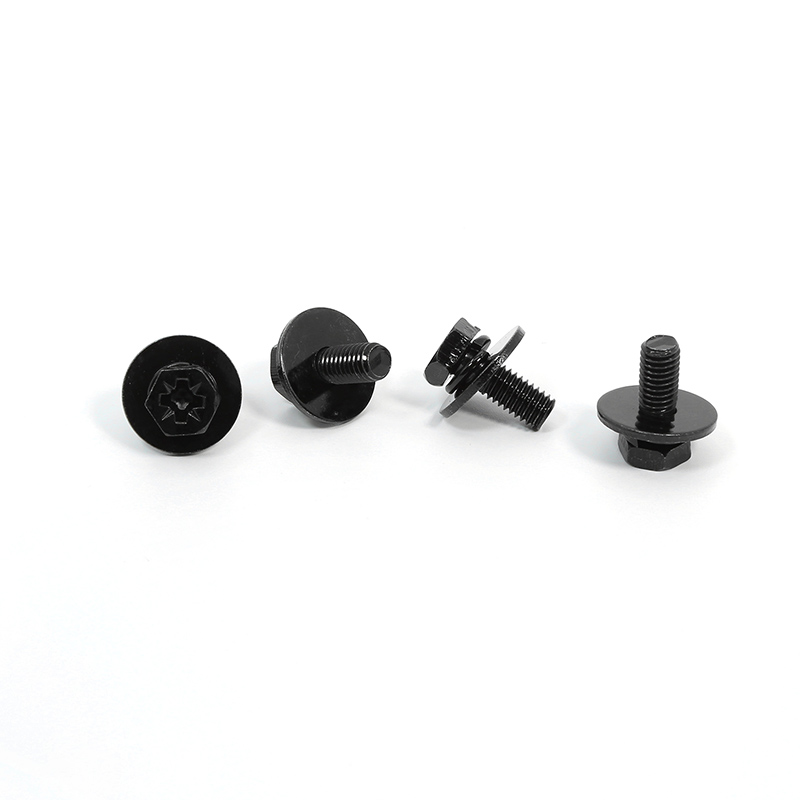


knurled thumb screw carbon steel Application More Than a Supplier - A Partner
Carbon steel knurled thumb screws enable quick, tool-free adjustments in electronics enclosures, control panels, machinery, and furniture fittings. Their knurled grip conveys secure hand tightening even in vibration, while cost-effective carbon steel suits high-volume production. For global buyers, consistent tolerances, reliable supply, and protective finishes (e.g., zinc plating or black oxide) matter as assemblies span multiple regions. Beyond price, choose a partner who aligns with your schedule, quality expectations, and documentation needs from prototype to mass production. More Than a Supplier—A Partner means collaborating across the product lifecycle. A true partner advises on knurl pattern, head size, thread form, and finishes to balance strength and corrosion resistance. They provide traceable quality, clear conformity docs, scalable manufacturing, and flexible logistics, including just-in-time delivery and carton-optimized packaging. With responsive engineering support, consistent process control, and proactive risk management, global buyers can shorten time-to-market, reduce downstream delays, and achieve long-term supply resilience.
| Product Code | Thread | Material | Finish | Head Ø (mm) | Knurl Ø (mm) | Length (mm) | Tensile Strength (MPa) | Hardness (HRC) | Weight (g) |
|---|---|---|---|---|---|---|---|---|---|
| KT-CS-M3-01 | M3 | Carbon Steel | Black Oxide | 6.0 | 5.5 | 6 | 520 | 32 | 0.40 |
| KT-CS-M4-01 | M4 | Carbon Steel | Zinc Plated | 8.0 | 7.0 | 8 | 540 | 33 | 0.80 |
| KT-CS-M5-01 | M5 | Carbon Steel | Black Oxide | 9.5 | 9.0 | 12 | 580 | 34 | 1.20 |
| KT-CS-M6-01 | M6 | Carbon Steel | Zinc Plated | 10.5 | 11.0 | 16 | 600 | 35 | 1.60 |
| KT-CS-M8-01 | M8 | Carbon Steel | Zinc Plated | 12.0 | 13.0 | 20 | 640 | 36 | 2.60 |
| KT-CS-M10-01 | M10 | Carbon Steel | Black Oxide | 14.0 | 15.0 | 24 | 680 | 38 | 3.30 |
Related Products


knurled thumb screw carbon steel Products Trusted by Pros
Top Selling Products


- Related Blog
- Reviews
- Reviews

-

Phone
-

E-mail
-

Whatsapp
-

WeChat

-

Top


