banner (1)

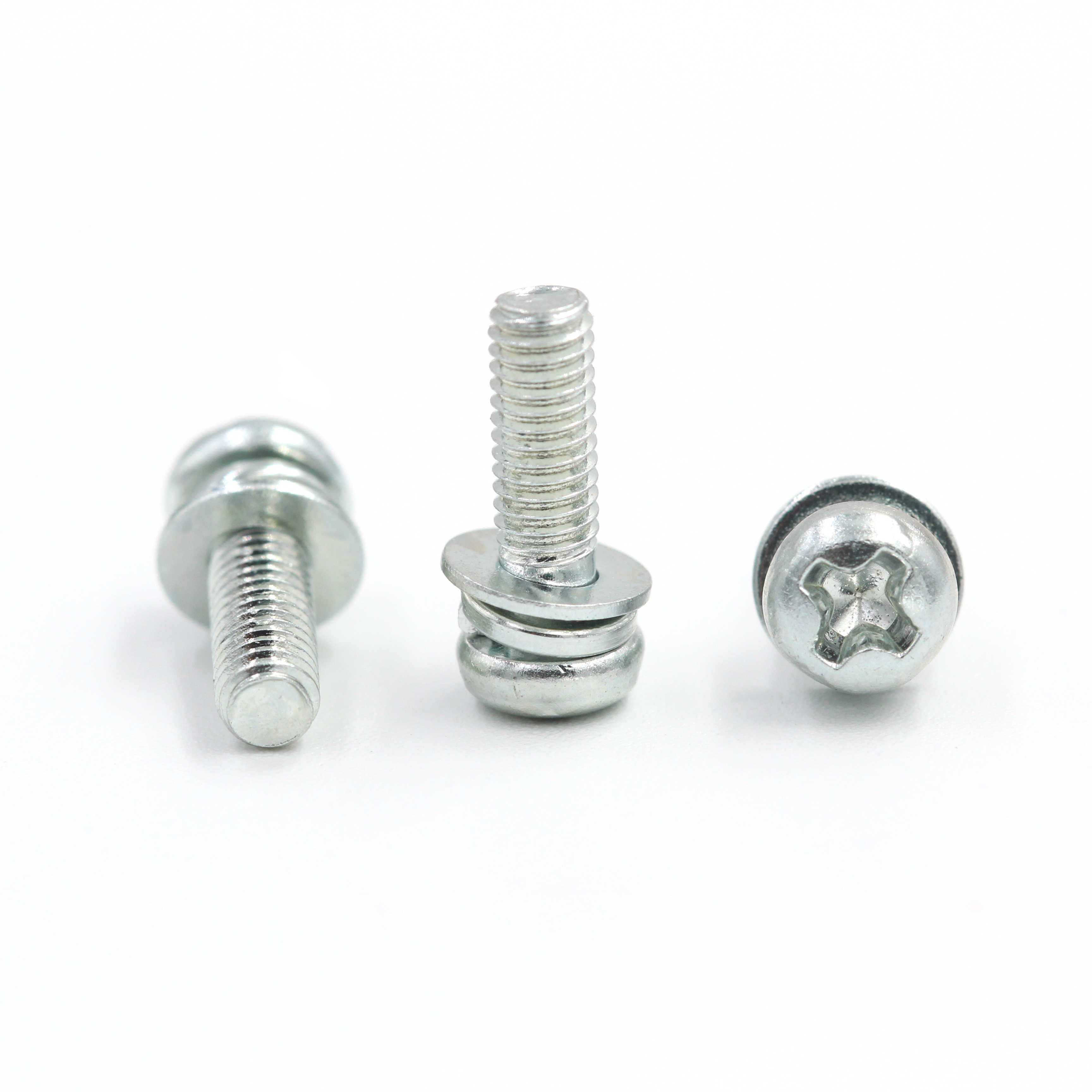
Washer Head Security Screw ODM Factory

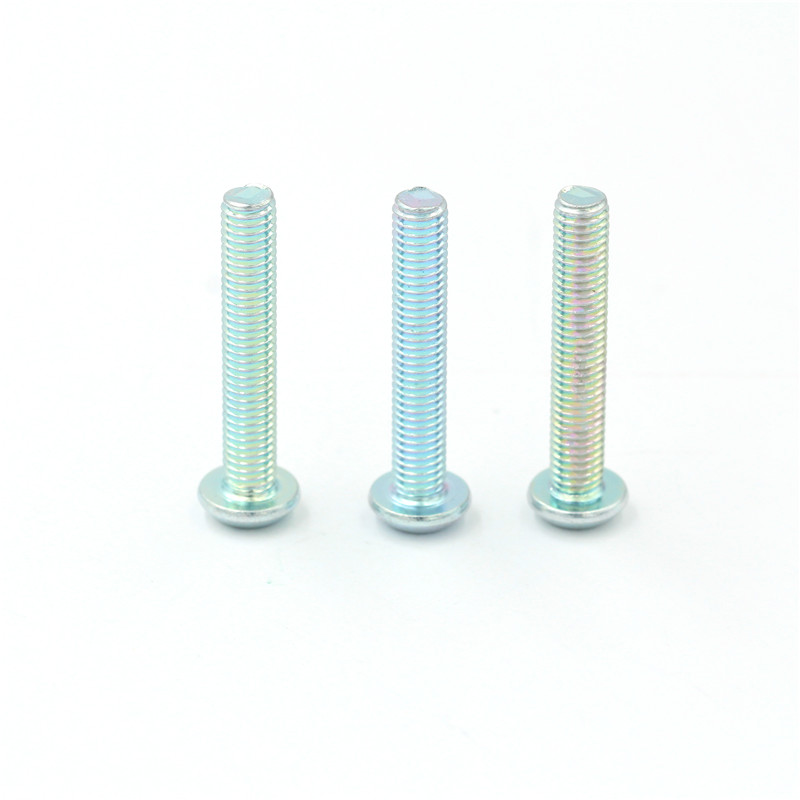
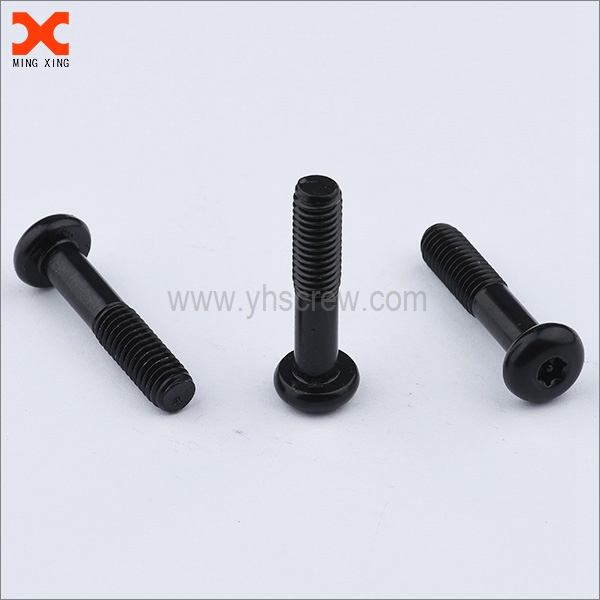
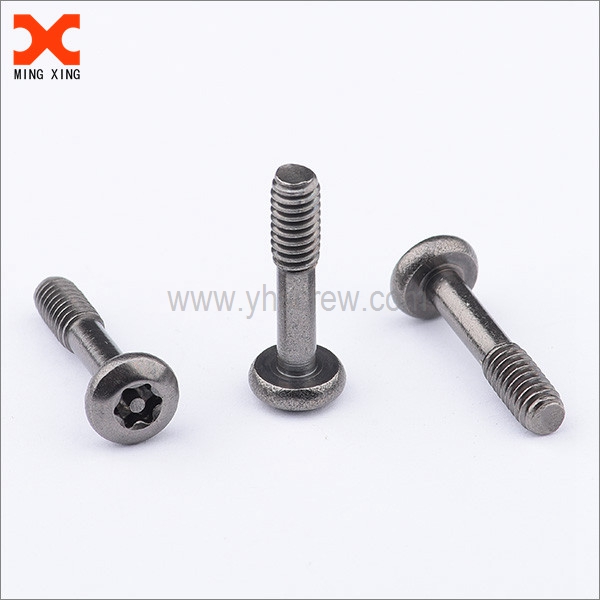
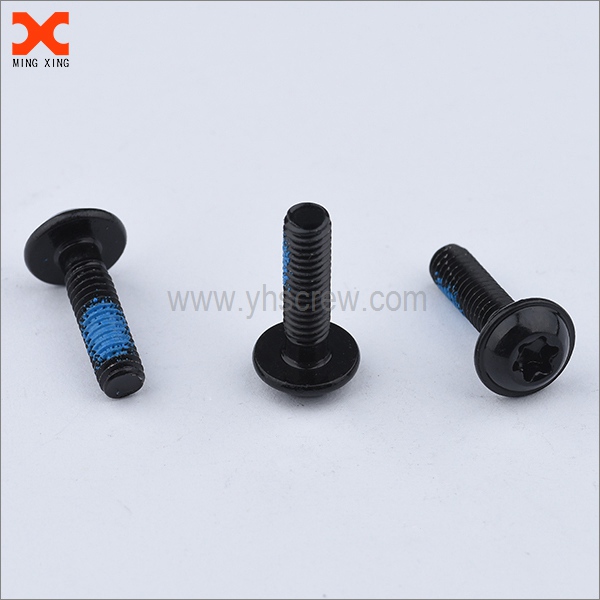
We supply high-performance Washer Head Security Screw designed for secure assemblies in automotive, electronics, and machinery. Our product combines a low-profile washer head with an anti-tamper design, resisting unauthorized disassembly. Machined from corrosion-resistant stainless steel or alloy, it withstands harsh environments and meets industry standards. I offer ODM options—custom lengths, head styles, thread pitches, and coatings—to fit your exact application, with engineering support from concept to production. Being a Factory-direct supplier, I can offer competitive pricing, flexible MOQs, and short lead times, with strict in-house QC to ensure consistent quality. We provide packaging and labeling customization to align with your OEM/ODM requirements. Whether you need bulk supply or design-for-manufacture guidance, I am ready to collaborate. If you're sourcing Washer Head Security Screw for your next project, let's discuss your specs and I will tailor a solution that reduces risk and simplifies procurement.

Hot Selling Product

Washer Head Security Screw Pioneers in the Field Now Trending

Washer head security screws are now leading the way in fastener design, shifting from simple closures to essential protective components for electronics, appliances, and industrial enclosures. The integrated washer spreads load, seals against moisture, and resists loosening in demanding, high-vibration applications. Pioneers in the field are introducing anti-tamper drive patterns, compact flush profiles, and corrosion-resistant materials such as stainless steel with durable coatings. These innovations deliver longer service life, better integrity, and safer assemblies for global products. For global buyers, the focus is on reliable supply, traceability, and compliant performance. Seek standard dimensions with clear tolerances, RoHS/REACH compliance, and options for customization in head height, washer size, and drive type. A strong supplier should provide transparent lead times, rigorous QA data (torque-to-failure, salt spray), and robust packaging plus traceability. Partnering with adaptable manufacturers enables rapid prototyping, scalable production, and consistent quality across diverse markets.

{ Washer Head Security Screw Pioneers in the Field Now Trending }

Type Head Style Security Feature Typical Material Diameter (mm) Length (mm) Common Applications Decade Introduced Trend/Notes
Security Star Drive with Center Pin Washer Head Tamper-resistant with center pin A2 Stainless Steel 3.0-6.0 6-18 Electronics enclosures, consumer appliances 1960s Widely used for secure access without regular tools
Security Spanner Drive Washer Head Two-hole spanner compatibility A4 Stainless Steel 4.0-6.0 8-22 Automotive interior trim, industrial panels 1980s Offers high tamper resistance for panel installations
Tri-Wing Security Drive Washer Head Three-wing tamper protection Stainless Steel 3.5-5.0 6-16 Electronic housings, power equipment 1970s Common in consumer electronics and appliances
Square Drive with Pin (Security) Washer Head Square drive with center pin A2 Stainless Steel 4.0-6.0 10-24 Industrial machinery casings, panel fastenings 1960s Highly resistant to standard screwdrivers
Five-Point Star Security Drive Washer Head Five-point star with center pin A4 Stainless 5.0 12-25 Telecom and data center enclosures 1990s Enhanced tamper resistance in dense assemblies
Hex Socket Security with Center Pin Washer Head Hex socket with center pin Stainless Steel 3.0-6.0 8-28 HVAC panels, electrical boxes 1980s Common in outdoor-rated installations
Star-Pattern Security Drive with Pin Washer Head Six-point star with center pin Alloy Steel 3.0-5.5 9-20 Appliance housings, industrial enclosures 1990s Offers robust tamper resistance and ease of tool selection

Related Products

banner (2)

Washer Head Security Screw Manufacturer Products

Data Dimension: Material Type Distribution Across Washer Head Security Screws

Note: The data shown here are synthetic and meant to illustrate how material choice correlates with production volume for washer head security screws. The chart presents five material categories: Stainless Steel, Carbon Steel, Alloy Steel, Brass, and Nylon. Bars reflect hypothetical annualized production units (in thousands), enabling quick comparisons of relative scale across materials. Stainless steel leads the chart due to its corrosion resistance and high strength, making it a common choice for outdoor or high-humidity environments. Carbon steel also appears with substantial volume, typically chosen for cost-sensitive applications where moderate corrosion resistance is acceptable. Alloy steel shows strong but smaller volumes, matching demands for higher mechanical strength and improved tamper-resistance in certain locking configurations. Brass appears at lower levels, reflecting niche markets where non-sparking properties or non-magnetic behavior create unique value propositions. Nylon, representing a polymer alternative, is the smallest segment but is relevant for lightweight, non-conductive, or chemical-resistant contexts.

Interpreting this distribution, several trends emerge. First, traditional metal screws dominate manufacturing, driven by established machining processes and robust supply chains. Second, higher-cost materials correlate with more demanding environments or specialized equipment, which limits overall volumes but adds value in targeted applications. Third, niche materials like brass and nylon often demand longer lead times and specialized tooling, affecting availability and pricing.

From a quality and compliance standpoint, material selection influences tolerance control, heat treatment, surface finishing, and traceability requirements. Security screws require precise head geometry and reliable anti-tamper features; material properties must align with these design constraints to ensure durability and performance. Manufacturers can leverage this type of material-dimension analysis for inventory planning, supplier diversification, and new product development aligned with environmental conditions, cost constraints, and customer specifications. The chart, while simplified, demonstrates how a single data dimension—material type—can inform broader strategic decisions in the fastener sector.

Top Selling Products