banner (1)

Slotted Screw Wholesale Manufacturers - Quality Fasteners

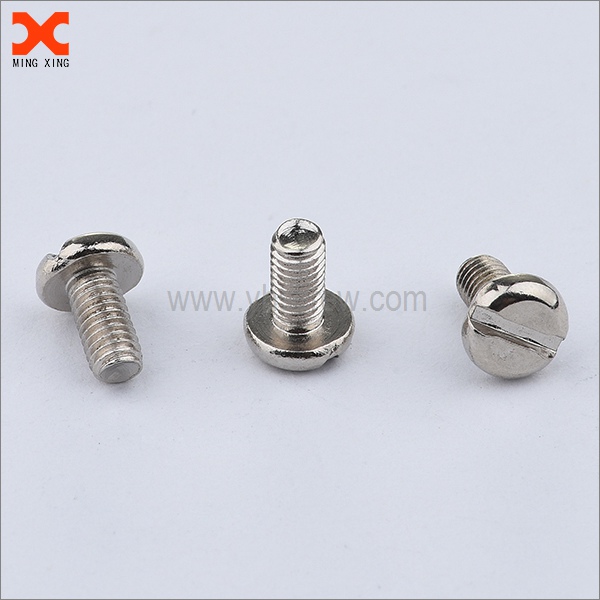
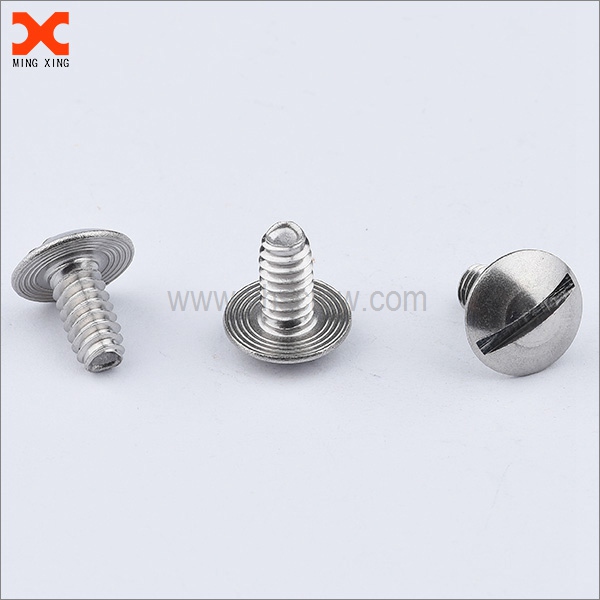
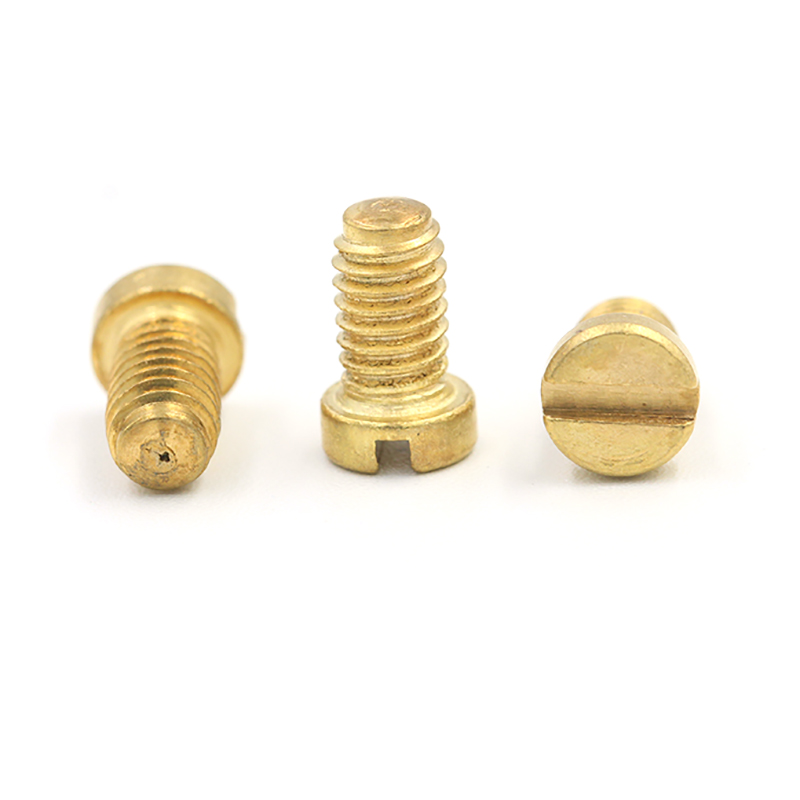
I’m handling fastener sourcing and I’d like to explain why our Slotted Screw stands out for Wholesale needs and for Manufacturers. Made from tempered steel with zinc plating, this screw delivers dependable holding power and easy drive with a classic flat head. We offer a range sizes from #4 to #14 and lengths up to 2 inches, compatible with standard drivers and jigs found in most assembly lines. Our Slotted Screws are manufactured to tight tolerances, ensuring uniform installation and minimal cam-out during high-speed production. For Bulk orders we provide competitive pricing, flexible packaging, and steady lead times, so your production isn’t slowed down. We also support private labeling and OEM requests, if you want a branded touch. If you’re a wholesale buyer or a Manufacturer seeking reliable screws, I can tailor a quote that fits your exact volume and delivery schedule. Let’s talk and get your orders moving fast.

Hot Selling Product

Slotted Screw Application in 2025

Global buyers are refining fastening choices for 2025, and slotted screws continue to play a key role in electronics, appliances, and automotive interiors. They offer cost-efficiency and straightforward field maintenance, but automation demands tighter drive tolerances, improved slot geometry, and coatings that resist vibration and corrosion. On optimized production lines, standardized drivers and automation-friendly screw heads help maintain speed while preserving repairability at end of life. Manufacturers now favor slotted screws with durable finishes—zinc, nickel, or protective coatings that meet RoHS and REACH—plus lead-free options. A supplier who can provide traceability, consistent lead times, and value-added services like plating, sorting, and custom packaging reduces supply-chain risk in global operations. Standardized sizes and tolerances remain essential for cross-border assembly, ensuring seamless integration across diverse markets in 2025.

Slotted Screw Application in 2025

Category Material Finish Head Type Diameter (mm) Length (mm) Thread Type Tensile Strength (MPa) Recommended Torque (Nm) Typical Applications
General Purpose Carbon Steel Zinc Plated Flat Head 3.5 12 Coarse 500–550 0.6–0.8 Electronics mounting, light machinery
Automotive Interior Stainless Steel A2-70 Passivated Pan Head 4.0 16 Fine 700–900 0.8–2.0 Interior trim, dashboard assemblies
Furniture & Hardware Brass (CuZn30-40) Natural Countersunk 3.0 8 Coarse 350–420 0.3–0.6 Wood furniture, cabinet fittings
Marine & Outdoor Stainless Steel 316 Passivated Flat Head 5.0 20 Coarse 550–900 0.9–2.4 Marine equipment, weather-exposed assemblies
Machinery & Equipment Carbon Steel Black Oxide Round Head 6.0 25 Coarse 520–700 1.2–2.8 Industrial machinery, mounting plates

Related Products

banner (3)

Slotted Screw Where Innovation Meets 2025 More Than a Supplier - A Partner

Data Dimension: Adoption Velocity by Lifecycle Stage

Ideation: 40 Design: 80 Prototype: 120 Pilot: 95 Scale-Up: 140 Sustainment: 60 Ideation Design Prototype Pilot Scale-Up Sustainment Velocity Score (0-150)

This chart presents a data dimension titled Adoption Velocity by Lifecycle Stage. It illustrates how quickly initiatives move through six stages of the innovation lifecycle: Ideation, Design, Prototype, Pilot, Scale-Up, and Sustainment. Each bar's height corresponds to a velocity score, a composite measure designed to reflect tempo, throughput, and decision speed across stages, standardized on a 0–150 scale. The visualization enables apples-to-apples comparisons across stages and programs, highlighting where momentum is strongest and where friction may impede progress.

The tallest bars appear in the Prototype and Scale-Up stages, indicating robust activity and rapid progression during early development and deployment phases. The relatively high velocity in these stages suggests effective iteration loops, strong cross-functional collaboration, and adequate funding to support experimentation. In contrast, the Sustainment stage shows a lower velocity, which may signal challenges in maintaining momentum after deployment, such as governance gaps, resource constraints, or aging processes that slow ongoing value realization. This distinction points to actionable priorities for leadership: invest in streamlined transitions from Prototype to Pilot, ensure scaling efforts receive sustained investment and capabilities, and strengthen sustainment by defining ownership, automating recurring tasks, and embedding continuous improvement practices.

By comparing initiatives across stages, stakeholders can identify bottlenecks, forecast throughput under different resource scenarios, and align capacity with strategic objectives. The Adoption Velocity metric, while synthetic for demonstration purposes here, is a practical tool for translating complex program dynamics into tangible prioritization decisions, helping organizations accelerate innovation responsibly while managing risk and operational continuity.

Top Selling Products