banner (1)

Brass Insert Nut - China Manufacturer for Quality Fastening Solutions

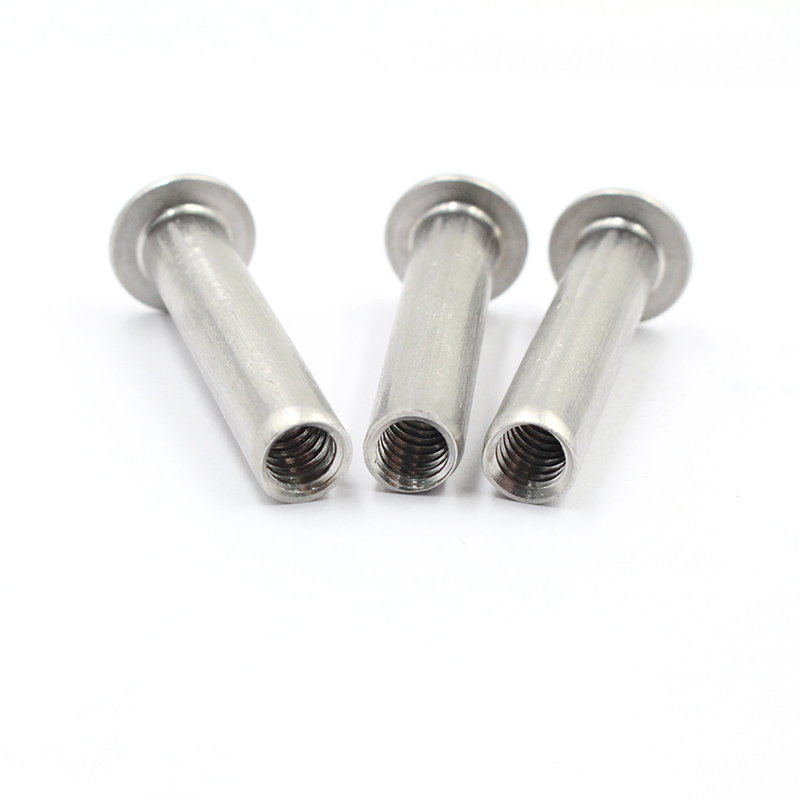
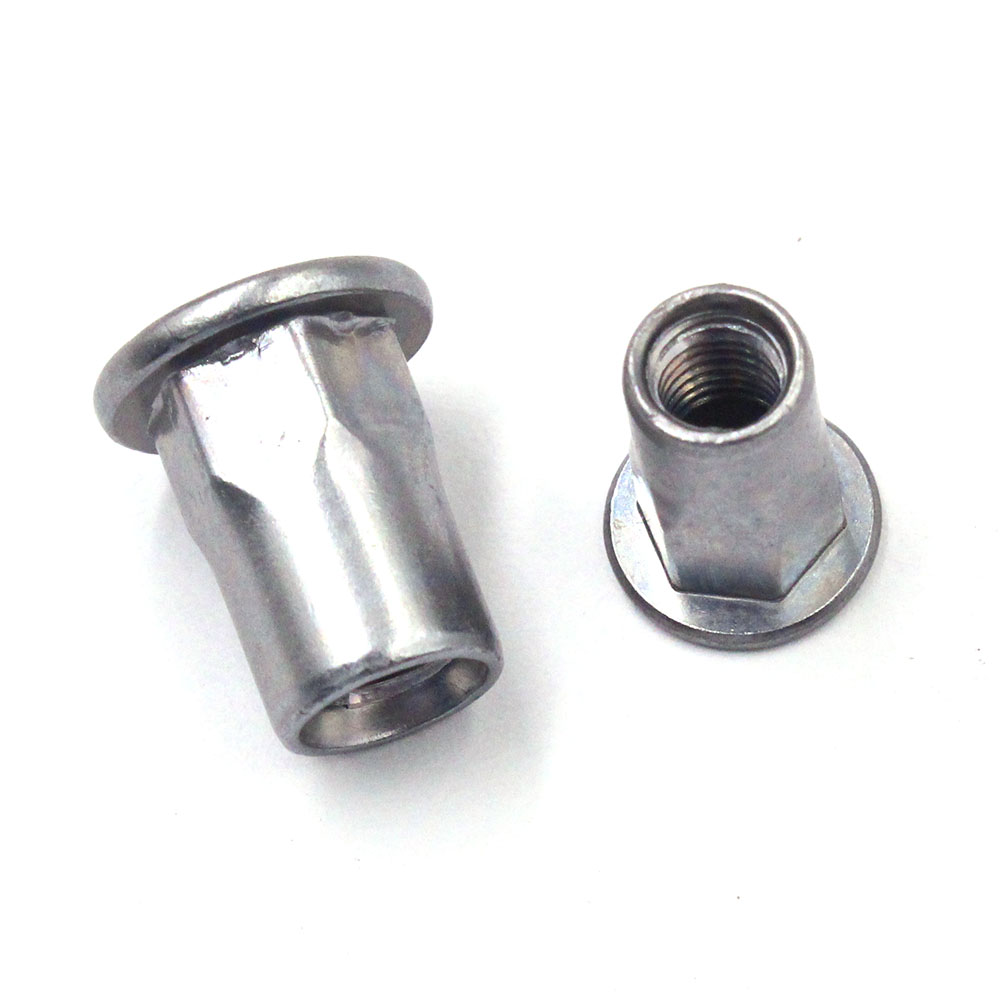
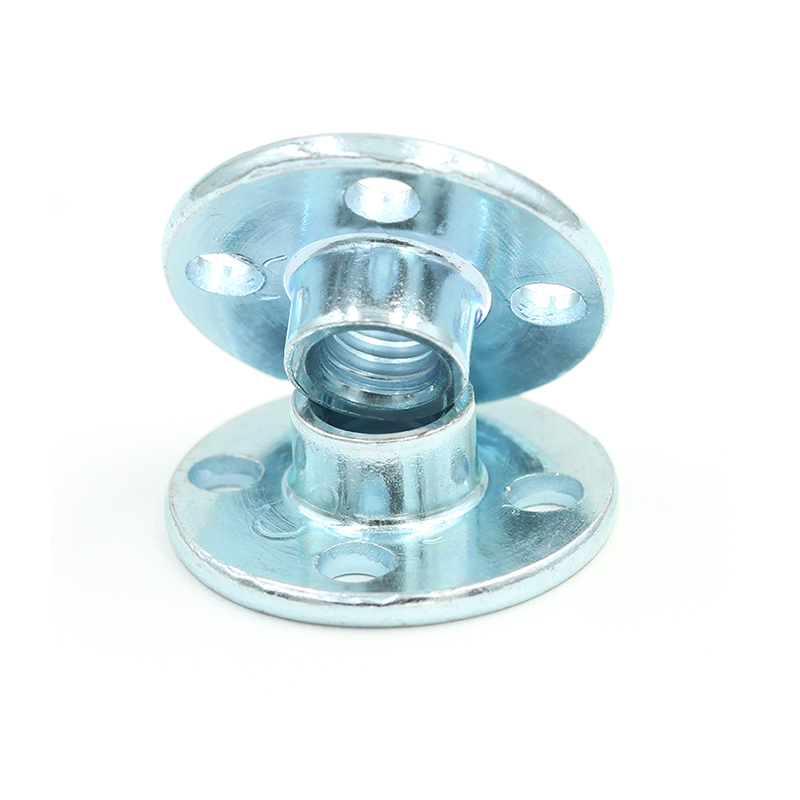
Hi, I am a Brass Insert Nut supplier and I bring you reliable solutions for your production lines. As a Manufacturer in China, we supply Brass Insert Nut components engineered for strong threads in plastic and other materials. Our items feature corrosion resistance, high torque performance, and easy installation. Typical customers in automotive, electronics, and furniture trust us for consistent quality and quick lead times. We offer knurled and smooth styles, multiple thread sizes (M2 to M8, imperial options too), and customization to meet your spec. We keep ample stock and flexible MOQ to fit your project scale. With strict QA, we ensure uniform tensile strength and dimensional accuracy. Prices are competitive for B2B orders, and we support fast samples and small runs to help your procurement process. If you’re seeking a dependable partner for Brass Insert Nut solutions in China, contact me today and we’ll start with a sample to prove value.

Hot Selling Product

Brass Insert Nut in 2025 Guarantees Peak Performance

Entering 2025, brass insert nuts remain a reliable solution for plastic assemblies. They deliver strong thread engagement, reduced pull-out, and improved vibration resistance in electronics, automotive interiors, and household appliances. Brass inserts offer good corrosion resistance and can be installed by heat-set or press-fit methods. Choosing the right outer diameter, thread size, and engagement features ensures peak performance under dynamic loads and temperature changes, with options aligned to metric and imperial standards. Global buyers should emphasize material certifications, tight tolerances, and validated performance data—pull-out strength, torque-to-turn, and long-term wear tests—when evaluating suppliers. Consider packaging, traceability, and scalable lead times to support multi-site production and just-in-time delivery. A strong sourcing strategy combines multi-sourcing, compatible insertion equipment, and clear spec documentation to mitigate supply risks. With a partner offering technical guidance, rapid sampling, and reliable logistics, brass insert nuts can sustain peak performance across diverse markets and applications in 2025 and beyond.

{ Brass Insert Nut in 2025 Guarantees Peak Performance}

Part_ID Brass_Alloy Grade Outer_Diameter_mm Internal_Thread_Size Insert_Length_mm Flange_Thickness_mm Heat_Treatment Nominal_Tensile_Str_MPa Pullout_Force_N Max_Service_Temp_C Typical_Applications
BIN-01 CuZn37 C36000 8.0 M4 8.0 2.0 Annealed 520 320 250 Consumer electronics housings
BIN-02 CuZn39Pb3 C36060 7.5 M3 6.5 1.8 Annealed 510 290 180 Automotive interior trim
BIN-03 CuZn37 C36000 9.0 M5 9.0 2.2 Annealed 430 400 200 Appliance housings
BIN-04 CuZn39Pb3 C36060 10.0 M6 10.0 2.6 Cold-worked 490 520 230 Power tool housings
BIN-05 CuZn30 C36000 7.0 M3 7.0 1.9 Annealed 460 260 210 Smartphone housings
BIN-06 CuZn35 C36000 8.5 M4 8.5 2.1 Stabilized 470 300 240 Home appliances
BIN-07 CuZn37 C36000 6.5 M2.5 6.5 1.7 Annealed 390 220 190 Wearable device housings

Related Products

banner (3)

Brass Insert Nut Application Guarantees Peak Performance

Data Dimension: Torque-Performance Trend Across Brass Insert Nut Configurations

Explanation: This dataset examines the relationship between insertion torque and a composite performance index for brass insert nut configurations. The performance index aggregates factors such as preload stability, resistance to loosening under vibration, installation ease, and torque retention over simulated cycling. Twelve configuration points were tested, representing a progressive range from low to high torque within a practical assembly window. The goal of the chart is to visualize how performance responds to increasing torque and how different configuration steps influence the optimum torque range. The observed trend shows that performance improves with torque up to a peak around step 7, after which gains slow and may begin to decline slightly due to material yielding, thread deformation, or increased residual stresses. This pattern suggests there is an optimal insertion torque that achieves a secure fit without overstressing components. The across-step variation also hints at the influence of material grade, engagement length, and thread depth on overall behavior; configurations with longer engagement and higher-quality brass typically yield higher maximum performance and a slightly broader plateau near the optimum torque. From a manufacturing perspective, these insights support establishing a torque window rather than a single target value, enabling robust assembly under minor process variation. However, the dataset is simplified: it abstracts away temperature effects, lubrication, and real-life vibration spectra, and it assumes identical fixtures for all tests. Future work could expand the dataset with finer torque increments, more material grades, different insert geometries, and mid-life wear conditions to model long-term performance more accurately. Practically, applying a control strategy around the identified optimum reduces the risk of under- or over-torquing, improves joint integrity, and enhances product reliability. In summary, the analysis demonstrates that brass insert nut performance is torque-sensitive, and process engineers should aim for a carefully defined torque band to guarantee peak performance across production. Moreover, this approach supports data-driven standardization of fastening procedures and helps reduce field returns due to joint failures.

Top Selling Products