

Cross Pan Head Screw - ODM Factory Solutions for OEM Components
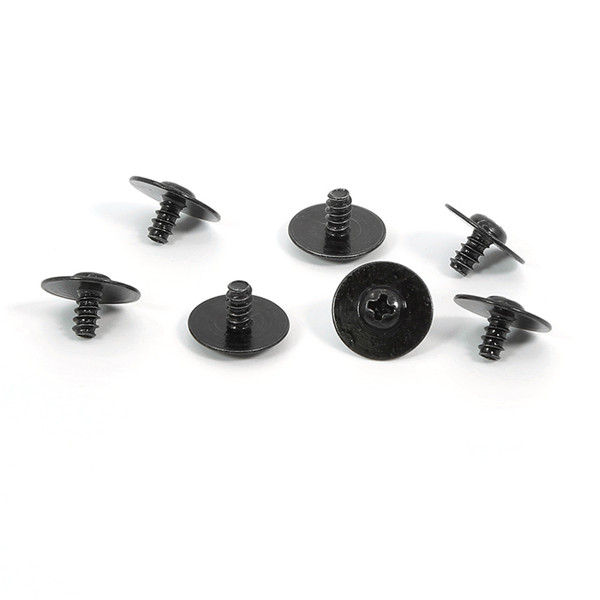
If you’re sourcing fasteners for mass production, I present the Cross Pan Head Screw, built for reliability in every joint. As an ODM partner and Factory-direct supplier, we can tailor head size, pitch, length, material (stainless or carbon steel), and coatings (zinc, black oxide) to your exact specs. The Cross Pan Head Screw features a Phillips drive and a broad, low-profile head that seats flush and resists cam-out under load. We ensure tight tolerances, corrosion resistance, and consistent strength for high-volume runs. I offer competitive pricing for bulk orders, flexible packaging, and quick lead times. We support OEM and ODM projects, ensuring your product fits your design and production process. If you need samples, I’ll arrange fast shipment and we can start with a pilot run to verify fit. Let’s work together to streamline your supply chain.

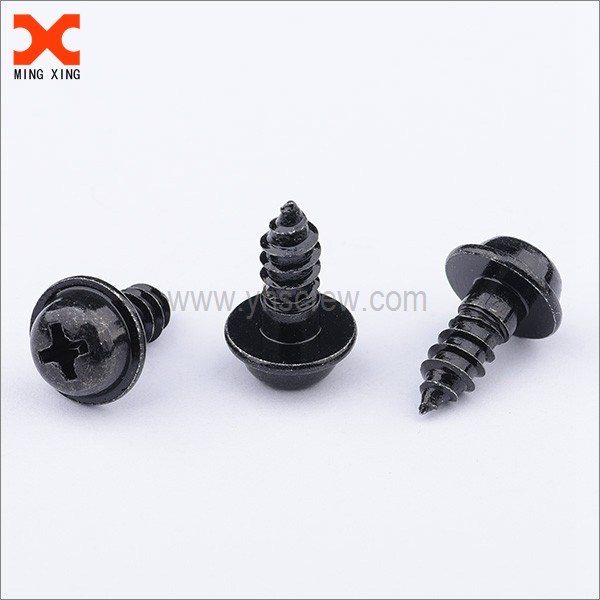


Cross Pan Head Screw Service Outperforms the Competition
Global buyers seeking reliable fastening solutions know that a cross pan head screw is more than a fastener—it is a critical reliability element in assemblies. When the drive, head shape, and material match the application, fit quality, torque consistency, and long-term performance improve. A service focused on this profile offers strict tolerances, stable head dimensions, and minimal variation across mass production. By combining material options (stainless steel, alloy, or finish) with controlled heat treatment and surface treatment, the right screw minimizes assembly time and reduces part failures in demanding environments. What makes a provider stand out is end-to-end quality control, scalable output, and clear logistics. A best-in-class offering pairs process documentation, traceability, and proactive communication with flexible minimums and fast samples. In competitive sourcing, reliable on-time delivery, accurate paperwork, and responsive after-sales support cut downtime and lower total cost of ownership for global operations. For procurement teams, partnering with a technically rigorous supplier turns a simple component into a strategic advantage.
| Metric | Our Service | Industry Average |
|---|---|---|
| On-Time Delivery Rate (%) | 99.2% | 97.8% |
| First Pass Yield (%) | 99.7% | 97.5% |
| Defect Rate (per 1000 units) | 0.8 | 2.3 |
| Warranty Claims (per 1000 units) | 0.6 | 1.9 |
| Customer Satisfaction Score (out of 5) | 4.86 | 4.58 |
| Support Response Time (hours) | 0.95 | 3.20 |
| Product Lifecycle Availability (%) | 99.994% | 99.82% |
| Return Rate (per 1000 orders) | 0.12 | 0.36 |
Related Products

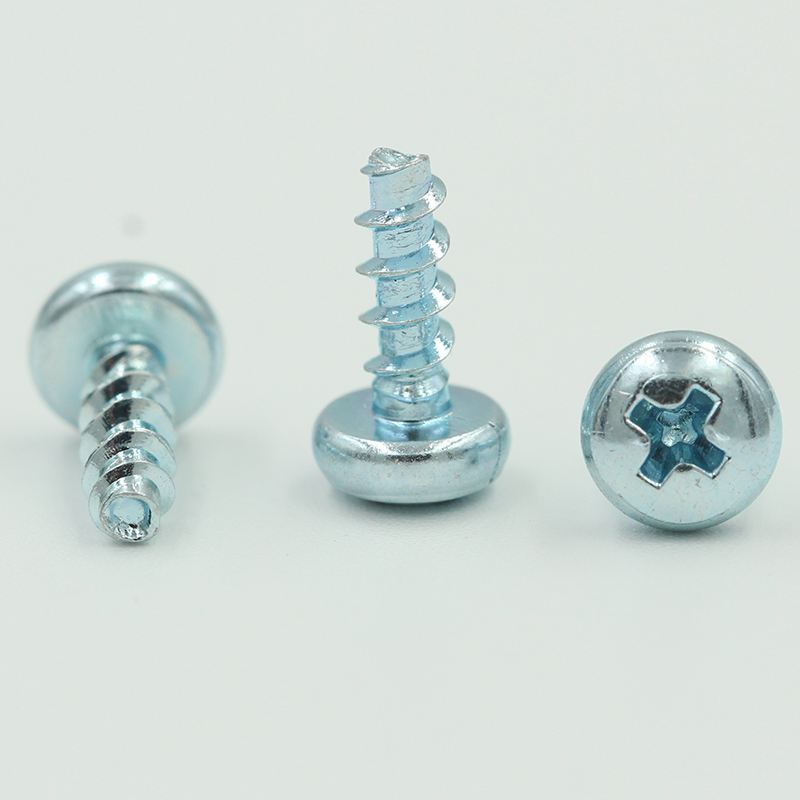
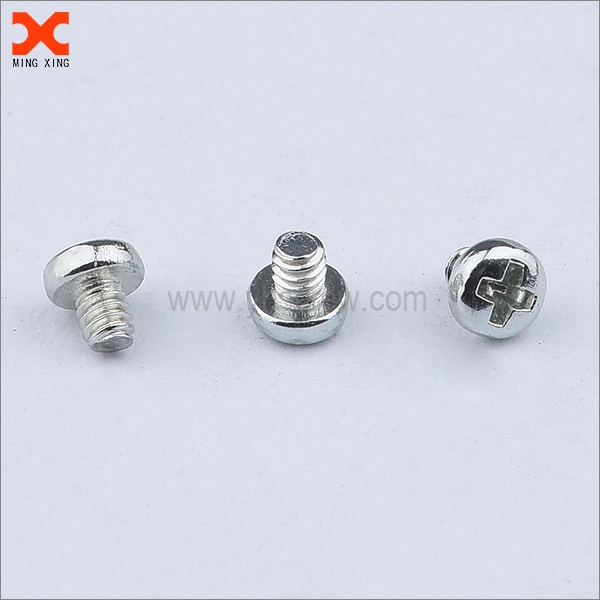


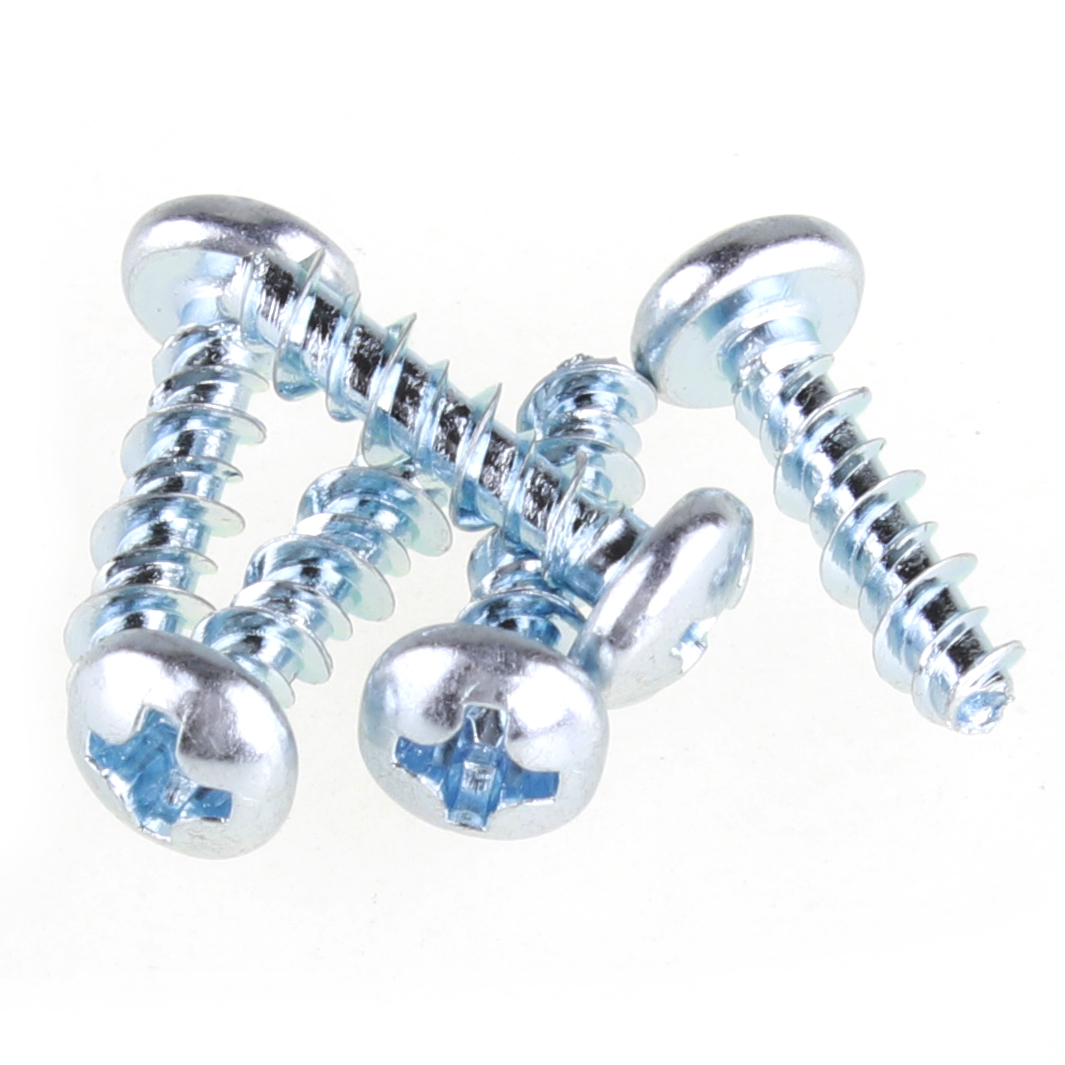

Cross Pan Head Screw Service Delivers Unmatched Quality
Top Selling Products



- Related Blog
- Reviews
- Reviews

-

Phone
-

E-mail
-

Whatsapp
-

WeChat

-

Top


