

- The "Washer Face" Factor :
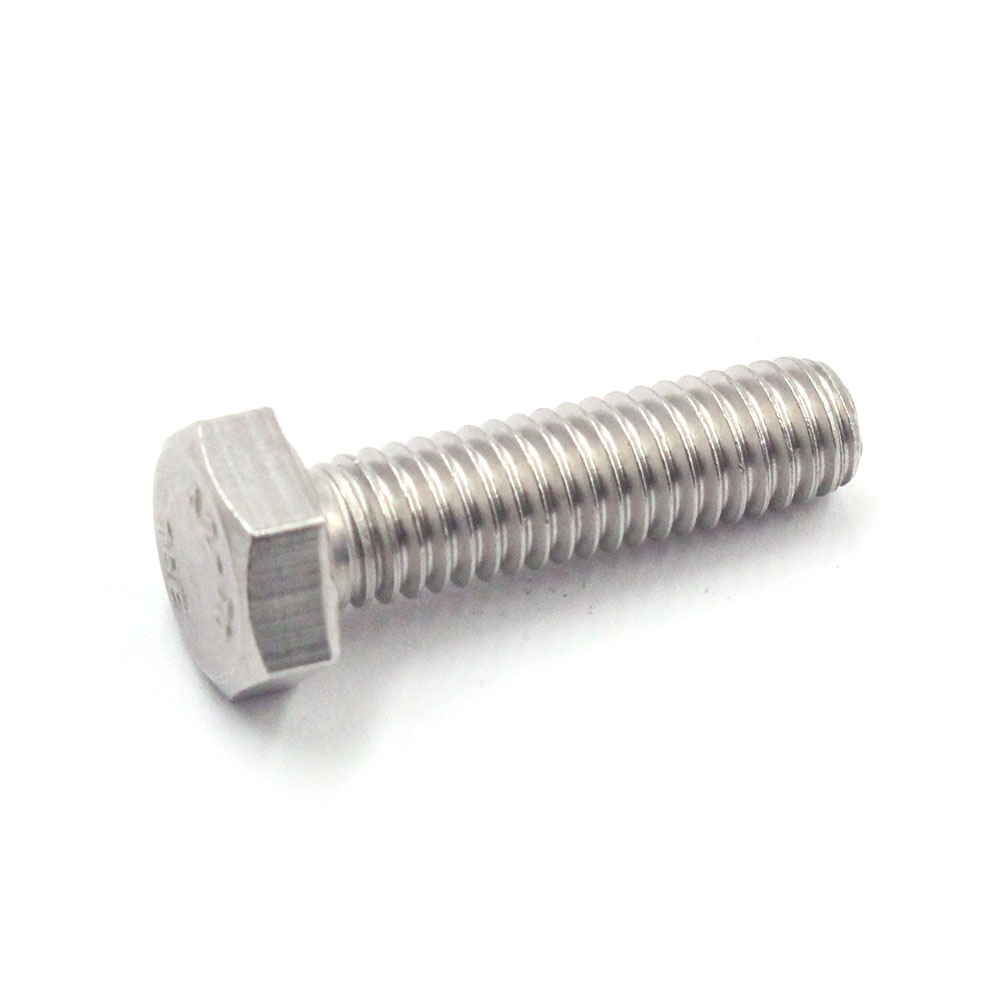
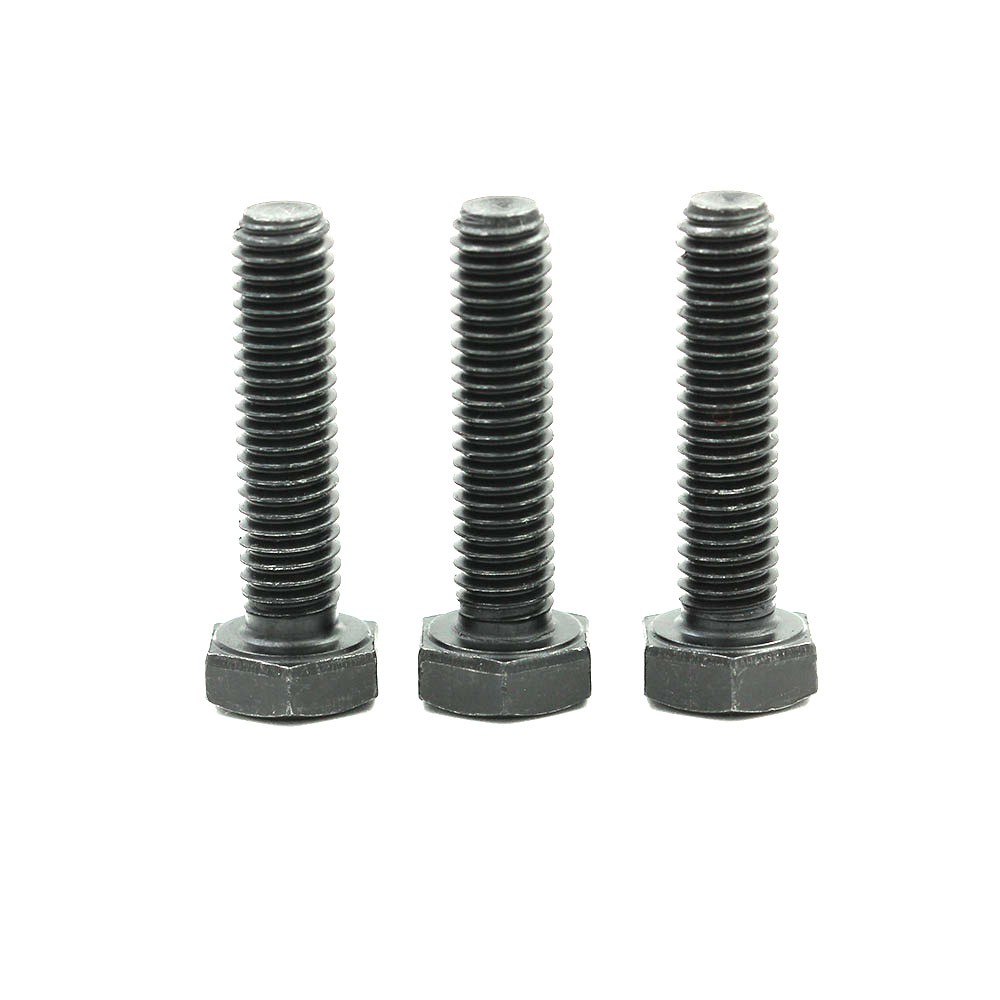
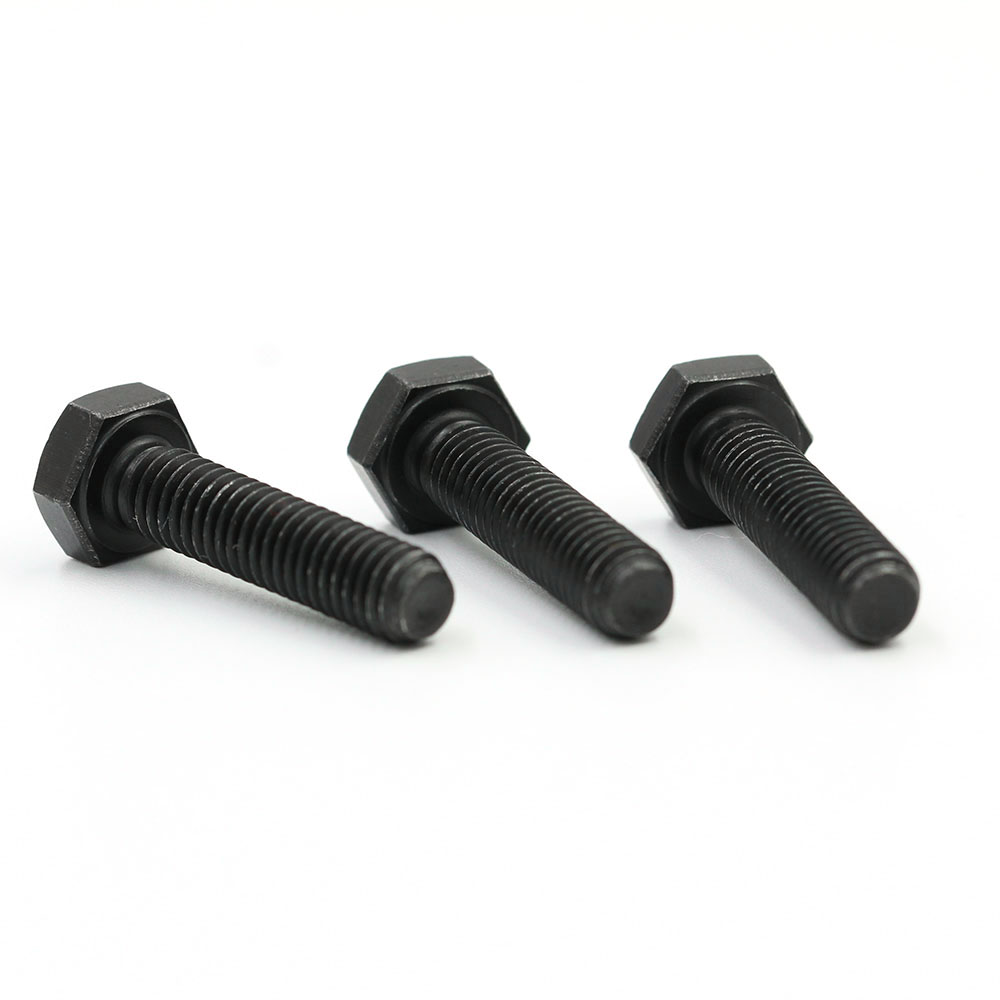
- Explain that a true Hex Cap Screw features a machined washer face under the head, which acts as a bearing surface. This allows it to be tightened into a tapped hole with high precision. Hex Bolts may lack this, making them more suitable for construction with nuts and washers.
[Browse our Precision Hex Cap Screws (Grade A/B)]
- Manufacturing Tolerances :
- Highlight that Hex Cap Screws are typically produced to Grade A or B (higher precision), while Hex Bolts are often Grade C (for general construction). This is critical for high-end machinery vs. structural assembly.
[View DIN 933 Full Thread Hex Bolts]
- Standard Reference:
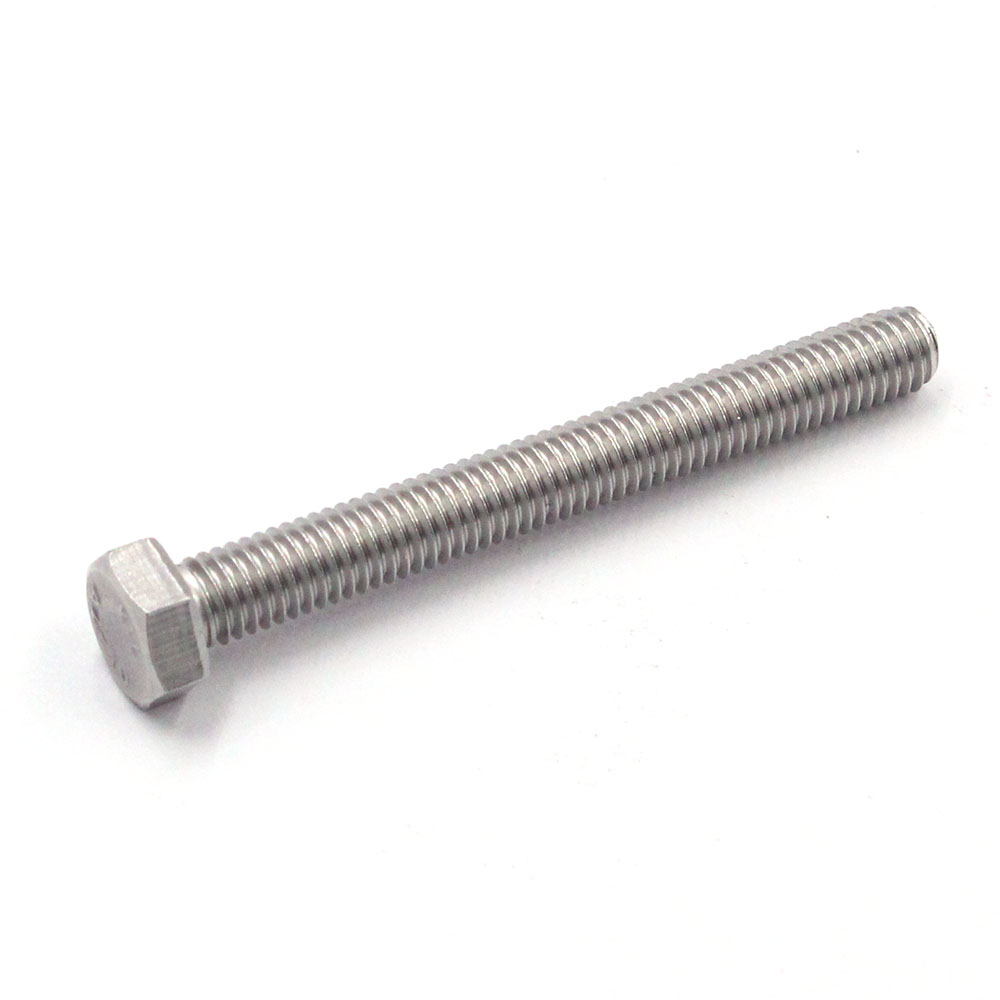
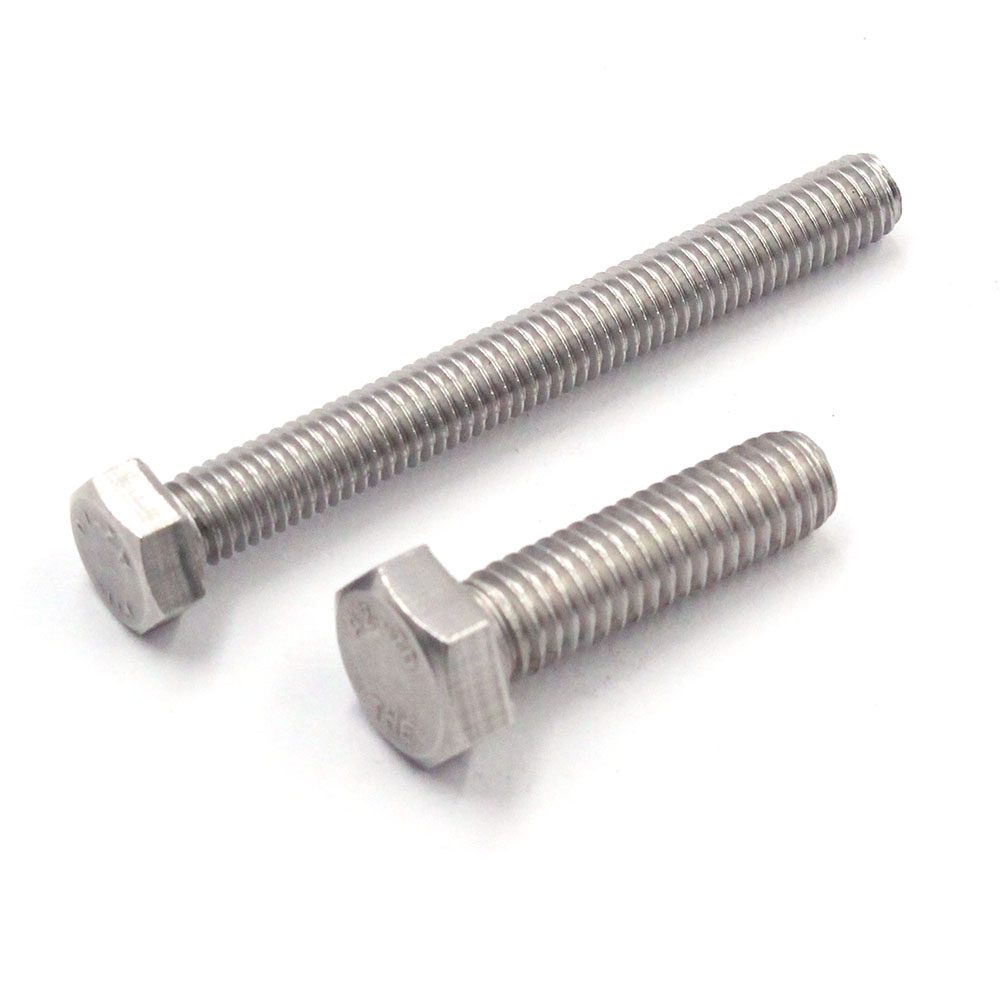
- Mention DIN 933 (Full thread) vs. DIN 931 (Partial thread). This helps engineers find the exact specification they need.
[Still unsure? Consult our technical team for the right fastener selection.]
Quick Comparison: Hex Cap Screw vs. Hex Bolt
| Feature | Hex Cap Screw | Hex Bolt |
|---|---|---|
| Thread Type | Full Thread (usually) | Partial Thread (usually) |
| Washer Face | Mandatory (Machined) | Optional / Not Required |
| Tolerance | Grade A or B (Precise) | Grade C (Construction) |
| Application | Tapped Holes / Machinery | Nuts & Washers / Structure |
Engineering Insight: Use a Hex Cap Screw when you need high-precision alignment and a flat bearing surface for industrial equipment.
Post time: Nov-15-2023





