

Wafer Head Machine Screw - Wholesale from Manufacturers | Quality
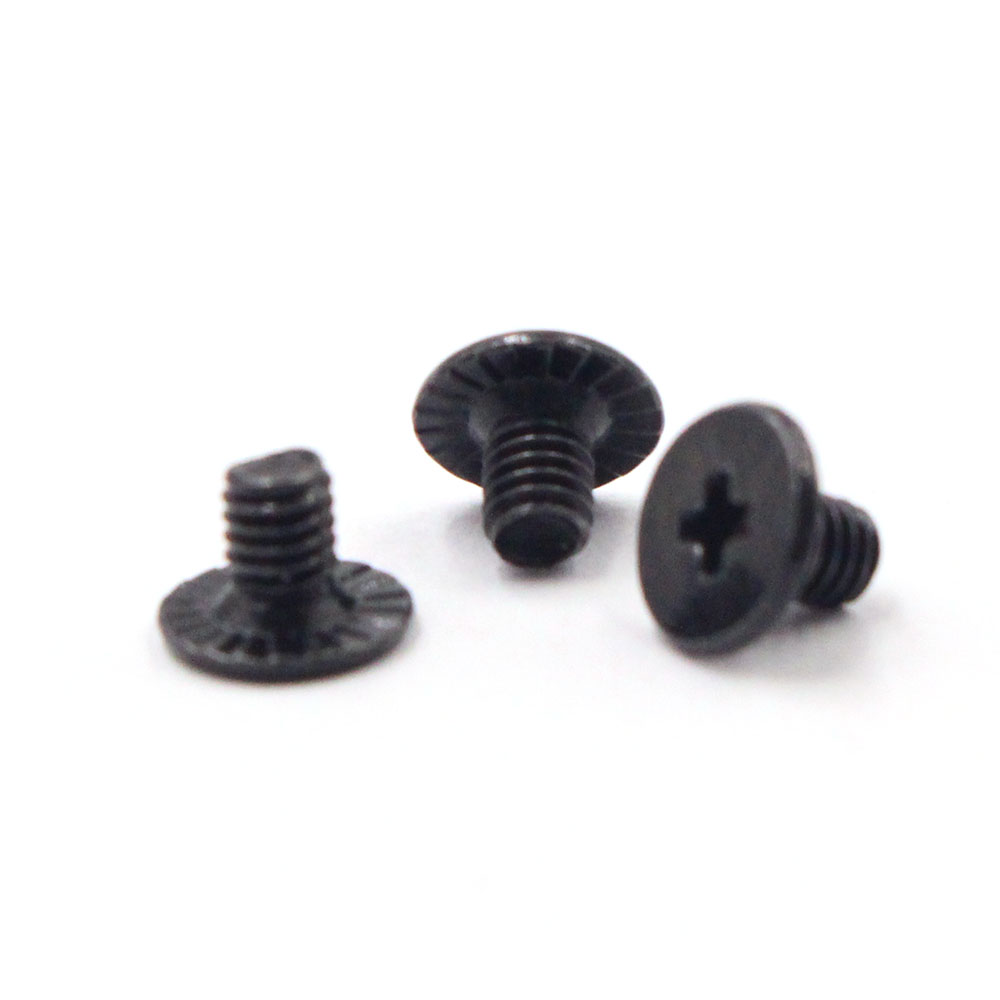
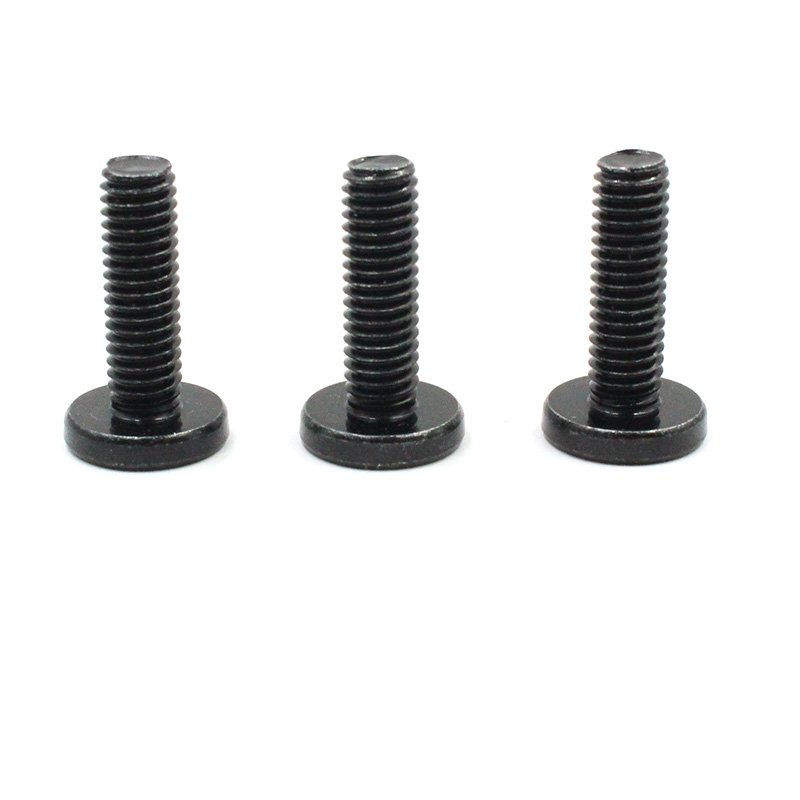
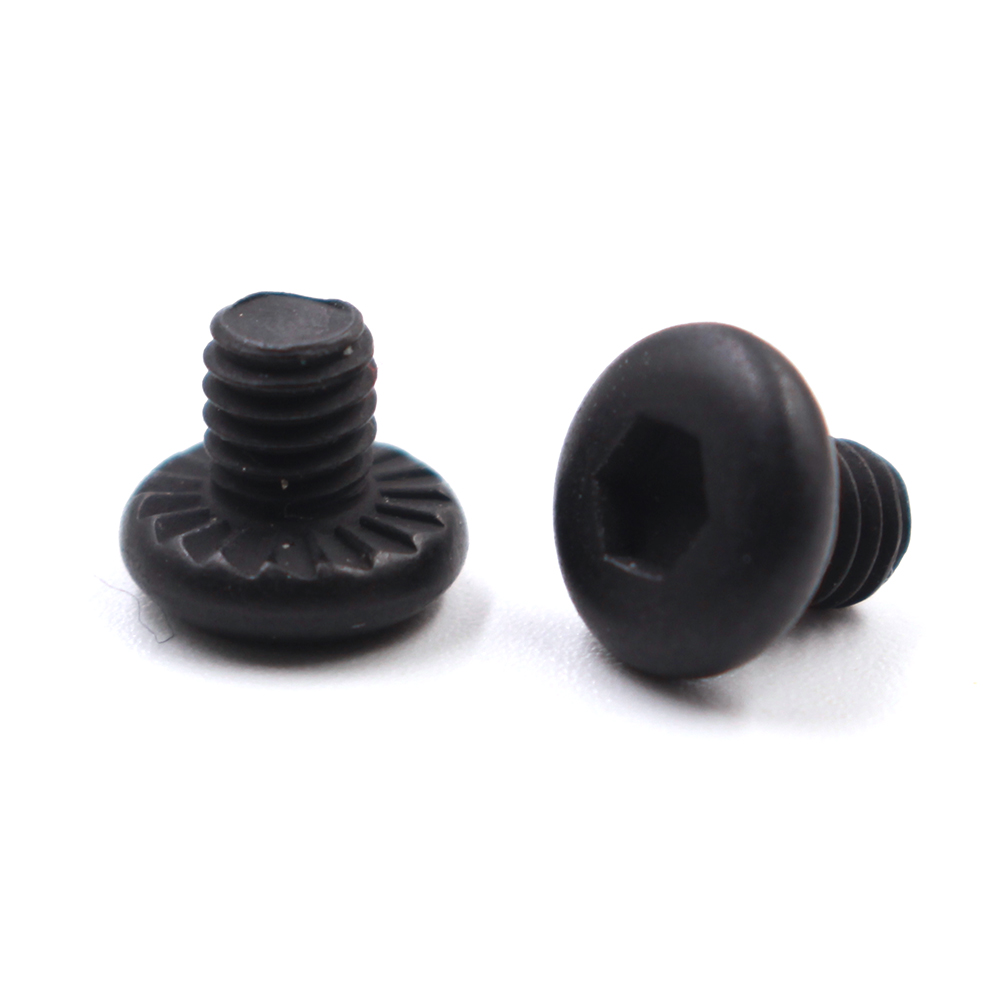
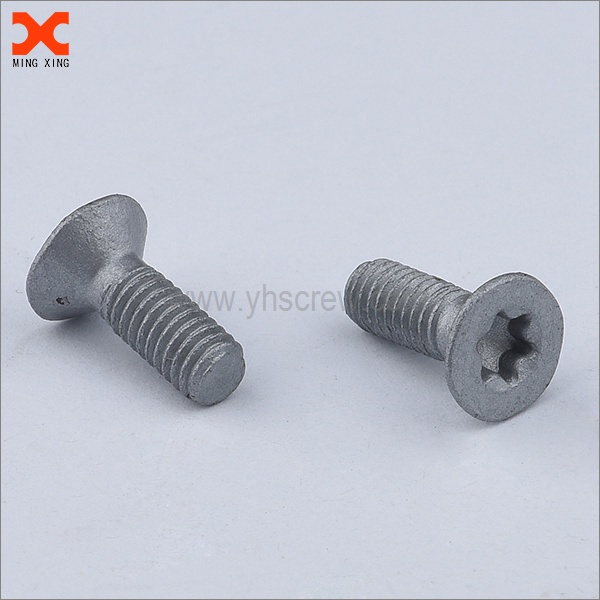
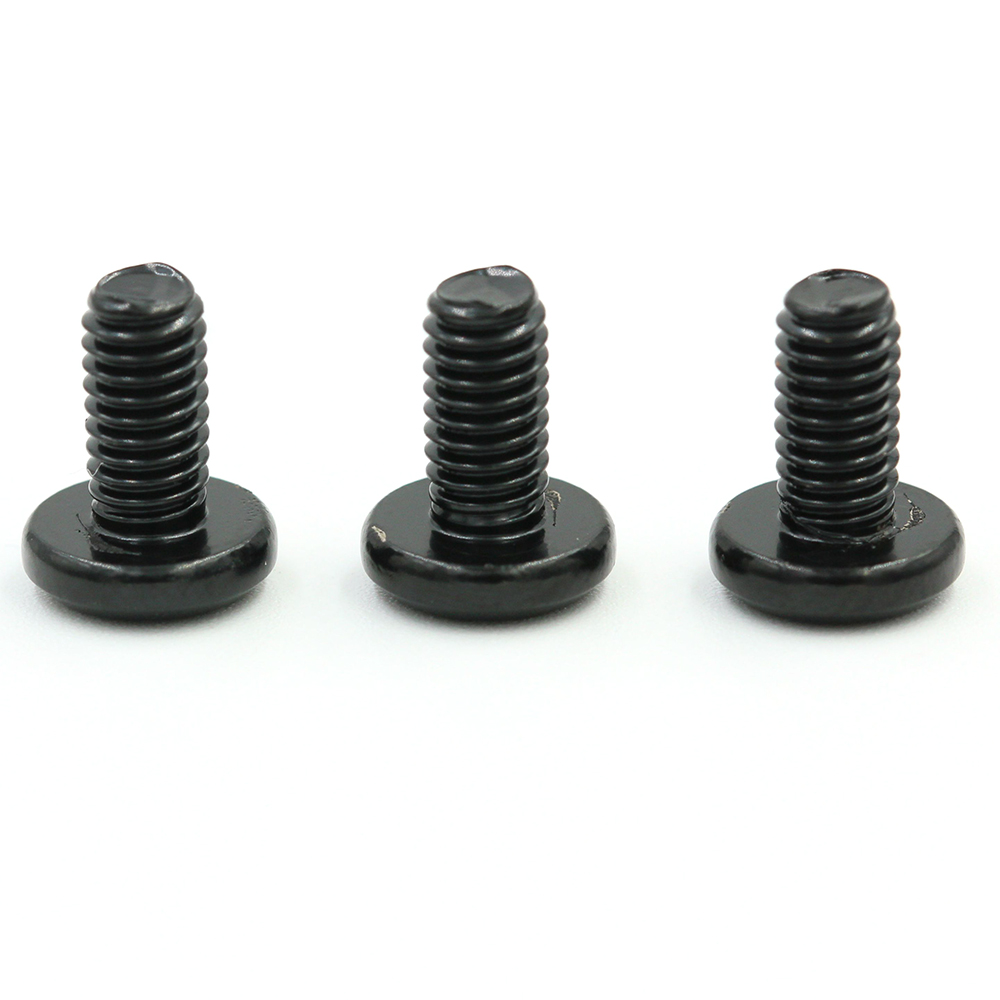
From the sourcing desk, I offer Wafer Head Machine Screw solutions built for high-precision assemblies. Whether you’re scaling Wholesale orders or coordinating with Manufacturers, my stock is ready to meet demand with fast lead times and competitive pricing. These screws feature a low-profile countersunk wafer head, accurate thread forms, and tight tolerances to prevent lever interference and pull-out under vibration. I provide materials including stainless steel (304/316), alloy steel, and brass, with finishes such as zinc, black oxide, and passivation. Sizes range from M2 to M6 (imperial equivalents available), with standard or fine pitch options and various drive types. I partner directly with CNC and automated assembly lines, offering QA documentation, lot traceability, and custom packaging to streamline your production. For Wholesale needs or Manufacturers sourcing, I tailor minimum order quantities and pricing, ensuring dependable supply, consistent quality, and on-time delivery—every time.

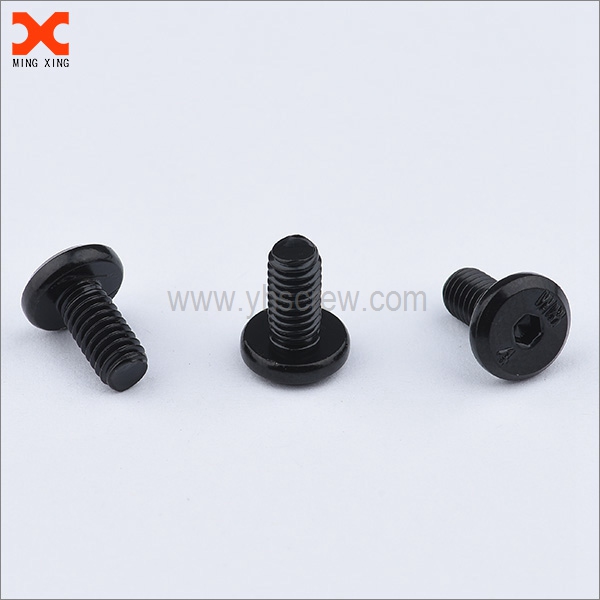
Wafer Head Machine Screw Guarantees Peak Performance Factory-Direct Excellence
Wafer head machine screws provide a compact, reliable fastening solution for precision electronics and tight enclosures. With a low-profile domed head and broad bearing surface, they distribute load evenly, resist pull-out, and minimize protrusion. Available in stainless steel, alloy, and coated finishes, they offer corrosion resistance and cost efficiency without sacrificing strength. Tight threading and controlled head height ensure consistent engagement with tapped holes and reliable vibration resistance across demanding environments. Global buyers benefit from factory-direct sourcing: shorter lead times, lower procurement costs, and transparent pricing. A strong wafer head program emphasizes tight tolerances, standard drive options, and traceable materials with rigorous in-line inspection. Custom lengths, threads, finishes, and tested data can be aligned to project needs, while scalable quantities support both prototyping and large-volume production. A dependable direct-supply partner helps streamline procurement, reduce risk, and keep performance consistent across international operations.
| Size (Thread x Length) | Head Type | Material | Finish | Coating | Tensile Strength (MPa) | Hardness (HRC) | Head Diameter (mm) | Drive Type | Applications |
|---|---|---|---|---|---|---|---|---|---|
| M2.5x4 | Wafer | A2-70 (304) | Plain | None | 520-700 | 85-95 | 5.0 | Phillips | Electronics enclosures |
| M3x6 | Wafer | A2-70 (304) | Satin | None | 520-700 | 85-95 | 6.0 | Hex Socket | Control panels |
| M4x8 | Wafer | A4-80 (316) | Passivated | None | 520-700 | 85-95 | 6.4 | Hex Socket | Outdoor equipment |
| M2x5 | Wafer | Carbon Steel 10.9 | Zinc Plated | Zn | 800-980 | 88-95 | 4.1 | Torx | Precision assemblies |
| M5x10 | Wafer | A2-70 | Black Oxide | Oxide | 520-700 | 85-92 | 7.6 | Hex Socket | Machinery panels |
| M6x12 | Wafer | A2-70 | Satin | None | 520-700 | 85-93 | 9.0 | Hex Socket | Mounting rails |
Related Products
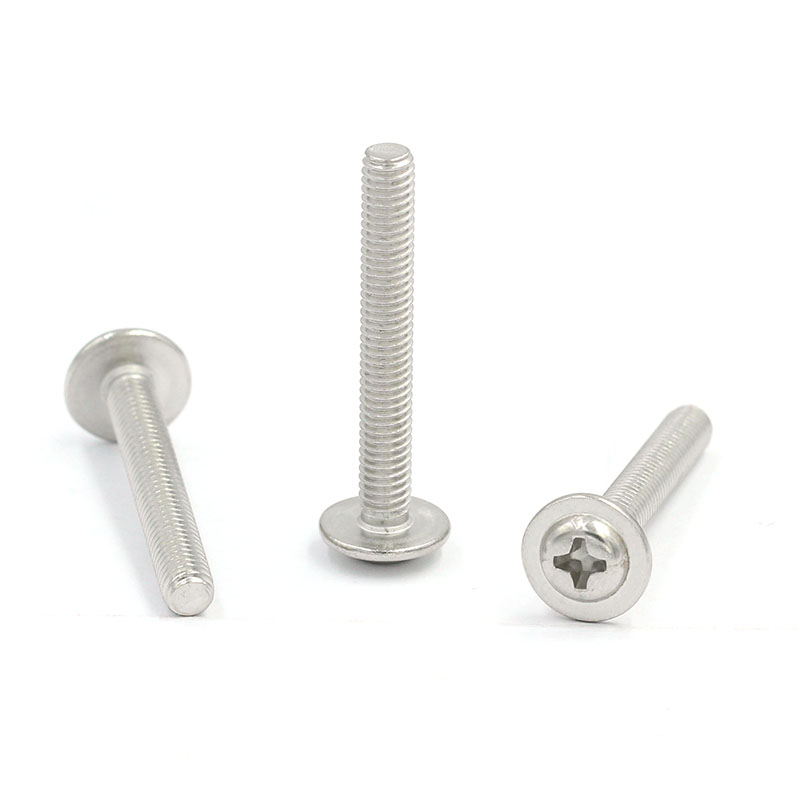


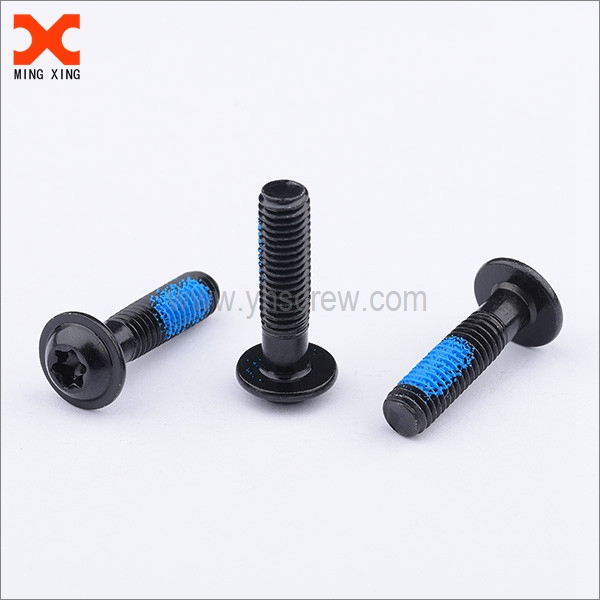

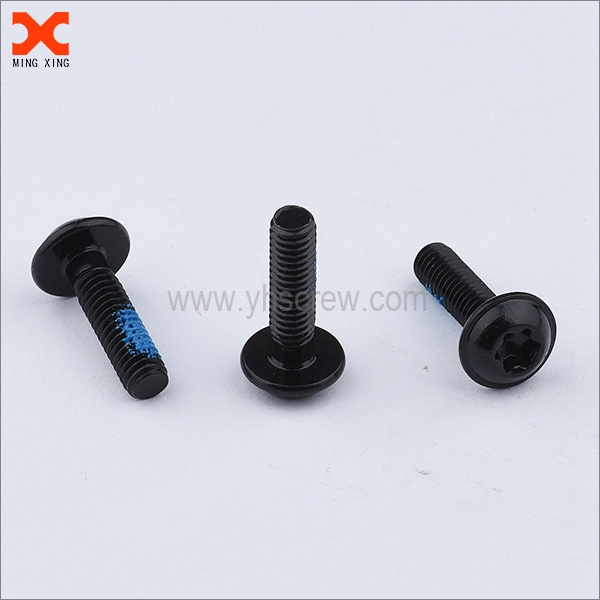

Wafer Head Machine Screw Factory-Direct Excellence From Concept to Delivery
Top Selling Products


- Related Blog
- Reviews
- Reviews

-

Phone
-

E-mail
-

Whatsapp
-

WeChat

-

Top


