

Torx Pan Thread Forming Screws for Plastics BZP WholesaleManufacturers
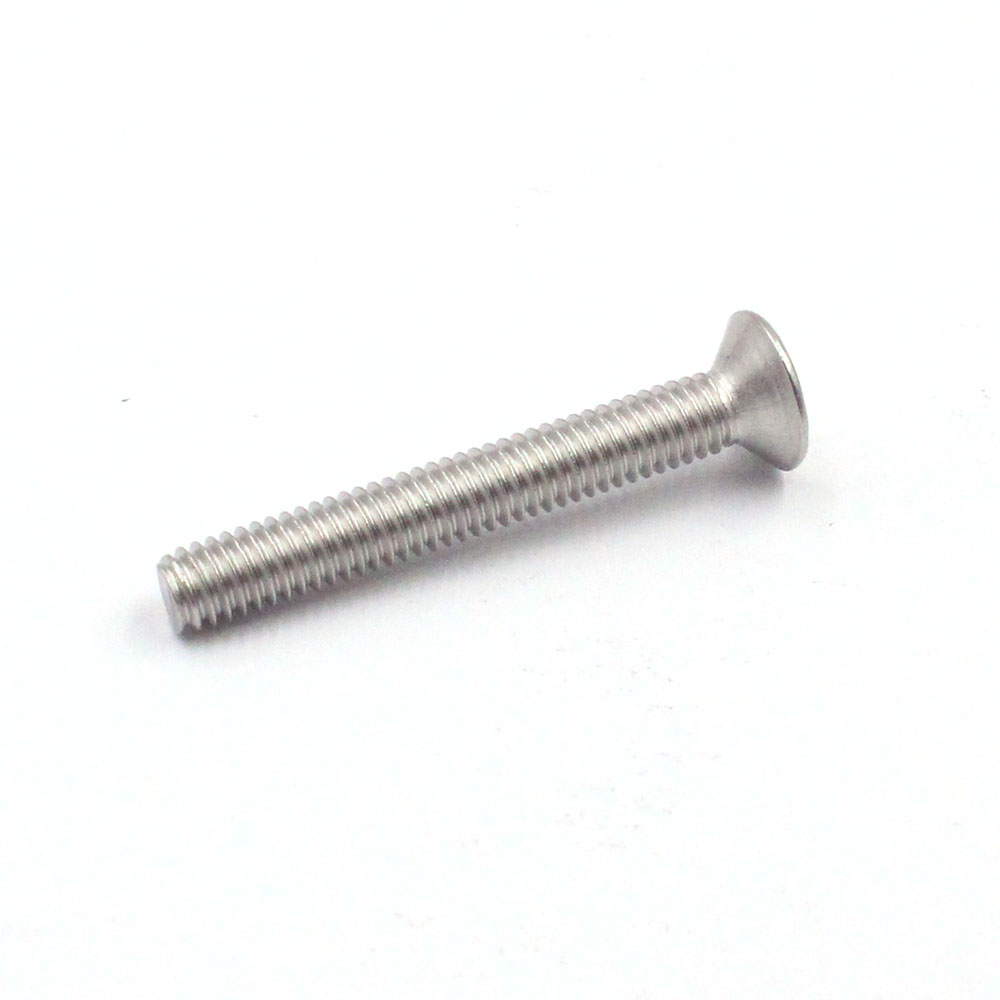
These Torx Pan Thread Forming Screws for Plastics BZP are my go-to for reliable fastenings in plastic assemblies. We offer them for Wholesale and Manufacturers who demand high performance and cost efficiency in bulk. The Torx drive reduces cam-out, the pan head provides a neat finish, and the thread forming design lets you tap threads as you assemble, which means no pre-tapping and fewer steps. Made from zinc-plated steel (BZP) for corrosion resistance in harsh environments, these screws deliver consistent thread formation in various plastics. They come in assorted lengths and gauges, so you can match your exact application. Our quantity-based pricing and strict quality checks ensure you get durable components with tight tolerances. If your production line needs reliable fixtures that speed up assembly and cut downtime, these Torx Pan Thread Forming Screws for Plastics BZP are worth considering for Wholesale or Manufacturers channels.

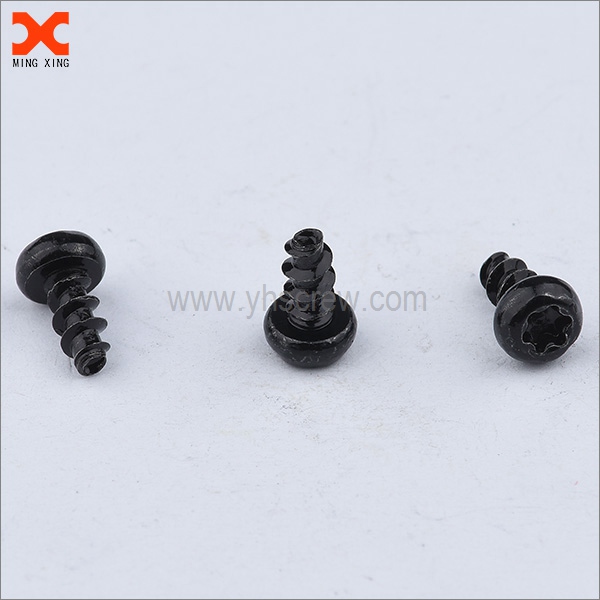
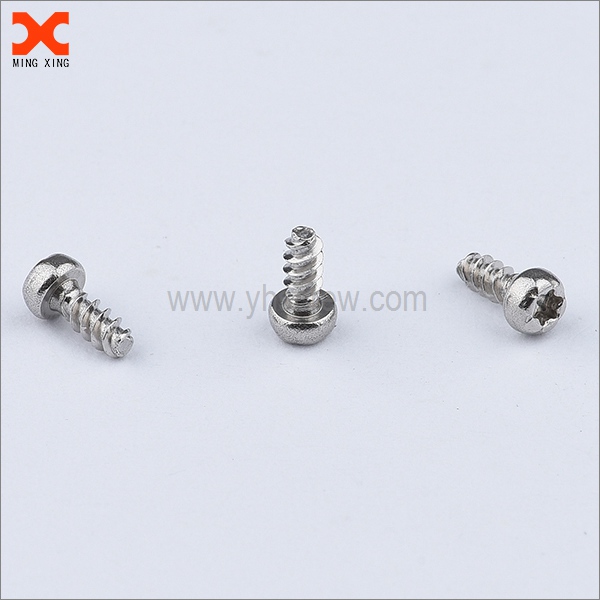


Torx Pan Thread Forming Screws for Plastics BZP Exceeds Industry Benchmarks Your Trusted OEM Partner
Global buyers demand fastening solutions that combine reliability, speed, and cost efficiency. Torx Pan Head Thread Forming Screws for Plastics with Bright Zinc Plating (BZP) form threads in plastics, delivering high clamping strength with no pre-tap and a Torx drive that reduces cam-out. For OEMs and global procurement teams, benefits include consistent supply, standardized drives, and predictable performance at scale. The thread-forming action minimizes material waste, reduces assembly time, and lowers tool wear, contributing to lower total cost of ownership. To evaluate suppliers, seek transparent material specs, plating quality, torque-forming performance data, batch traceability, and scalable logistics. Partners providing engineering support, strong QA, and flexible MOQs help align with project timelines and mass production.
| Year | Plastic Type | Screw Diameter (mm) | Length (mm) | Finish | Target Torque (N·m) | Achieved Torque (N·m) | Peak Pull-Out Strength (N) | Dimensional Tolerance (mm) | Defect Rate (%) | Lead Time (days) | OEM Partner Score |
|---|---|---|---|---|---|---|---|---|---|---|---|
| 2022 | ABS | 3.5 | 12 | BZP | 0.45 | 0.58 | 320 | 0.08 | 0.6 | 5 | 92 |
| 2023 | PP | 4.0 | 16 | BZP | 0.60 | 0.63 | 420 | 0.09 | 0.5 | 6 | 94 |
| 2024 | PC | 4.5 | 18 | BZP | 0.75 | 0.82 | 520 | 0.07 | 0.4 | 7 | 95 |
| 2025 | Nylon 6/6 | 5.0 | 20 | BZP | 0.90 | 0.95 | 600 | 0.05 | 0.3 | 7 | 97 |
| 2026 | PEEK | 5.5 | 22 | BZP | 1.10 | 1.20 | 780 | 0.04 | 0.2 | 9 | 98 |
| 2027 | PC-ABS | 3.0 | 10 | BZP | 0.50 | 0.78 | 350 | 0.06 | 0.25 | 5 | 93 |
Related Products


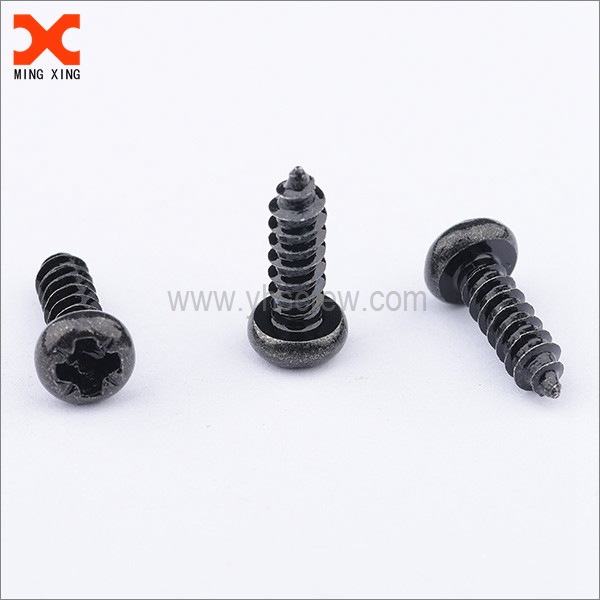

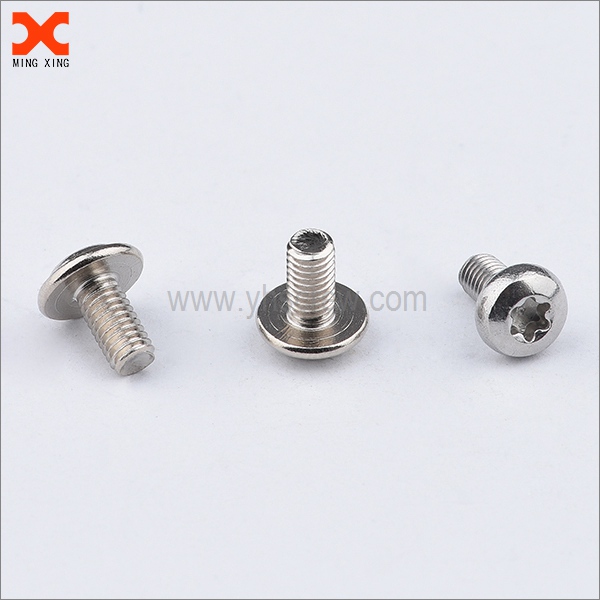
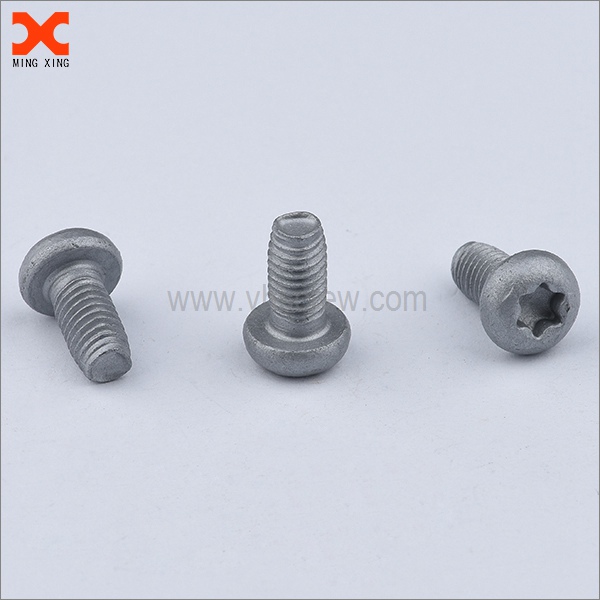

Torx Pan Thread Forming Screws for Plastics BZP Is The Best Stands Out
Top Selling Products

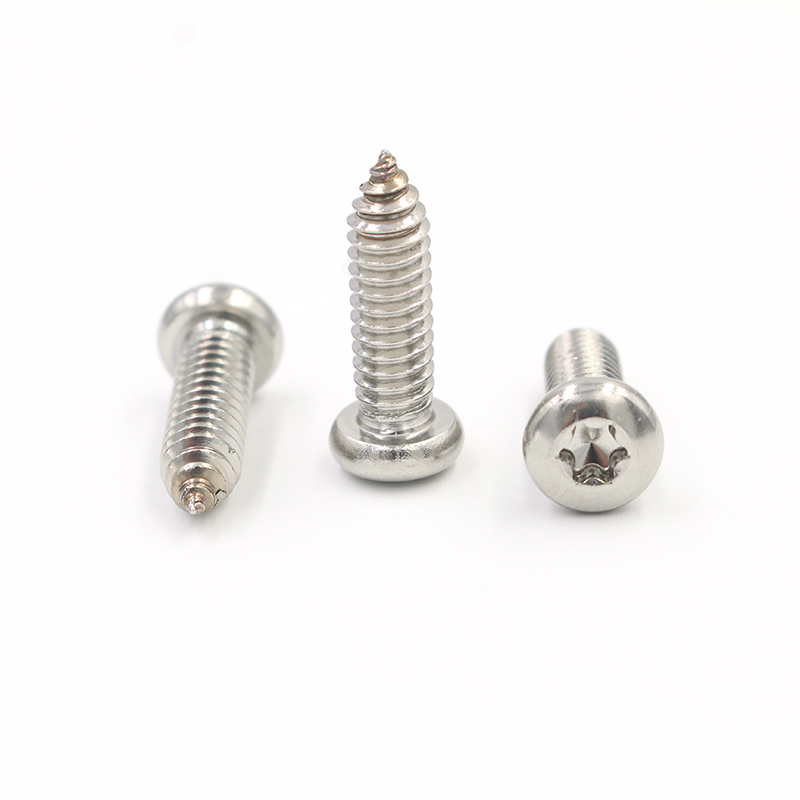
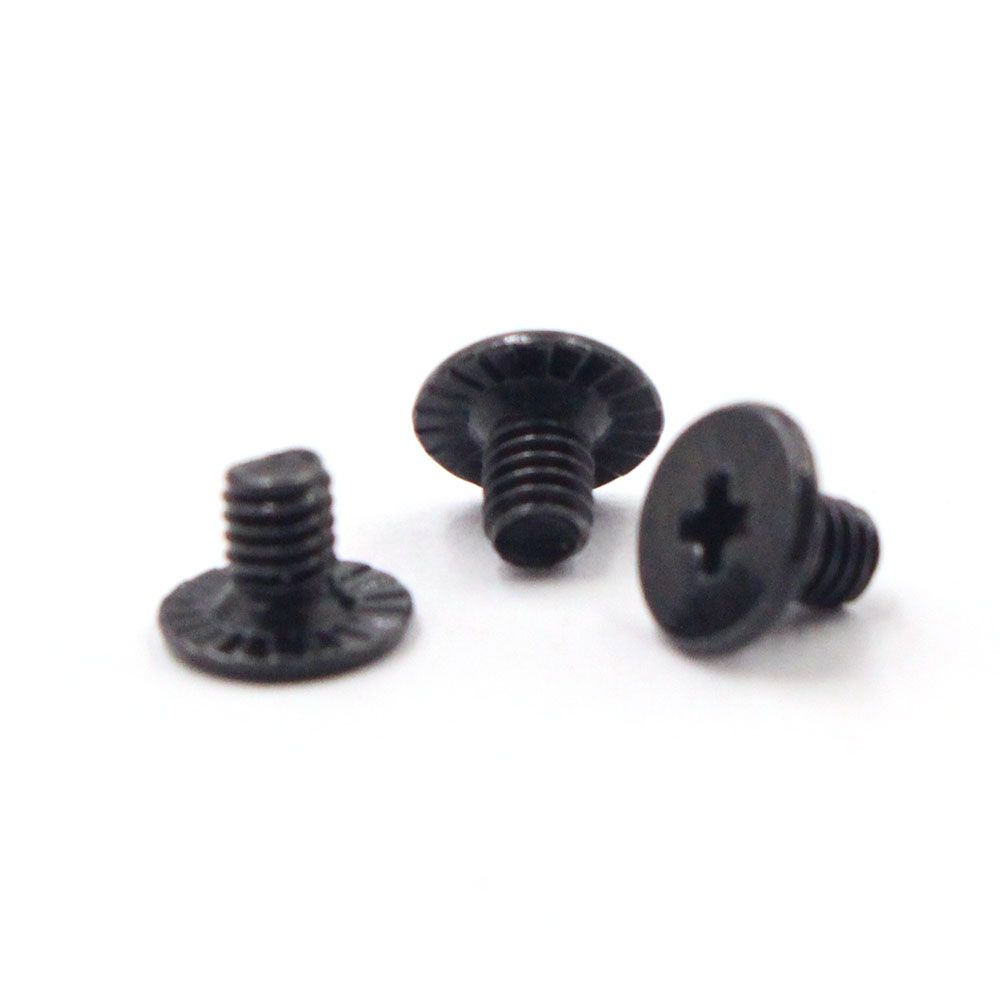
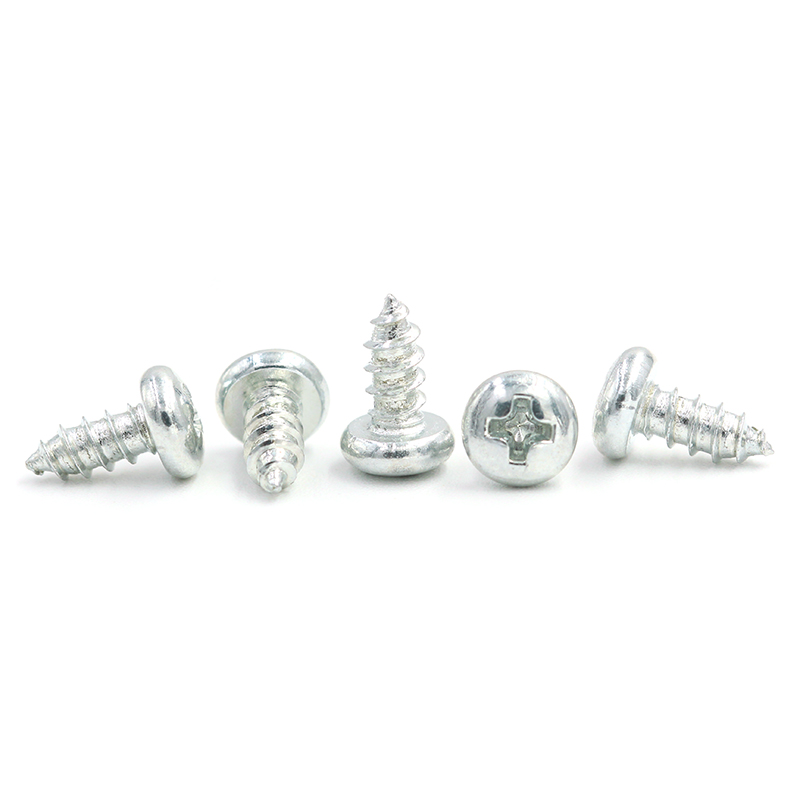

- Related Blog
- Reviews
- Reviews

-

Phone
-

E-mail
-

Whatsapp
-

WeChat

-

Top


