
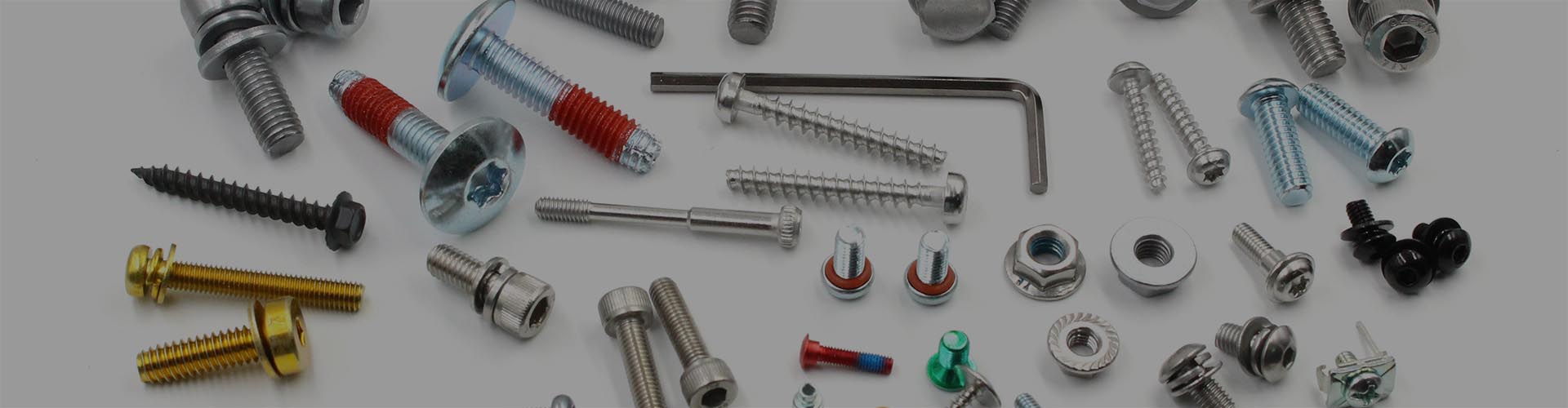
Custom Torx Pan Head PT Thread-Forming Screws for Plastic


| Item | Specification |
|---|---|
| Product Name | PT Thread-Forming Screws for Plastic |
| Head Type | Pan Head, Wide Pan Head or Custom Head Style |
| Drive Type | Torx / Six-Lobe Drive or Custom Drive Type |
| Thread Type | PT Thread, Thread-Forming Thread for Plastic or Custom Plastic Thread Profile |
| Tip Type | Blunt Point or Customized Point Style |
| Thread Structure | Fully Threaded or Customized Thread Length |
| Size | According to Customer Drawings or Samples; Special Sizes Available upon Evaluation |
| Standard | ISO, DIN, ANSI, JIS, GB or Customer Drawing |
| Material | Carbon Steel, Stainless Steel, Alloy Steel, Brass or Other Specified Materials |
| Mechanical Properties | Customized According to Material, Drawing and Plastic Assembly Requirements |
| Surface Treatment | Zinc Plating, Nickel, Black Oxide, Tin, Dacromet, Geomet or Custom Finish |
| Tolerance | According to Drawing and Application Requirements |
| Custom Service | Size, Head, Drive, Thread, Material, Finish, Marking and Packaging |
| Inspection | Dimensions, Torque, Pull-Out, Material and Optical Sorting |
| Application | Plastic Housings, Electronic Products, Automotive Plastic Parts and Industrial Assemblies |
| OEM / ODM | Supported |

Key Product Features
Thread-Forming for Plastic
The PT thread is designed to form a mating thread in plastic bosses during installation, making it suitable for thermoplastic assembly applications.
Reduced Boss Stress
Compared with unsuitable standard fasteners, a properly designed PT screw can help reduce radial stress in the plastic boss during installation.
Improved Assembly Consistency
The thread profile is designed to support stable engagement, making it suitable for controlled assembly in manual or automated production.
Torx Drive for Better Torque Control
The six-lobe drive helps improve tool engagement and supports more consistent torque transmission during installation.
Typical Uses
Consumer Electronics
Suitable for plastic housings in routers, smart devices, handheld products and other compact electronic assemblies.
Home Appliances
Used in plastic covers, internal structural parts and molded housings in household appliances.
Automotive Plastic Components
Applicable to interior trim parts, sensor brackets, lamp housings and other plastic components, subject to assembly validation.
Industrial Equipment
Suitable for control housings, plastic covers and non-metallic structural parts in industrial devices.
Communication Devices
Can be used in plastic enclosures and support parts for communication and networking equipment.
Precision Plastic Assemblies
Suitable for small molded components that require controlled installation torque and repeatable assembly performance.
Product Application
PT thread-forming screws are designed for direct installation into plastic bosses without requiring a pre-tapped metal thread. During installation, the screw forms a mating thread in the plastic material, allowing the fastener and the plastic component to work as one matched assembly.
These screws are commonly used where manufacturers need a balance between holding performance, assembly efficiency and reduced boss damage risk. For best results, the screw design, pilot-hole size, boss geometry, plastic material and installation torque should be evaluated together rather than selected independently.
Why Plastic Bosses Crack or Strip During Assembly
Incorrect Pilot-Hole Size
If the pilot hole is too small, installation torque may rise too quickly and cause boss cracking. If it is too large, thread engagement and holding performance may be insufficient.
Unsuitable Screw Thread
A standard screw thread that is not designed for plastic may create excessive radial stress or poor thread engagement in the boss.
Excessive Installation Torque
Overtightening can damage the formed plastic thread, crack the boss or cause stress whitening around the assembly point.
Weak Boss Design
Insufficient boss wall thickness, inadequate support ribs or poor part geometry can reduce assembly stability and increase failure risk.
Incompatible Plastic Material
Different plastics respond differently to thread-forming installation. Material brittleness, filler content and molding quality can all affect performance.
Poor Process Control
Inconsistent driver settings, worn tooling or unstable insertion alignment can lead to fluctuating torque and uneven assembly quality.

Yuhuang
A4 building, Zhenxing science and Technology Park, frist in dustrial area
tutang village, changping Town, Dongguan City, Guangdong
-
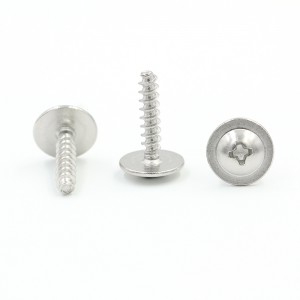
supplier wholesale Thread Forming PT Screw for ...
-
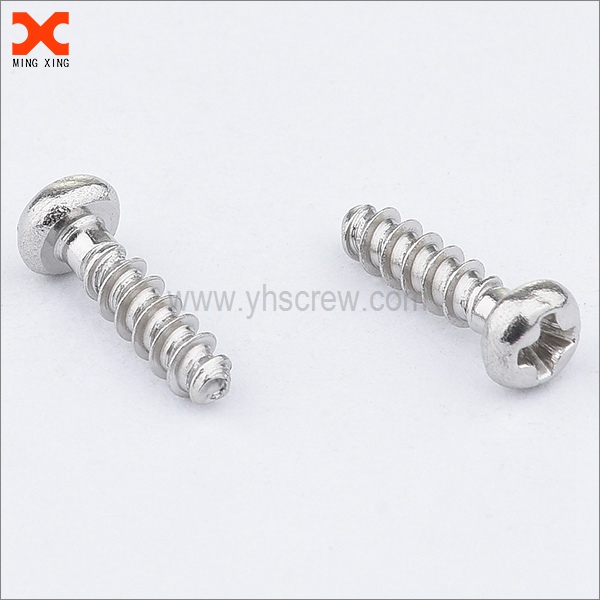
18-8 stainless steel pan head phillips PT screw...
-
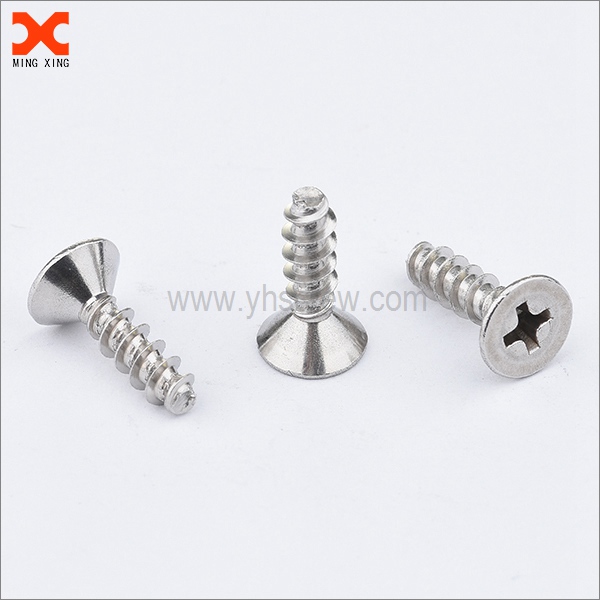
18-8 stainless steel PT tapping thread rolling ...
-

Black Countersunk coss PT Thread Self-Tapping S...
-
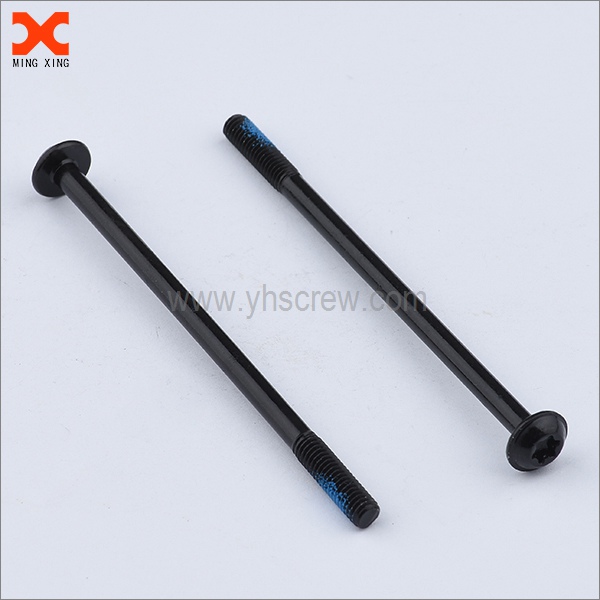
Black torx drive washer head captive screw with...
-
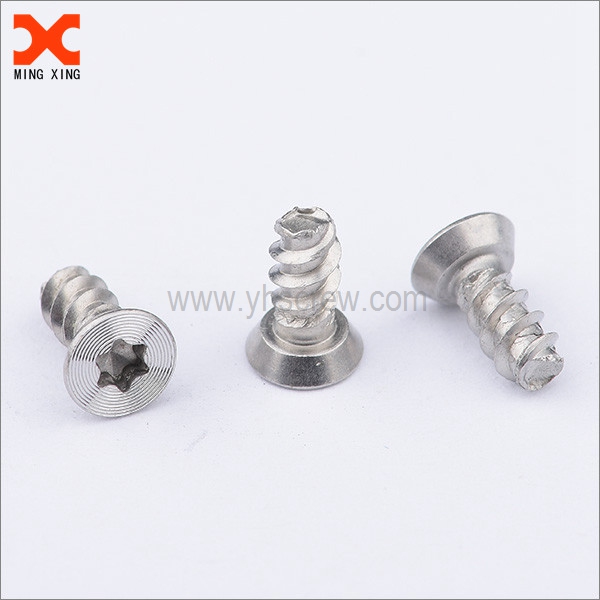
CD finish plastite PT screws for mobile phones
-
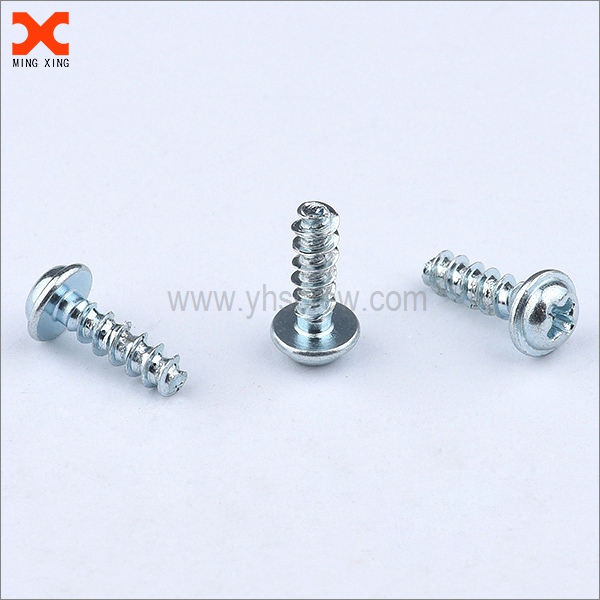
Custom phillips washer head pt screws for plastic
-

custom pt thread forming self-tapping screws fo...
-

ejot pt screw Self Tapping Screws
-
high quality custom Torx Drive Delta PT Screws ...





