banner (1)

Stainless Steel Socket Head Cap Screws - China Manufacturer

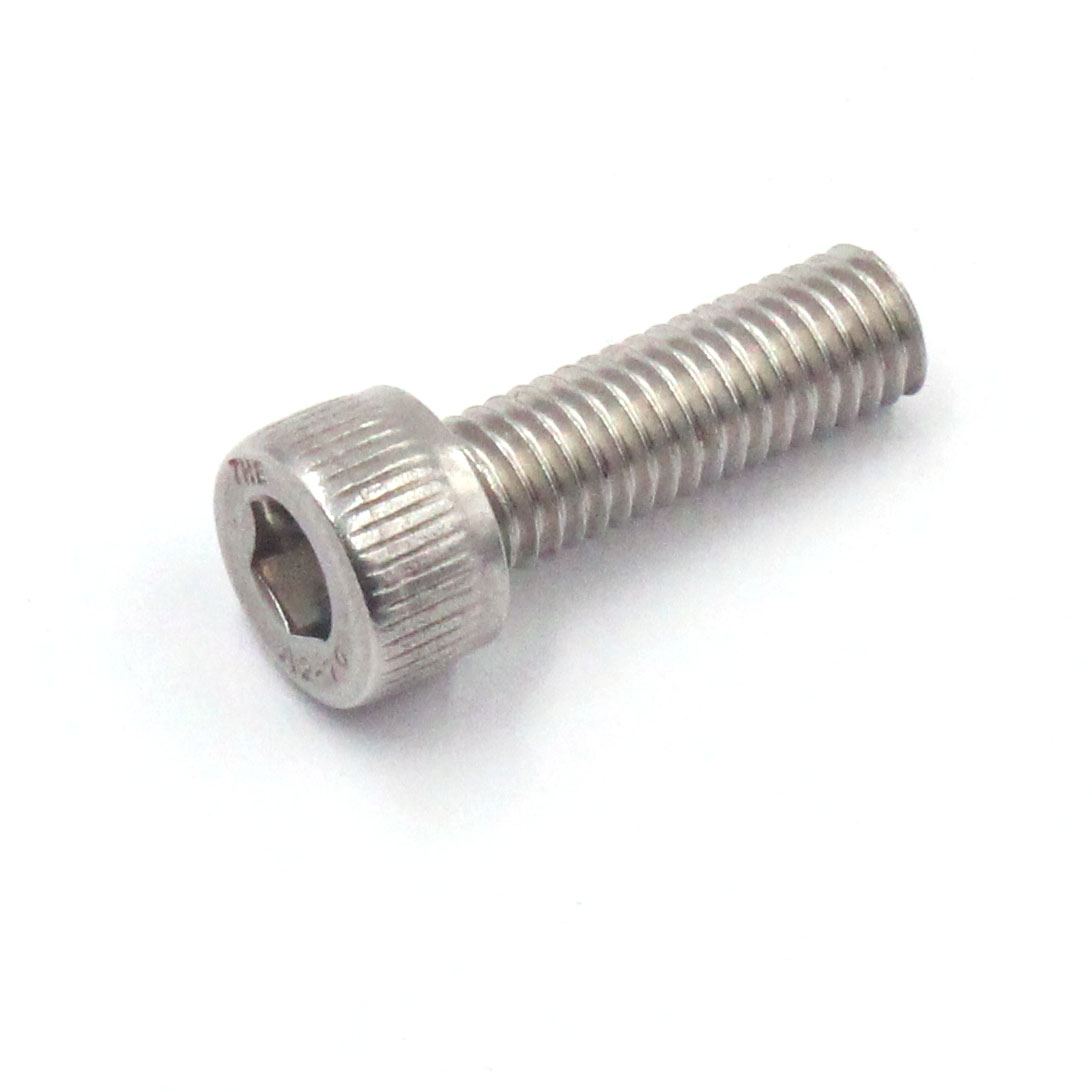
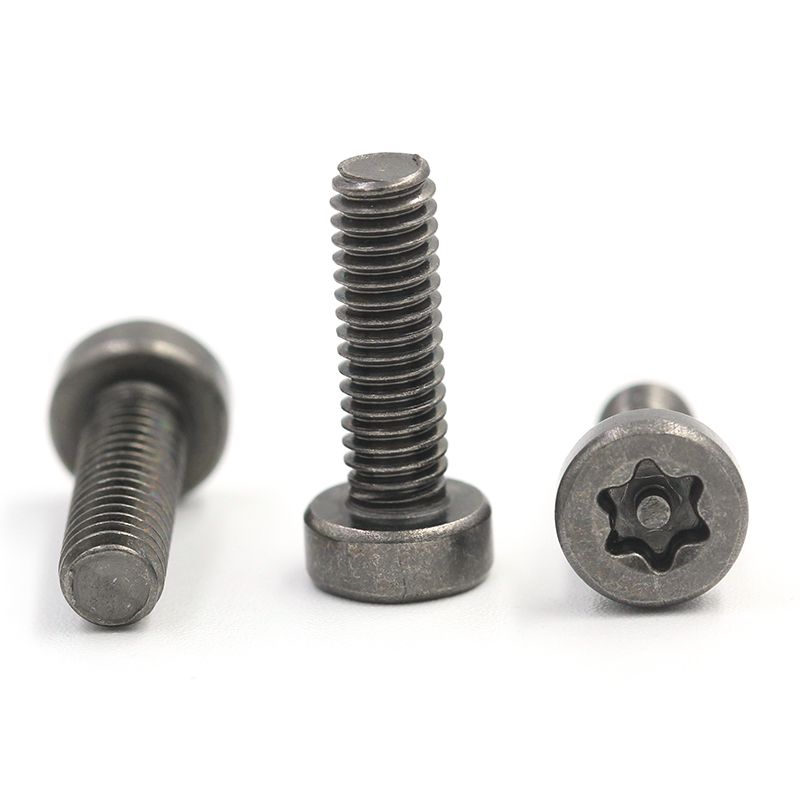
From my workshop to your supply chain, I offer Stainless Steel Socket Head Cap Screws that stand up to high torque, corrosion resistance, and precision. As a China Manufacturer, I know what B2B buyers demand: consistent batch quality, fast lead times, and clear documentation. Our Stainless Steel Socket Head Cap Screws come in grades 304 and 316, with black oxide or passivated finishes, available sizes from M3 to M12, and thread pitches standard or fine. I ensure tight tolerances, chrome-under head, and a strong grip in aerospace, automotive, and machinery applications. You can count on reliable shipments, on-time delivery, and competitive pricing. I provide QC certificates, material test reports, and packaging to suit your kit. If you need volume pricing or customized dimensions, I’m ready to work with your engineers. Whether you’re stocking for a distributor or engineering firm, I’m here as your partner for Stainless Steel Socket Head Cap Screws that meet your spec and budget.

Hot Selling Product

Stainless Steel Socket Head Cap Screws Stands Out Service Backed by Expertise

Stainless Steel Socket Head Cap Screws Stands Out: Service Backed by Expertise in global procurement. These fasteners combine compact strength with excellent corrosion resistance for machinery, electronics, automotive, and construction projects worldwide. Sourced from a partner with deep knowledge of stainless steel chemistry and precision finishing, they withstand demanding environments and maintain interchangeability. Alloys such as 304 and 316 equivalents, precise heat-treated cores, and accurate thread forms ensure stable dimensions, with rigorous process controls providing traceability and quality in every batch. Service backed by expertise means end-to-end support: engineering guidance on material choice and dimensions, rapid sampling for approval, robust QA with incoming inspection, and clear documentation. Global buyers benefit from flexible MOQs, scalable production, competitive pricing, and dependable lead times enabled by optimized manufacturing and logistics. With sustainable practices and compliant packaging, a capable supplier helps align production with diverse schedules, reduce supply chain risk, and keep projects moving worldwide.

Stainless Steel Socket Head Cap Screws Stands Out Service Backed by Expertise
Size Length (mm) Material Grade Finish Drive Style Standard Tensile Strength (MPa) Hardness (HRC) Corrosion Resistance Temperature Range (C) Notes
M3x0.5 8 304 Passivated Hex Socket ISO 4762 515–620 22 High -60 to 250 Common for electronics assemblies
M4x0.7 12 316 Polished Hex Socket DIN 912 515–620 24 Very High -60 to 300 Marine-grade for wet environments
M5x0.8 16 304 Passivated Hex Socket ISO 4762 520–620 23 High -60 to 250 General-purpose high-strength fastener
M6x1.0 20 316 Passivated Hex Socket DIN 912 585–700 25 Very High -60 to 300 Ideal for corrosive environments
M8x1.25 25 316 Polished Hex Socket ISO 4762 540–620 24 Very High -60 to 280 Aerospace/machinery grade
M10x1.5 30 304 Satin Hex Socket DIN 912 515–600 23 High -60 to 260 Precision fittings

Related Products

banner (4)

Stainless Steel Socket Head Cap Screws in 2025 Sets the Industry Standard

Data Dimension: Throughput by Material Grade (2015-2024)

Grade A Grade B
This chart presents the yearly production throughput for two material grades used in stainless steel socket head cap screw manufacturing from 2015 to 2024. The data dimension examined here is throughput over time by material grade, capturing how output capacity evolves for higher-grade material versus standard-grade under changing market conditions, process improvements, and supply chain dynamics. Grade A shows a steady upward trajectory, increasing from 120 tons per day in 2015 to about 210 tons per day by 2024. Grade B begins at approximately 100 tons per day and reaches roughly 170 tons per day in 2024, indicating strong growth but at a more moderate pace than Grade A. The widening gap between grades in certain years reflects targeted capital investments and efficiency gains that primarily benefitted higher-grade production lines, while occasional alignment of demand and raw-material supply affected both grades similarly in some periods. Interpreting these trends, manufacturing planners can infer that investments in tooling, automation, and supplier reliability for Grade A have amplified overall plant throughput, especially in peak demand years. Conversely, Grade B growth suggests that ongoing optimization and cost-control measures can still yield meaningful gains, albeit with smaller marginal effects. The chart underscores the importance of balancing material-grade strategy with production scheduling, maintenance planning, and energy consumption to maximize utilization and return on investment. In summary, throughput by material grade provides a nuanced view of how capacity expansion interacts with material quality targets, market demand, and operational efficiency across a decade.

Top Selling Products