

Spacers: Custom Solutions for Factories - Quality & Precision
I help engineers finding reliable {spacers} for complex assemblies. My team creates products that fit tight tolerances, resist corrosion, and adapt to space constraints. For Custom needs, I can tailor dimensions, materials, finishes, and threading to your exact specs. These spacers are ideal for Factories seeking repeatable performance in automation lines, conveyors, and machine frames. With quick turnarounds, small batches, or full-scale production, I keep you in mind. I source from trusted suppliers and maintain quality checks so you get consistent results, every lot. If you need a proof of concept or spec sheet, I provide samples and engineering support, including tolerances and fit recommendations. Choose my spacers for reliable mounting, vibration dampening, and easy assembly. It's about smooth operation and reduced downtime, isn't it?


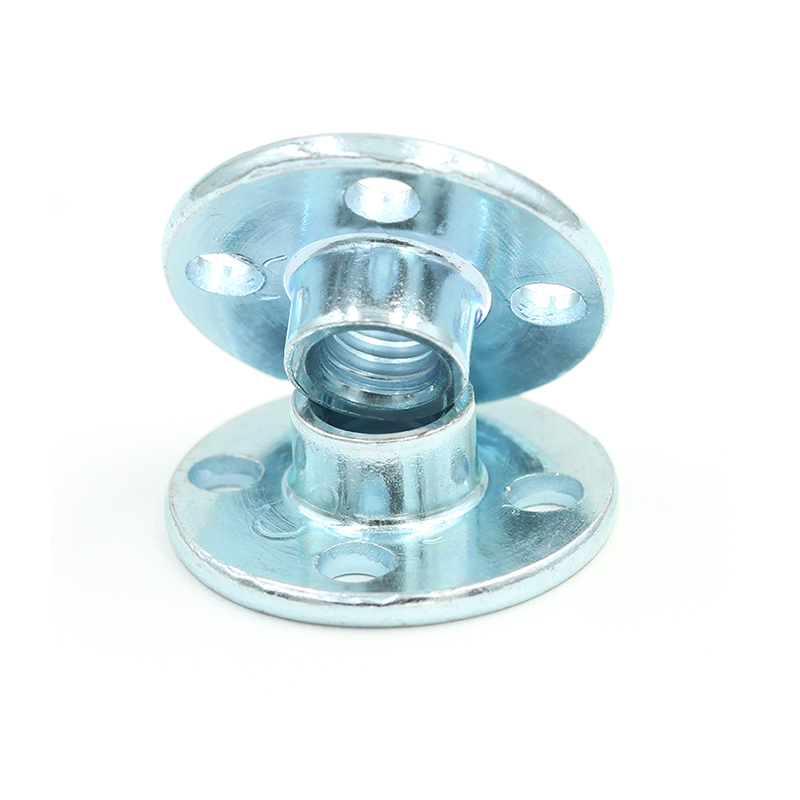
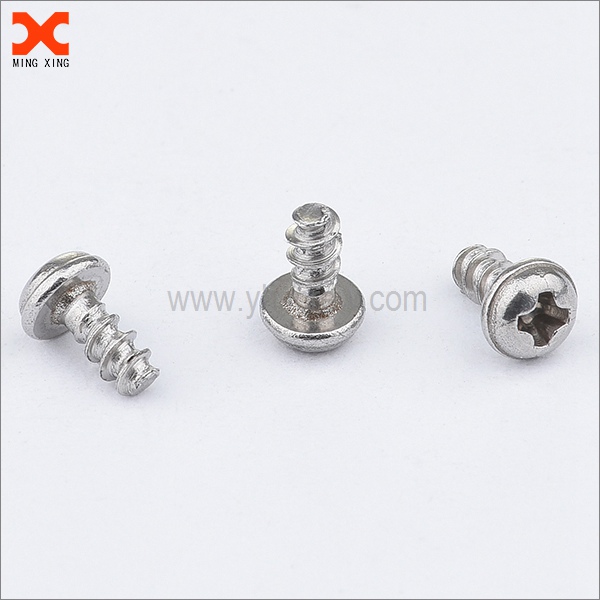
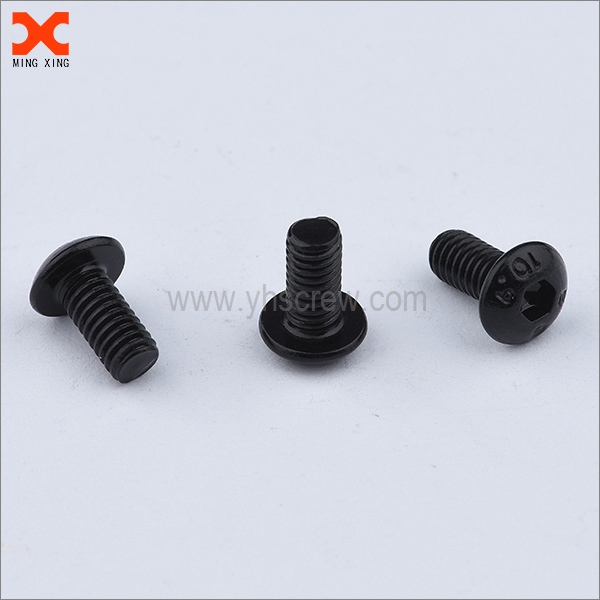
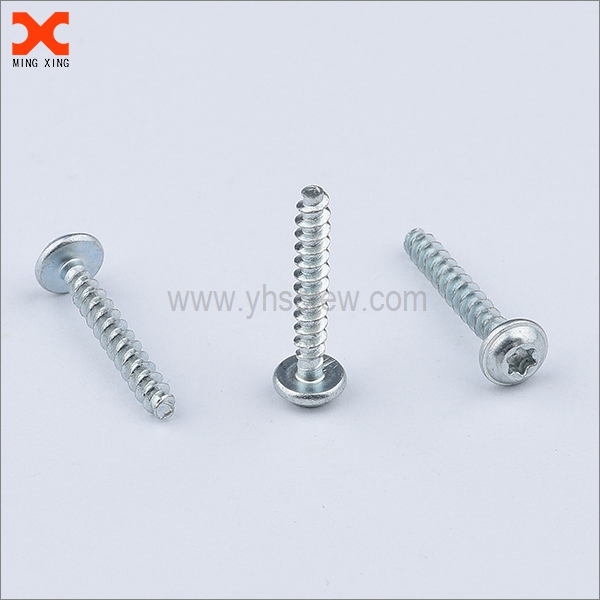
spacers Application Products
Spacers are small but essential components that create precise gaps between parts, control assembly height, and provide isolation or thermal management in a wide range of devices. They span materials from stainless steel, aluminum, brass, and engineering plastics to carbon fiber-reinforced options, with finishes such as zinc, nickel, or anodizing. In electronics, they space PCBs and panels; in automotive and industrial equipment, they align and damp vibrations; in optics, they protect delicate parts. Global buyers seek suppliers with tight tolerances, traceability, and RoHS/REACH compliance. To procure spacers efficiently, specify material, outer diameter, inner bore, length, and tolerance; indicate thread type if threaded, plus head style and finish. Consider environment (corrosion, temperature), load, and whether electrical insulation is needed. Request datasheets, material certs, and testing options (dimensional checks, hardness, salt spray). A capable supplier can offer standard catalog spacers or custom designs, rapid prototyping, scalable production, and reliable global shipping with consistent quality.
{ spacers Application Products}
| Product ID | Category | Material | Outer Diameter (mm) | Inner Diameter (mm) | Thickness (mm) | Length (mm) | Tolerance (mm) | Temperature Range (C) | Applications | Finish | Origin |
|---|---|---|---|---|---|---|---|---|---|---|---|
| SP-001 | Spacer | Nylon 6/6 | 6.0 | 3.0 | 1.5 | 12.0 | ±0.10 | -40 to 100 | Machinery assembly; Electronics enclosure | Natural | Germany |
| SP-002 | Spacer | PTFE (Teflon) | 8.0 | 4.0 | 1.2 | 8.0 | ±0.15 | -200 to 260 | Conveyor guides; Guide rails | Molded | Japan |
| SP-003 | Spacer | Stainless Steel 304 | 12.0 | 6.0 | 1.5 | 25.0 | ±0.10 | -60 to 300 | High-temperature mechanical assemblies | Deburred; Passivated | USA |
| SP-004 | Spacer | Aluminum 6061-T6 | 10.0 | 5.0 | 2.0 | 15.0 | ±0.15 | -40 to 200 | Light machinery; Assembly fixtures | Anodized | China |
| SP-005 | Spacer | Polypropylene (PP) | 5.0 | 2.0 | 1.0 | 10.0 | ±0.10 | -10 to 90 | Consumer electronics mounting | Natural | Italy |
| SP-006 | Spacer | Ceramic (Alumina) | 3.0 | 1.0 | 1.0 | 6.0 | ±0.05 | -200 to 1200 | High-temperature insulators | Polished | Switzerland |
| SP-007 | Spacer | Brass CuZn39Pb3 | 9.5 | 4.5 | 2.0 | 12.0 | ±0.15 | -20 to 350 | Automotive assemblies | Passivated | Czech Republic |
| SP-008 | Spacer | PEEK (Polyether ether ketone) | 7.0 | 3.5 | 1.5 | 14.0 | ±0.10 | -70 to 260 | Medical equipment housings | Matte | Singapore |
Related Products


spacers Is The Best Where Service Meets Innovation
Top Selling Products




- Related Blog
- Reviews
- Reviews

-

Phone
-

E-mail
-

Whatsapp
-

WeChat

-

Top


