banner (1)

Slot Shoulder Screw for OEM | Reliable Suppliers

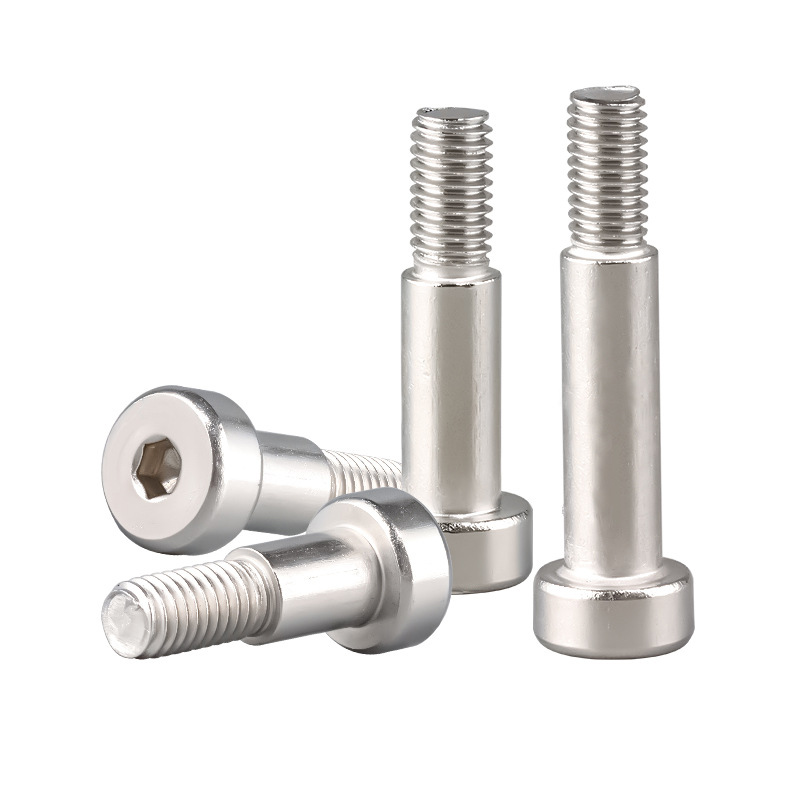
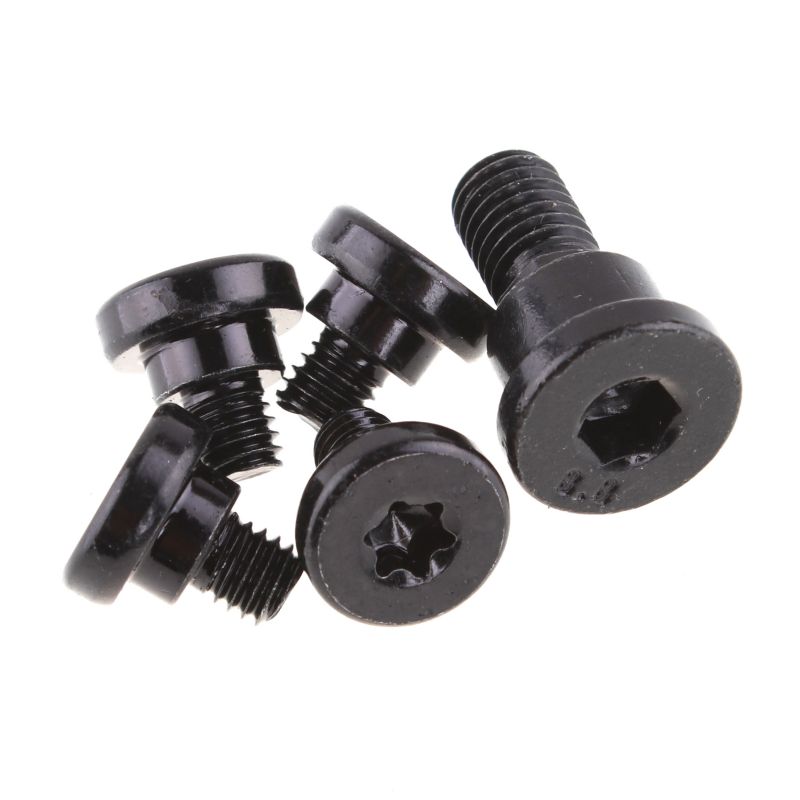
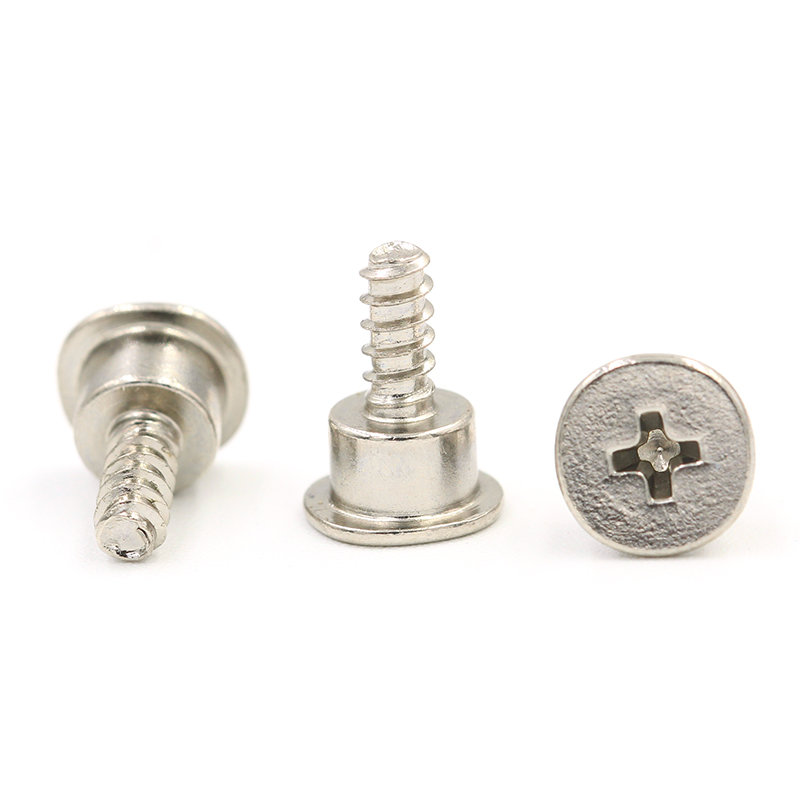
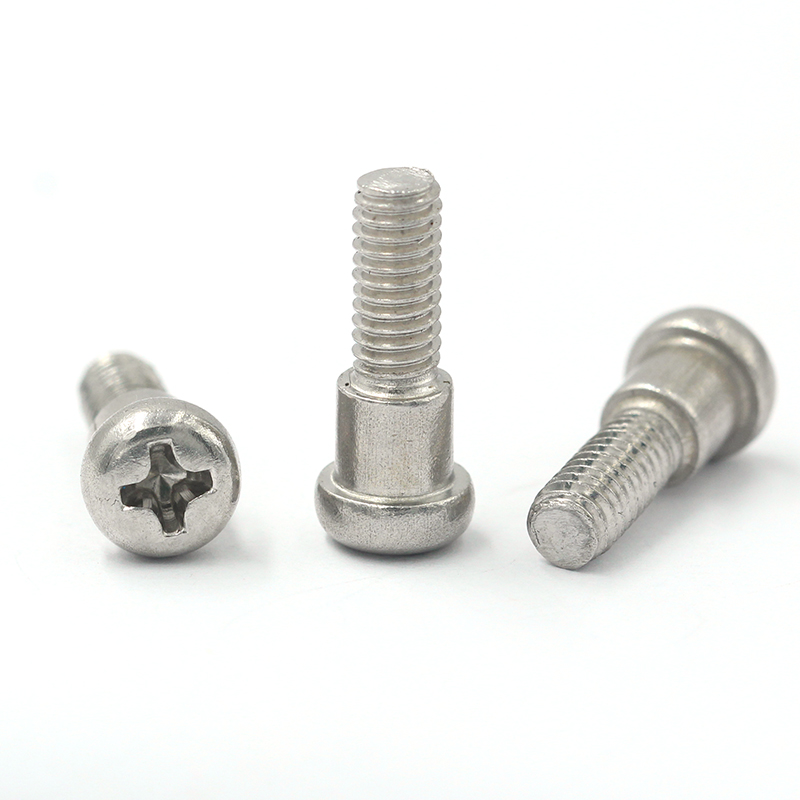
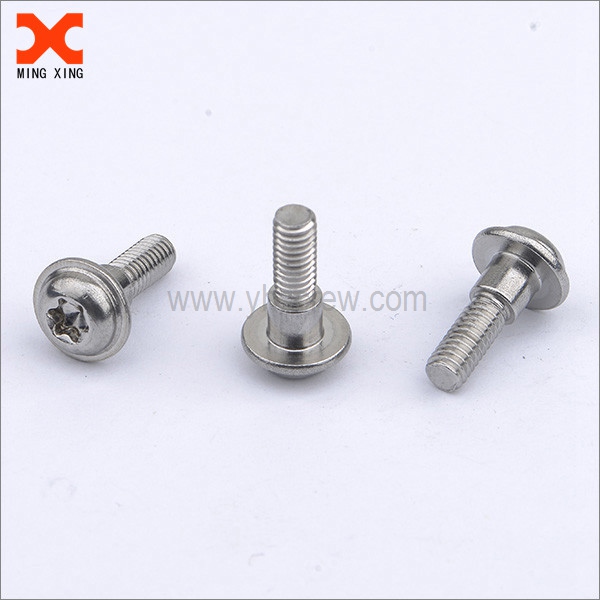
We provide high-precision slot shoulder screws that meet the tough demands of modern manufacturing. As a dedicated supplier, I understand that OEMs and Suppliers need dependable parts that install fast and stay aligned under load. Our slot shoulder screws have tight tolerances, hardened cores, and finishes in stainless steel, alloy steel, and corrosion-resistant coatings. Available in a range of shoulder diameters and lengths, with options for drilled/tapped holes and compatible slot features to fit your assembly line. The slots help precise positioning and reduce backlash, while the shoulder provides consistent spacing and smooth operation in guide rails, carousel fixtures, and automated equipment. We offer customization, fast lead times, and technical support to ensure your specification is met, from prototype through full production. If you’re sourcing for OEM projects or as a supplier looking to streamline your supply chain, I can tailor the solution to your exact demands.

Hot Selling Product

slot shoulder screw Stands Out Ahead of the Curve

Slot shoulder screws deliver precise shoulder height with a through-slot for alignment. The slot enables quick positional adjustment without re-drilling, while the shoulder bears axial loads for stable mounting. They suit robotics, automation, and any setup where repeatable fit and low runout matter. Global buyers should choose material, tolerances, and fit carefully. Stainless or alloy steel are common, with varied shoulder heights and slot widths. Specify thread size, length, and surface finish for corrosion resistance and easier assembly. Seek clear QA, traceability, and reliable packaging to support multi-region supply chains. As manufacturing trends toward modular, automated systems, slot shoulder screws offer a forward-looking solution that reduces steps and tolerance stacking. With an experienced global supplier, you gain design guidance, scalable production, and consistent quality to stay ahead in a competitive market.

{ slot shoulder screw Stands Out Ahead of the Curve}
Part Number Material Finish Head Style Shoulder Diameter (mm) Shoulder Length (mm) Thread Size Slot Width (mm) Slot Depth (mm) Tensile Strength (MPa) Hardness (HRC) Applications Standards/Compliance
SS-SB-1001 Stainless Steel A2-70 (304) Satin Cylindrical Slotted Head 8.0 25.0 M6 x 1.0 0.8 2.5 520 52 Precision alignment in assemblies RoHS Compliant; ISO 9001
SS-SB-1002 Stainless Steel A4-70 (316) Polished Slotted Cylindrical Head 6.0 20.0 M6 x 1.0 0.6 2.0 680 45 Marine-grade fixtures and corrosive environments RoHS; ISO 9001
SS-SB-1003 Alloy Steel (Quenched & Tempered) Black Oxide Cylindrical Slotted Head 10.0 30.0 M8 x 1.25 1.0 3.2 900 44 Heavy-load guides and fixtures ASME B18; RoHS
SS-SB-1004 Stainless Steel A2-70 (304) Passivated Cylindrical Slotted Head 12.0 40.0 M10 x 1.5 1.2 3.0 620 50 Medical devices, precision machinery ISO 9001; RoHS
SS-SB-1005 Alloy Steel 4140 Zinc Plated Cylindrical Slotted Head 6.0 24.0 1/4-20 0.65 2.0 850 38 CNC fixturing and general-purpose joints RoHS; ISO 9001
SS-SB-1006 Stainless Steel A2-70 (304) Satin Slotted Cylindrical 7.0 35.0 M5 x 0.8 0.7 2.2 480 40 Jig alignment in light-duty fixtures RoHS
SS-SB-1007 Stainless Steel A4-70 (316) Bright Slotted Cylindrical 9.5 28.0 M7 x 1.0 0.9 2.8 540 46 Robust fixture alignment in high-strength environments RoHS; ISO 9001
SS-SB-1008 Alloy Steel 1010/1020 Zinc Plated Cylindrical Slotted Head 8.5 33.0 M6 x 1.0 0.75 2.5 690 33 CNC fixtures and general-purpose joints RoHS; ISO 9001

Related Products

banner (2)

slot shoulder screw Trusted by Pros Where Innovation Meets 2025

New Data Dimension: Adoption Index by Application Sector (2020-2025)

Overview: This chart tracks two complementary data dimensions: Adoption Index and Reliability Index for slot shoulder screw usage across major application sectors from 2020 to 2025. The Adoption Index represents the share of assemblies in which a standardized slot shoulder screw design is adopted, scaled from 0 to 100. The Reliability Index reflects observed performance and failure-free operation rate of assemblies employing these fasteners, also on a 0-100 scale. The two lines illustrate a converging relationship: as adoption rises, reliability improves, suggesting that increased standardization and tighter tolerances contribute to fewer defect events and longer service life.

Data sources and methodology: The numbers in this visualization are synthetic, created to demonstrate the potential relationship between adoption and reliability in engineering practice. Each year’s Adoption Index increases by roughly 5–12 points, driven by design-for-manufacturing initiatives, supplier ecosystem maturation, and the growing emphasis on modular assemblies. Reliability Index is modeled to rise at a slightly slower pace as more contexts are tested and new environments are integrated. The gap between the lines narrows over time, consistent with the expectation that broader deployment yields experiential learning, better quality control, and more robust design guidelines.

Interpretation and implications: For engineers, a rising Adoption Index can signal opportunities to standardize parts across products, reduce SKU complexity, and simplify tooling. The accompanying Reliability Index provides a proxy for performance outcomes and warranty risk. Together, these metrics support decision-making around supplier selection, inventory planning, and lifecycle cost analysis. Caution is warranted, however, since synthetic data has no direct real-world provenance. In practice, organizations should replace this with internal metrics collected from production lines, QA tests, and field returns. Limitations aside, the chart emphasizes the linkage between design standardization and system reliability, encouraging a data-driven approach to component selection in precision assemblies.

Top Selling Products