
Growing Market Demand For Pan‑Head Machine Screws In Precision OEM Scenarios
Against the background of electronics, electrical equipment and light‑machinery industry upgrading, OEM manufacturers raise higher requirements for fastener consistency and interchangeability. Unlike self‑tapping screws, Pan‑Head Machine Screws rely on matched pre‑tapped holes or nuts to complete fastening. Their interchangeability, re‑assembly performance and thread‑dimension stability directly influence final product yield and long‑term field reliability.
Many procurement teams only focus on nominal size while ignoring thread tolerance, head geometric tolerance and material‑grade differences, which will trigger hidden quality risks in mass‑volume production.
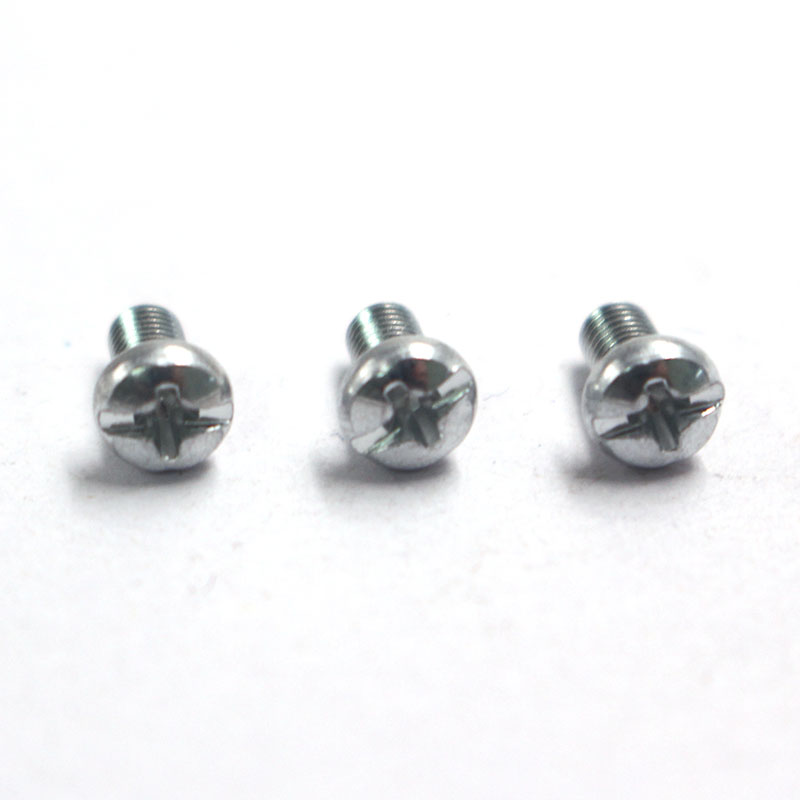
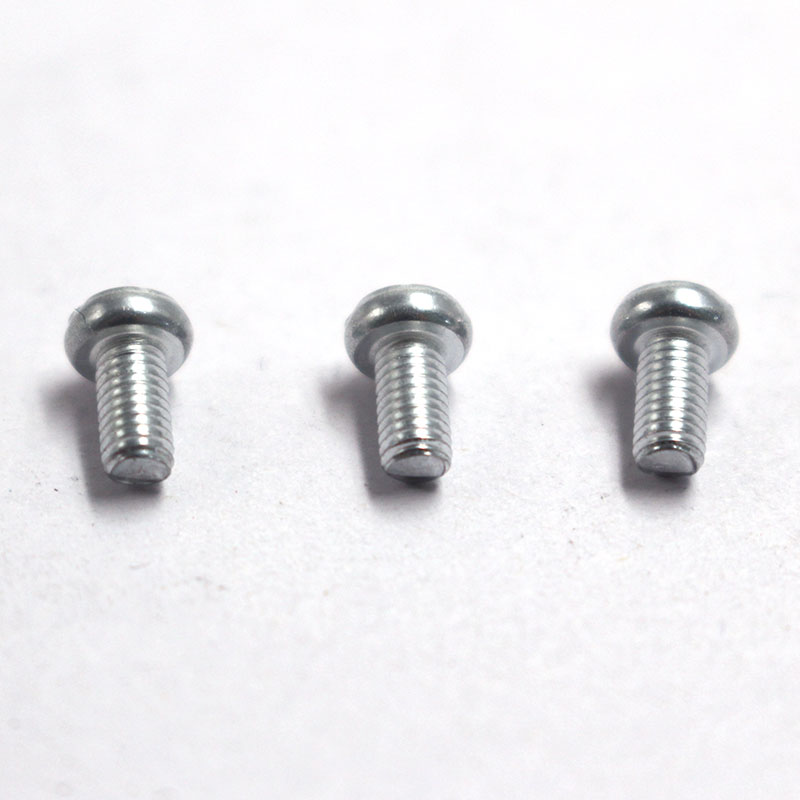
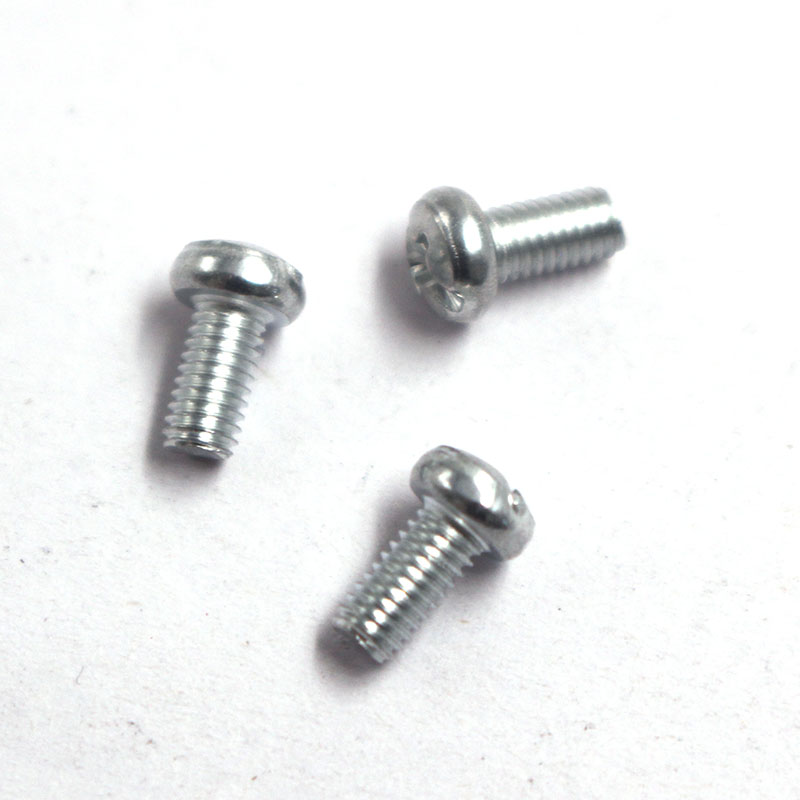
Thread Tolerance: The Core Index Deciding Interchangeability Of Pan‑Head Machine Screws
Machine‑thread tolerance is the most easily overlooked but decisive parameter for pan‑head machine screws. ISO and DIN standards define different tolerance classes such as 6g for external threads. ‑ Too‑loose thread tolerance will result in excessive clearance, causing loose connection under vibration conditions; ‑ Over‑tight tolerance raises assembly resistance, bringing jamming risk during automatic screwdriver station operation.
For projects requiring repeated disassembly for equipment maintenance, purchasers should explicitly specify thread‑tolerance requirements in technical specifications, instead of only marking nominal thread diameter and pitch. Standard‑stock products normally adopt 6g external thread as default configuration.
Material‑Grade Matching Logic Beyond Simple Cost Comparison
When selecting Pan‑Head Machine Screws, material choice cannot be determined by unit‑price alone. ‑ Hardened carbon‑steel: high‑cost‑performance for fully‑indoor dry‑condition projects; surface plating quality shall be emphasized to avoid early rust; ‑ SUS304 stainless‑steel: fit for indoor‑humid and intermittent splash‑exposed environments; balanced corrosion‑resistance and cost; ‑ SUS316 stainless‑steel: priority choice for coastal, salt‑spray and chemical‑atmosphere working conditions, with extra molybdenum element for enhanced chloride‑resistance.
Material certificates should be requested for large‑volume orders to prevent material mixing problems which frequently happen in low‑cost bulk‑goods markets.
Surface‑Treatment Selection & Anti‑Loose Coating Considerations
Surface treatment does not merely serve appearance demands. It defines the fastener’s anti‑rust lifetime. ‑ Zinc‑plating: mainstream economical anti‑corrosion solution for carbon‑steel pan‑head machine screws; salt‑spray hours vary with plating thickness and post‑passivation process; ‑ Nickel‑plating: delivers smooth metallic appearance plus moderate anti‑corrosion performance, preferred for visible‑exposed assembly positions; ‑ Nylon‑patch anti‑loose coating: not change mechanical strength of screw itself, suitable for assemblies facing sustained vibration; note that coating will slightly modify effective thread dimension.
Risk Control Points For Custom‑Order Of Pan‑Head Machine Screws
When standard stock items cannot satisfy project requirements and custom‑order is needed, industrial buyers need to pay attention to these key points:
- 1. Submit complete drawing including head dimension, thread specification, tolerance class, material grade and surface‑treatment requirements; simple verbal description will easily cause understanding deviation;
- 2. Mandatorily carry‑out pre‑production sample verification: check thread‑mating performance, head geometry, surface quality and assembly compatibility with real‑workpiece;
- 3. Confirm batch inspection items with manufacturer before mass production: thread dimension, hardness, salt‑spray test if corrosion‑resistance is required.
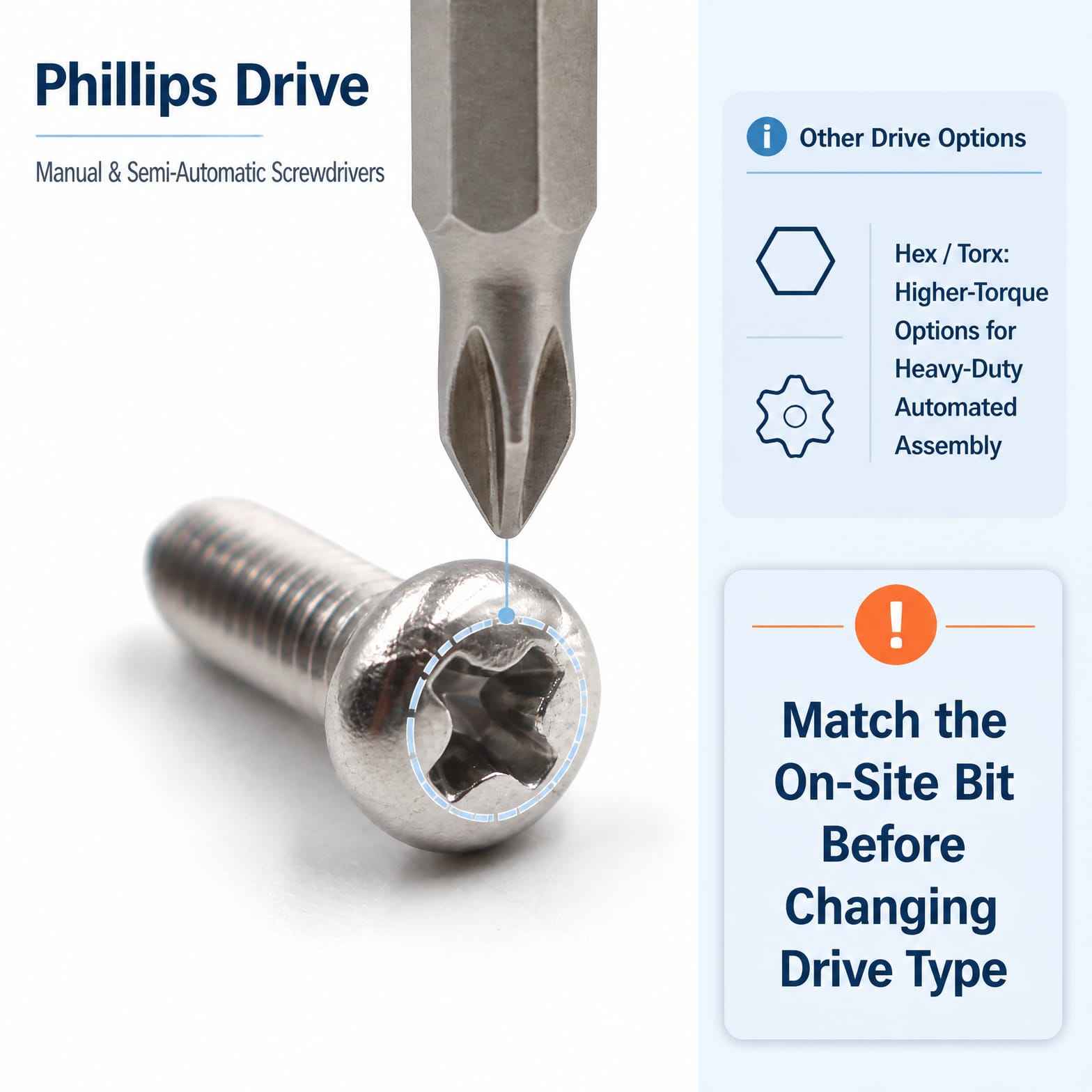
Summary For Industrial Procurement
High‑quality Pan‑Head Machine Screws are not only simple standard‑size parts. Thread tolerance, material grade, surface‑treatment and custom‑sample validation together determine mass‑production stability.
For OEM procurement teams, establishing complete fastener technical‑spec standards can effectively reduce hidden‑trouble rate of downstream finished‑goods and cut after‑sales maintenance cost.
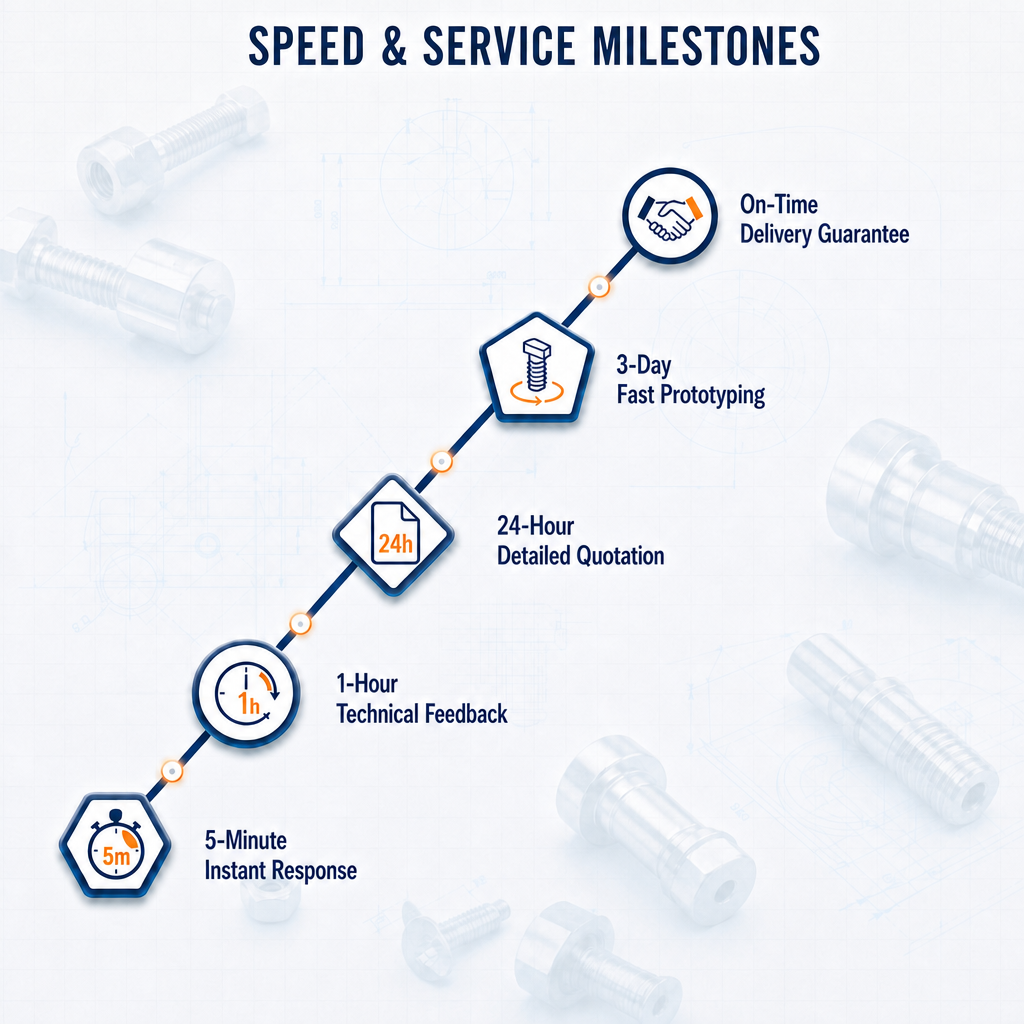
Our factory supplies both standard‑stock and custom‑built Pan‑Head Machine Screws. We provide material test reports, thread‑dimensional inspection records and pre‑production sample service. If you have procurement or custom‑development demands, send your technical drawings and working‑condition information. Our technical‑sales team will offer targeted suggestions and formal quotation within 24 hours.
Post time: Sep-17-2026