banner (1)

Self tapping Thread forming screw for plastic Wholesale Manufacturers

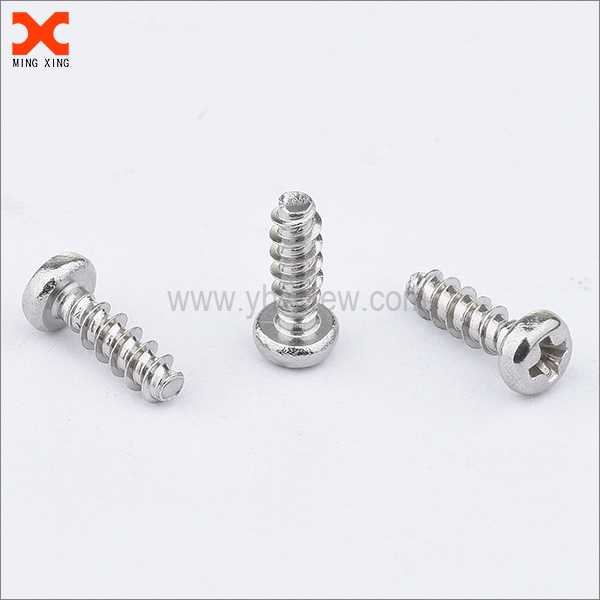
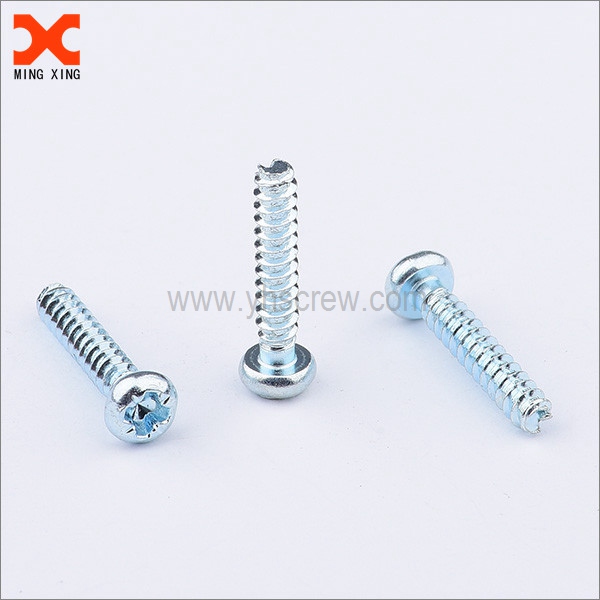
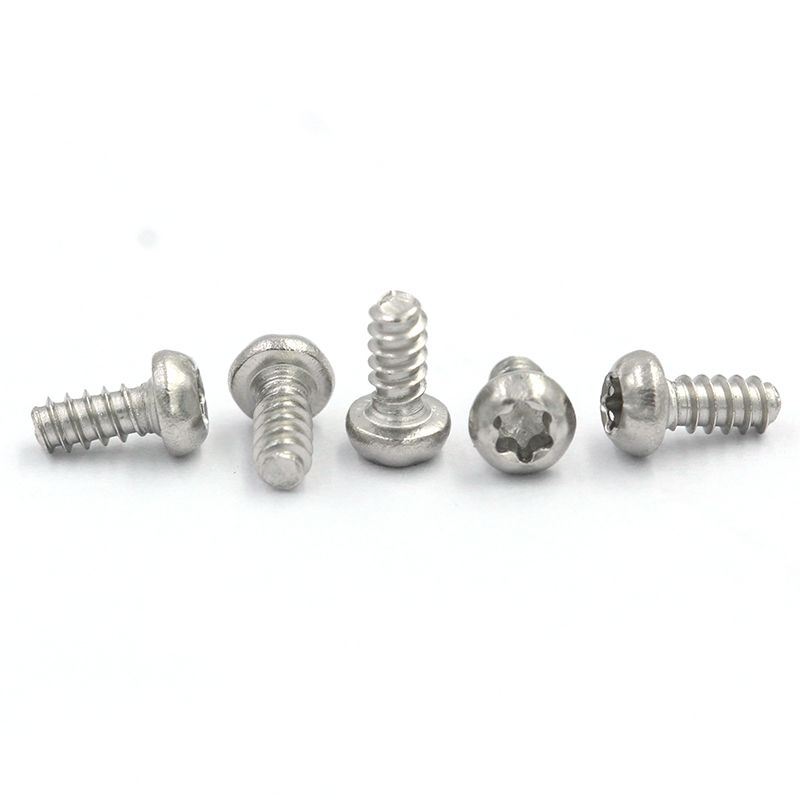
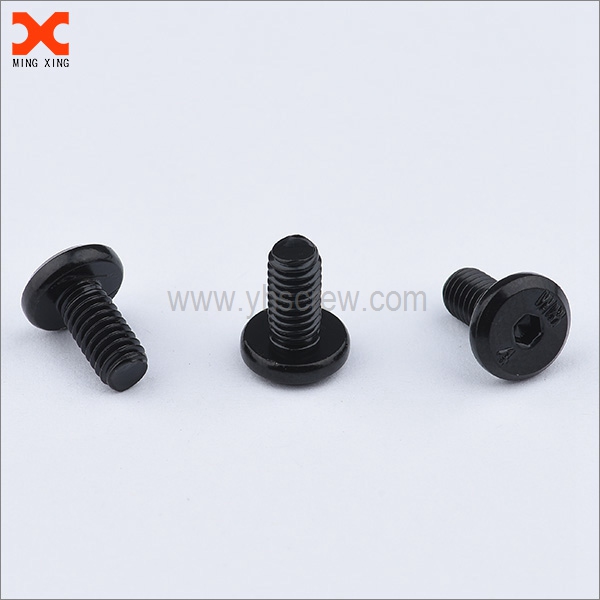
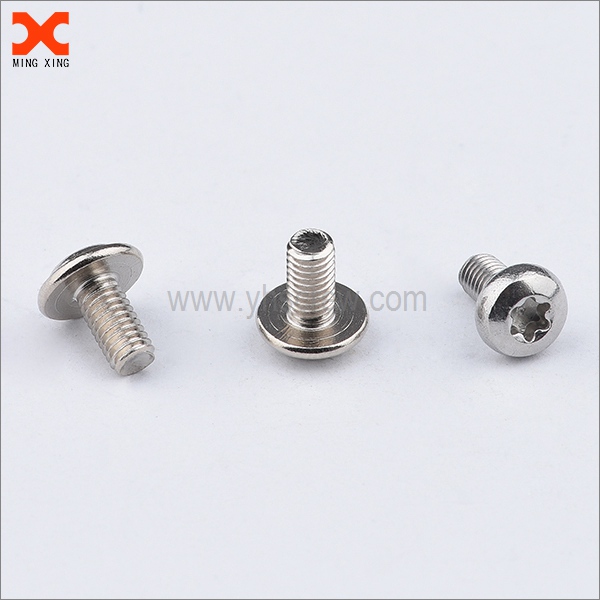
From a practical point of view, I handle orders for wholesale customers and manufacturers who need reliable fasteners for plastic assemblies. The self tapping Thread forming screw for plastic is designed to cut its own thread into softer plastics, creating strong, vibration-resistant joints without pre-tapping. Our screws feature corrosion-resistant coatings, precise pilot diameters and a clinched thread forming geometry that reduces installation torque. We offer bulk quantities, fast lead times, and custom lengths or head styles to fit your project. As manufacturers, you care about consistency; we deliver with strict QA, batch traceability and sample testing. Compatible with common plastics like ABS, polycarbonate, and nylon, these screws minimize cracking and pull-out. We provide warehousing and wholesale pricing, plus dedicated technical support to help optimize screw selection and installation tooling. If you need a dependable supply partner for plastic fastening, we’re here to help.

Hot Selling Product

self tapping Thread forming screw for plastic Stands Out More Than a Supplier - A Partner

Self-tapping thread-forming screws for plastic deliver a compact, high-strength fastening solution that stands out not as a vendor but as a partner. By forming threads directly in the plastic, they eliminate the need for pre-taps, reduce assembly steps, and minimize the risk of cracks or stripped threads. They work across common engineering polymers such as ABS, PA, PC, and PP, with controlled helix shapes that optimize pull-out resistance and load distribution. Custom options include head style, drive type, length, and pitch, plus coatings for corrosion resistance and high-temp environments. For global buyers, partnering means more than competitive pricing. It means design-for-manufacturing collaboration, rapid prototyping, and consistent supply across time zones. A true partner provides material guidance, rigorous quality control, certifications, and flexible MOQ, with on-time delivery and scalable production to support launches and volume growth. By choosing a partner who aligns engineering rigor with reliable logistics, you gain a resilient supply chain and ongoing optimization that lowers total cost of ownership well beyond the initial purchase.

Self tapping Thread forming screw for plastic Stands Out More Than a Supplier - A Partner
Variant Material Diameter (mm) Pitch (mm) Length (mm) Head Style Drive Type Plastic Compatibility Coating Tensile Strength (MPa) Operating Temp (C) Standards
V-01 PA6-GF30 3.0 0.50 12 Flat Countersunk Hex Socket Nylon 6/6 Zinc-Nickel 120 -40 to 120 RoHS; REACH; ISO 9001
V-02 PA6-GF30 4.0 0.70 16 Pan Head Phillips Nylon 6/6 Plain 95 -40 to 120 RoHS; REACH; ISO 9001
V-03 PBT 3.0 0.50 10 Countersunk Torx T15 Polypropylene Zinc-Nickel 85 -40 to 120 RoHS; REACH
V-04 Nylon 6/66 GF25 4.0 0.70 20 Pan Head Hex Socket Nylon 6/66 Zinc-Nickel 90 -40 to 125 RoHS; REACH; ISO 9001
V-05 PC 3.0 0.50 8 Flat Phillips Polycarbonate (PC) None 75 -40 to 110 RoHS; REACH
V-06 PA12 5.0 0.80 25 Flat Hex PA12 Zinc-Nickel 110 -40 to 130 RoHS; REACH; ISO 9001

Related Products

banner (4)

self tapping Thread forming screw for plastic Supplies the World\u2019s Top Brands Outperforms the Competition

New Data Dimension Title: Performance Metrics by Plastic Material and Insertion Method

Understanding how plastic material properties affect the performance of self-tapping thread forming screws is essential for design engineers. The chart shows average pull-out strength across five common plastics: Polypropylene, ABS, Polycarbonate, Nylon 6, and Nylon 66. The data illustrate that harder, tougher materials generally yield higher resistance to extraction, but the relationship is not strictly linear. Polycarbonate exhibits the strongest pull-out in this dataset due to its high toughness and rigidity, while polypropylene, being more flexible and less stiff, demonstrates lower pull-out resistance despite adequate thickness. Nylon materials offer improved performance due to crystalline regions and frictional interactions that increase retention; moisture absorption can influence performance in service. ABS provides a mid-range performance, balancing cost, impact resistance, and manufacturability. Insertion method (thread forming vs conventional tapping) can influence the required insertion torque; this chart isolates material effects, but in practical assemblies, screw geometry, material thickness, and processing conditions will modify results. The data suggest that selecting a material with higher modulus and thermal stability can increase holding power, but designers must consider potential issues such as creep, aging, and environmental exposure. For soft plastics like polypropylene, enhancements such as undersized threads, pilot holes, or preheating during assembly can reduce the risk of crack formation while still achieving reliable retention. The nylon materials often exhibit higher chemical resistance and fatigue strength, but moisture sorption can lead to dimensional changes that affect fit and torque. The chart underscores the importance of material selection in fastener design and the need to optimize screw geometry for the target plastic. In practice, designers should perform application-specific testing to capture variability and ensure performance across temperatures and humidity. Overall, these results guide engineers toward a balanced choice that meets mechanical requirements, cost targets, and production capabilities while maintaining reliability in end-use environments.

Top Selling Products