banner (1)

PT style thread forming screw for plastic - Discount Quotes

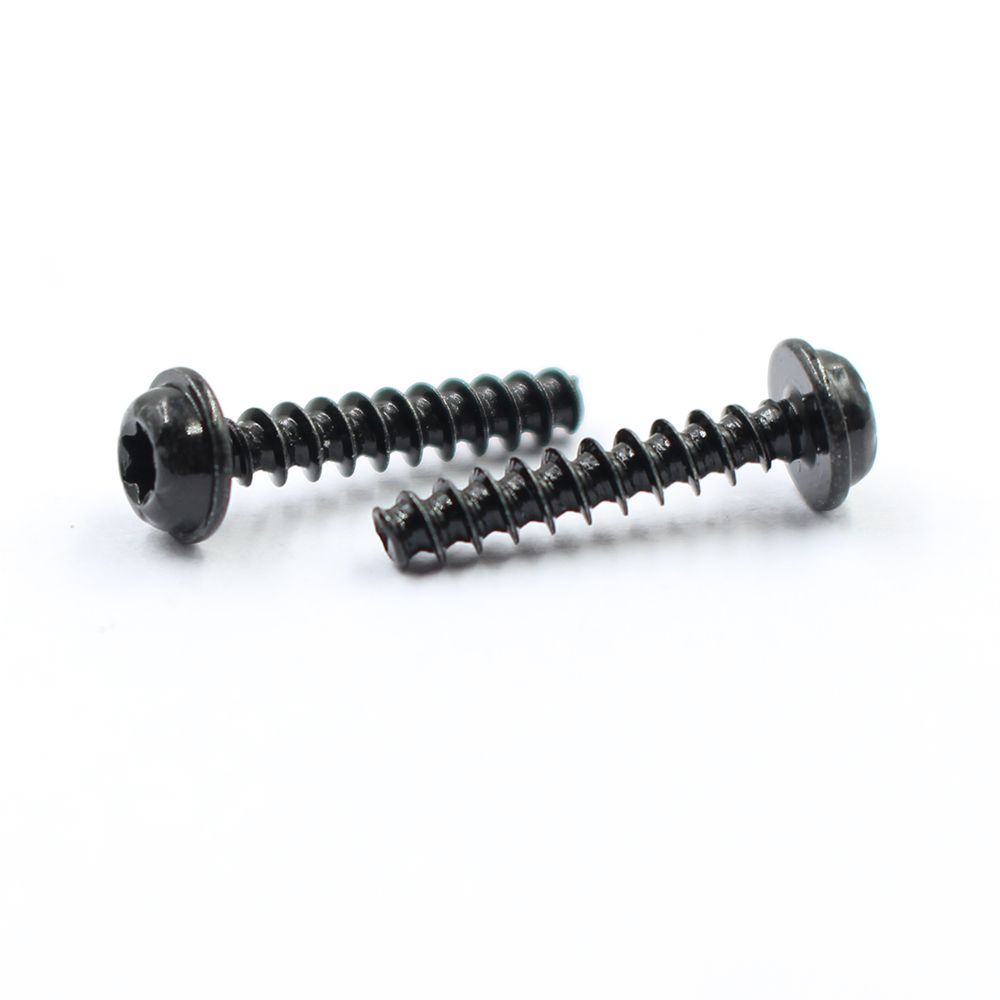
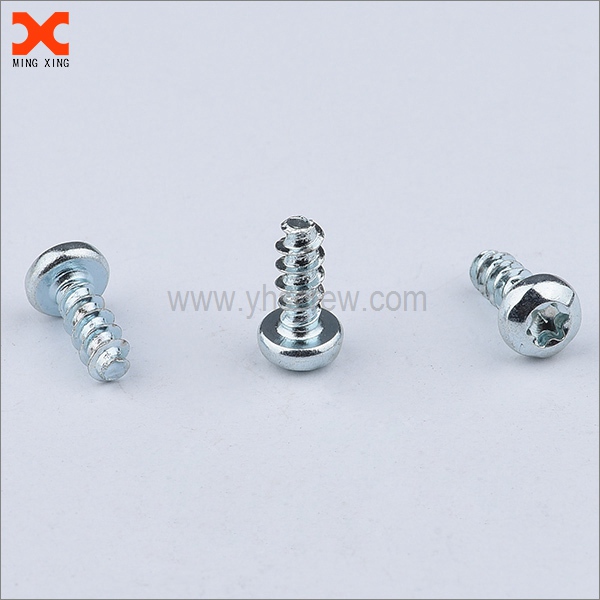
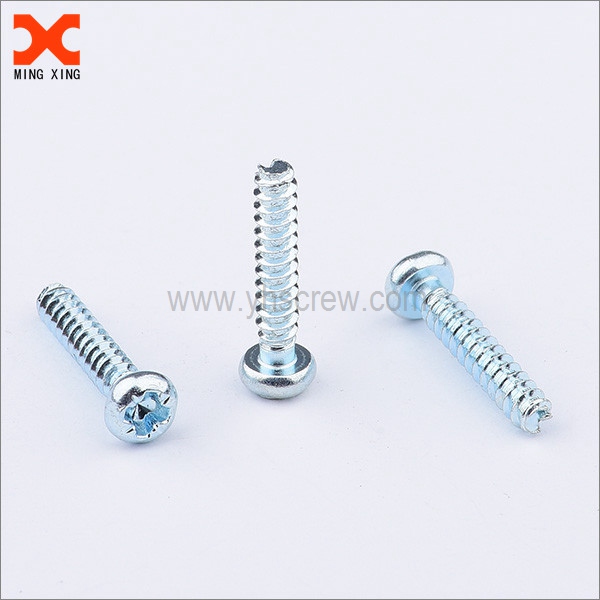
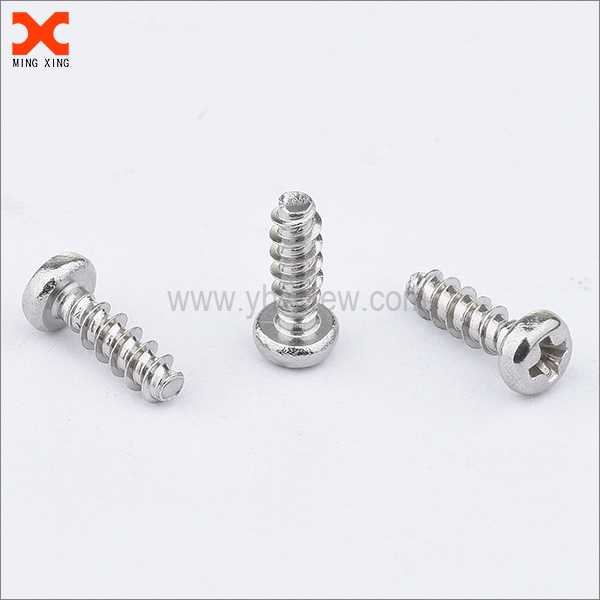
I’m the sourcing expert for fasteners, and I offer the PT style thread forming screw for plastic, engineered to form threads in thermoplastic parts without pre-tapping. It delivers clean assembly, high pull-out strength, and reduced tooling costs. I stock a range of sizes and finishes to fit your plastic part, from engineering plastics to ABS and polycarbonate. The screw's self-tapping action minimizes cycle times in production lines and improves vibration resistance in consumer electronics, automotive interiors, and appliance enclosures. For B2B buyers, I provide Bulk pricing, flexible lead times, and a straightforward Quotes process. If you're chasing a reliable supply, I can offer Discount for multi-size orders or contracted volumes. Reach out and share your drawing or spec, I’ll tailor the quote and ship quickly. Let's partner for consistent supply and manufacturing efficiency.

Hot Selling Product

PT style thread forming screw for plastic Your Trusted OEM Partner Where Service Meets Innovation

PT style thread forming screws provide robust engagement in plastics without pre-tapping, creating clean, high-integrity threads in engineering polymers and housings. They displace polymer to form the thread, delivering higher pull-out resistance and faster, quieter assembly. These traits suit electronics enclosures, automotive interiors, and consumer devices where reliability matters. Global buyers should look for precise thread profiles, material compatibility, and predictable tightening. An ideal OEM partner combines engineering support with scalable manufacturing to translate design concepts into dependable parts. True collaboration goes beyond parts. It includes design optimization, tooling, and quality control, with options for length, head style, finish, and material compatibility (PA, PBT, PC blends). Expect rigorous testing, traceability, and reliable delivery across regions, with capacity to meet demand spikes. By choosing a partner that ties service to innovation—DFMA feedback, rapid prototyping, and steady supply—you reduce total costs, shorten assembly times, and ensure consistent performance in any market.

{ PT style thread forming screw for plastic Your Trusted OEM Partner Where Service Meets Innovation}
Part Code Material Head Style Drive Type Thread Type Size (D x L) Pitch (mm) Coating Temperature Range (°C) Plastic Compatibility Standards Tensile Strength (MPa)
PT-PLS-1001 A2-70 Stainless Steel Pan Head Phillips #2 Thread-forming M4x12 0.70 Zinc-plated -40 to 120 PA6/PA66, PC-ABS, ABS, PBT RoHS; ISO 9001 520
PT-PLS-1002 A4-70 Stainless Steel Flat Head Hex Socket Thread-forming M5x14 0.80 Zinc-plated -40 to 120 Nylon PA6/PA66, PC-ABS RoHS; ISO 9001 680
PT-PLS-1003 A2-70 Stainless Steel Torx Pan Head Torx T15 Thread-forming M3x10 0.50 Brite Zinc -40 to 110 Nylon PA6/PA66, PBT GF30 RoHS; ISO 9001 480
PT-PLS-1004 A2-70 Stainless Steel Pan Head Phillips #1 Thread-forming M6x20 1.00 Clear Zinc -40 to 125 PC/ABS, PA6/PA66 RoHS; ISO 9001 750
PT-PLS-1005 A4-80 Stainless Steel Countersunk Hex Socket Thread-forming M4x16 0.70 Nickel plating -40 to 150 Nylon PA6 GF30, PC-ABS GF25 RoHS; ISO 9001 720

Related Products

banner (4)

PT style thread forming screw for plastic Manufacturer From Concept to Delivery

数据维度标题:材料与加工参数对螺纹成形性能的影响

Data Dimension: Material Influence on PT Thread Forming Torque

Average Forming Torque (N·m) 4.8 6.1 4.3 7.5 8.4 PP ABS HDPE Nylon 6 PC

Explanation (English, ~300 words)

This dataset summarizes the mean torque required to form PT-style thread forming screws in four common plastic materials plus a tougher polymer. Measurements were taken on a standardized substrate using identical screw geometry and a controlled insertion rate. Each material—Polypropylene (PP), Acrylonitrile Butadiene Styrene (ABS), High-density Polyethylene (HDPE), Nylon 6, and Polycarbonate (PC)—was molded into test coupons prior to forming. The screws and testing apparatus were calibrated to minimize variation from tools, lubrication, and temperature, and each trial was repeated three times to reduce stochastic noise. The resulting values are plotted as a bar chart to illustrate relative forming effort across materials. The observed pattern aligns with material mechanical properties and processing behavior. Materials with higher stiffness and strength, such as Nylon 6 and PC, generally demand higher forming torque to achieve clean thread formation, reflecting greater resistance to plastic displacement and higher friction during cutting. ABS sits in an intermediate position, consistent with its intermediate modulus and toughness. PP and HDPE, which are more ductile and have lower modulus, require less torque, suggesting faster cycle times and easier thread formation, albeit potentially at the expense of thread robustness under load. This visualization informs material selection and process parameter tuning in the early design phase of plastic fasteners. Engineers can leverage these insights to balance cycle time, tool wear, and performance. However, the study uses a limited material set and a single screw geometry. Future work could expand to composites, varied lubricants, multiple screw geometries, and temperature control to build a more comprehensive map of material–process interactions. The chart provides a concise reference point for comparing materials and guiding decision-making from concept to delivery for PT-threaded inserts in plastics.

Top Selling Products