banner (1)

M8 Sleeve Nut – OEM Suppliers | High-Quality Fasteners

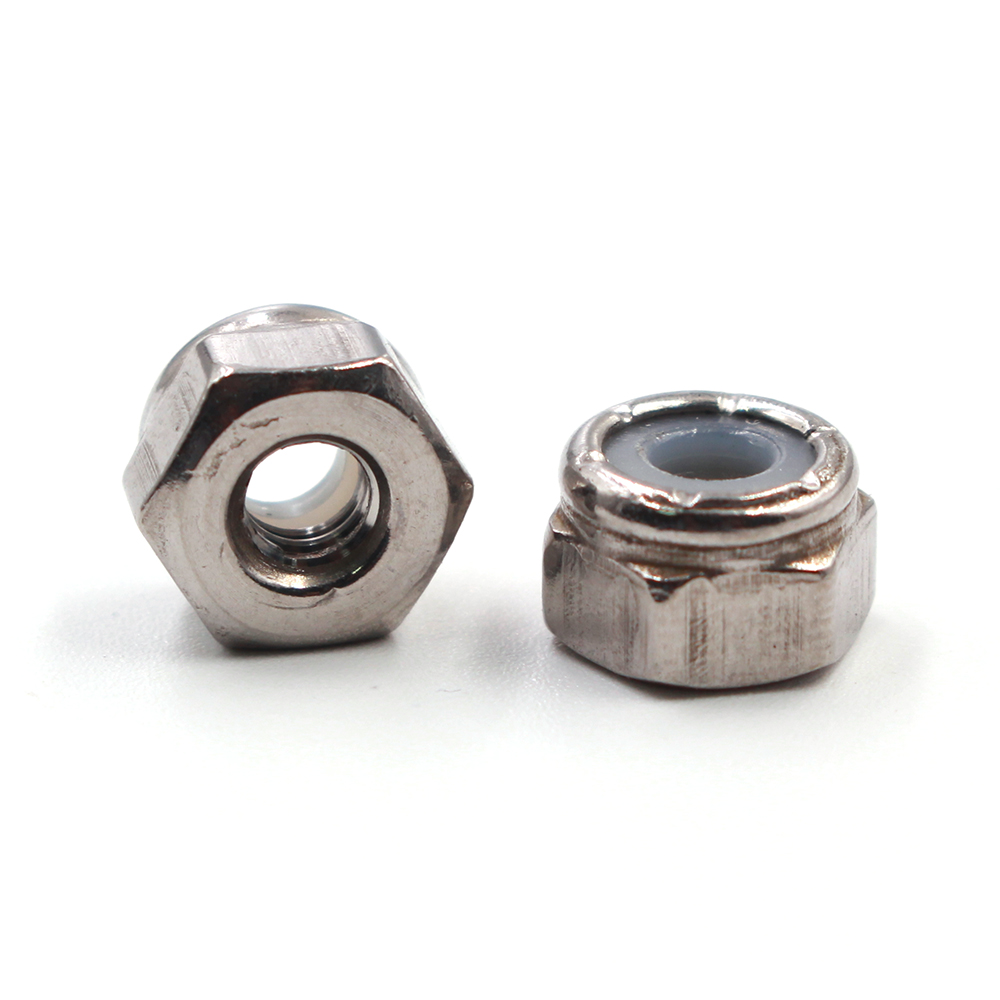
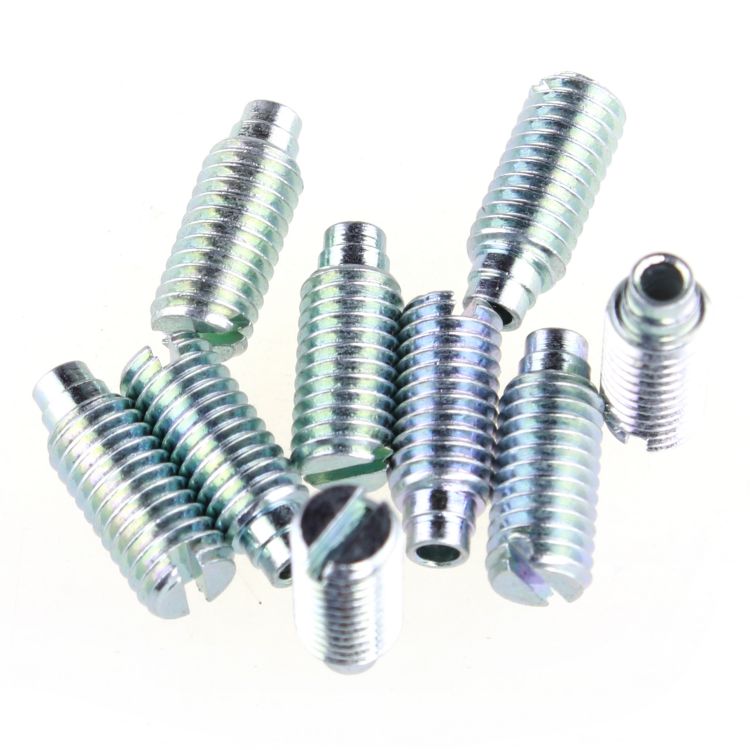
I offer M8 Sleeve Nut solutions tailored for OEM projects and the needs of busy Suppliers. I understand how crucial tight tolerances and dependable performance is, so our M8 Sleeve Nut features a precise bore, smooth inner threads, and a rugged sleeve that grips without thread damage. Sourced from trusted manufacturers, our nuts promise consistent quality, stable lead times, and scalable quantities. Whether you are stocking for mass production or a single build, I can tailor finishes, plating, or shoulder options to fit your design. Full documentation comes with every order—material certs, QA reports, and test data—so you can verify compliance at a glance. We welcome sample orders and flexible packaging for both small and large runs. OEM and Suppliers will find our value in long-term contracts with competitive pricing and reliable supply chains.

Hot Selling Product

M8 Sleeve Nut Stands Out Ahead of the Curve

M8 sleeve nuts are compact, high-precision fasteners designed for panels and enclosures. They pair an internal thread with a guiding sleeve, delivering secure, flush joints even in vibration or thermal cycling. Through tighter tolerances, corrosion-resistant materials, and robust surface finishes, these components maintain alignment over time, whether manufactured from stainless steel or plated alloys. Their simple, reliable installation reduces assembly errors and supports both manual and automated workflows, keeping production lines efficient across markets. For global buyers, the appeal lies in universal compatibility, consistent quality, and scalable supply. Standardized tolerances ensure interchangeability with common fastener systems, while corrosion protection extends service life in humid or outdoor environments. With transparent lead times, traceable QA data, and documentation such as material data sheets and CAD files, these sleeves fit into just-in-time manufacturing and regulatory requirements. In short, they offer predictable performance, easier design-in, and a leaner supply chain that stays ahead of the curve.

{ M8 Sleeve Nut Stands Out Ahead of the Curve}

ID Material Finish Inner Ø (mm) Outer Ø (mm) Length (mm) Thread Size Load Capacity (kN) Tolerance (mm) Temp Range (°C) Mass (g) Compliance
NS-M8-304-01 Stainless Steel 304 Bright Passivated 8.00 14.50 12.00 M8 6.20 ±0.08 -60 to 250 3.60 RoHS, REACH, ISO 9001
NS-M8-304-02 Stainless Steel 316L Satin 8.00 15.00 13.00 M8 6.80 ±0.06 -120 to 300 3.90 RoHS, REACH, ISO 9001
NS-M8-6061-01 Aluminum 6061-T6 Anodized Black 8.00 16.00 10.50 M8 2.40 ±0.12 -40 to 120 1.80 RoHS, REACH
NS-M8-CuZn-01 Brass (CuZn) Chrome-Plated 8.00 14.10 11.00 M8 2.80 ±0.10 -10 to 180 2.60 RoHS, REACH
NS-M8-SL-02 Steel 1020 Zinc-Plated 8.00 14.20 9.50 M8 5.20 ±0.07 -40 to 150 3.00 RoHS, ISO 9001
NS-M8-TI-01 Titanium Alloy Ti-6Al-4V Anodized 8.00 14.80 9.00 M8 8.50 ±0.05 -196 to 300 1.60 RoHS, REACH

Related Products

banner (4)

M8 Sleeve Nut For the Current Year Manufacturers You Can Rely On

Data Dimension: Monthly Production and Quality Metrics

Chart Legend: Blue line = Production Volume (units); Orange line = Defect Rate (%).
This chart presents the current year’s monthly production volume (in units) for M8 sleeve nut components and the corresponding defect rate as a percentage. The production line is represented by the blue line, while the defect rate is shown by the orange line. The x-axis marks the 12 months, allowing quick detection of seasonal patterns and shifts in output. The left y-axis corresponds to volume, scaled from 0 to 1,200 units to reflect typical monthly throughput, while the right y-axis shows defect rate, scaled from 0% to 3%. From January to December, production gradually increases from about 520 units to a peak around 1,120–1,100 units in midsummer, indicating higher demand or improved line efficiency in that period. The defect rate remains within a narrow band between roughly 1.5% and 2.4%, with a slight dip during the middle months when output is strongest. This pattern may suggest that when the line runs near capacity, auto-inspection or process tightening reduces scrap, though the relationship is not strictly linear. The two series intersect only briefly in a couple of months, reinforcing that higher volume does not necessarily cause more defects; in fact, the temporary dip in defect rate coincides with the ramp-up phase, possibly reflecting targeted quality improvements during scale-up. Interpreting this data supports several operations decisions. If defect rates begin to rise as volume grows, it may indicate equipment wear, insufficient staffing in QA, or changes in part tolerances requiring adjustment. Conversely, sustained low defect levels during high volume imply robust process control. The chart also highlights months where production could be aligned with maintenance windows to minimize unplanned downtime. For forecasting, applying a moving average can smooth irregularities and reveal longer-term trends beyond month-to-month noise. Data quality should be tracked, ensuring defect measurements cover representative sample sizes. This visualization helps stakeholders balance production targets with quality performance, guiding continuous improvement in the M8 sleeve nut manufacturing cell. By sharing this dimension across teams, managers can align production planning, maintenance scheduling, and quality assurance to reinforce reliability and customer satisfaction.

Top Selling Products