banner (1)

M6 Captive Screws - China Manufacturer

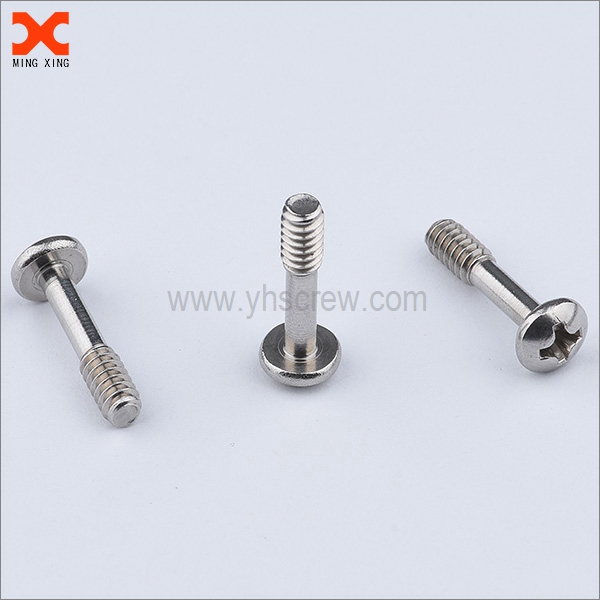
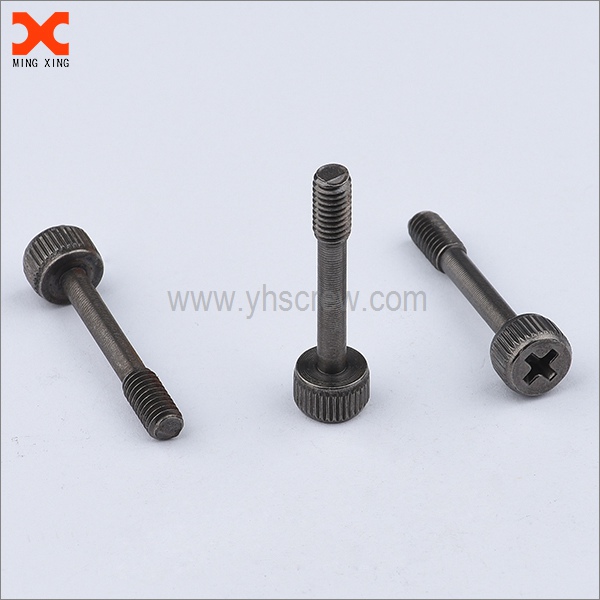
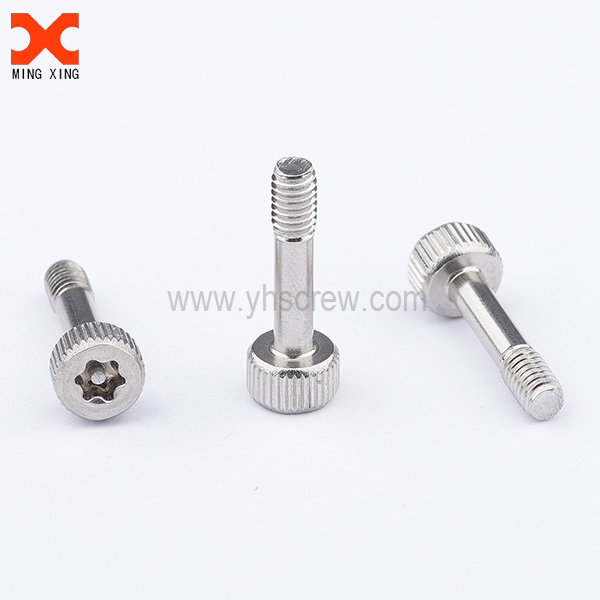
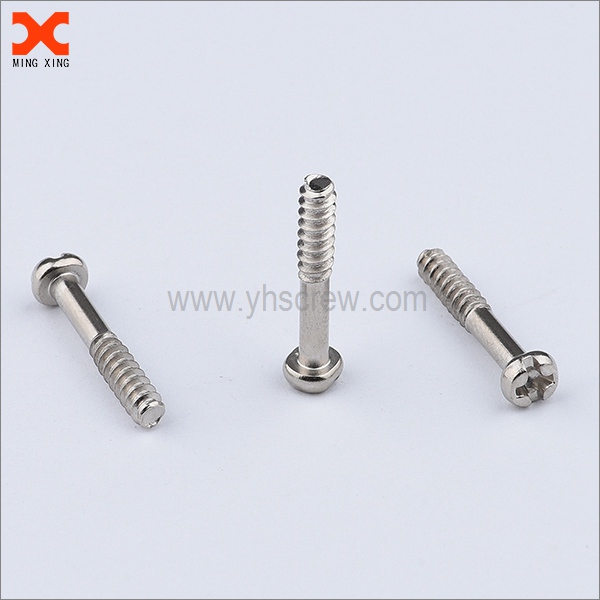
I’m a China-based Manufacturer specializing in fasteners, and I’m here to meet your M6 captive screws needs. These screws stay attached to the panel while you assemble or service equipment, saving time and reducing lost hardware. Made for standard M6 threads, our captive screws are available in stainless steel 304/316 and zinc-plated steel to suit corrosion resistance and budget. With options for cross, hex, or slotted drives, they deliver secure clamping without over-tightening. The captive design supports quick panel assembly in electronics, automation, enclosure, and machinery applications. I can supply precision-machined bodies, consistent thread engagement, and finishes tailored to your environment. In China we maintain strict QA and fast lead times, so you can scale production confidently. If you’re seeking a dependable Manufacturer partner who understands your procurement and quality requirements, I’m ready to discuss your exact specs, tolerances, and volume.

Hot Selling Product

M6 captive screws Industry Leaders More Than a Supplier - A Partner

M6 captive screws are more than fasteners; they are a design element that shapes reliability in assemblies. The leading companies treat fastening hardware as a system—ensuring consistent quality, tight tolerances, and seamless compatibility with materials, finishes, and automated insertion. When a provider partners in the design and production process, assemblies go together faster and stay secure in vibration, temperature swings, and demanding environments. Global buyers seek more than stock; they require supply chain resilience and engineering collaboration. A true partner offers rigorous QA, full traceability, flexible MOQs, and scalable production to handle demand shifts. They align with project timelines, provide technical guidance, and deliver value through packaging options, kanban-ready inventories, and on-site or remote engineering support. In this way, choosing a partner turns procurement from a transaction into a strategic advantage.

M6 captive screws Industry Leaders More Than a Supplier - A Partner

Dimension / Metric Description Typical Value Notes
Material Common materials used for M6 captive screws in electronics and mechanical assemblies Stainless Steel A2-70 (304), Stainless Steel A4-80 (316), Carbon Steel with zinc plating Material choice affects corrosion resistance and strength
Finish Surface treatment of the screw Zinc electroplating 5–12 μm; Black oxide; Passivation Finish improves wear resistance and color matching
Head Type Head shape and compatibility with captive mounting Socket Button Head; Pan Head; Flat Head Socket button heads are common for captive panels
Thread Standard Thread pitch and standard used M6 × 1.0 ISO metric coarse thread Ensures compatibility with standard nuts or threaded inserts
Captive Mechanism Type How the screw remains in the panel when disassembled Panel-through captive (retained by a clip); integrated captive thread Common arrangement for electronics enclosures
Panel Thickness Range Applicable range of panel thickness for reliable captive engagement 0.8–2.5 mm Thinner panels risk pull-out; thicker panels may require longer screws
Pull-out / Tensile Strength Approximate load capacity per screw 500–1200 N Material and installation affect actual value
Certifications / Compliance Quality and regulatory certifications RoHS, REACH; ISO 9001:2015 Indicates supply chain compliance and quality management

Related Products

banner (3)

M6 captive screws in 2025 Market Leader

New Data Dimension: Demand-Supply Gap Dynamics in 2025

Explanation: This visualization uses monthly demand and supplier capacity for a representative M6 captive screw product in 2025. The data dimension tracked here is the year-long pattern of market demand versus production capacity, highlighting the gap between demand and supply, which informs procurement, capacity planning, and inventory strategy. The chart shows demand rising from 0.98 million units in January to 1.65 million units in December, while supply climbs from 0.93 million to 1.52 million. The vertical distance between the two lines represents the gap, peaking around late summer and narrowing toward year end as capacity expands. Early months show a small gap of about 50k units; mid-year gaps reach roughly 120k–130k units, signaling tighter supply conditions. By year-end, the gap reduces again as production ramps up. This data dimension supports scenario analysis: if demand grows faster than supply, the gap could widen, increasing risk of stockouts or expedited freight; conversely, if capacity can be increased or demand tempered, the gap could shrink, reducing inventory costs and improving service levels. Methodology: The values are synthetic for demonstration; in a real setting, data would come from ERP systems, supplier delivery performance, and market indicators. Units are in thousands for readability. The chart focuses on a single product family; expanding to geographic markets or variants would require additional series. Limitations: It does not capture lead times, variability in supplier performance, or disruption events. This visualization is intended to support cross-functional discussions around capacity planning, procurement budgeting, and inventory policy for 2025 and beyond.

NOTE: The data, labels, and interpretations can be substituted with actual forecast or historical data to tailor the analysis for your organization. This example demonstrates how a two-series line chart can illuminate the demand-supply gap and inform actionable steps in production scheduling and procurement strategy.

Top Selling Products