

M4 Shoulder Screw - China Manufacturer of Precision Fasteners
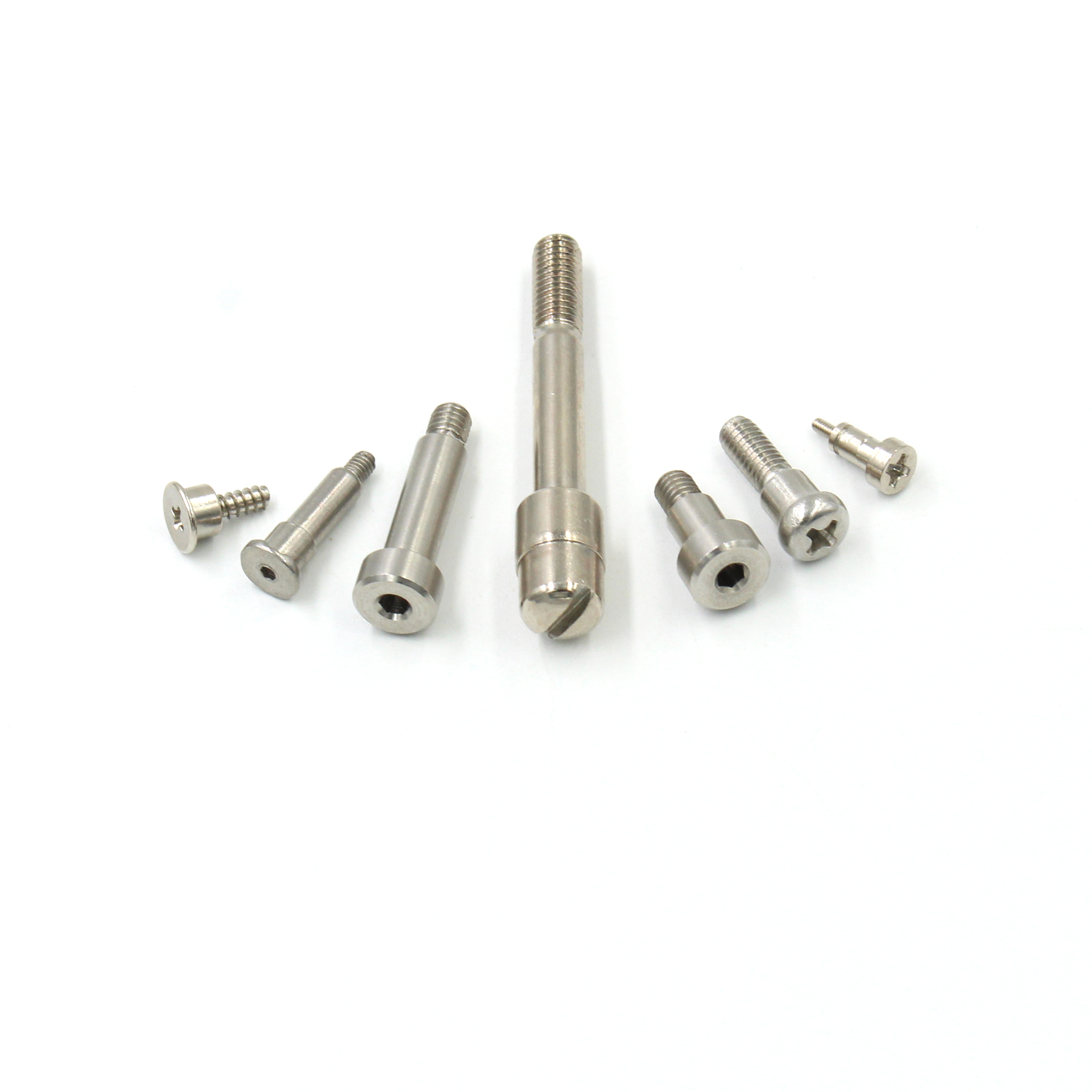
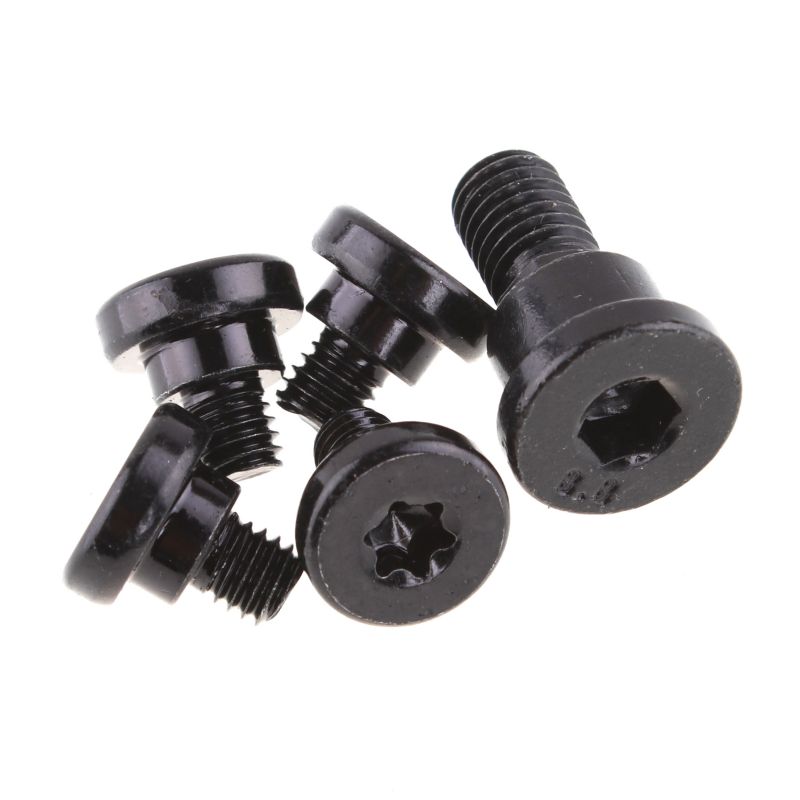
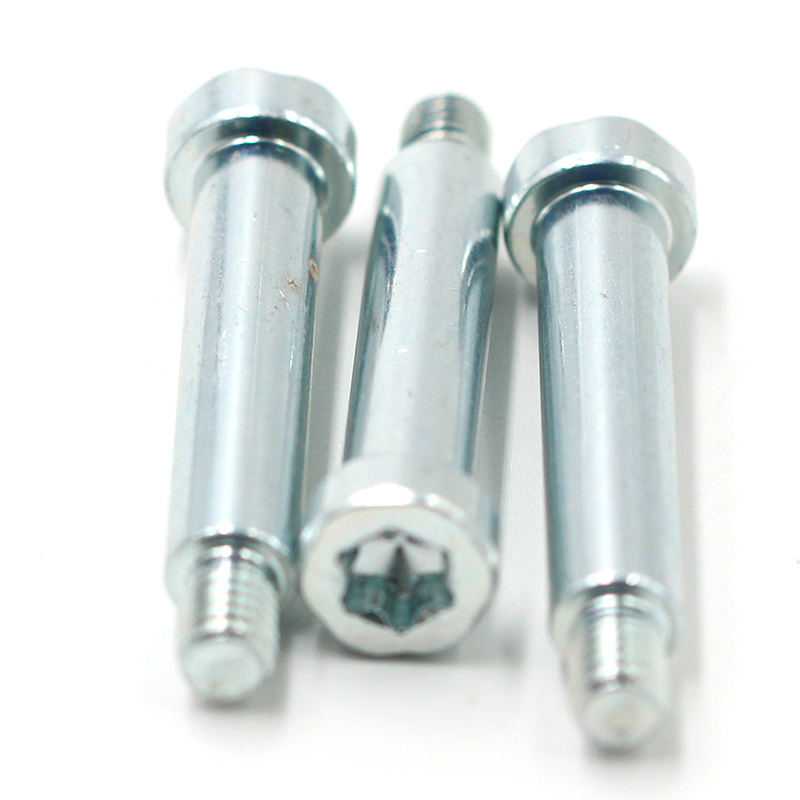
From our workshop in China, I offer the m4 shoulder screw that my factory designs for precision assemblies and long service life. As a China-based Manufacturer, I know B2B buyers want reliable fasteners that can keep tight tolerances under load. This m4 shoulder screw features a hardened steel body with a proper shoulder for accurate alignment, standard M4 external thread, and options in stainless steel or heat-treated steel. It’s ideal for hinges, guides, jigs, and machinery where repeatable positioning matters. I provide short lead times, customizable shoulder length and finish, and competitive pricing for bulk orders. I can support OEM packaging and private labeling if needed. Durable, corrosion resistant, and easy to install, this screw helps reduce downtime and improve assembly quality. Reach out with your required length, finish, and quantity and I’ll tailor a quote fast.
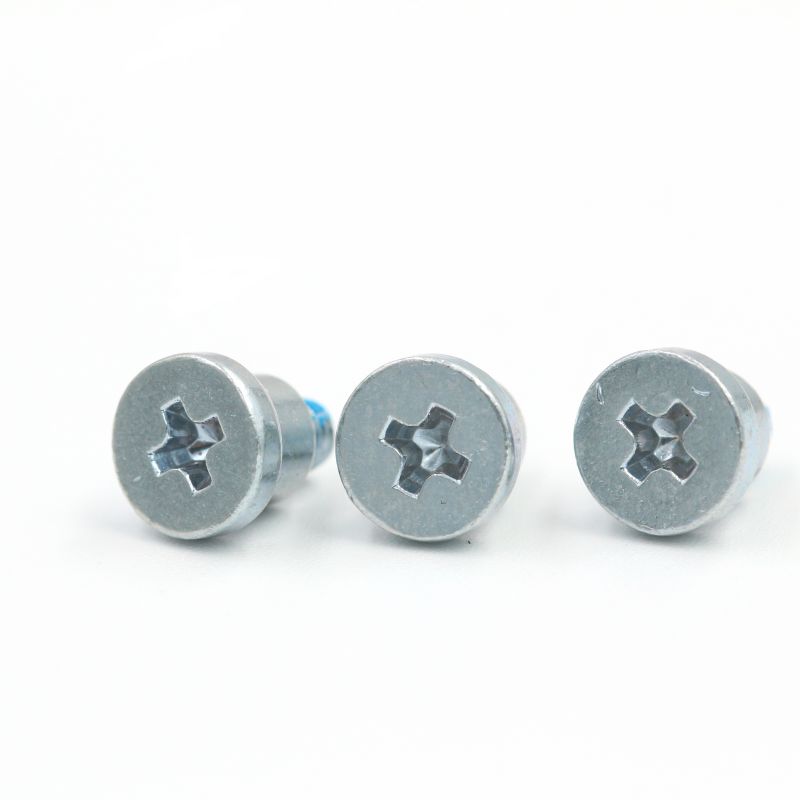

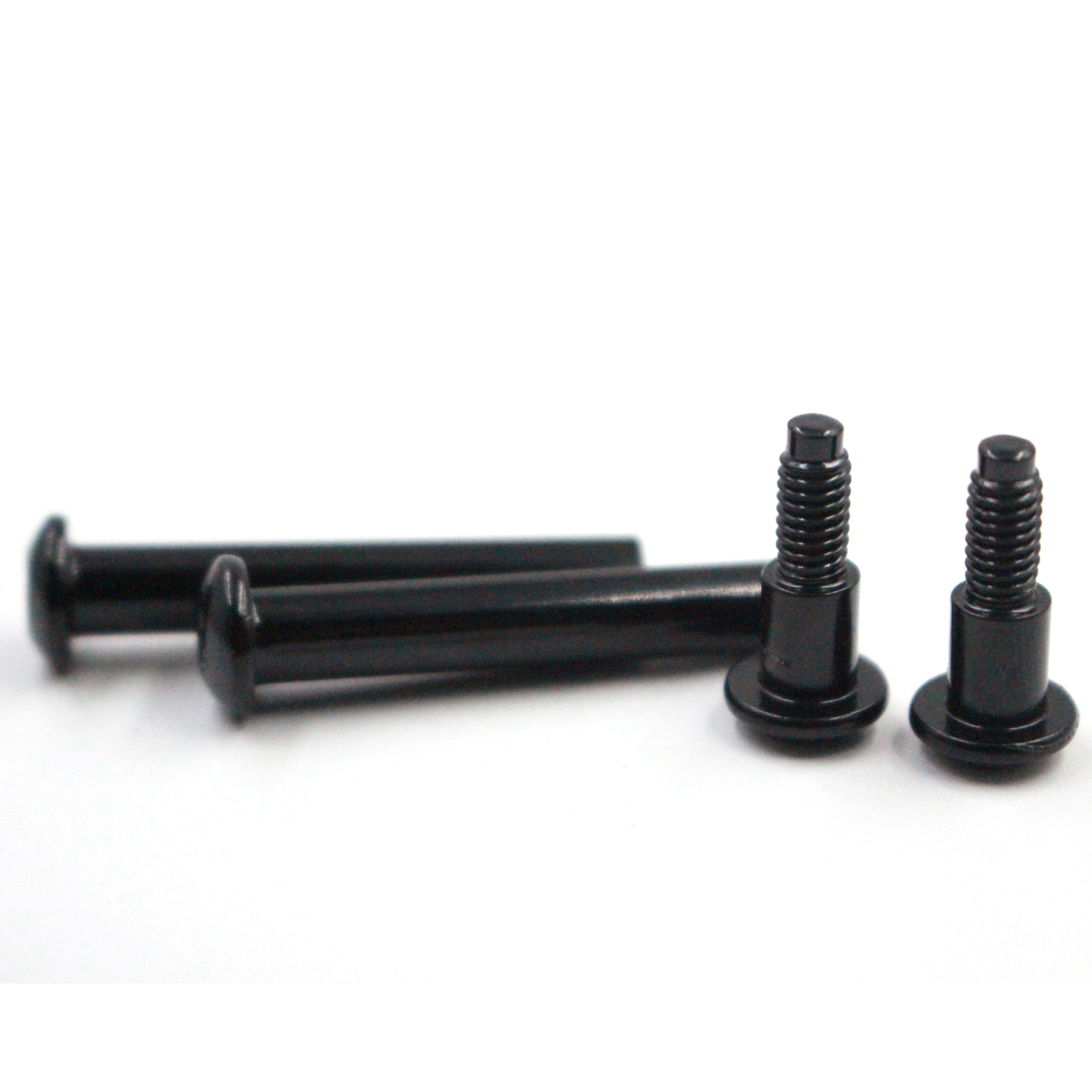


m4 shoulder screw Manufacturer Supplies the World\u2019s Top Brands
Global manufacturing relies on M4 shoulder screws for precise alignment and smooth motion in assemblies from consumer electronics to automation equipment. An M4 shoulder screw features a precise cylindrical shoulder and a metric 4 mm thread, delivering consistent performance under vibration and during repeated cycles. With carefully chosen materials and finishes—stainless steel, alloy steel, or protective plating—plus strict dimensional control, these fasteners provide reliable operation and long service life across industries. Global buyers expect reliable quality, predictable lead times, and clear traceability. A capable supplier uses advanced turning, grinding, and controlled heat treatment to meet tight tolerances, with thorough inspections at first article and batch release. Options include varied shoulder lengths, thread depths, and finishes such as zinc, nickel, or black oxide to suit corrosion resistance and aesthetics. Compliance with ISO 9001 and material standards (RoHS/REACH) adds confidence for regulated markets. Efficient packaging, scalable production, and flexible logistics support multi-site procurement and just‑in‑time delivery, helping buyers keep assemblies on schedule. A dependable partner provides consistent quality, transparent documentation, and reliable inventory, reducing risk and accelerating time-to-market for new products.
| Model | Material | Finish | Head Type | Thread Size | Shoulder Diameter (mm) | Shoulder Length (mm) | Thread Length (mm) | Overall Length (mm) | Dimensional Tolerance | Application |
|---|---|---|---|---|---|---|---|---|---|---|
| SS-A2-70-M4-06 | Stainless Steel A2-70 | Plain / Passivated | Shoulder Bolt with Socket | M4 | 4.0 | 6 | 6 | 16 | ±0.08 | Coupling alignment |
| SS-A2-70-M4-08 | Stainless Steel A2-70 | Passivated | Shoulder Bolt with Socket | M4 | 4.0 | 8 | 8 | 18 | ±0.08 | Limit stop |
| SS-A4-80-M4-10 | Stainless Steel A4-80 | Black Oxide | Socket Head | M4 | 4.0 | 10 | 6 | 22 | ±0.08 | High corrosion resistance |
| AL-6061-M4-12 | Aluminum 6061-T6 | Anodized | Cylinder Head | M4 | 4.0 | 12 | 6 | 24 | ±0.10 | Light-duty guide |
| SS-Zn-M4-16 | Steel (Zinc Plated) | Zinc Plated | Socket Head | M4 | 4.0 | 16 | 6 | 28 | ±0.10 | General assembly |
Related Products
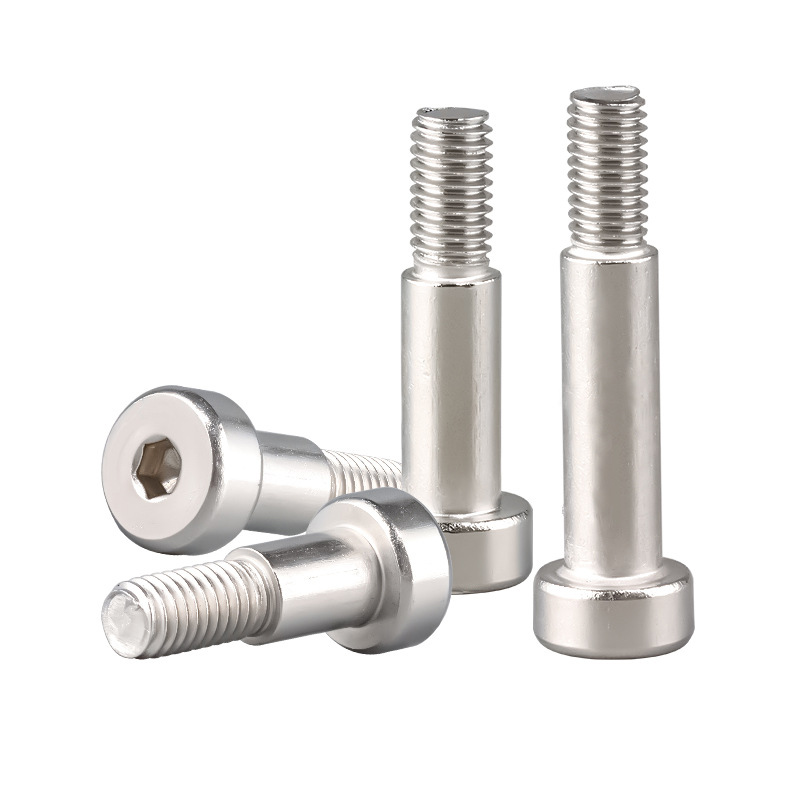
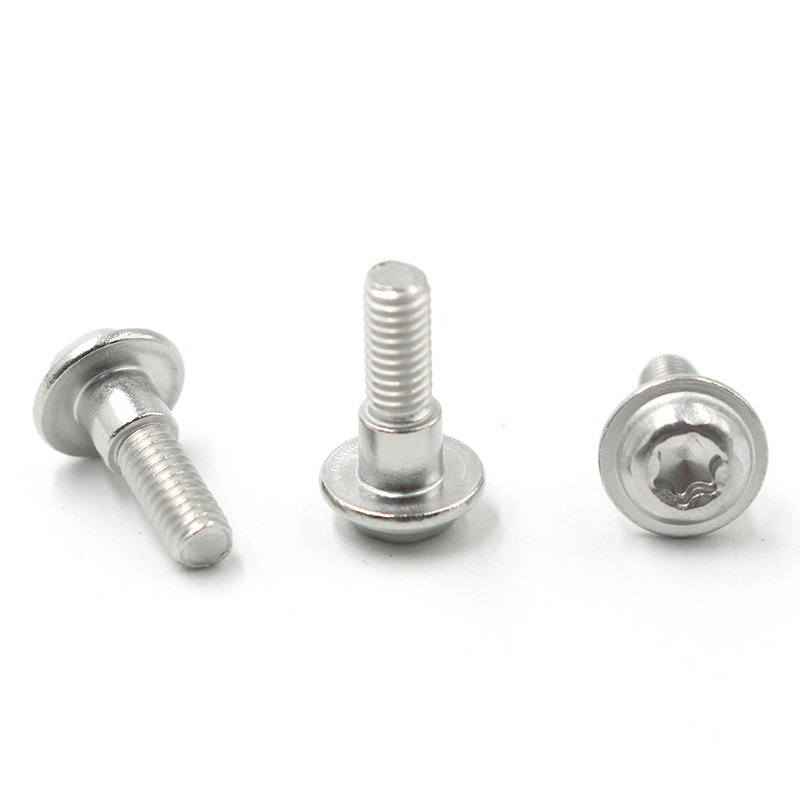


m4 shoulder screw Exceeds Industry Benchmarks From Concept to Delivery
Top Selling Products



- Related Blog
- Reviews
- Reviews

-

Phone
-

E-mail
-

Whatsapp
-

WeChat

-

Top


