banner (1)

Hex Socket Cap Head Screw M1.6 M OEM Suppliers

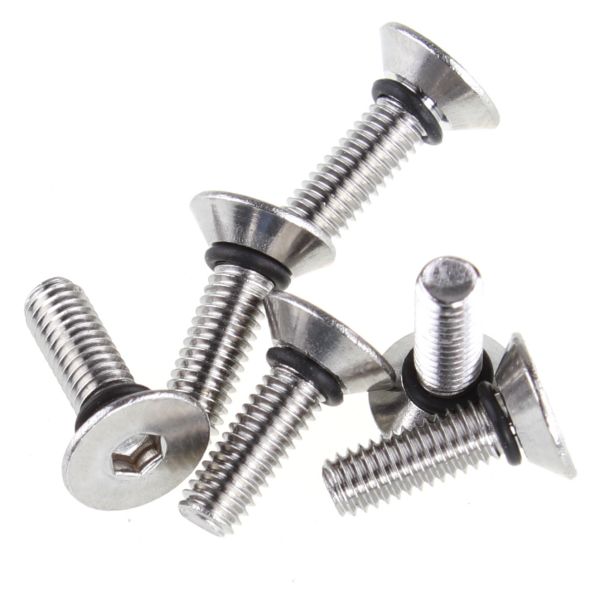
On my side, I bring the Hex Socket Cap Head Screw M1.6 M to your procurement list. I know OEM buyers chase consistency, fast delivery, and clear documentation, and I deliver just that. As a dedicated supplier, I work close with OEMs and other Suppliers to ensure the screws meet spec every time. The M1.6 thread and compact head design makes it ideal for tight assemblies in electronics, automotive, and machinery. I offer bulk pricing, flexible packaging, and certification packs if you need. If lead times are tight, I can short the queue with ready stock and reliable shipping. You’ll appreciate our competitive price and strict quality control. I’m here to help you cut downtime and keep your production lines moving. Share your quantity and I’ll tailor the offer.

Hot Selling Product

Hex Socket Cap Head Screw M1.6 M Factory Market Leader

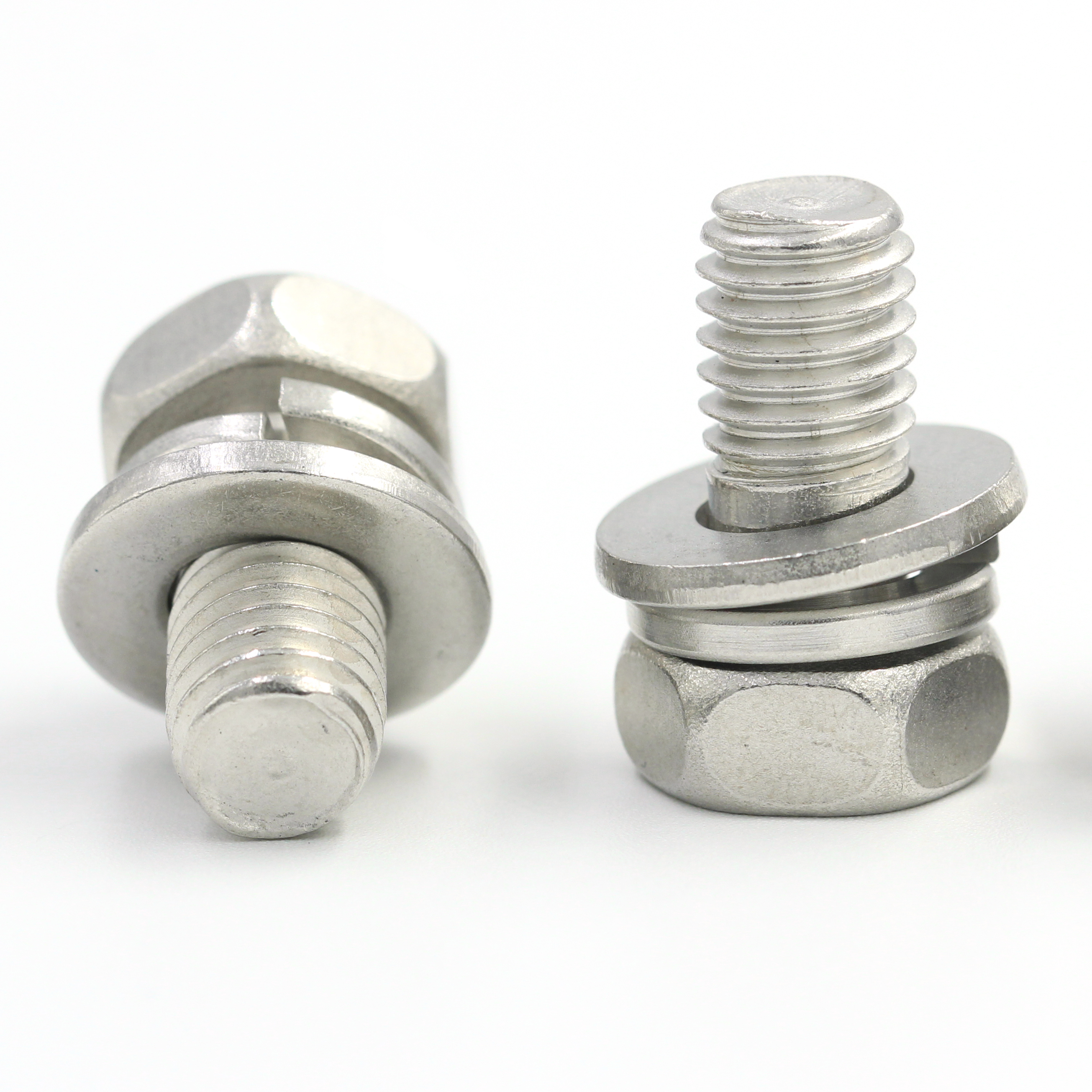
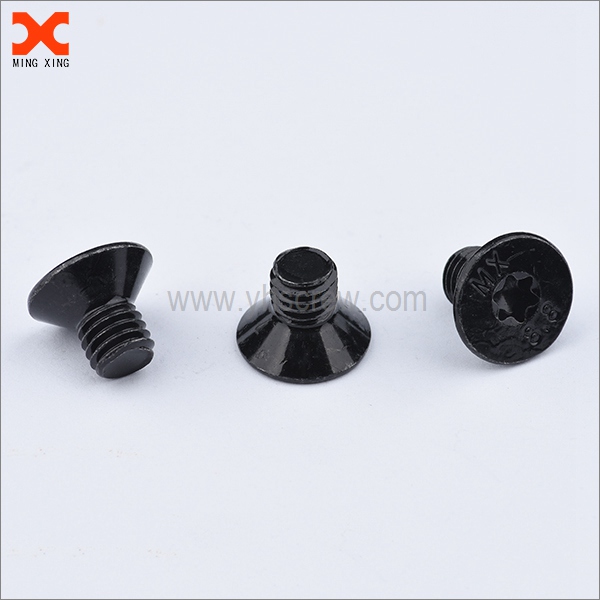
Global buyers in electronics, precision machinery, and miniature assemblies rely on a reliable source for tiny fasteners. The Hex Socket Cap Head Screw in M1.6 offers a compact, high-torque drive with a durable cylindrical head and hex socket drive, ideal for tight spaces. Available in stainless steel and alloy options with protective coatings such as zinc plating or black oxide, these screws deliver corrosion resistance and consistent performance across temperature ranges. Tight tolerances and rigorous in-house inspection ensure compatibility across BOMs and reduce rework in assembly lines. From bulk components to customized lots, a leading micro fastener producer can synchronize product families and sustain continuous supply for global procurement. Flexible packaging, MOQs tailored to project needs, and scalable production support long-term partnerships. For electronics, automotive sensors, and medical devices, the M1.6 cap screw can be specified with different lengths, thread options, and coatings, with full traceability and compliance with international standards. Streamlined logistics and coordinated QC help buyers minimize risk and accelerate time-to-market.

{ Hex Socket Cap Head Screw M1.6 M Factory Market Leader }
Variant Size Material Finish/Coating Standard Tensile Strength (MPa) Yield Strength (MPa) Temperature Range (°C) Head Diameter (mm) Coating Thickness (μm) Notes
A M1.6 x 6 Alloy Steel (Grade 8.8) Zinc Plated ISO 4762 / DIN 912 800 640 -55 to 250 2.9 5 Common for general hardware and electronics enclosures
B M1.6 x 8 Stainless Steel 304 Passivated ISO 4762 520 205 -60 to 260 2.9 0 High corrosion resistance, suitable for electronics and food equipment
C M1.6 x 10 Alloy Steel (Grade 10.9) Zinc Plated ISO 4762 900 850 -55 to 260 2.9 6 High-strength variant for load-bearing assemblies
D M1.6 x 12 Stainless Steel 316 Electropolished ISO 4762 520 205 -75 to 300 2.9 0 Excellent marine and chemical corrosion resistance
E M1.6 x 16 Alloy Steel (Grade 8.8) Black Oxide ISO 4762 800 640 -60 to 260 2.9 8 Black oxide finish for aesthetics and reduced reflectivity

Related Products

banner (4)

Hex Socket Cap Head Screw M1.6 M Your Trusted OEM Partner Factory-Direct Excellence

Data Dimension: Manufacturing Performance Metrics by Day

Daily Production Trend and Defect Rate

This chart visualizes a 12-day window showing two complementary dimensions of manufacturing performance for precision components: daily units produced (left Y-axis) and defect rate percentage (right Y-axis). The purpose of this dual-axis presentation is to explore how production throughput relates to quality outcomes, enabling operators and managers to balance productivity with process stability. Observing the data, daily outputs hover around 115–140 units with occasional peaks; defect rates generally stay in a narrow corridor near 1.8–3.2%. On some high-production days, defects show a slight uptick, which can indicate transient capacity strain, setup adjustments, or material variance. Conversely, there are days when output remains strong while quality remains stable, suggesting effective process control and operator discipline. The days with the highest production occasionally align with modest increases in defect rate, but the pattern is not uniformly monotonic, highlighting the multifactor nature of quality that includes machine wear, tooling conditions, and calibration. A more robust interpretation would consider additional dimensions such as cycle time, machine utilization, shift patterns, and raw material lots. By integrating these variables, the organization can pinpoint root causes of quality excursions and implement targeted interventions—such as in-process inspections, better bit/tap maintenance, supplier quality checks, or adjusted production schedules—to sustain high output without sacrificing quality. This kind of analysis is valuable for OEM workflows, where precise components must consistently meet stringent tolerances while delivering on-time with minimal rework.

Top Selling Products