banner (1)

Flat Head Thread Forming Screws - High-Quality Supplier

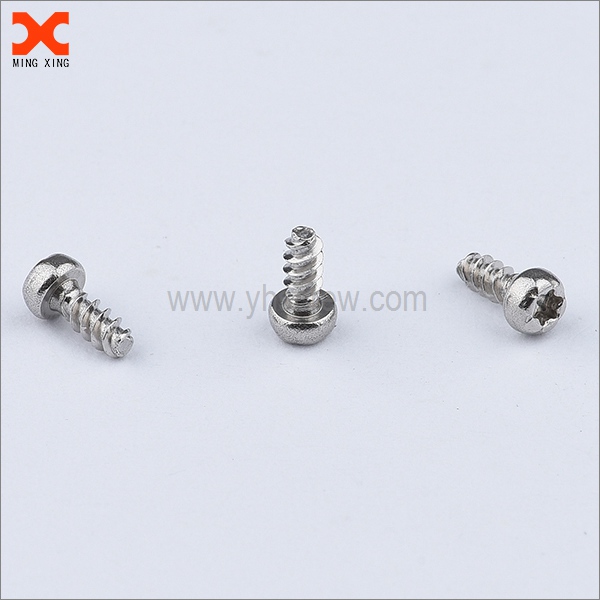
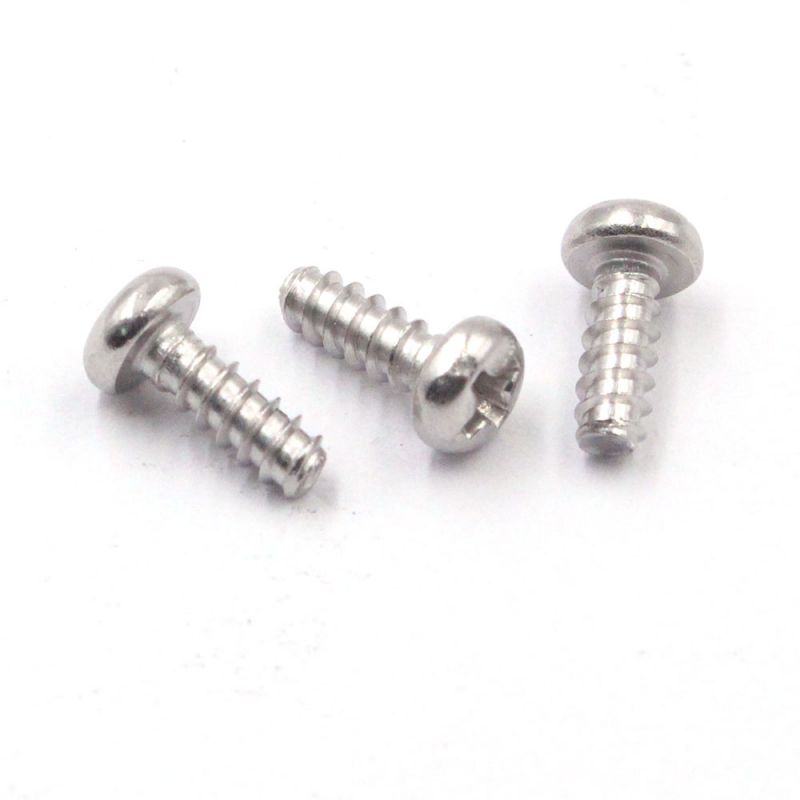
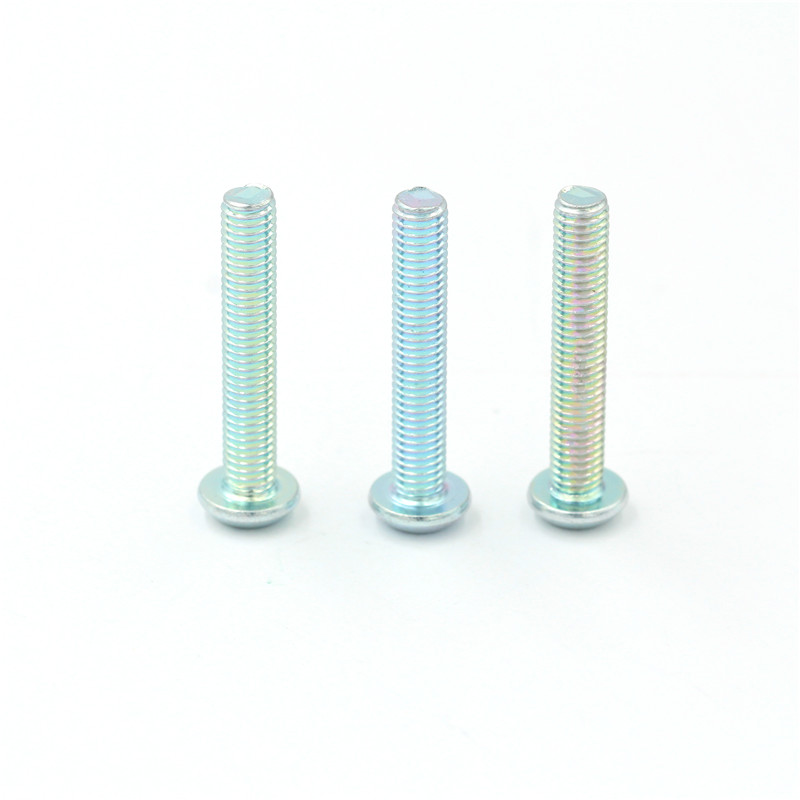
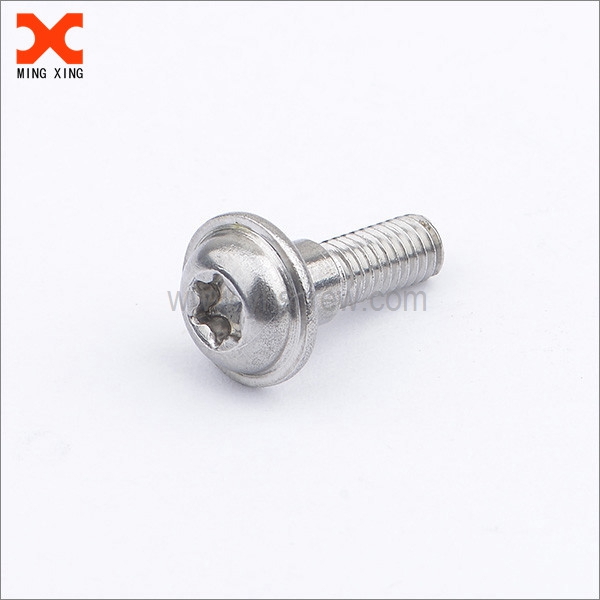
As a dedicated Supplier, I offer High-Quality flat head thread forming screws designed for fast, clean joints in metal and plastic applications. My range delivers precise thread forming without pre-tap, saving time and reducing surface damage on aluminium and mild steel. The flat head profile provides flush seating for an aesthetic finish and improved load distribution, while the hardened coating resists wear in demanding environments. I ensure stringent quality control, ISO-compatible processes, and a reliable supply to meet your production schedules. Whether you need metric or imperial sizes, I provide dependable stock, competitive pricing, and responsive technical support to help you specify the right fastener for your assembly. Choose these flat head thread forming screws for reliable performance, easy installation, and long-term cost savings. Contact me to discuss your project and bulk pricing today.

Hot Selling Product

flat head thread forming screws Factory Service Backed by Expertise

Flat head thread forming screws are the quiet backbone of compact assemblies across electronics, appliances, automotive interiors, and industrial equipment. A factory service backed by deep expertise turns that simple fastener into a reliable supply chain element—delivering consistent geometry, material integrity, and performance across regions and seasons. From quote to delivery, the in-house forming line and controlled finishing options support a full spectrum of needs: carbon steel and stainless grades, with zinc, black oxide, or passivation finishes; tight tolerances; inline SPC checks; and complete traceability. We offer rapid prototyping, scalable volumes, tool development, and packaging tuned for global logistics. Global buyers gain peace of mind with a partner that aligns manufacturing cadence with project timelines, mitigates supply risk, and provides engineering support to optimize screw choice for strength, installability, and longevity. Ready to discuss your spec or run a sample? Let us help you streamline procurement and boost assembly reliability.

{ flat head thread forming screws Factory Service Backed by Expertise}
Product Code Length (mm) Diameter (mm) Thread Pitch (mm) Material Finish Head Style Drive Type Substrate Compatibility
FFS-1001 25 4.2 0.80 A2 Stainless Steel Zinc-Plated Flat Countersunk Phillips #2 Wood
FFS-1002 32 4.8 1.00 Carbon Steel Black Oxide Flat Countersunk Torx T15 Wood
FFS-1003 20 3.9 0.90 AISI 304 Stainless Satin Flat Countersunk Phillips Metal
FFS-1004 45 5.5 0.80 Alloy Steel Black Oxide Flat Countersunk Allen Hex Wood
FFS-1005 50 6.0 1.25 Stainless Steel 316 Zinc-Nickel Flat Countersunk Torx T25 Metal
FFS-1006 16 3.5 0.80 Carbon Steel Nickel-Chrome Flat Countersunk Phillips Wood
FFS-1007 38 4.2 0.90 AISI 304 Stainless Bright Zinc Flat Countersunk Torx T20 Plastic
FFS-1008 28 3.75 0.75 Alloy Steel Black Oxide Flat Countersunk A Pozidriv PZ2 Metal

Related Products

banner (3)

flat head thread forming screws Trusted by Pros Winning in 2025

Adoption and Performance Metrics Across Applications (2020-2025)

This data visualization presents the adoption of flat head thread forming screws across key applications from 2020 to 2025. The metric displayed, Adoption Rate, is defined as the share of professional assemblies where these screws are the preferred fastener for forming reliable threads without tapping. The data illustrate a steady upward trajectory, starting in the low to mid-thirties in 2020 and climbing to the upper seventies by 2025. The trend reflects several factors: improvements in screw geometry and tooling that reduce installation time; stronger bonding and material compatibility across common substrates such as metals and certain polymers; and growing standardization of fastener practices in industries where vibration resistance and maintenance efficiency matter. Several inflection points are notable. The acceleration around 2021–2023 corresponds to the rollout of new production lines and training programs that emphasize insert efficiency and flush-seating quality. The jump in 2025 may reflect a combination of regulatory expectations for rapid assembly lines and the broader adoption of modular design practices that favor standardized screw forms. While the chart communicates a positive trajectory, it also abstracts away regional and sector-specific variations. In practice, automotive and electronics assembly may show faster uptake than legacy machinery, depending on material compatibility and supply chain considerations. Going forward, if current conditions persist, adoption is likely to reach the majority of professional assemblies by the end of the decade. To enhance interpretability, future versions of this visualization could layer additional dimensions, such as material type, application sector, or regional adoption rates. Stakeholders should treat this as a directional indicator rather than a definitive forecast, using it to guide supplier selection, tooling investments, and training programs that support efficient, high-quality assembly outcomes.

Top Selling Products