banner (1)

DIN 7991 Countersunk Hex Bolt - China Manufacturer

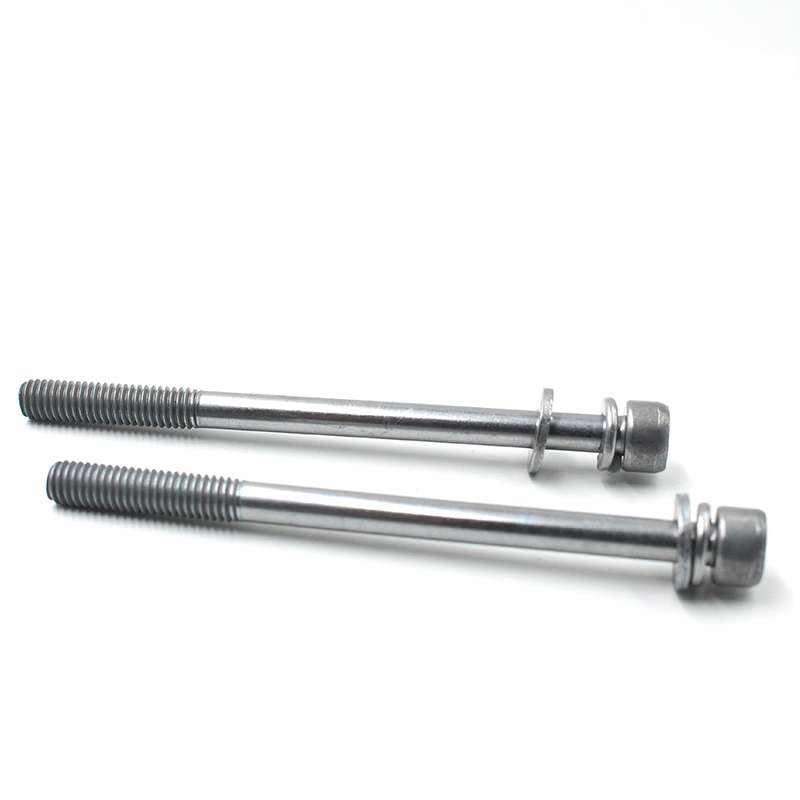
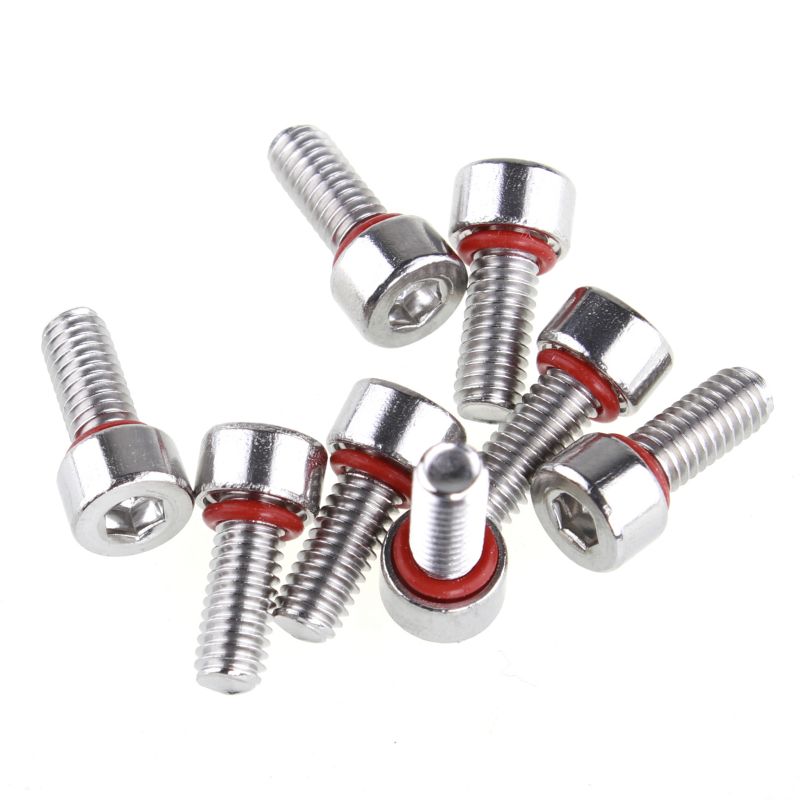
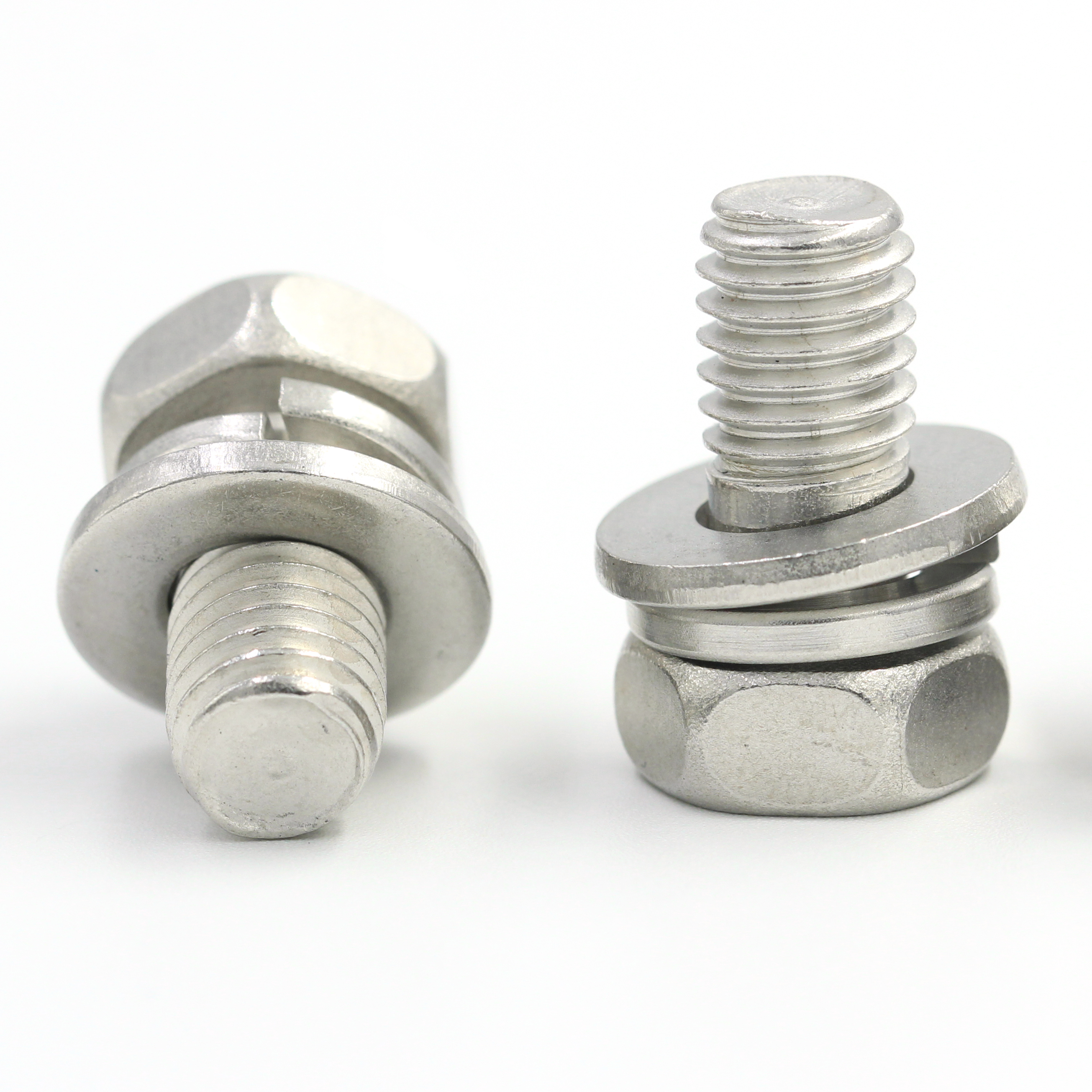
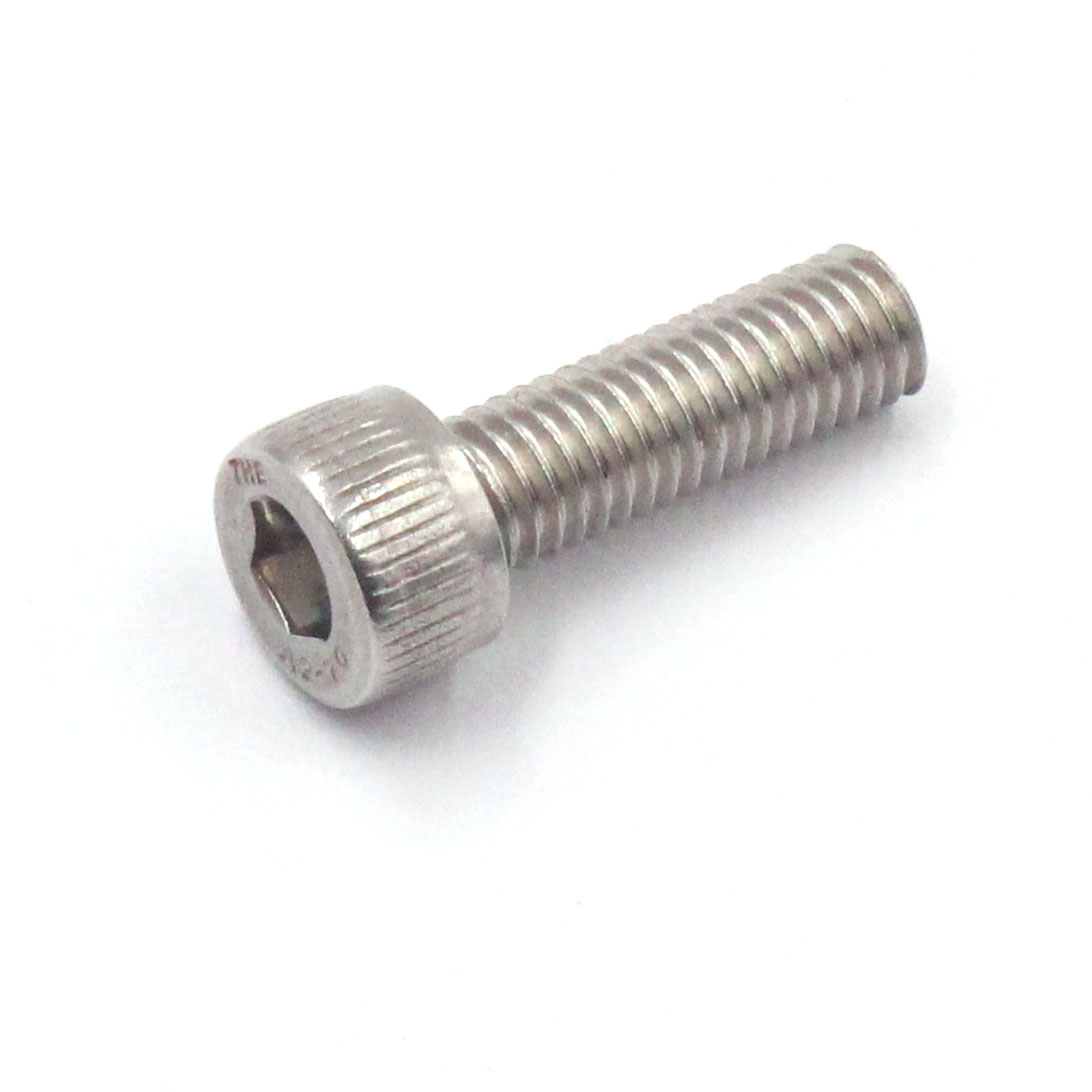
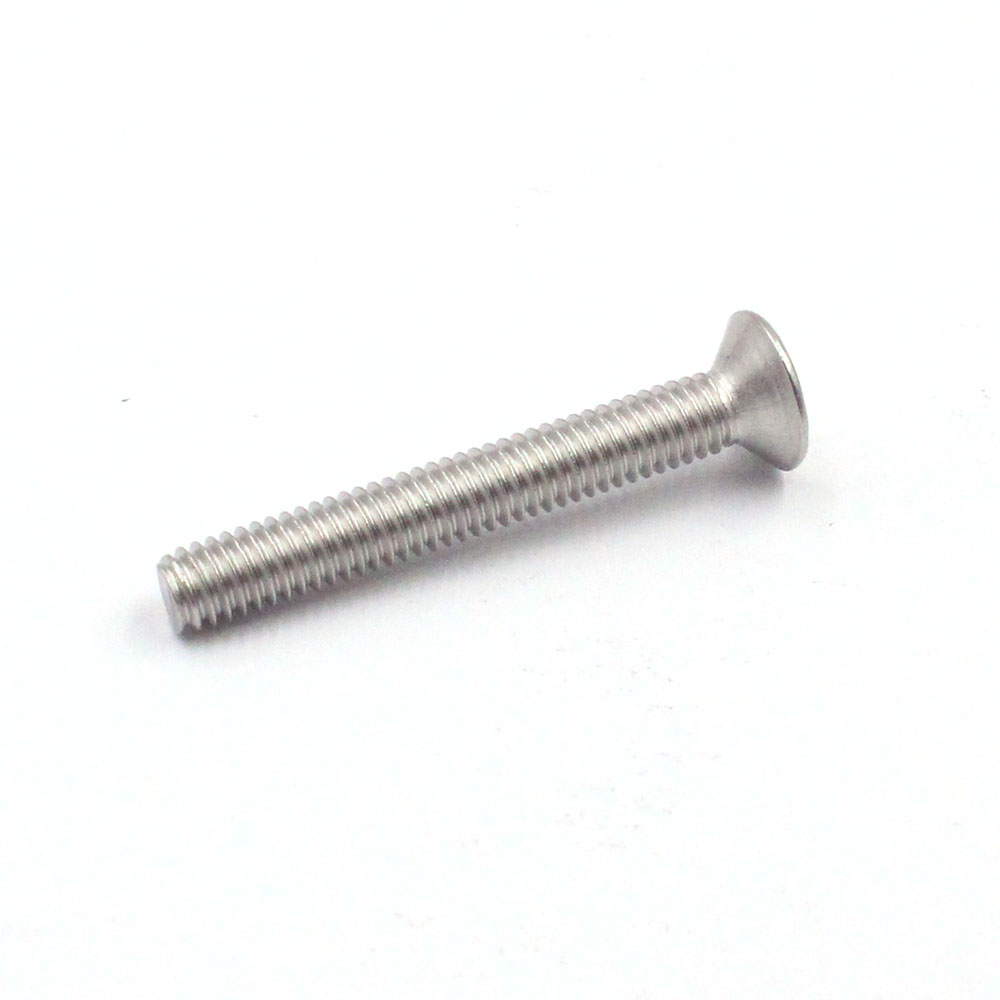
I am a specialist at a China-based manufacturing team, offering the {DIN 7991 Countersunk Hex Bolt} you need for bulk projects. As a Manufacturer, I focus on consistent tolerances, corrosion resistance, and reliable delivery. In our facility, we produce to DIN standards with high-grade bolts, offering zinc plating, black oxide, or stainless finishes. These countersunk bolts sit flush in panels, reducing head protrusion in tight spaces, ideal for general machinery, automotive, and construction assemblies. I can provide batch testing, traceability, and competitive quotes with short lead times for global shipments. Whether you are sourcing in China or elsewhere, we aim to be your trusted Manufacturer partner, delivering quality and service you can count on. Tell me your required sizes, thread pitches, and finishes, and I’ll tailor a solution that keeps your project on track.

Hot Selling Product

DIN 7991 Countersunk Hex Bolt Stands Out in 2025

DIN 7991 countersunk hex bolts are standing out in 2025 as demand for flush, secure mounting grows across electronics, machinery, and furniture applications. The countersunk head creates a smooth surface and reduced snag risk, while the hex socket drive enables reliable torque transfer with common tools. Standard stock ranges typically cover metric sizes from around M3 to M12, with materials such as stainless steel (304/316) and alloy steel, and finishes including zinc plating, black oxide, or passivation for corrosion resistance. Their combination of aesthetics, strength, and installability makes them a preferred choice for enclosures, control panels, housings, and precision assemblies where surface clarity matters. For global buyers, readiness means conformity to DIN 7991, traceable material certificates, and consistent quality across batches. Request material specs, hardness/tensile data, RoHS/REACH compliance, and clear lead times. Diversifying suppliers and ensuring scalable packaging, reliable logistics, and regional stock helps resilience in complex projects. As coatings and surface treatments advance, 2025 offers longer service life and better protection for varying environments, from indoor electronics to demanding industrial settings.

{ DIN 7991 Countersunk Hex Bolt Stands Out in 2025}

Size (DIN 7991) Length L (mm) Material Finish Tensile Strength (MPa) Notes
M3 x 0.5 8 Stainless Steel A2-70 Passivated 520 DIN 7991 countersunk hex socket screw; corrosion resistant
M4 x 0.7 12 Alloy Steel Zinc-Plated 700 Heat-treated for strength class 8.8
M5 x 0.8 16 Stainless Steel A2-70 Passivated 520 Corrosion resistant; electropolished option available
M6 x 1.0 20 Alloy Steel Zinc-Plated 800 Quenched and tempered for higher strength
M8 x 1.25 25 Alloy Steel Black Oxide 850 Suitable for structural assemblies
M10 x 1.5 30 Stainless Steel A4-70 Passivated 700 Marine-grade corrosion resistance

Related Products

banner (2)

DIN 7991 Countersunk Hex Bolt Manufacturer Custom Solutions,

Data Dimension: Production Throughput vs. Dimensional Tolerance Variation

This dataset tracks two manufacturing dimensions relevant to the production of DIN 7991 countersunk hex bolts: throughput and dimensional tolerance deviation. Throughput measures units produced per day and reflects line efficiency and capacity utilization. Dimensional tolerance deviation is measured in micrometers and captures how closely critical geometries—such as head diameter, countersink depth, and thread engagement—conform to target specifications. The chart uses a dual-axis line plot to enable simultaneous observation of both metrics over a common timeline without forcing one metric to fit the other's scale. Over ten weeks, throughput increases from 120 to 170 units/day, while tolerance deviation declines from around 22 μm to 12 μm, suggesting that process improvements yield higher output without compromising quality. This inverse trend indicates that enhancements in tooling, parameter control, fixture stability, and measurement practices can improve both productivity and accuracy. The dual-axis approach helps stakeholders assess whether faster production correlates with better or worse dimensional control, guiding decisions on tooling upgrades, parameter ranges, and inspection frequency for tight tolerances. The dataset provides a baseline for evaluating new process changes or alternative materials, particularly for custom DIN 7991 bolt solutions. However, the limited timeframe of ten observations may not capture longer-term trends, tool wear cycles, or material lot variability. To gain more robust insights, additional data should include defect rates, downstream assembly outcomes, and Statistical Process Control (SPC) indicators such as Cp and Cpk, along with real-time data feeds from manufacturing execution systems. With extended monitoring and cross-functional analysis, this visualization can support continuous improvement initiatives and optimized design of custom bolt solutions.

Top Selling Products