banner (1)

Custom Metal Bracket for OEM and Suppliers - Engineered Solutions

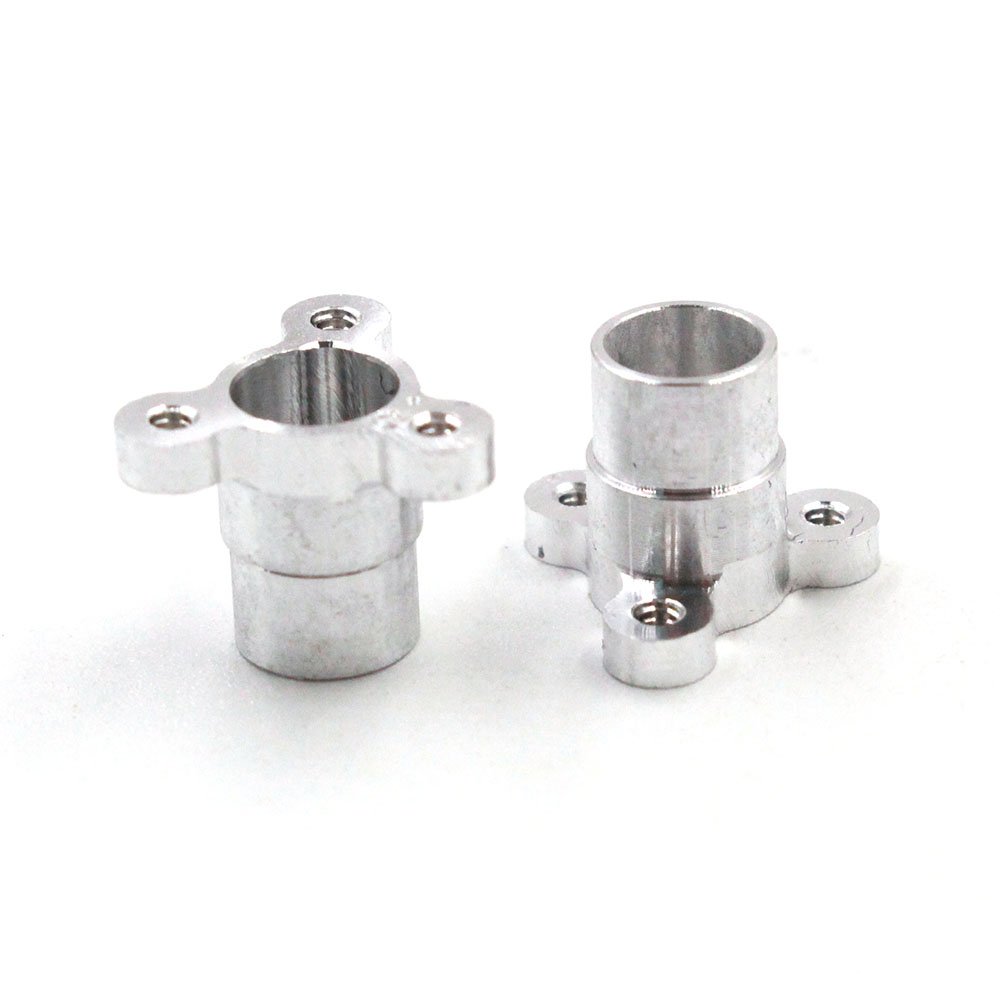
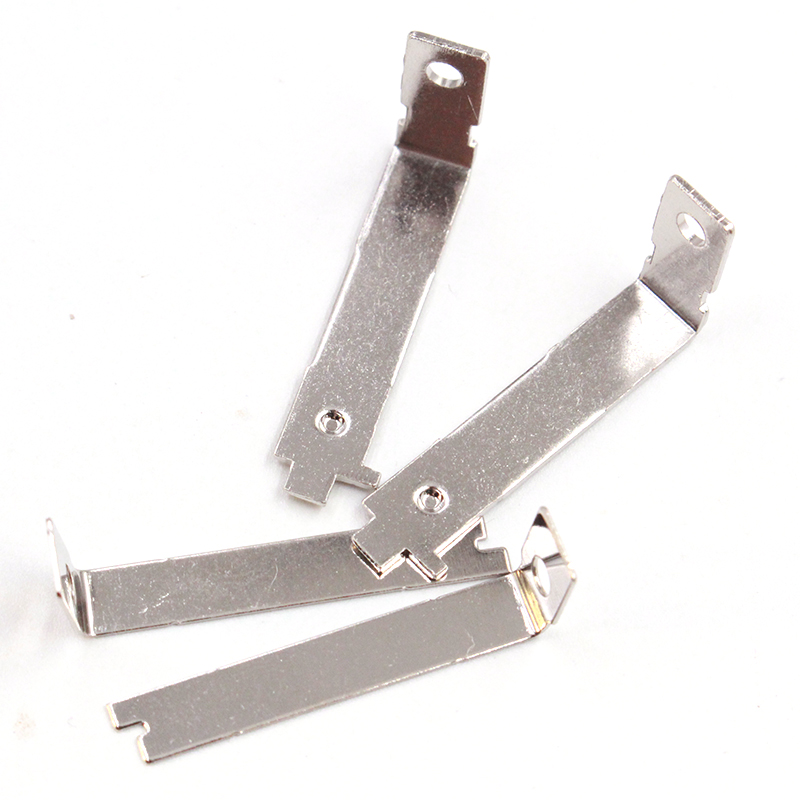
From my workshop to your production line, my Custom Metal Bracket is designed for precision, strength, and easy integration. I specialize in fulfilling OEM needs, providing custom profiles, hole patterns, finishes, and materials tailored to your spec. As one of the reliable Suppliers for industrial assemblies, I offer rapid quotes, CAD models, and prototype runs. With CNC bending, laser cutting, and high-grade steel, aluminum, or stainless options, I ensure corrosion resistance and load ratings that meet your safety and performance requirements. I know your procurement process: RFPs, bulk orders, and strict compliance. I provide material traceability, QA documentation, and on-time delivery. By collaborating early, we optimize weight, cost, and assembly time. If you want a bracket that fits a unique mounting plane or tight tolerances, I'm ready to customize. Let me show you how convenient it is to source a Custom Metal Bracket from a dependable OEM and Suppliers partner.

Hot Selling Product

Custom Metal Bracket Industry Giant Pioneers in the Field

In today’s global procurement landscape, a Custom Metal Bracket Industry Giant stands out as a pioneer in the field, delivering robust, precision-engineered brackets across electronics, appliances, industrial machinery, and building systems. From a Dongguan-based metal solutions partner, the end-to-end offering spans design consultation, rapid prototyping, scalable production, and advanced finishes such as anodizing, powder coating, and plating. With a focus on form, fit, and function, they translate complex customer requirements into reliable, easy-to-assemble components that improve system performance and reduce assembly risk. Quality is built in at every step, with traceable processes, rigorous inspection, and QA that covers materials, dimensional tolerances, and finish integrity. The operation supports high-mix and high-volume production, ensuring consistent performance from pilot runs to mass production. A global logistics network, resilient supply chains, and adherence to international standards shorten lead times and enable on-time delivery. For global buyers seeking reduced total cost, simpler BOMs, and dependable partnerships, this Dongguan-based bracket specialist offers a proven path from concept to production.

Custom Metal Bracket Industry Giant Pioneers in the Field
Dimension 2018 2020 2022 2024
Production Capacity (k tons/year) 3 7 12 18
Number of Manufacturing Facilities 4 6 9 12
Global Market Share (% of global brackets market) 2.5 4.0 5.8 7.2
Lead Time (days) 20 18 15 12
Material Options (Alloy types) 8 12 18 26
Maximum Tensile Strength (MPa) 420 450 480 520
Average Scrap Rate (%) 3.5 2.8 2.2 1.8
Certifications (count) 3 5 7 9
R&D Intensity (% of Revenue) 5.0 4.8 5.6 6.2
Average Order Size (units) 2500 3200 4200 5200

Related Products

banner (4)

Custom Metal Bracket Stands Out Exceeds Industry Benchmarks

New Data Perspective: Material Grade Yield Rate vs Industry Benchmark

Data Dimension: Material Grade Yield Rate

This chart presents a data dimension comparing yield rates across different material grades used in custom metal brackets. The material grades shown—Grade A, Grade B, Grade C, Grade D, and Grade E—represent representative categories in the production line that balance performance, weight, and cost. The bars display the observed yield rates from recent production cycles, defined as the percentage of units passing quality inspection on first pass. The industry benchmark is set at 94%. From the data, Grade A yields 98%, Grade C 97%, Grade E 96%, Grade B 95%, and Grade D 93%. The benchmark line confirms that most grades meet or exceed the standard, with Grade D highlighting the largest improvement potential. The standout performer is Grade A, where higher yield aligns with tighter tolerances achieved during machining and more consistent surface finish results. This pattern demonstrates robust quality control and effective material handling practices across several grades. The chart informs material selection and process optimization decisions. Higher yield reduces scrap and material waste, lowers unit cost, and improves throughput. Conversely, Grade D’s lower yield signals possible bottlenecks such as tool wear, variations in heat treatment, or lubrication efficiency that merit further investigation. By monitoring these metrics over time, teams can pinpoint when adjustments to machining parameters, inspection criteria, or post-processing steps yield meaningful gains. Overall, the data indicates that selective use of higher-yield grades and targeted process improvements can help push bracket manufacturing beyond typical industry benchmarks. Communicating these insights supports continuous improvement and demonstrates a data-driven approach to maintaining competitive quality and delivery performance.

Top Selling Products