
Countersunk Self‑Tapping Screws For Flush Surface Assembly


Technical Specification Table
| Tech Item | Available Options |
|---|---|
| Product | countersunk self‑tapping screws |
| Head Profile | 90° countersunk / CSK flat head |
| Drive Type | Phillips cross‑recess |
| Thread Variant | Thread‑cutting, thread‑forming |
| Raw Material | Carbon steel, 304 stainless steel, 316 stainless steel |
| Surface Finish | Zinc‑plated, black oxide, stainless natural finish |
| Metric Size | M1.6‑M8, custom length & head dimension |
| Typical Requirement | Pre‑countersunk counter‑bore hole on workpiece |
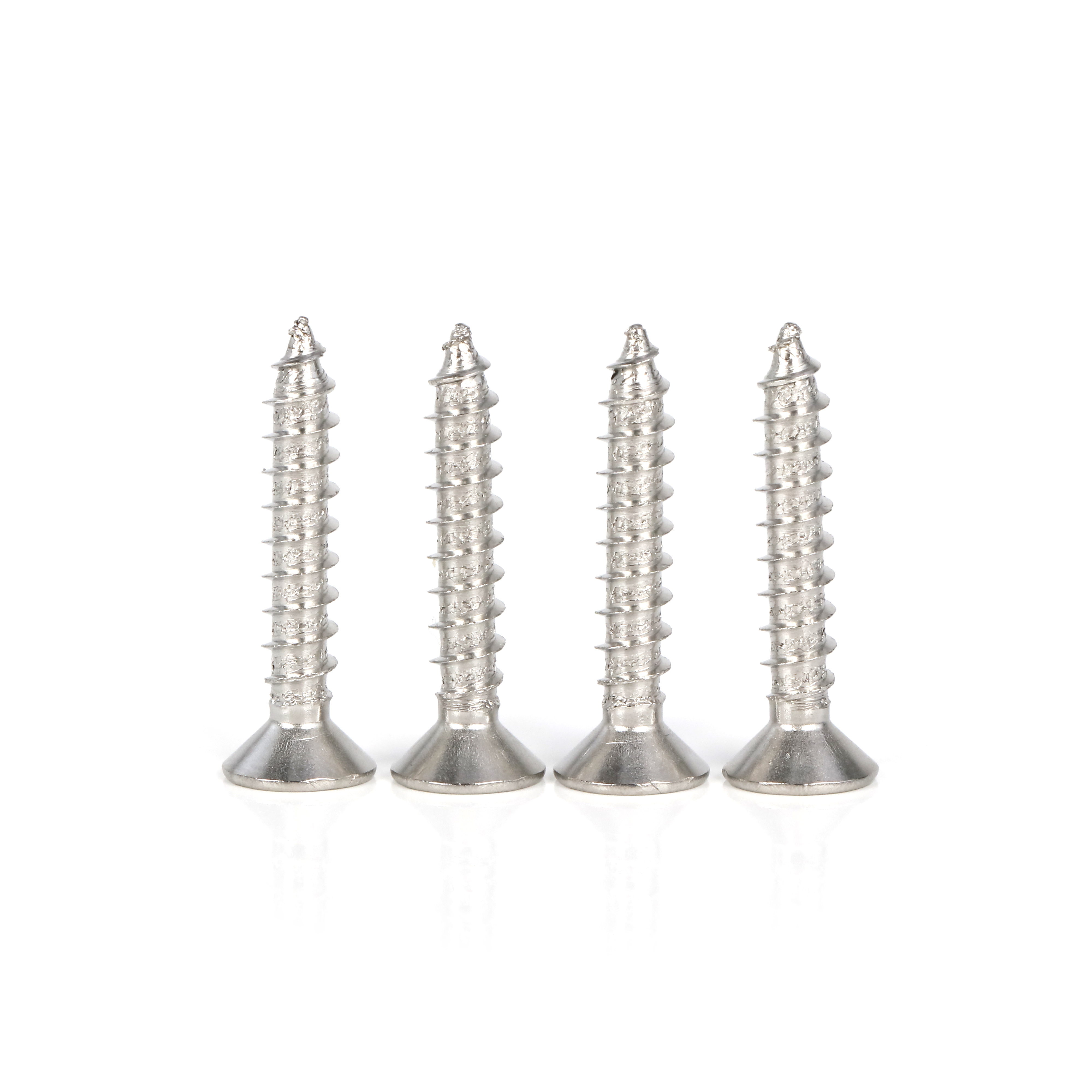
Core Technical Features Of countersunk self‑tapping screws
Tapered 90‑degree countersunk geometry
The conical‑shaped head of our countersunk self‑tapping screws is engineered to mate perfectly with 90‑deg counter‑sink holes. After full tightening, screw head sits completely level with panel surface. No bump, no sharp exposed edges, good for safety, aesthetics and parts where subsequent components slide over the surface.
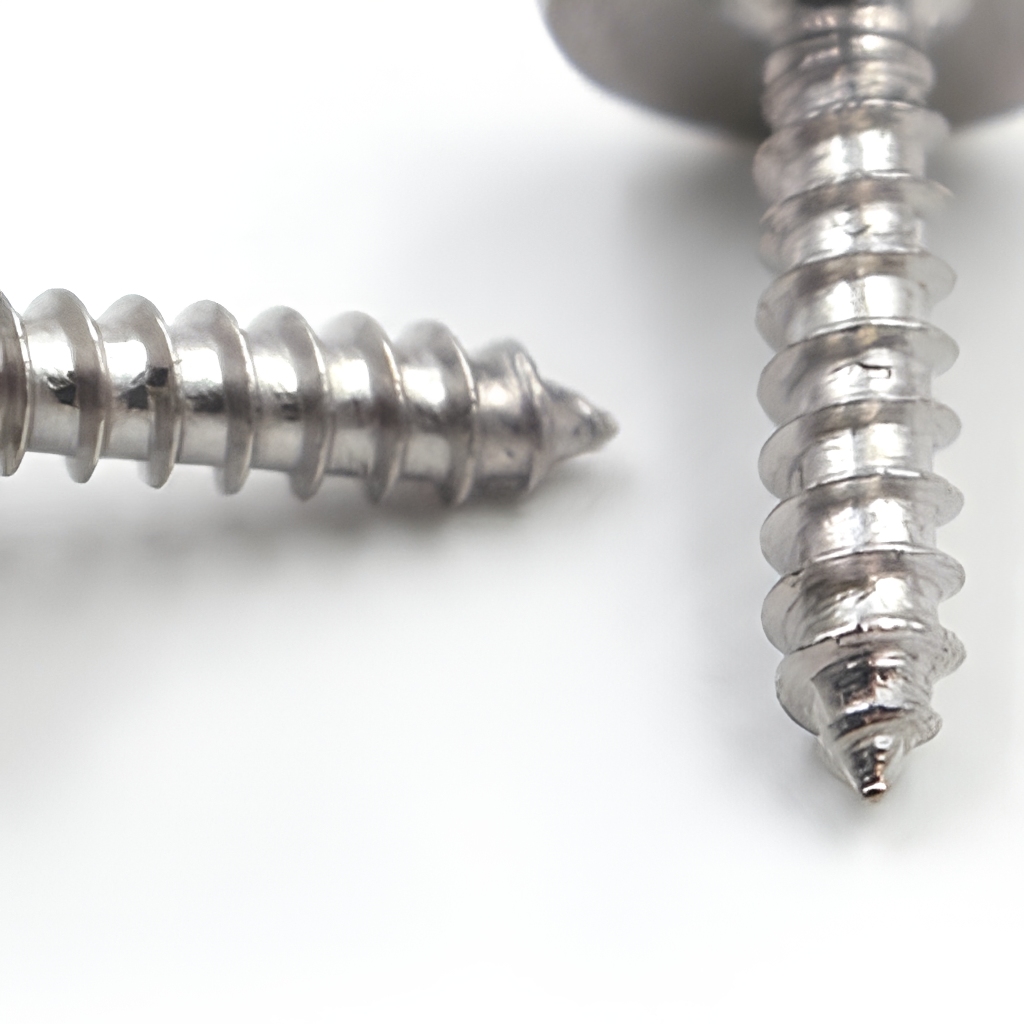
Dual‑thread solution for different substrates
Thread‑cutting countersunk self‑tapping screws suit thin metal sheets, hard composite panels. Cutting flutes remove material chips while forming internal threads.
Thread‑forming countersunk self‑tapping screws apply to plastic housings, displace material without chips and lower plastic cracking risk.
Material & anti‑corrosion performance
Zinc‑plated carbon‑steel countersunk self‑tapping screws work for indoor panel assembly.
Select 304 /316 stainless‑steel countersunk self‑tapping screws for damp, coastal and outdoor installations. Black‑oxide finish is limited to dry‑indoor environments only.
Common Selection & Application Mistakes To Avoid For countersunk self‑tapping screws
Mistake 1: No pre‑machined countersink hole
Many new buyers use countersunk self‑tapping screws on flat holes without counter‑sinking. Screw head cannot sink and stays raised. This defeats the core benefit of countersunk design. Work‑piece needs matching 90‑deg counter‑bore before assembly.
Mistake 2: Over‑torquing during tightening
Over‑torque will crush the countersunk taper seat, cause hole deformation, head sinking too deep and reduce actual clamping force. For thin plastic panels, excessive torque can also trigger hidden cracks around counter‑sink area. Set torque value matched to material hardness.
Mistake 3: Mismatch between head angle and counter‑sink angle
If workpiece counter‑sink angle deviates far from standard 90‑degree, the cone‑head cannot make full surface contact. Partial point‑load will appear, and screws may loosen under vibration. Inform us your counter‑sink geometry for custom‑head modification if needed.
Custom Manufacturing Support
Standard stock countersunk self‑tapping screws cannot cover every counter‑sink dimension requirement. We accept custom orders based on technical drawings or physical samples: adjust countersink angle, head diameter, thread‑type, overall length and surface coating. Small‑batch trial samples are available to verify flush‑mount effect on your real‑world work‑pieces prior to mass‑production.
FAQ
Q1 Can countersunk self‑tapping screws sink into work‑pieces without countersink hole?
A: No. countersunk self‑tapping screws require pre‑machined 90‑degree counter‑sink hole. Without counter‑bore, head will remain protruding.
Q2 Which thread should I pick for thin‑wall plastic panels?
A: Thread‑forming PT‑type countersunk self‑tapping screws are recommended, plus properly adjusted torque setting to avoid countersink seat crushing.
Q3 Do you supply non‑standard countersink‑angle countersunk self‑tapping screws ?
A: Yes, custom countersunk‑head profile can be manufactured against customer drawings or samples.
Write your message here and send it to us
-
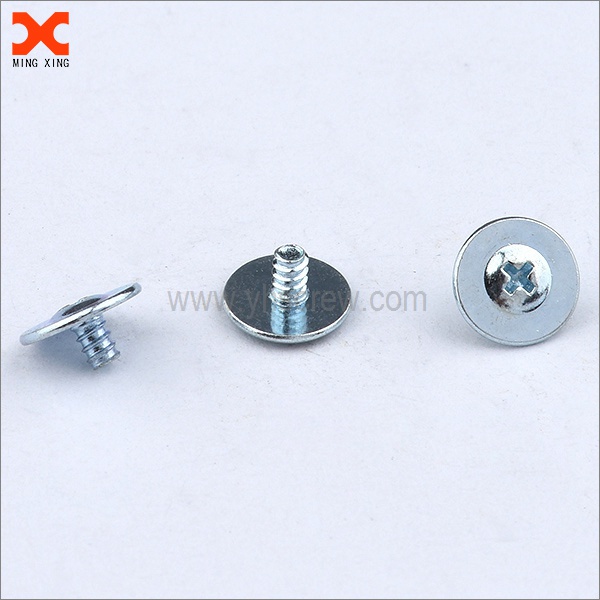
0-80 UNF washer head phillips self tapping screws
-
304 Stainless Steel Self Tapping Screws Custom ...
-
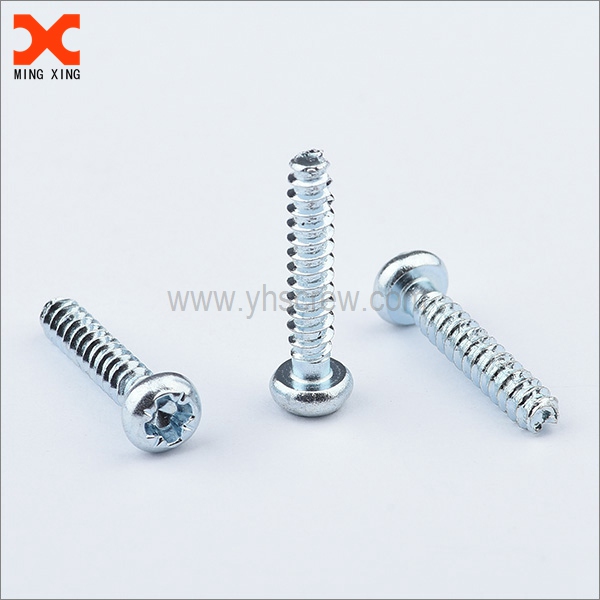
316 stainless steel pozi pan head self tapping ...
-
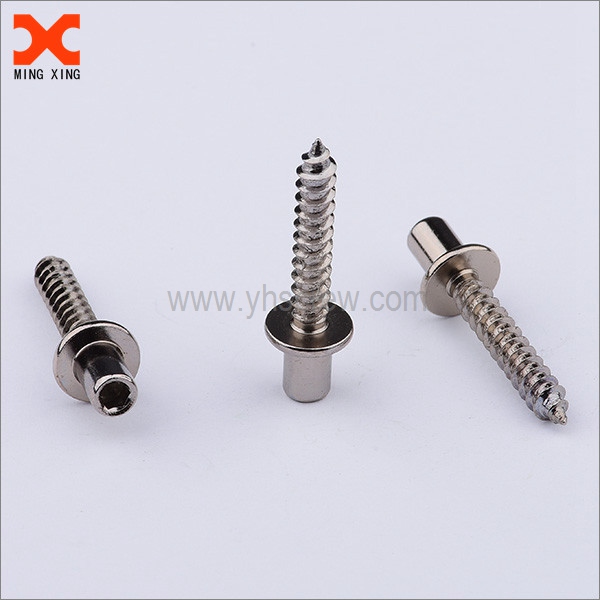
A4-80 socket head cap flange self tapping screw...
-
-300x300.jpg)
black 304 stainless steel pan washer head torx ...
-

Black Countersunk Phillips Self Tapping Screw
-
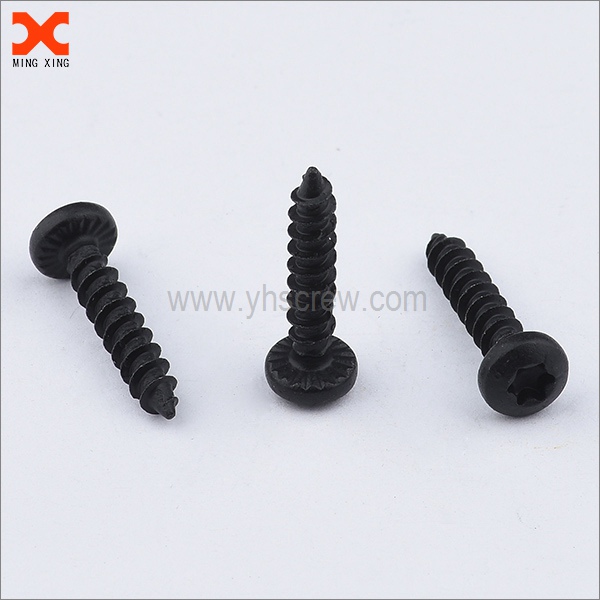
Black oxide phillips drive torx pan head self t...
-

Black Phillips Self Tapping Screw for Plastic
-

Black Phosphated Phillips Bugle Head Fine Coars...
-
Black Small Self Tapping Screws Phillips Pan Head
-

Carbon Steel Blue Zinc Plated Pan Head Type A H...
-

Carbon Steel Blue Zinc Plated Pan Head Phillips...
-

Blue Zinc Plated Pan Washer Head Self Tapping S...
-

Carbon Steel Black Zinc Nickel Alloy Plated Pan...
-

Black zinc washer phillips head self tapping sc...





