

Carbide Insert Screws - China Manufacturer
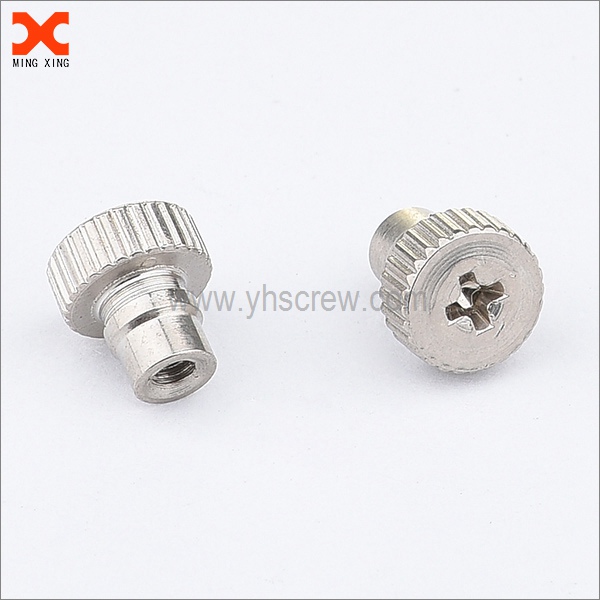
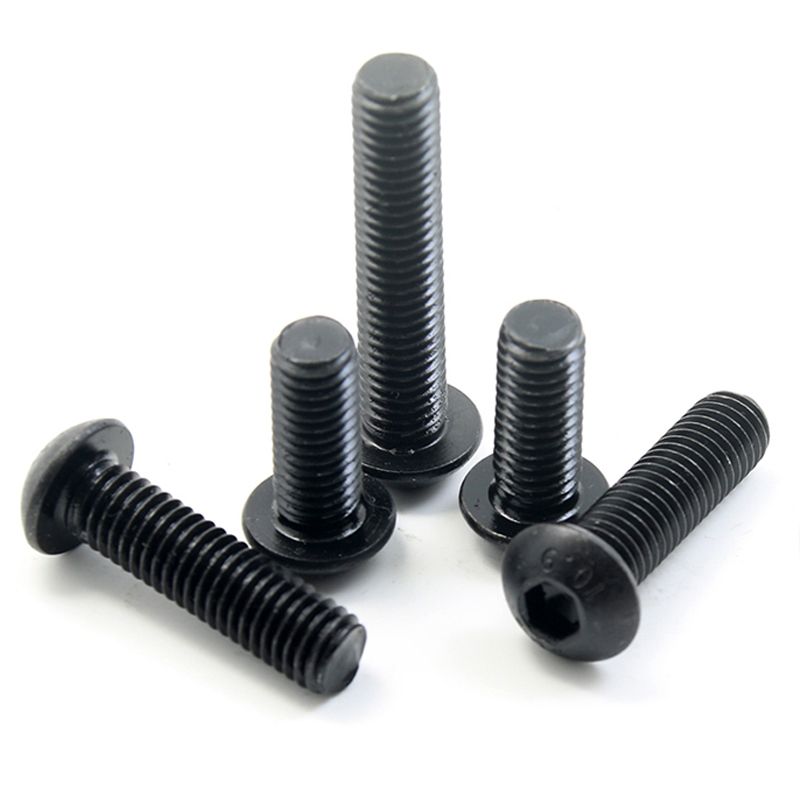
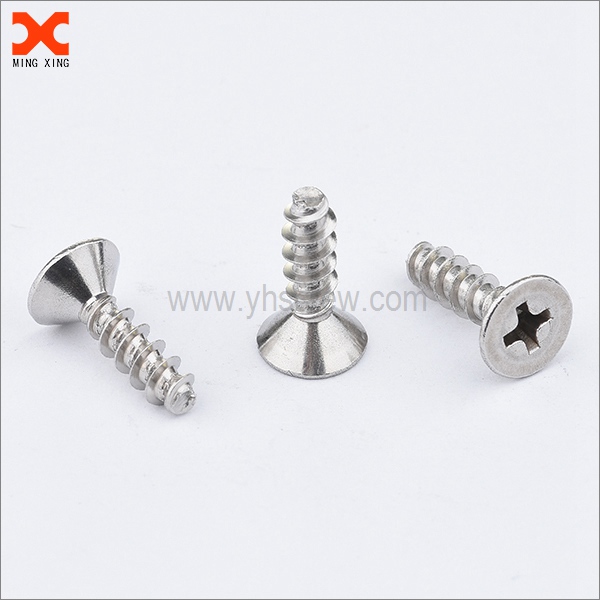
We provide Carbide Insert Screws that engineers trust for precision and reliability in tool assemblies. As a China Manufacturer with global reach, I oversee tight tolerances, corrosion resistance, and secure clamping under high cutting forces. Our Carbide Insert Screws are engineered for long tool life, with PVD coated or solid carbide variants, compatible with standard ISO threads, sizes from M3 to M6 depending on series. I emphasize quality control: raw materials sourced from top suppliers, meticulous heat treatment, and anti-embedment features to prevent insert rotation. For B2B buyers, we offer rapid sampling, flexible MOQ, and scalable production to meet OEM schedules. Whether you're upgrading existing tools or designing new tooling, I can provide datasheets, performance tests, and certification packs. Shipping from our factory in China with competitive lead times, we stand ready to support your procurement strategy and reduce total costs per tool. Choose Carbide Insert Screws for dependable performance in demanding operations.



Carbide Insert Screws Now Trending Custom Solutions,
Carbide insert screws are more than fasteners; they enable stable cutting performance. The trend favors customizable solutions that fit tool-holders, insert sizes, and production needs. Buyers seek screws with precise dimensions, reliable coatings, and tailored drive heads to maximize insert retention and extend tool life. From custom lengths and thread forms to non-standard heads and finishes, manufacturers are enabling design-for-manufacture options that align tooling with workflow and total cost of ownership. Procurement starts with a clear spec: material grade, hardness, tolerance, thread pitch, and head style, plus anti-rotation features and corrosion-resistant coatings. Demand traceability and QC data; consider multi-sourcing to reduce risk and shorten lead times. Finally, collaborate with trusted suppliers to optimize geometry and coating for your use cases, delivering consistent insert security, reduced downtime, and predictable results across automotive, aerospace, and general engineering applications.
{ Carbide Insert Screws Now Trending Custom Solutions,}
| Item Code | Carbide Grade | Insert Size (mm) | Thread Size | Screw Length (mm) | Drive Type | Head Style | Coating | Material | ISO Standard | Hardness (HRC) | Tensile Strength (MPa) | Applications |
|---|---|---|---|---|---|---|---|---|---|---|---|---|
| CIS-CTI-001 | K10 | 16 x 8 | M3 | 6 | Torx T5 | Button | TiN | Tungsten carbide (WC-Co) | DIN 912 | 93 | 4100 | General milling |
| CIS-CTI-002 | K20 | 20 x 10 | M4 | 8 | Hex/Allen 2.5 | Socket | TiAlN | Tungsten carbide (WC-Co) | DIN 912 | 92 | 4100 | High-precision facing |
| CIS-CTI-003 | K30 | 12 x 4 | 8-32 | 5 | Slot | Flat | DLC | WC-Co carbide | DIN 912 | 94 | 4200 | Micro milling inserts |
| CIS-CTI-004 | K40 | 25 x 12 | M6 | 12 | Torx T8 | Button | TiAlN | WC-Co carbide | DIN 912 | 91 | 3950 | Heavy-duty milling |
| CIS-CTI-005 | K15 | 18 x 9 | M5 | 10 | Hex Socket | Socket | TiN | WC-Co carbide | DIN 912 | 90 | 3850 | High-speed tapping inserts |
| CIS-CTI-006 | K25 | 22 x 11 | M3 | 7 | Hex Allen 2.0 | Button | DLC | WC-Co carbide | DIN 912 | 91.5 | 3950 | Micro finishing |
Related Products

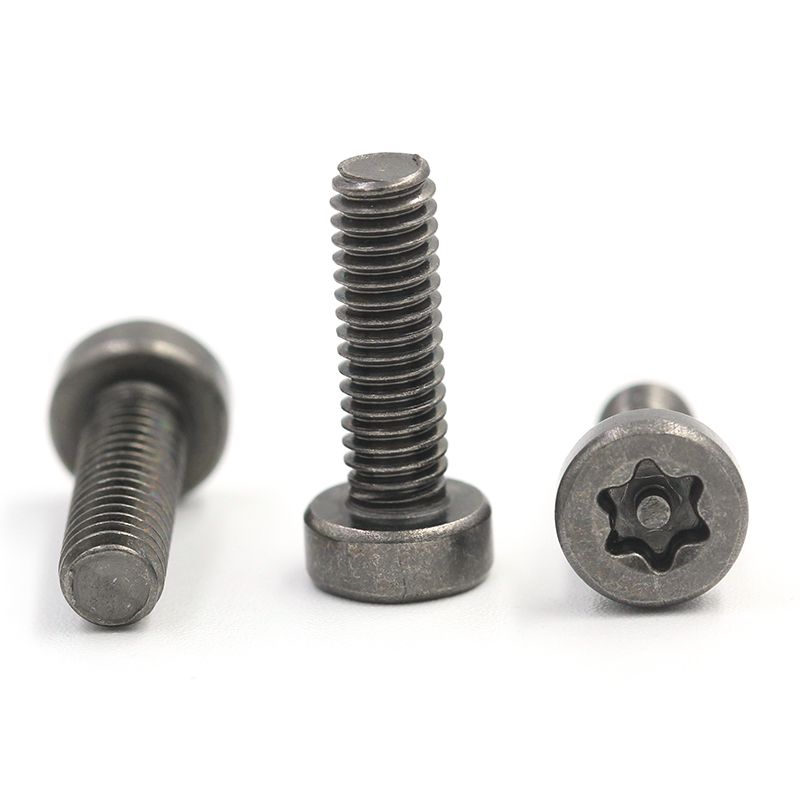

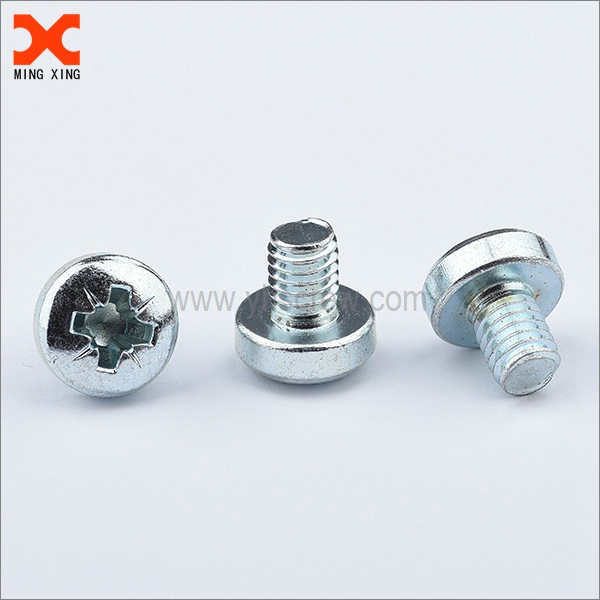
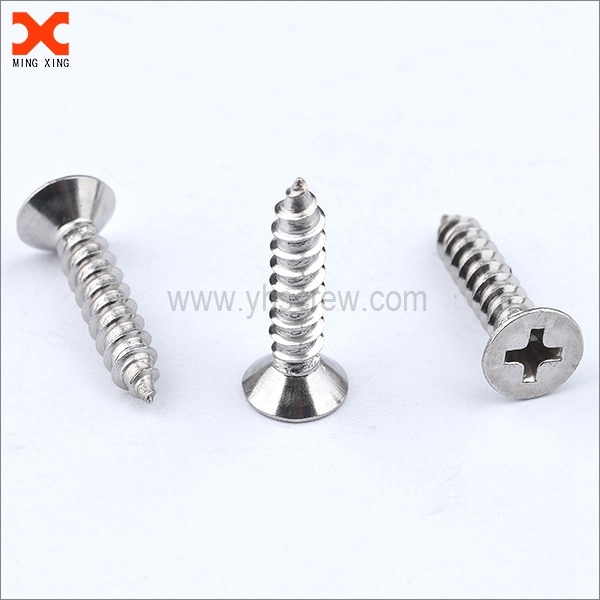
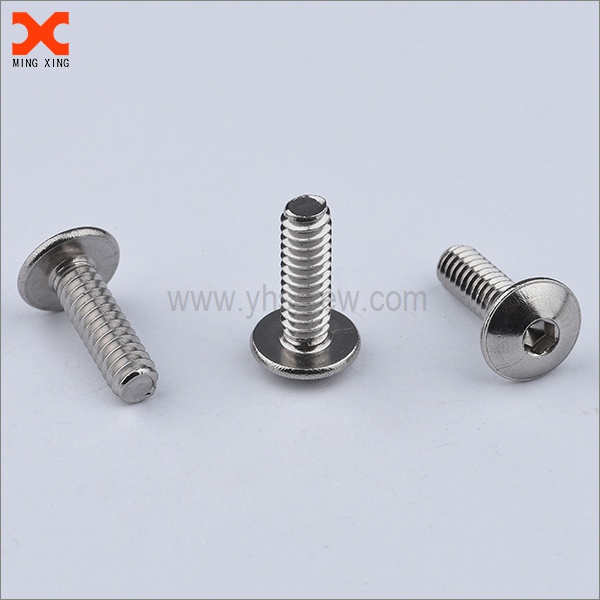

Carbide Insert Screws Is The Best Guarantees Peak Performance
Top Selling Products



- Related Blog
- Reviews
- Reviews

-

Phone
-

E-mail
-

Whatsapp
-

WeChat

-

Top


