banner (1)

Barrel Sleeve Nut for OEM Suppliers

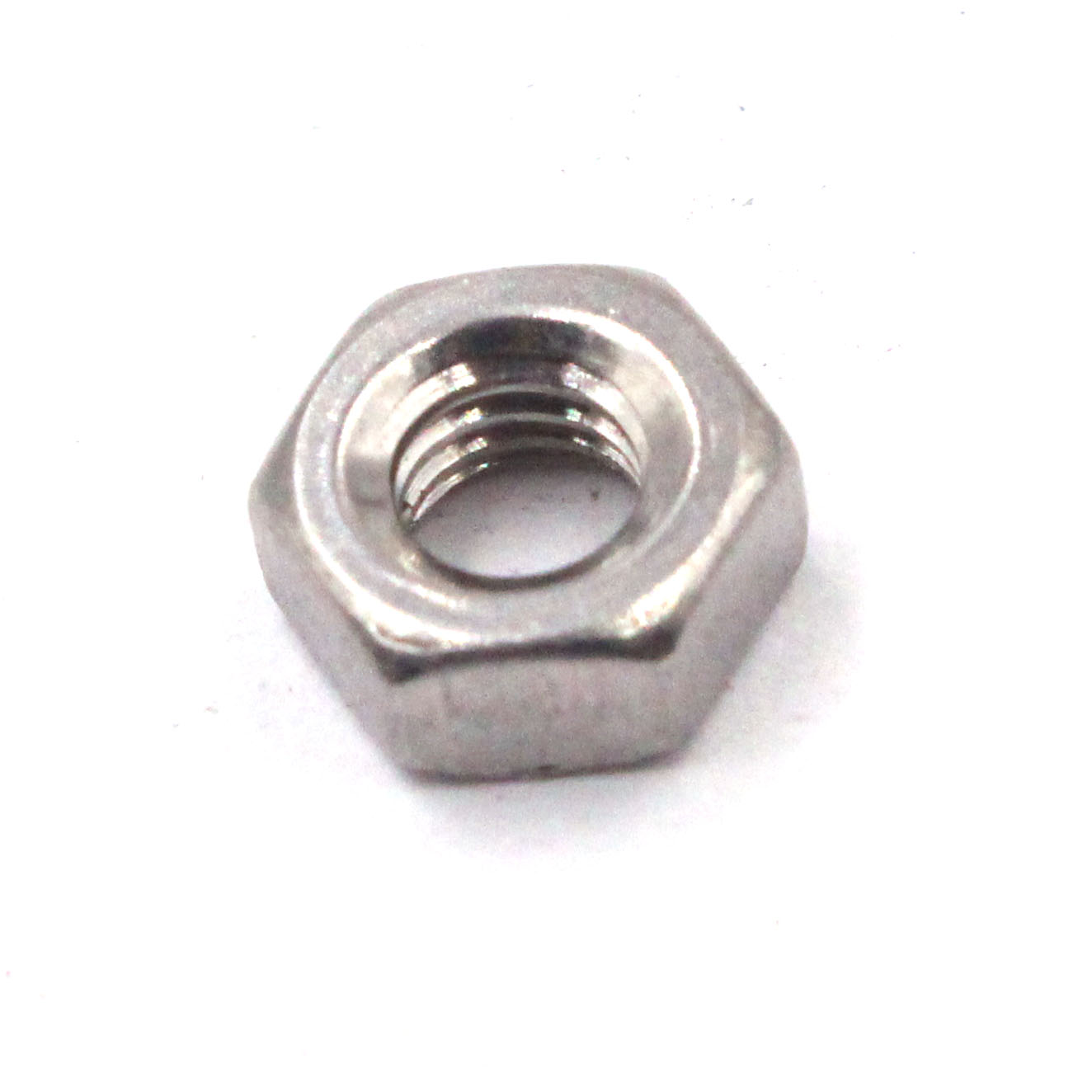
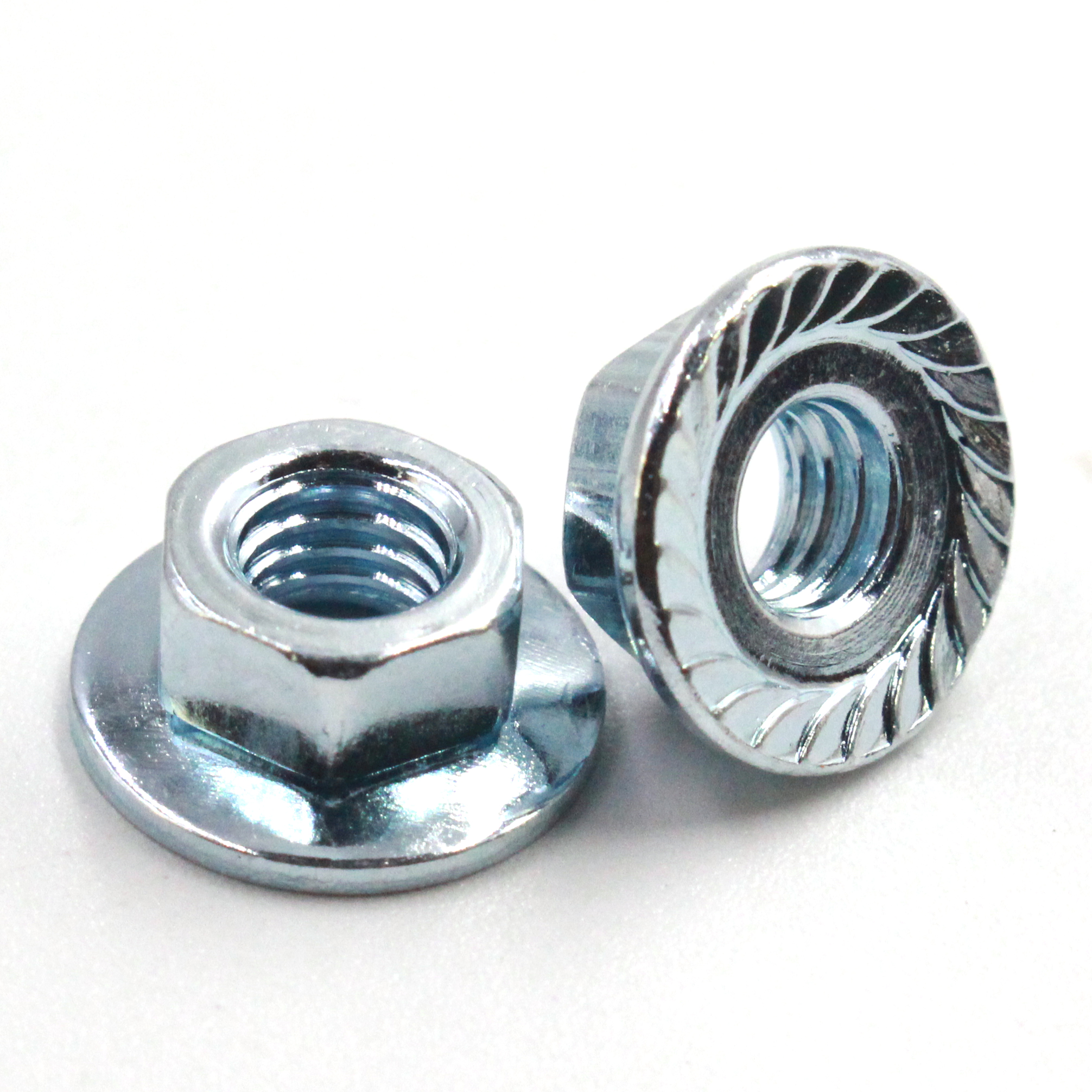
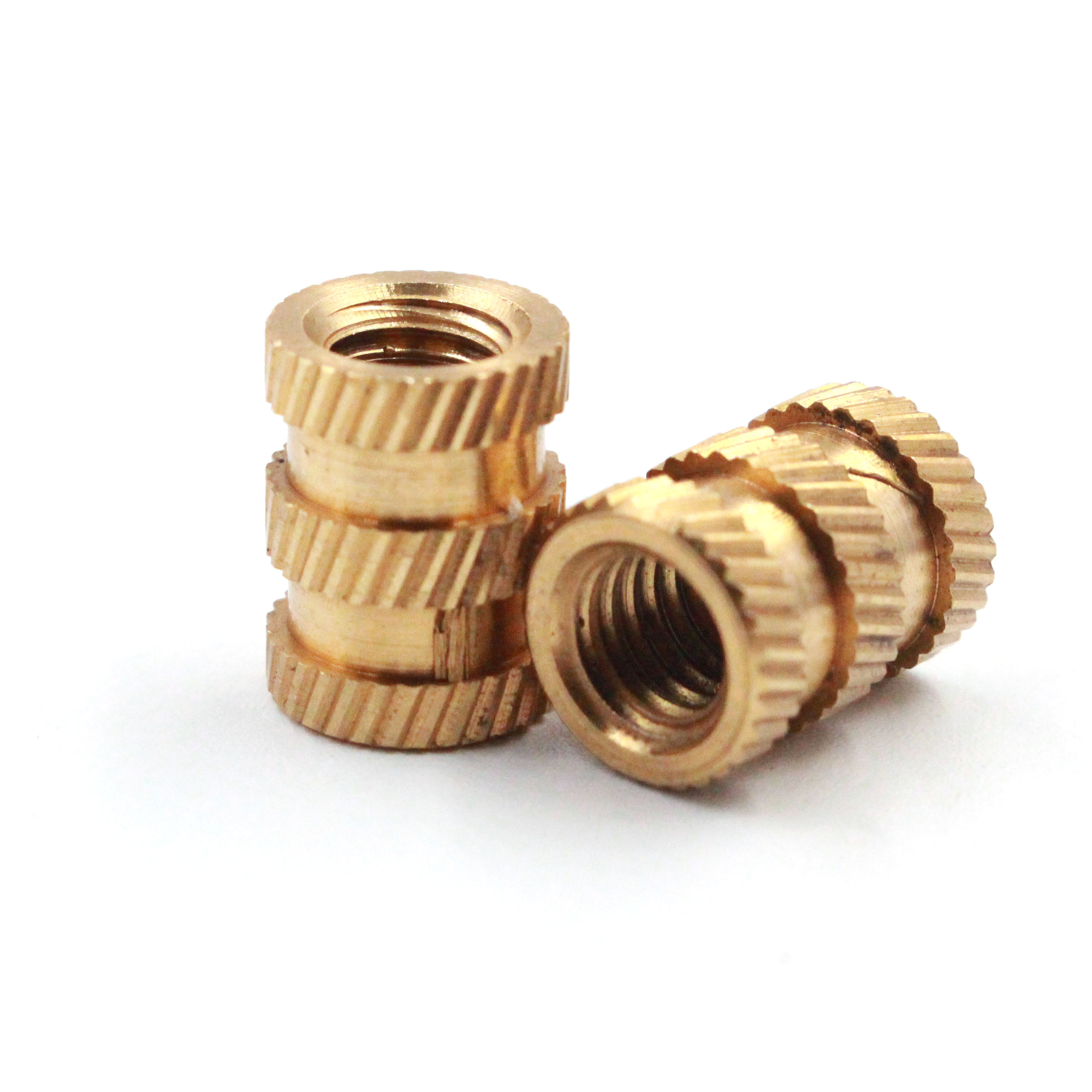
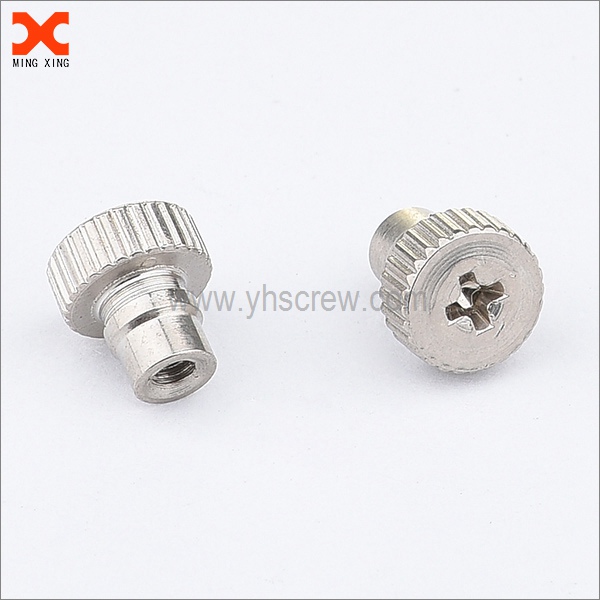
I work with barrel sleeve nut solutions that meet the exacting demands of modern manufacturing. When you choose my barrel sleeve nut, you’re getting precise threading, reliable seating, and smooth assembly under load. I source from OEM-grade producers and reliable Suppliers to ensure consistent dimensions, heat treatment, and corrosion resistance. The nut is designed for easy installation and long service life, even in vibration-heavy applications. I tailor material options—stainless steel, alloy steel, coated finishes—to fit your environment and budget. Whether you’re updating legacy equipment or designing new machines, this barrel sleeve nut can improve alignment and reduce downtime. Contact me for samples, technical datasheets, and bulk pricing so your purchasing team can move fast.

Hot Selling Product

barrel sleeve nut Sets the Industry Standard Your Trusted OEM Partner

Barrel sleeve nuts are a staple in many assemblies, delivering steady clamping and quick installation. The design combines a robust outer sleeve with a precise inner thread, supporting tight tolerances and reliable performance even in vibration and heat. By using high-grade alloys, corrosion-resistant coatings, and careful finishing, these parts meet demanding durability needs while remaining cost-efficient for high-volume production. When properly specified, they reduce misalignment, simplify assembly, and extend service life in electronics, machinery, automotive, and consumer equipment. As a trusted OEM partner for global buyers, we provide end-to-end support—from part selection to prototyping and full-scale production. We customize thread forms, lengths, coatings, and head styles with design-for-manufacturing input to optimize assembly. A rigorous quality program delivers 100% inspection, traceability, and tight tolerances, supported by material compliance and certifications. With scalable production, flexible packaging, and reliable logistics, we ensure on-time delivery across regions, reducing risk in the global supply chain. For teams pursuing standardization, engineering collaboration, and predictable performance, this barrel sleeve nut framework sets a high industry standard.

{ barrel sleeve nut Sets the Industry Standard Your Trusted OEM Partner}

SKU Thread Size Material Finish Length (mm) Outer Dia (mm) Applicable Screw Size Load Capacity (kg) Temperature Range (°C) Certification Origin
BSN-01 M4 x 0.7 Stainless Steel 304 Passivated 12 15 M4 110 -40 to 150 RoHS, REACH Germany
BSN-02 M5 x 0.8 Steel 1018 Zinc Plated 15 17 M5 150 -40 to 120 RoHS China
BSN-03 M6 x 1.0 Aluminum 6061 Anodized Black 18 20 M6 90 -20 to 100 REACH Taiwan
BSN-04 1/4-20 Steel 303 Chrome Plated 14 18 1/4-20 130 -40 to 150 RoHS USA
BSN-05 M8 x 1.25 Stainless Steel 316 Satin 22 24 M8 170 -60 to 125 RoHS, REACH Europe
BSN-06 M4 x 0.7 Brass (Cu) Nickel Plated 10 14 M4 85 -20 to 90 REACH India
BSN-07 M5 x 0.8 Aluminum 7075 Anodized Silver 16 19 M5 95 -40 to 110 RoHS Japan
BSN-08 M6 x 1.0 Stainless Steel 304 Satin 20 22 M6 100 -50 to 140 RoHS, REACH South Korea

Related Products

banner (3)

barrel sleeve nut Guarantees Peak Performance Manufacturers You Can Rely On

Data Dimension: Throughput Efficiency vs Quality Index Over Time
0 60 80 100 120 140 Throughput Units/day Jan: Throughput 80, Quality 75 Feb: Throughput 95, Quality 78 Mar: Throughput 100, Quality 82 Apr: Throughput 110, Quality 85 May: Throughput 105, Quality 88 Jun: Throughput 120, Quality 90 Jul: Throughput 118, Quality 92 Aug: Throughput 112, Quality 93 Sep: Throughput 115, Quality 91 Oct: Throughput 108, Quality 89 Nov: Throughput 95, Quality 86 Dec: Throughput 100, Quality 90 Jan: Quality 75 Feb: Quality 78 Mar: Quality 82 Apr: Quality 85 May: Quality 88 Jun: Quality 90 Jul: Quality 92 Aug: Quality 93 Sep: Quality 91 Oct: Quality 89 Nov: Quality 86 Dec: Quality 90 Throughput (Left axis) Quality (Right axis)

Explanation of the Data and Insights

This chart illustrates a 12-month view of two core performance metrics in precision barrel sleeve nut manufacturing — Throughput (units produced per day) and Quality Index (the percentage of parts meeting specification). The data dimension, labeled Throughput Efficiency vs Quality Index Over Time, is represented with the left y-axis for throughput and the right y-axis for quality, while the x-axis marks months. The lines show how production volume and quality evolve together and where trade-offs may occur.

From January to February, throughput rises from 80 to 95 while quality climbs from 75 to 78, suggesting improved process stability. March through June shows throughput approaching a peak near 120 in June, with quality maintaining high levels around 82–90. This indicates the operation can sustain elevated volume without substantial degradation in quality, possibly due to better calibration and tooling condition. In the late year, August through December, throughput remains strong (around 112–100) while quality traces a slight decline (93 to 86), signaling a marginal drift that could be caused by tool wear or heat buildup; a targeted maintenance check could restore peak quality.

The chart implies several actionable implications for manufacturing control: (1) There is generally a positive relationship between throughput and quality across most of the year, but pockets of misalignment exist that merit deeper root-cause analysis; (2) The right-side y-axis helps isolate quality dynamics so that stakeholders can assess whether quality is keeping pace with production—critical for customer satisfaction and warranty risk; (3) The 3:1 aspect ratio preserves readability on standard screens, making it useful for quarterly reviews and board-level dashboards. To sustain peak performance, operators can implement tighter process controls, periodic calibration of sleeve nuts, and proactive maintenance planning aligned with production schedules.

Top Selling Products