banner (1)

Aluminum Unthreaded Spacer - China Manufacturer for Industrial Use

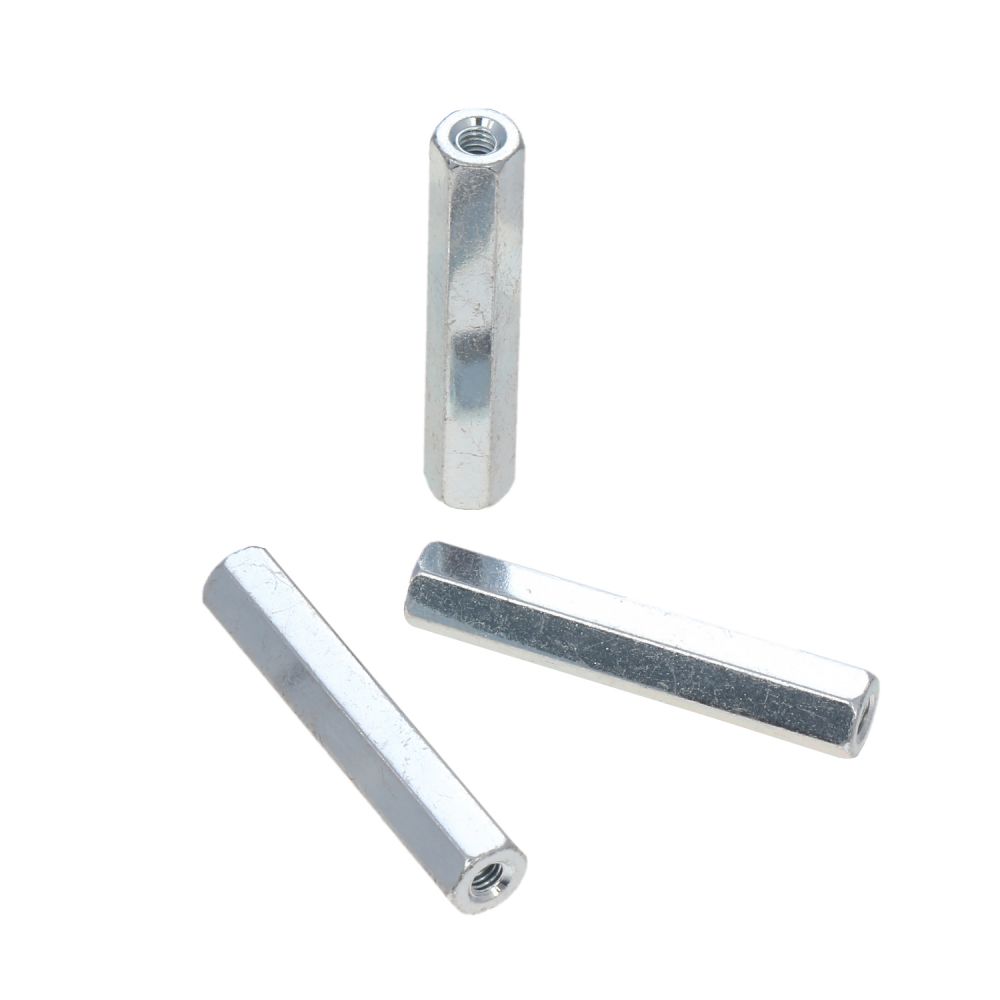
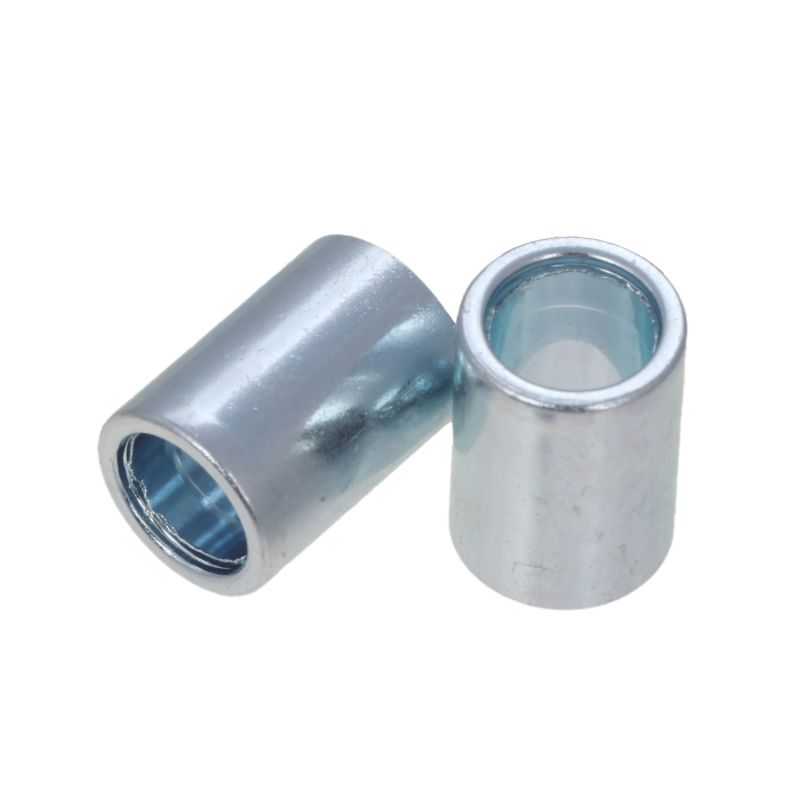
From the first inquiry, I know your project demands reliable spacers that won't warp in assembly. I offer Aluminum Unthreaded Spacer that delivers smooth alignment and steady performance under load. As a China-based Manufacturer, I can supply consistent material grades and tight tolerances to match your drawings. My spacers come in lightweight aluminum with excellent corrosion resistance, ideal for electronics housings, automotive, or industrial frames. They are unthreaded, so no screw holes to compromise strength, easy to install, and help reduce vibration. We can customize outer diameter, thickness, hole size, and finish (anodized, natural, black) to fit your design. Short lead times, competitive price, and scalable production mean you can plan your supply chain with confidence. I keep strict QA, include clear packaging, and ready-to-ship stock for common sizes. If you need precision, repeatability, and fast delivery from a trusted China Manufacturer, reach out and I’ll guide you to the right options.

Hot Selling Product

Aluminum Unthreaded Spacer Products Winning in 2025

Global buyers seeking lean, reliable assemblies in 2025 are turning to aluminum unthreaded spacers. They provide precise separation without threaded fasteners, enabling faster assembly, fewer misalignments, and easier automation. Aluminum offers a strong weight-to-strength balance, corrosion resistance, and heat conduction, while the unthreaded design reduces snags on robotic lines. Standard metric and inch sizes simplify cross‑border sourcing, and anodized finishes add protection and aesthetics. Streamlined inventory and consistent packaging support just‑in‑time manufacturing and lower total cost of ownership. Effective sourcing now means evaluating material grade (6061/6063), tight tolerances, finishes, and supply reliability. Look for options like shoulder height, bore size, outer diameter, and precise hole spacing to fit existing hardware. Packaging should be automation-friendly, with clear labels and lot traceability, and QA should cover first‑article inspection and process capability. A capable supplier with export readiness and RoHS/REACH compliance can deliver steady quality and timely delivery to global buyers in 2025 and beyond.

{ Aluminum Unthreaded Spacer Products Winning in 2025}

Product_ID Material Outer_Diameter_mm Inner_Bore_mm Length_mm Wall_Thickness_mm Finish Tolerance_mm Weight_g Applications Manufacturing_Method Certification
AL-UN-001 6061-T6 Aluminum 10 4 15 3 Anodized - Clear +/-0.1 2.67 Electronics enclosure spacer CNC Machined ISO 9001; RoHS
AL-UN-002 6061-T6 Aluminum 12 5 20 3.5 Anodized - Clear +/-0.1 5.05 Mechanical spacer in automotive assemblies CNC Machined ISO 9001
AL-UN-003 6061-T6 Aluminum 14 6 25 4 Anodized - Silver +/-0.1 8.48 Industrial machinery alignment CNC Machined ISO 9001; RoHS
AL-UN-004 6061-T6 Aluminum 16 7 30 4.5 Anodized - Clear +/-0.1 13.17 Heat sink mounting spacer CNC Machined ISO 9001; RoHS
AL-UN-005 6061-T6 Aluminum 20 8 40 6 Anodized - Black +/-0.1 28.50 Robotics limb assembly CNC/Milling ISO 9001
AL-UN-006 6061-T6 Aluminum 22 10 45 6 Anodized - Bronze +/-0.1 36.70 Electrical panel spacers CNC Machined ISO 9001
AL-UN-007 6061-T6 Aluminum 9 3 10 3 Natural anodized +/-0.1 1.53 General equipment CNC Machined ISO 9001
AL-UN-008 6061-T6 Aluminum 25 12 50 6.5 Anodized - Silver +/-0.1 50.00 Large mechanical assemblies CNC Machined ISO 9001; RoHS

Related Products

banner (2)

Aluminum Unthreaded Spacer Manufacturer Stands Out

Dimension: Production Volume by Spacer Length (mm)

1200 950 760 540 320 210 5 8 10 12 16 20

This chart presents the dimension: Production Volume by Spacer Length (mm). The data reveal a clear decline in production volume as spacer length increases. The 5 mm category leads with 1,200 units, followed by 8 mm with 950 units, while the 10, 12, 16, and 20 mm categories show progressively lower outputs (760, 540, 320, and 210 units respectively). This distribution likely reflects typical demand patterns in assembly contexts where shorter spacers are used more frequently due to compact designs and higher turnover, leading to higher line utilization. Longer spacers generally require more machining time, tighter tolerances, and sometimes custom tooling, which reduces batch sizes and overall throughput. From a manufacturing perspective, the chart highlights opportunities for optimization: reducing cycle times for mid-to-long length spacers, increasing automation flexibility to minimize downtime when switching between length specifications, or offering bundled length ranges to improve planning and inventory management. If longer spacers are strategic for product diversification, considerations such as tooling upgrades, programming efficiency, and supplier coordination could help raise their output without compromising short-length performance. Quality considerations should be monitored in parallel, ensuring longer spacers do not incur disproportionate scrap or rework. The data could be extended by adding diameter, material grade, surface finish, and tolerance bands to examine correlations with yield and defect rates. In market terms, the pattern suggests demand concentration around common, shorter spacers, with longer spacers occupying niche or customized applications. For future planning, ongoing tracking of orders by length and linking them to cycle time, downtime, and defect metrics will validate whether shifts in volume are sustainable and inform strategic adjustments to capacity, tooling, and process flows.

Top Selling Products