banner (1)

High-Quality 6mm allen key bolt - Trusted Supplier

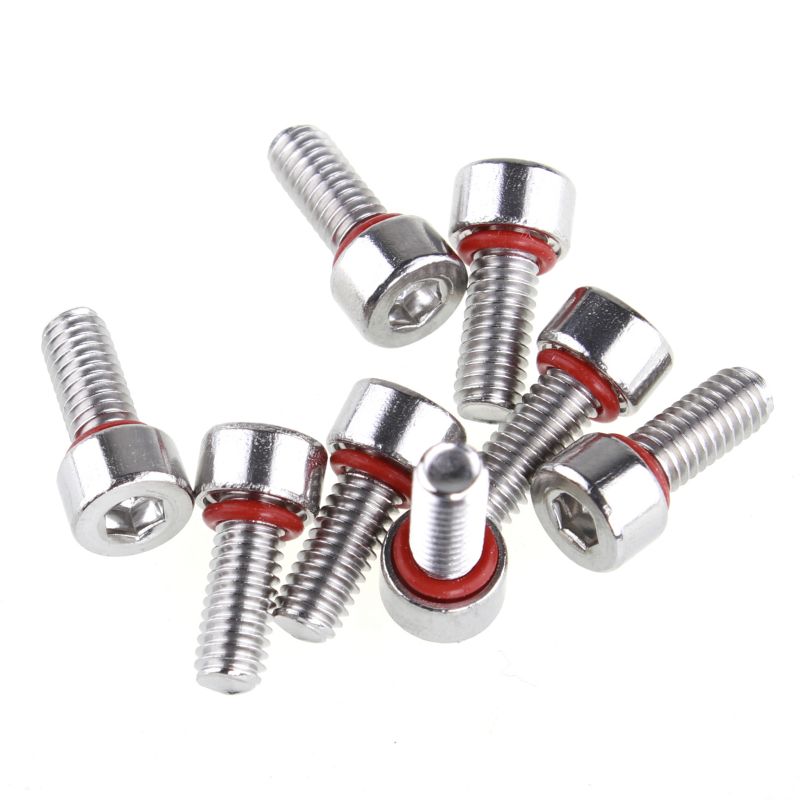
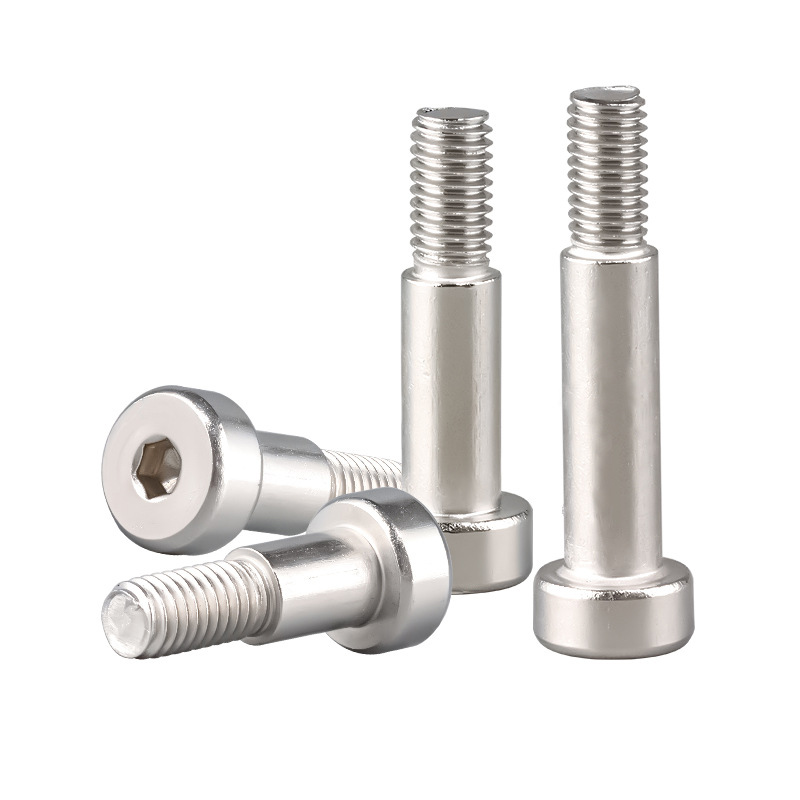
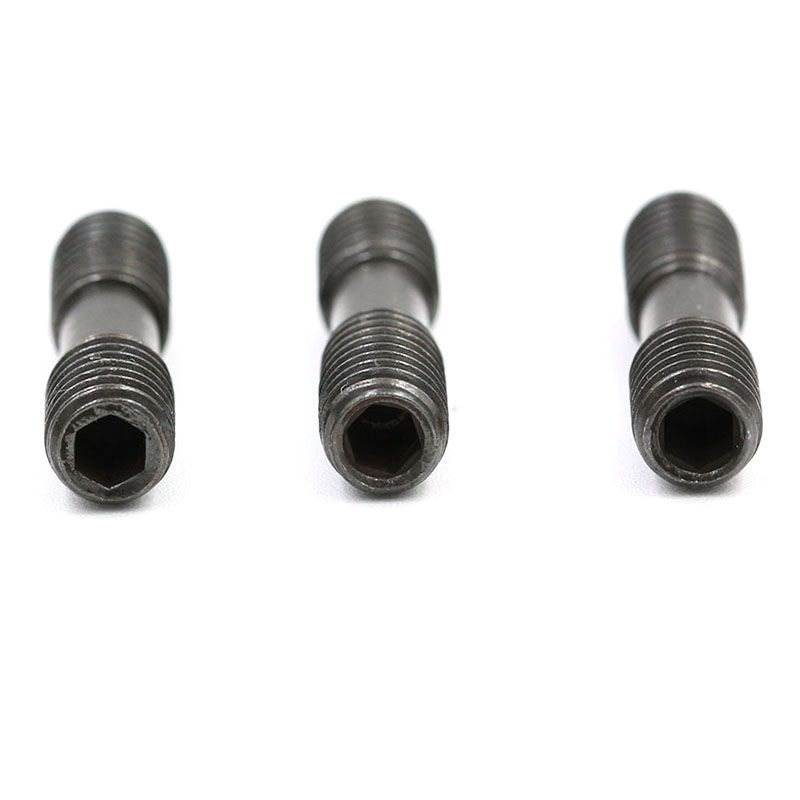
We are your steady partner for industrial fasteners, delivering the 6mm allen key bolt you can trust day in and day out. I’m part of a dedicated Supplier team that puts High-Quality standards first, with every bolt coming from controlled steel, heat-treated for strength and precise 6mm hex engagement. The 6mm allen key bolt is ideal for machinery, equipment, and assembly lines that demand reliability and repeatable torque. We offer consistent dimensions, zinc-plated surfaces for corrosion resistance, and tight tolerances to prevent stripping. As a buyer-focused supplier, we accommodate bulk orders, custom packaging, and documentation for QA and compliance. I personally monitor lead times and quality checks, so you’re not guessing when your production line will run. If you need certifications, specs, or volume discounts, let me know—we’ll tailor a solution that aligns with your schedule and budget.

Hot Selling Product

6mm allen key bolt Ahead of the Curve More Than a Supplier - A Partner

Among fasteners, the 6 mm hex socket bolt is a trusted choice for reliable assembly across electronics, automotive, and consumer devices. Global buyers don’t just need parts; they need partners who design for manufacturability, deliver consistent quality, and ensure traceability from material to finished part. With rigorous in‑house QA, first‑article inspections, and precise dimensional checks, every batch stands up to automated lines and varying climates. Materials span alloy steels to corrosion‑resistant stainless, with coatings tailored for life‑cycle performance. Partnering means flexible yet predictable supply: scalable MOQs, local stock programs, and streamlined logistics that keep production moving across borders. It also means collaborative development, value engineering, and proactive risk management through standardized processes and sustainable practices. In a world of rapid change, a true partner aligns product capability with procurement strategy—delivering not just parts, but stability, speed, and long‑term value to global buyers.

{ 6mm allen key bolt Ahead of the Curve More Than a Supplier - A Partner}

Part ID Size Material Grade Finish Standard Tensile Strength (MPa) Coating Lead Time (days) QC Pass Rate (%)
P-AL6-01 M6 x 12 Carbon steel 8.8 Zinc plated DIN 912 800 Zinc 2 99.7
P-AL6-02 M6 x 16 Stainless steel (A2-70) A2-70 Satin DIN 912 700 Passivated 3 99.9
P-AL6-03 M6 x 20 Carbon steel 10.9 Black oxide DIN 912 1000 Black oxide 4 99.6
P-AL6-04 M6 x 25 Stainless steel A4-80 Bright passivation DIN 912 860 Passivated 5 99.8
P-AL6-05 M6 x 30 Carbon steel 8.8 Zinc plated DIN 912 800 Zinc 6 99.5
P-AL6-06 M6 x 40 Stainless steel A2-70 Satin ISO 10642 700 None 7 99.7
P-AL6-07 M6 x 50 Carbon steel 12.9 Zinc plated DIN 912 1200 Zinc 8 99.4
P-AL6-08 M6 x 60 Stainless steel A4-80 Clear passivation ISO 10642 860 Passivated 9 99.9

Related Products

banner (3)

6mm allen key bolt Products Exceeds Industry Benchmarks

Data Dimension Title: Throughput and Benchmark Comparison by 6mm Allen Key Bolt Size

Explanation (English, ~300 words)

This chart presents a new data dimension titled Throughput and Benchmark Comparison by 6mm Allen Key Bolt Size. The data captures production throughput across six critical stages of the bolt manufacturing process and compares current performance against an industry benchmark. Each stage represents a bottleneck where capacity and process efficiency influence overall output. The bars show current throughput in units per hour for six stages: Raw Material Prep, Cold Forming, Heat Treatment, Machining, Coating & Plating, and Final Assembly. The benchmark series provides a reference value that reflects typical industry expectations. The visual contrast highlights where the production line outperforms the benchmark and where it approaches or exceeds it. In this example, the current throughput is higher than the benchmark in every stage, indicating effective capacity management and lean operations across the pipeline. The largest margin of improvement appears in the Cold Forming and Heat Treatment stages, suggesting that those steps benefit most from optimized tooling, faster cycle times, or better process control. The more modest gains in the Final Assembly stage imply stable integration with downstream processes, though there remains room for incremental efficiency through better workstation layout or automation. The intent of this data dimension is to help managers monitor stage-level performance and allocate resources to stages that offer the greatest potential return. It also serves as a baseline for ongoing improvement initiatives, allowing the organization to track whether implemented changes translate into consistent, across-the-board gains. Limitations include that quantity-based throughput does not directly measure quality outcomes; a complete view should pair these metrics with defect rates, scrap reasons, cycle time distributions, and unit costs. Future work could incorporate defect rate data alongside throughput to assess whether higher output is matched by quality targets, ensuring sustainable performance.

Top Selling Products