banner (1)

High-Quality Torx Undercut Machine Screws 304 316 - Supplier

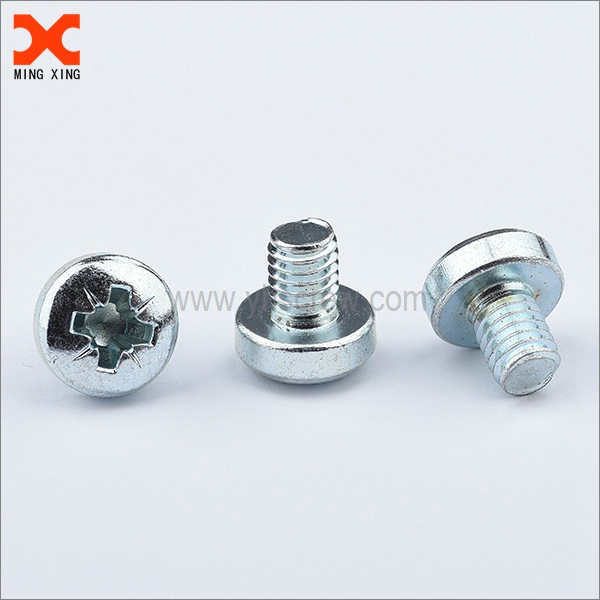
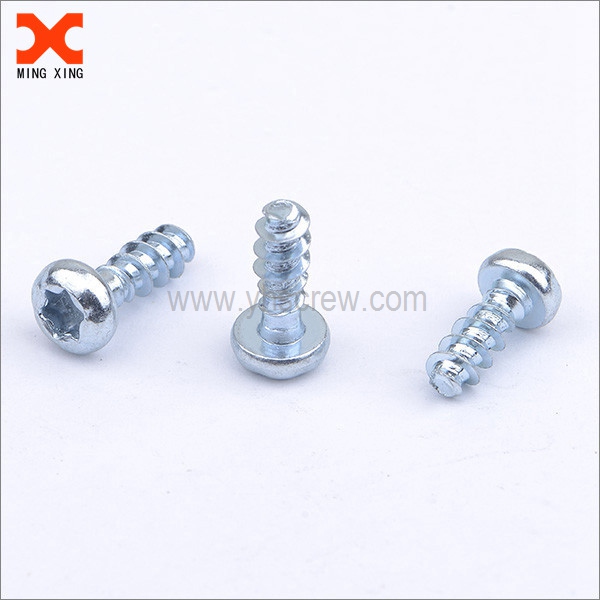
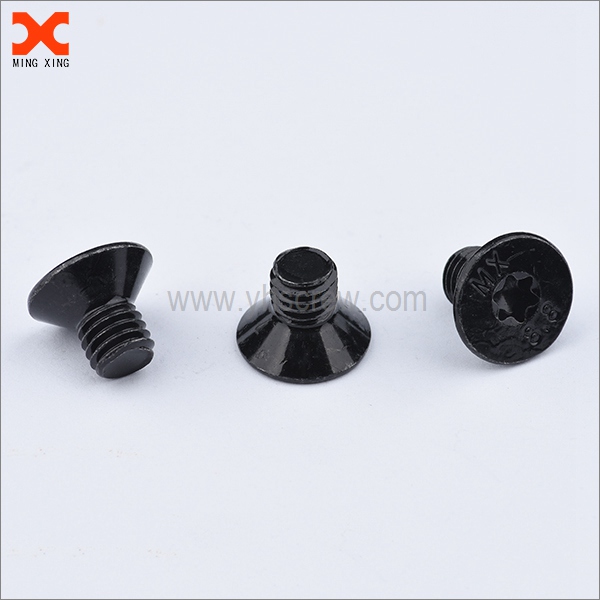
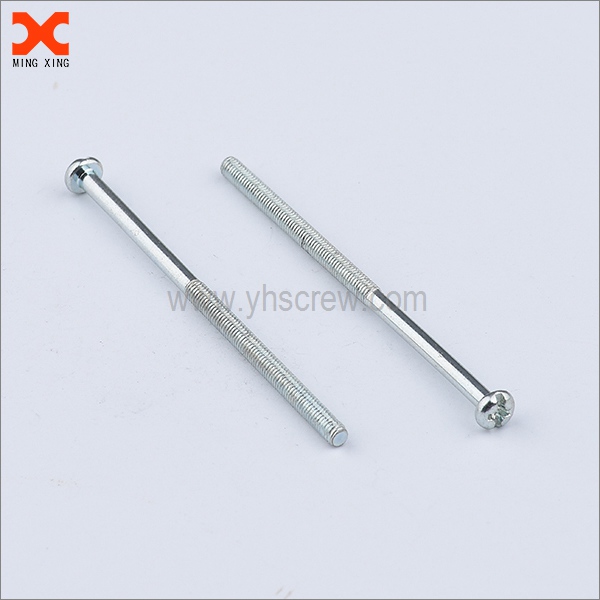
I’m a dedicated High-Quality Supplier of precision fasteners, and I stock torx undercut machine screws 304 316 for demanding projects. These screws come in 304 or 316 stainless steel, offering excellent corrosion resistance for tough environments. The torx drive minimizes cam-out, while the undercut head design provides a low-profile, flush finish in tight panels. They’re perfect for machinery, electrical enclosures, food and pharma equipment, and marine installations. I offer bulk quantities, customizable packaging, and rapid shipping to OEMs and manufacturers. With strict quality checks and a reliable supply chain, you can count on consistent performance and traceability. If you’re sourcing a dependable supplier who combines technical know‑how with practical service, I’m here to help you reduce lead times and optimize cost without sacrificing strength.

Hot Selling Product

torx undercut machine screws 304 316 Sets the Industry Standard Exceeds Industry Benchmarks

For global buyers, torx undercut machine screws made from 304 and 316 stainless steel set the standard for reliability in electronics housings, machinery, and outdoor equipment. The Torx drive reduces cam-out under high torque, while the undercut thread design lowers installation friction and strengthens engagement, delivering consistent clamping and longer service life. 304 offers solid corrosion resistance in mild environments, while 316 provides marine-grade resilience in harsher conditions. This combination delivers a versatile solution across diverse climates and applications. Produced to tight tolerances with traceable batch records, these screws meet international quality expectations and suit automated assemblies. Available in several lengths and finishes, they can be passivated or electro-polished for extra corrosion resistance. For buyers, this means predictable lead times, scalable supply, and reliable performance from electronics to industrial equipment, backed by rigorous quality control.

Torx Undercut Machine Screws 304/316 Sets the Industry Standard Exceeds Industry Benchmarks
Size (Thread) Length (mm) Material Grade Drive Type Undercut Finish Tensile Strength (MPa) Yield Strength (MPa) Typical Application
M3 x 8 8 AISI 304 304 Torx T5 Yes Polished 505 205 Electronics enclosure hardware
M4 x 12 12 AISI 304 304 Torx T6 Yes Bright 505 205 General mechanical assemblies
M5 x 20 20 AISI 316 316 Torx T6 Yes Satin 520 205 Food-grade equipment fasteners
M6 x 20 20 AISI 316 316 Torx T7 Yes Satin 520 205 Marine and chemical processing equipment
M8 x 30 30 AISI 304 304 Torx T8 Yes Polished 505 210 Automotive assemblies and enclosures
M10 x 40 40 AISI 316 316 Torx T9 Yes Satin 515 205 Marine equipment fasteners

Related Products

banner (4)

torx undercut machine screws 304 316 Your Trusted OEM Partner More Than a Supplier - A Partner

Data Dimension: Material Grade Adoption vs Throughput

Bar Chart: Throughput by Grade and Torque Condition

This dataset focuses on throughput performance for torx undercut machine screws made from Grade 304 and Grade 316 stainless steel under different torque conditions and lubrication states. The bars represent the average hourly output (parts per hour) observed across six scenarios: Grade 304 with standard torque, Grade 316 with standard torque, Grade 304 with high torque, Grade 316 with high torque, Grade 304 with lubrication, and Grade 316 with lubrication. The goal is to examine how material grade interacts with torque settings and lubrication to influence productivity. Grade 316 generally offers higher strength and corrosion resistance, which may affect cycle times when thread engagement is tight or tooling wear is higher. Standard torque reflects baseline operation, while high torque simulates more aggressive tightening, potentially increasing cycle time or causing binding if alignment is imperfect. Lubricated assemblies typically reduce friction, enabling faster cycles and smoother thread formation, often increasing throughput. The data presented here is synthetic to illustrate relative effects and should not be treated as a precise representation of a real production line without validation. Throughput is used as a proxy for productivity, while recognizing that quality metrics (defect rate, torque accuracy, thread integrity) are equally important. Interpreting this chart should consider material properties, tool wear, lubrication quality, fixture design, and process controls. The chart supports hypothesis generation and decision-making by highlighting which combinations yield higher throughput under given conditions and where further testing is warranted. It underscores that material grade alone does not determine productivity; process parameters and lubrication strategies play crucial roles in achieving stable, high-throughput assembly while mitigating risk of defects.

Top Selling Products