banner (1)

Thread Rolling Screw for Plastic - Discount Quotes for Bulk Orders

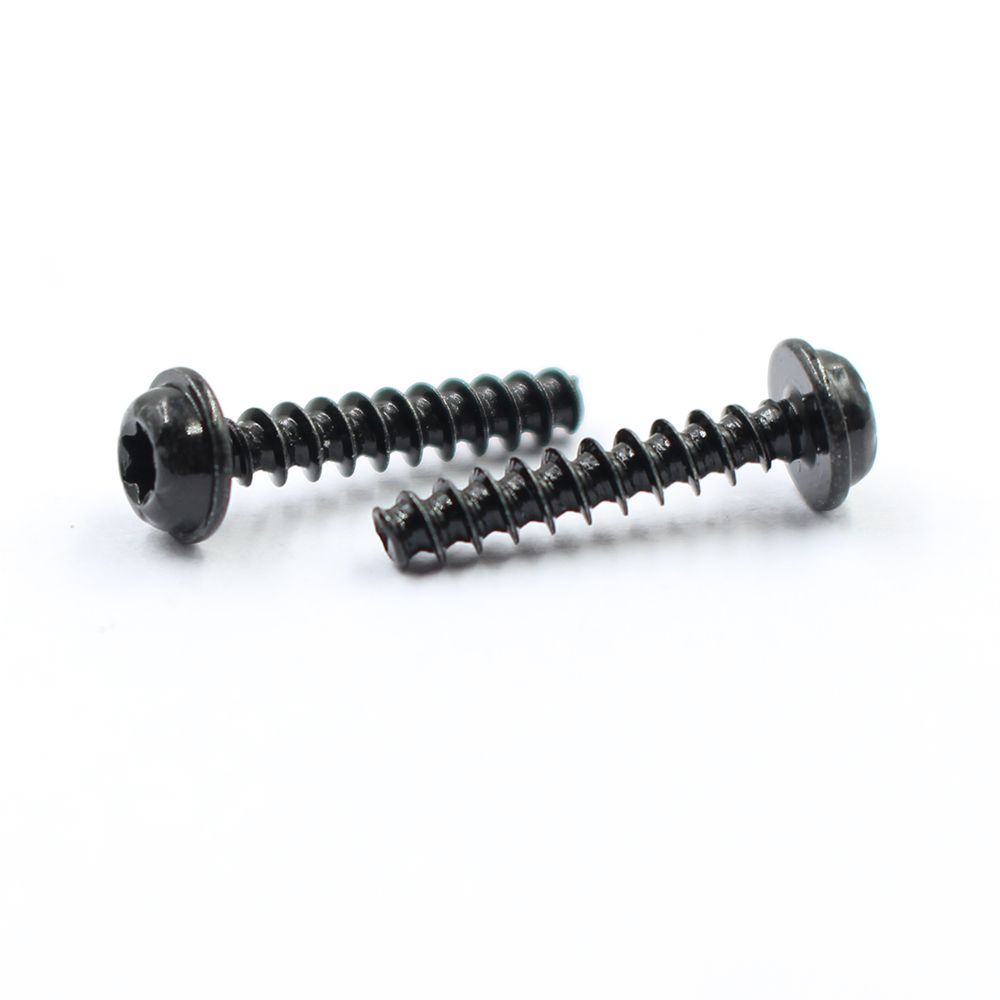
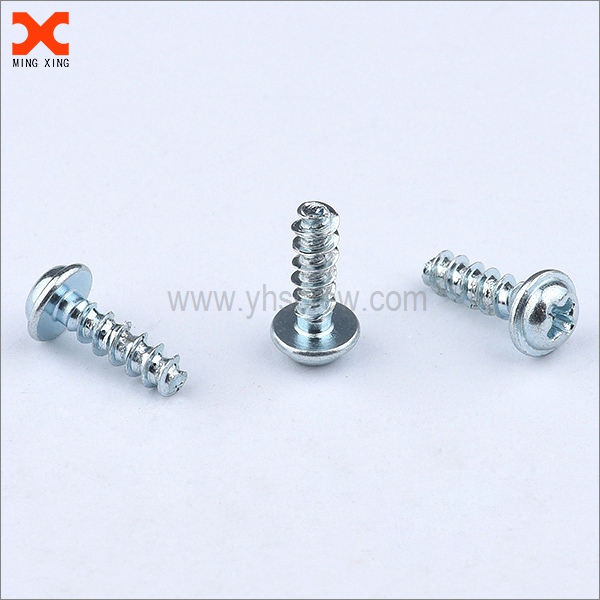
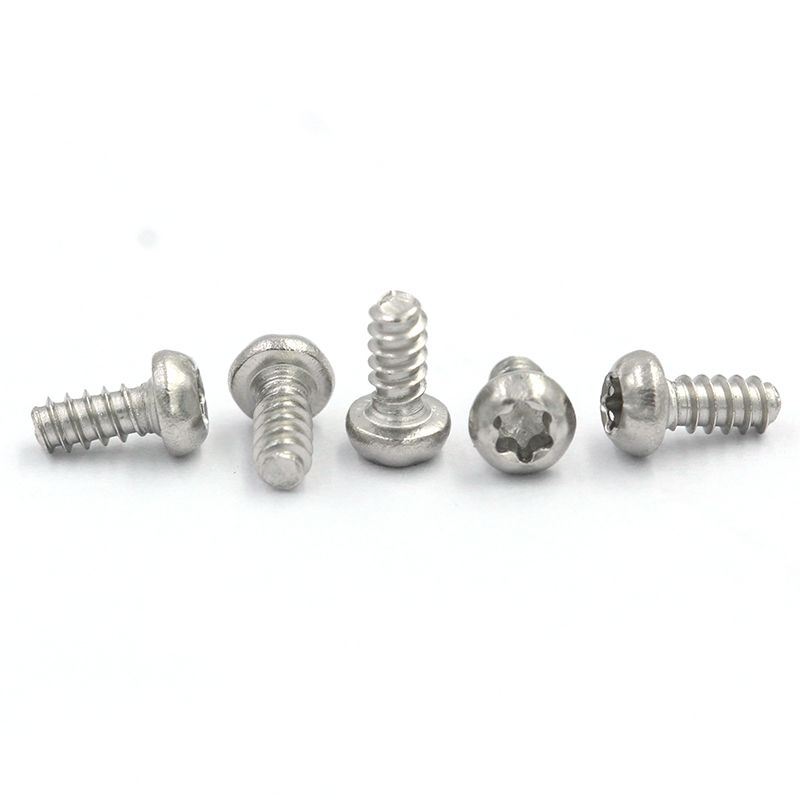
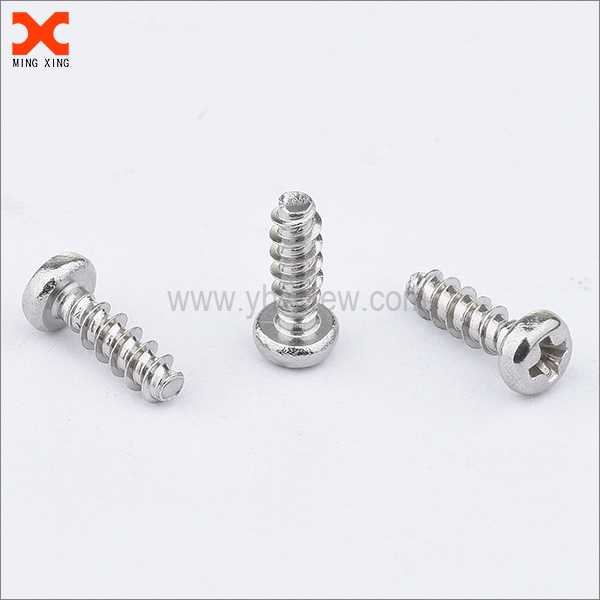
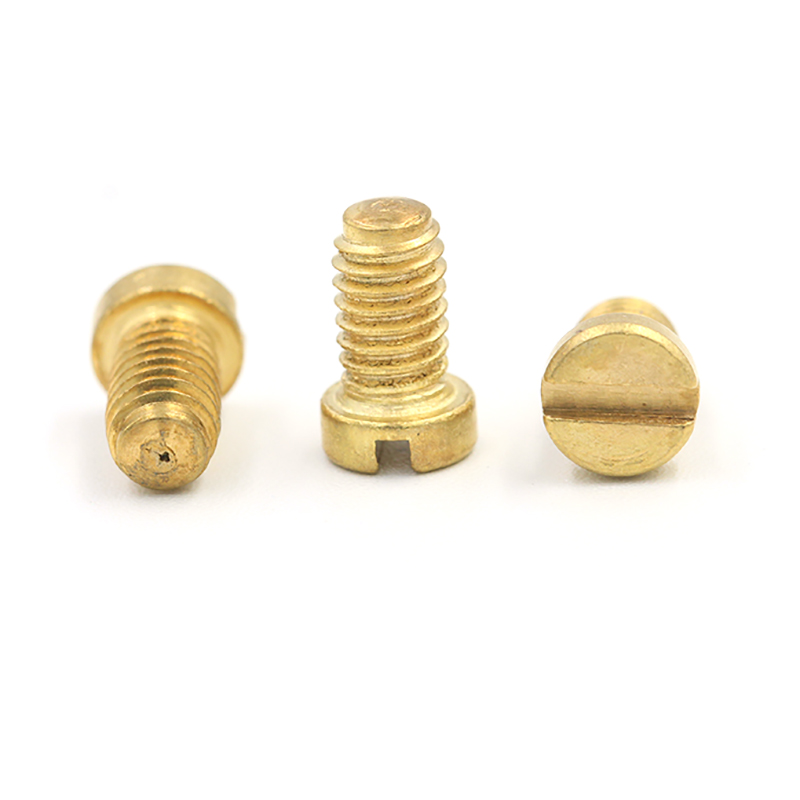
We offer a trusted thread rolling screw for plastic that keeps your molded parts tight without risking stripped threads. I choose and stock these fasteners for strong, vibration-resistant joints in nylon, polycarbonate, ABS and other engineering plastics. The rolled thread design provides better pull-out strength, lower insert torque, and less heat during installation, protecting delicate plastic substrates. You’ll find them shine in electrical enclosures, automotive interiors, appliance housings, and other plastic assemblies where reliability matters. We keep a wide range of head styles, drives, and lengths to fit your equipment, with quick fulfillment for production lines. For your project I can provide flexible terms, including volume Discount and dedicated Quotes to match lead times and quantities. I also offer datasheets and sample packs upon request to verify fit before you commit. Let me help you reduce maintenance costs and boost assembly efficiency with these thread rolling screws for plastic.

Hot Selling Product

thread rolling screw for plastic Trusted by Pros Where Service Meets Innovation

Thread rolling screws for plastics deliver dependable performance across electronics, automotive, and consumer products. By forming threads through rolling rather than cutting, they produce cleaner profiles, fewer burrs, and higher fatigue strength in thermoplastics and reinforced polymers. The result is smoother insertion, lower insertion torque, and stronger, longer‑lasting joints, with broad compatibility across plastic grades and fillers. For precision assemblies, they offer reliable performance and consistency at high volumes. For global buyers, the value goes beyond the part. A supplier that combines engineering support, process optimization, and agile manufacturing can tailor thread geometry, coatings, and packaging; provide testing and validation; and ensure on‑time, traceable delivery. Emphasizing quality management and responsive technical assistance helps you reduce risk, accelerate development, and scale production while maintaining consistent performance across international supply chains.

{ thread rolling screw for plastic Trusted by Pros Where Service Meets Innovation}

Spec ID Thread Diameter (mm) Thread Pitch (mm) Shank Length (mm) Overall Length (mm) Head Type Drive Type Material Finish / Coating Plastic Compatibility Max Operating Temp (°C) Tensile Strength (MPa) Notes
A-4.0-0.70 4.0 0.70 25 40 Pan head Hex Socket Stainless Steel 304 Satin ABS, PC 120 520 Recommended for heat-set inserts in ABS and PC blends.
B-5.0-0.80 5.0 0.80 30 50 Pan head Torx T25 Stainless Steel 304 Satin Nylon 6/6, PC 100 540 Corrosion resistant, ideal for engineering plastics.
C-3.5-0.60 3.5 0.60 15 32 Countersunk Hex Aluminum 6061-T6 Anodized PMMA, PC 80 270 Lightweight option for small assemblies.
D-6.0-1.00 6.0 1.00 40 60 Button Torx Stainless Steel 316 Bright PBT, Nylon 130 680 High-temperature resistance, suitable for automotive-grade plastics.
E-4.5-0.75 4.5 0.75 22 44 Pan head Phillips #2 Steel, Zinc-Plated Zinc PC, ABS 110 420 Budget-friendly with reliable performance in common plastics.

Related Products

banner (3)

thread rolling screw for plastic Supplier Where Service Meets Innovation

Data Dimension: Thread Rolling Quality Index Across Plastic Grades

This dataset examines how the Thread Rolling Quality Index (TRQI) changes across three plastic grades under a standardized set of production conditions. Each month represents a full cycle of operation where process variables such as forming temperature, rolling speed, and lubrication are tightly controlled to isolate material response. The TRQI is calculated from a blend of thread form accuracy, surface finish, and dimensional stability, scaled from 0 to 100. Grade A demonstrates strong compatibility with moderate temperature increases, achieving high TRQI values by mid-year. Grade B starts with mid-range quality but improves steadily, indicating that parameter optimization and tooling wear compensation can yield significant gains. Grade C is more sensitive to process deviations, producing lower initial TRQI values and showing sharper improvements as the control system adapts.

Together, the three lines illustrate material-specific behavior and the impact of process refinement. The upward trajectories reflect improvements in tool wear management, lubrication consistency, and feedback control. The narrowing gap between grades toward the end of the year suggests that optimized process parameters can deliver robust thread quality across materials, reducing the need for extensive post-processing or rework. The chart helps identify where innovation adds the most value: for higher-grade materials, tightening tolerances and enhancing tooling geometry can yield immediate quality gains, while for more challenging grades, targeted lubrication improvements and synchronous control of temperature and pressure can produce larger performance boosts over time.

For suppliers and customers seeking reliable threaded components, this data dimension emphasizes the importance of cross-material process development and continuous monitoring. By tracking TRQI across grades, teams can prioritize research into adaptive controls, wear-resistant coatings, and standardized inspection methods that maintain consistent quality while supporting efficiency and cost reduction. The visual trend of the three lines serves as a concise decision-support tool for production planning, quality assurance, and supplier development initiatives, linking practical manufacturing actions with measurable quality outcomes.

Top Selling Products