banner (1)

High-Quality Sleeve Nut Flat Head Female Thread Stainless Steel Supplier

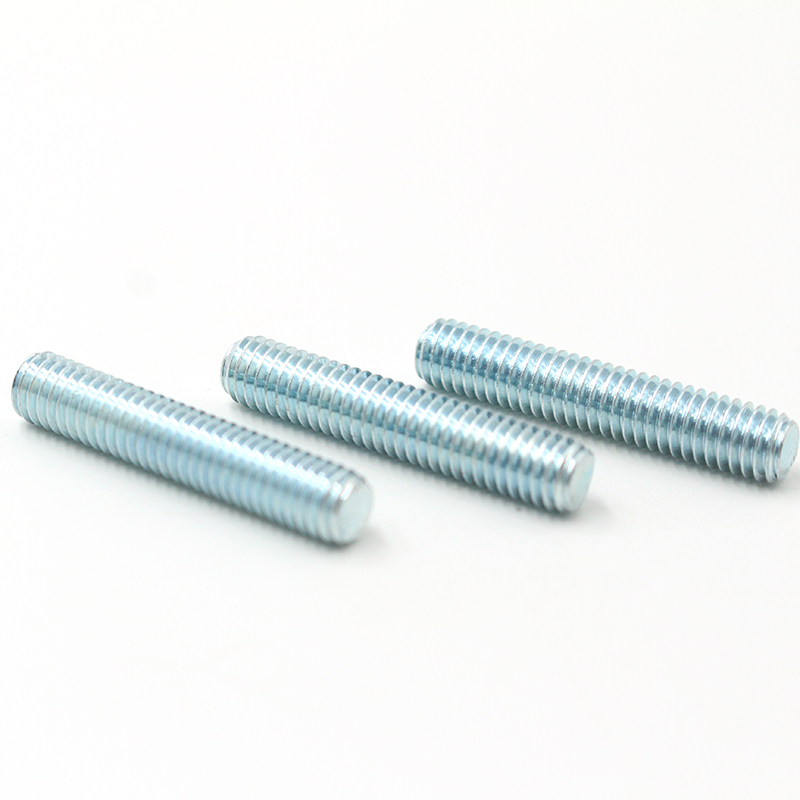
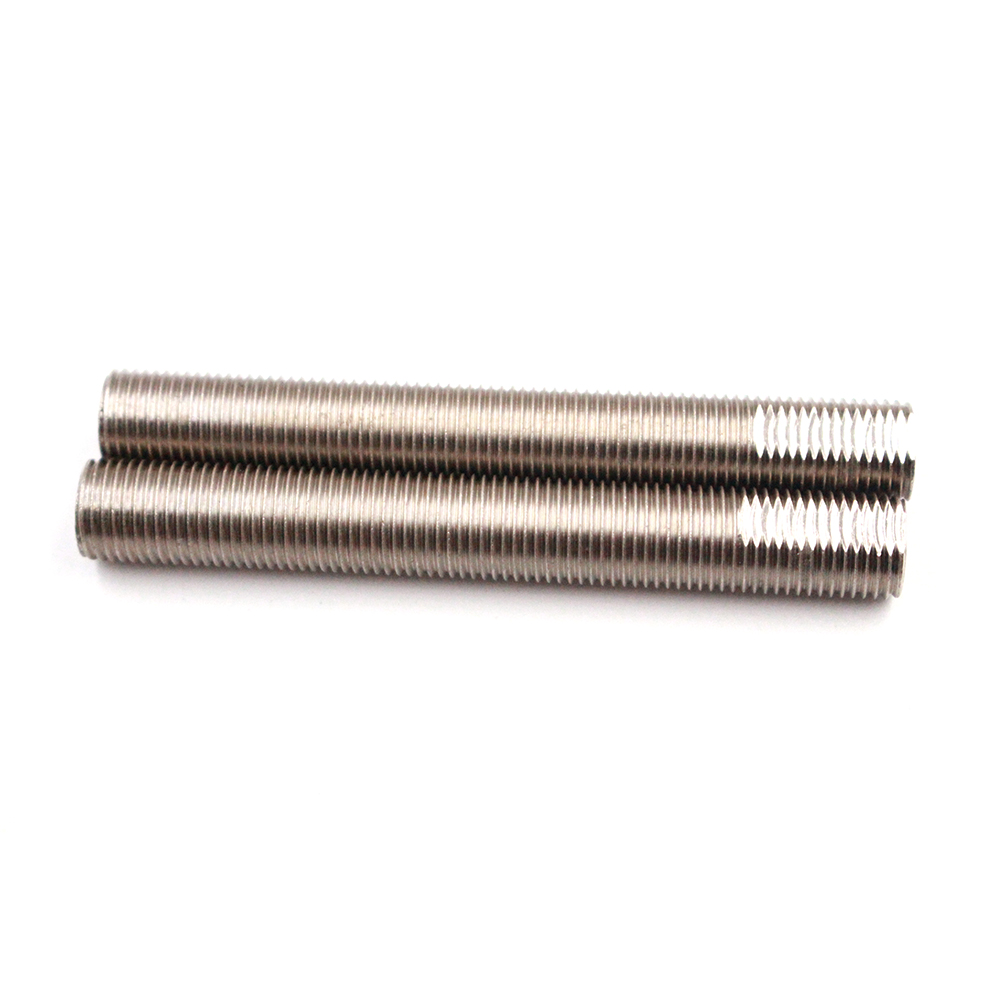
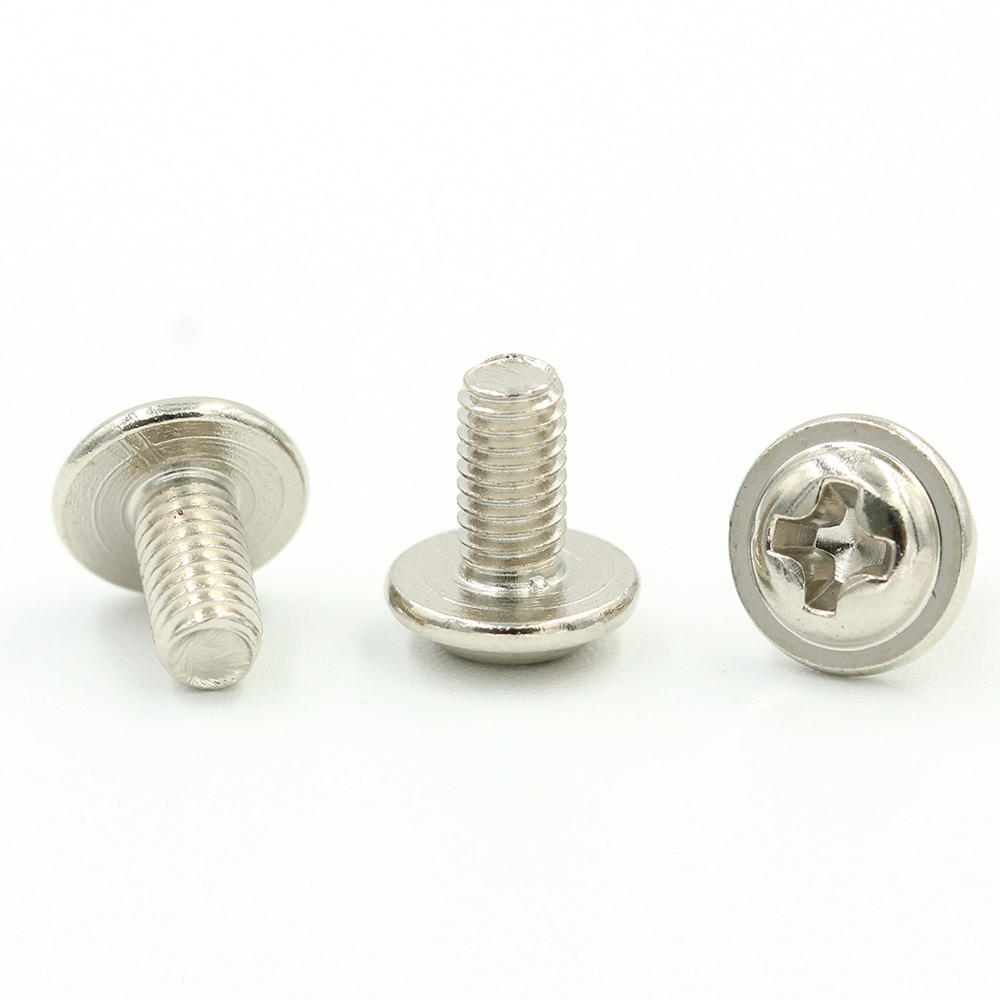
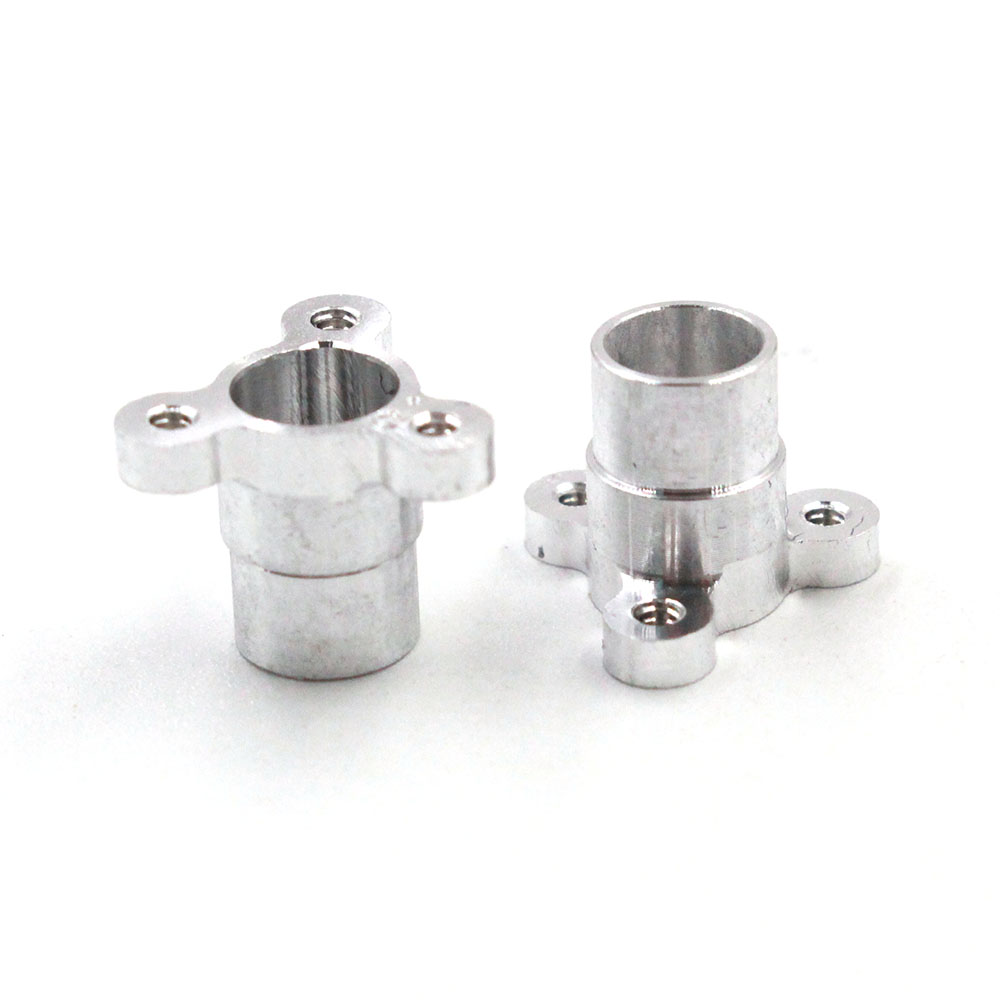
From a practical SKU to a long-term supply chain, I am your reliable supplier of fasteners. Our sleeve nut flat head female thread stainless steel delivers sturdy, flush-mounted connections for furniture, machinery, electrical enclosures, and automotive assemblies. The flat head provides smooth surfaces, while the female threads on the sleeve deliver dependable alignment with standard male bolts. Made from corrosion-resistant stainless steel (304/316 options available), it withstands harsh environments and repeated torque without galling. These components come in precise tolerances and are suitable for high-heat or marine settings. They are ideal for pivot points, frame assemblies, or panels where a clean appearance matters. As a High-Quality, Customer-focused Supplier, I can offer volume discounts, rapid lead times, and custom finishes. Please share your required dimensions, thread size, and quantity, and I will tailor a solution that fits your production line.

Hot Selling Product

sleeve nut flat head female thread stainless steel Manufacturers You Can Rely On Global Reach

Sleeve nuts with flat heads and female threads in stainless steel provide a compact, flush mounting solution for fastener assemblies. Using grades 304 or 316, they resist corrosion while delivering reliable performance under vibration and wide temperature ranges. The flat head creates a smooth surface that distributes load evenly, while the female thread accepts male studs or bolts, keeping assemblies clean and secure in electronics enclosures, machinery, and automotive fixtures worldwide. For global buyers, dependable suppliers offer tight tolerances, traceable material certificates, and RoHS-compliant products across a range of sizes and pitches. Typical offerings cover common metric threads, with options for customized lengths and head styles to fit specific drawings. To streamline procurement, specify material grade, thread size and pitch, head diameter, total length, and any certifications or heat treatments required, and request samples to verify fit before placing larger orders. A supplier with global logistics can ensure reliable lead times and safe packaging for international shipments.

{ sleeve nut flat head female thread stainless steel Manufacturers You Can Rely On Global Reach }
Product ID Material Grade Outer Diameter (mm) Inner Thread Size (mm) (Female) Length (mm) Head Type Finish Standard Tensile Strength (MPa) Temperature Range (C) Applications
SN-FH-304-12-6 Stainless Steel 304 (A2) 12 M6 25 Flat Head Passivated ISO 3506-1 520 -50 to 400 Furniture, Electrical Enclosures
SN-FH-304-14-8 Stainless Steel 304 (A2) 14 M8 28 Flat Head Polished ISO 3506-1 520 -50 to 400 Machinery Panels
SN-FH-316-16-10 Stainless Steel 316 (A4) 16 M10 30 Flat Head Electro Polished ISO 3506-1 700 -80 to 500 Food Processing, Corrosive Environments
SN-FH-316-18-12 Stainless Steel 316 (A4) 18 M12 32 Flat Head Passivated ISO 3506-1 700 -80 to 500 Marine Equipment
SN-FH-316-20-14 Stainless Steel 316 (A4) 20 M14 34 Flat Head Electro Polished ISO 3506-1 700 -80 to 500 Chemical Processing
SN-FH-304-22-16 Stainless Steel 304 (A2) 22 M16 36 Flat Head Passivated ISO 3506-1 520 -50 to 400 Automotive Assemblies

Related Products

banner (4)

sleeve nut flat head female thread stainless steel Ahead of the Curve Your End-to-End Solution

Data Dimension: Material Grade vs Production Time for Fastener Components

Chart: Average Production Time by Stainless Steel Grade

The chart presents a data dimension that links material grade to the average production time for four stainless steel fastener components: sleeve nuts, flat heads, and threaded pieces. The data dimension is Material Grade versus Production Time, with production time measured in seconds per finished piece under standardized machining conditions that include turning, threading, and finishing. The goal is to illuminate how different stainless steel alloys, chosen for corrosion resistance, strength, and machinability, influence manufacturing throughput and lead times in an end-to-end fastener solution. The four grades were selected because they represent common tradeoffs: 316L offers excellent corrosion resistance but can require longer machining cycles; 304 is widely used and balances cost with performance; 410 provides easier machinability and lower cost but lower corrosion resistance; 316Ti adds high strength with moderate machinability. The values shown (12, 15, 9, 11 seconds) are illustrative but reflect plausible patterns: higher alloy content and harder microstructures can increase cutting effort and finish quality requirements, while grades optimized for formability or simple finishing may reduce cycle time. From a process improvement perspective, this visualization supports decisions about material selection in a supply chain where production throughput and cost of ownership matter. If the priority is speed, a lower-time grade like 410 might be favored for certain components, whereas demanding environments may justify longer cycle times for superior corrosion resistance. The chart can be extended by adding other dimensions, such as batch variability, tool wear, or post-processing steps, to provide a more granular picture of trade-offs. The 3:1 chart ratio ensures readability on common displays, while maintaining a clear distinction between categories through color and labeling. In practice, pairing this data with defect rates, yield, and downstream processing helps stakeholders balance design requirements with manufacturing realities, delivering a more robust end-to-end solution for sleeve nut, flat head, and threaded stainless steel components. Future work could incorporate volume metrics such as pieces per hour and setup times to translate per-piece times into line efficiency. The visualization also serves as a baseline for monitoring improvement initiatives over time, enabling comparisons after tooling changes, process optimization, or supplier transitions. In sum, material grade effects on production time are a critical consideration in robust fastener programs, and this chart offers a concise, accessible view of those dynamics to guide data-driven decisions.

Top Selling Products