banner (1)

Security Fasteners ODM Factory - Custom Fastener Solutions

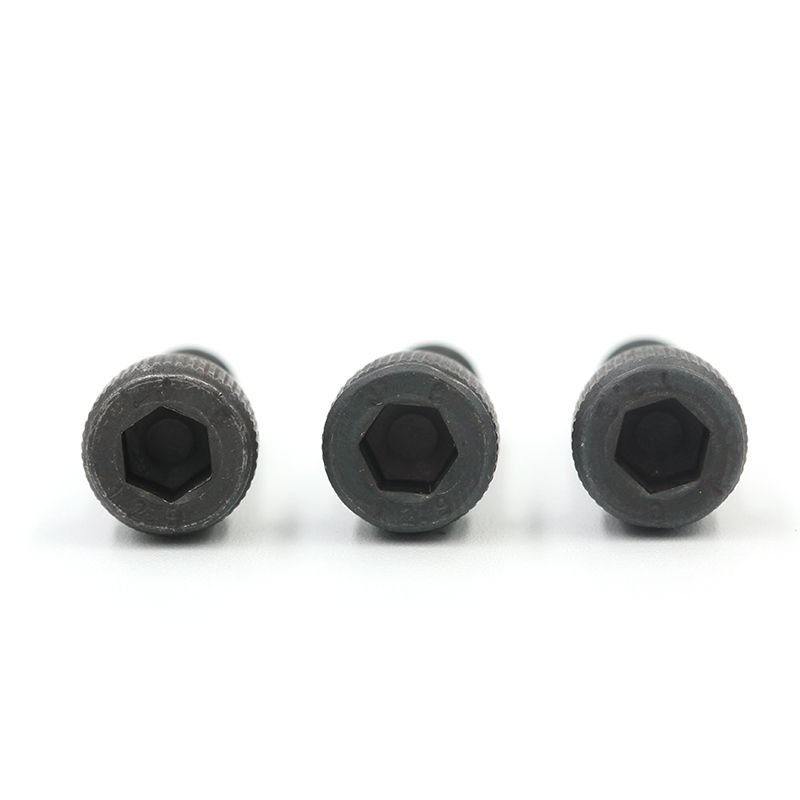
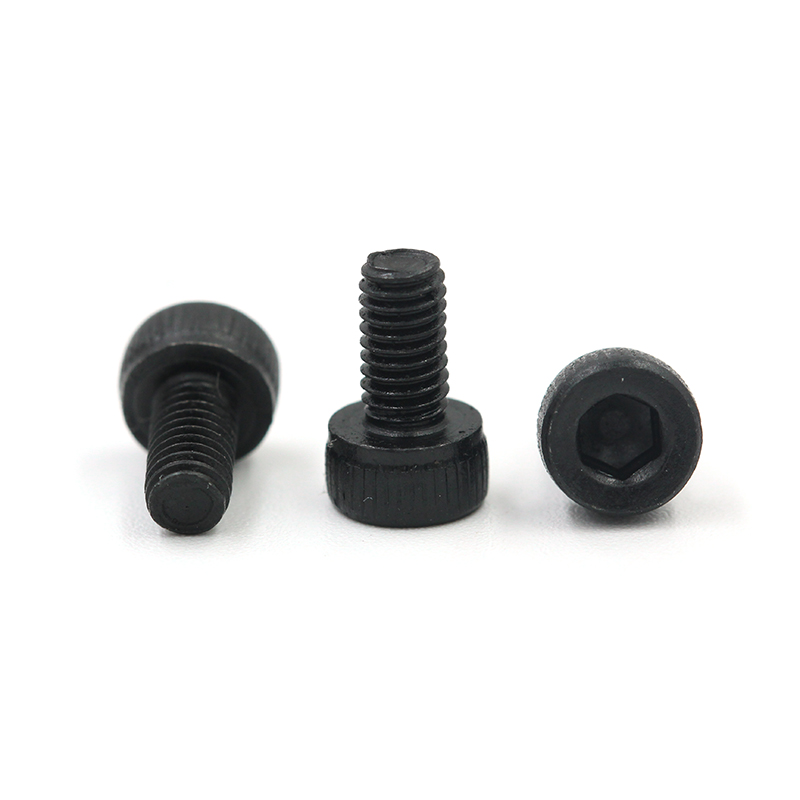
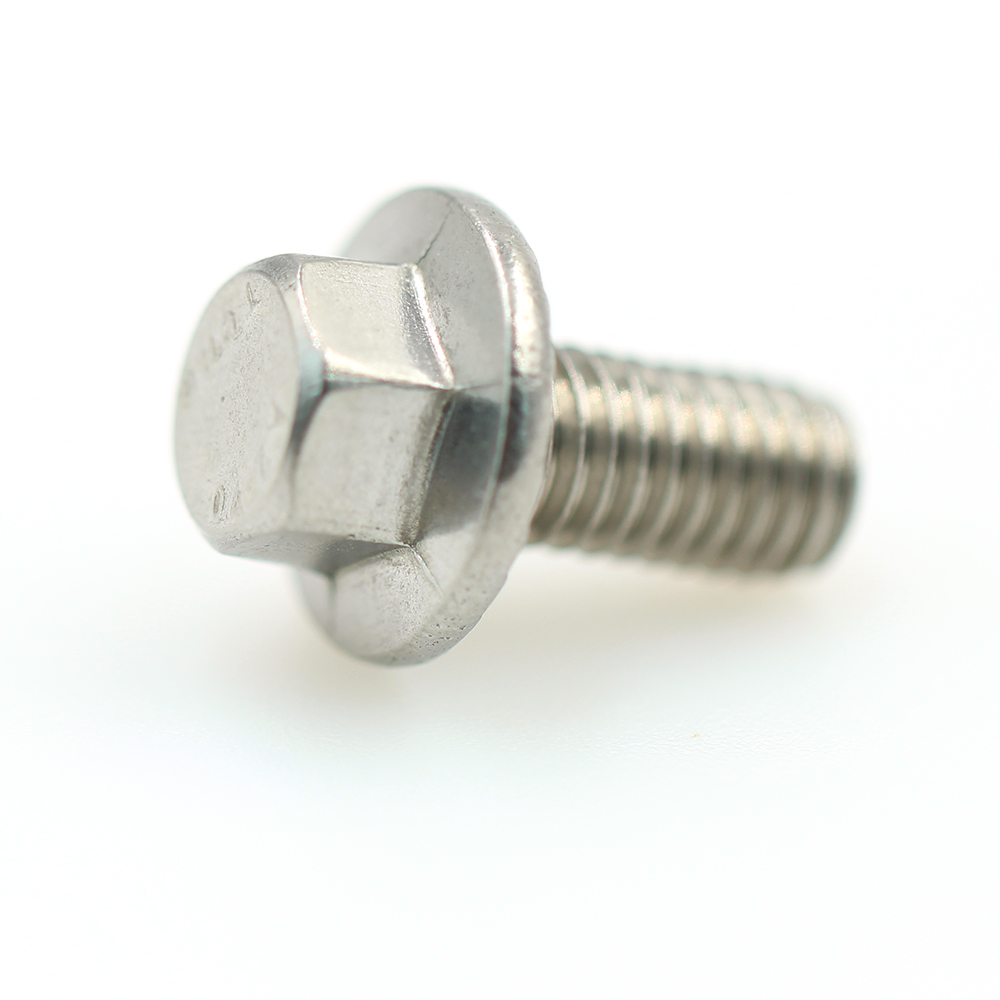
Quality counts in every project, and we deliver Security Fasteners that keep your equipment secure in harsh environments. I am the maker behind these parts, offering ODM services so you get exactly the shape, material, and finish your project demands. From stainless steel locking screws to tamper-evident bolts, our lineup covers anti-theft and anti-vibration needs. We work directly with you in our own Factory, cutting out middlemen to give you competitive lead times, consistent batch-to-batch quality, and scalable production. Whether you need metric or imperial threads, special coatings, or carved codes for traceability, I can customize. I handle small pilot runs and mass production with strict QA checks, documentation, and certification readiness. We understand B2B buyers value reliability, clear communication, and on-time delivery, so we keep you informed every step from prototype to final shipment. Choose Security Fasteners that fit your specification and ship fast.

Hot Selling Product

Security Fasteners For the Current Year Ahead of the Curve

As security needs rise, security fasteners move from niche options to core components of modern assemblies. For global procurement teams, tamper resistance, installability, cost, and supply reliability drive choices. From electronics to appliances and industrial equipment, designs favor tamper-resistant drives such as security TORX, one-way, and polygon patterns, paired with corrosion-resistant materials and durable coatings. Traceable lot data and scalable production help manage regional disruptions and support standardized BOMs. When evaluating options, start with application fit: torque, tool availability, environment, and post-install security. Material and coating choices matter for longevity—stainless grades 304/316 and coatings like zinc or black oxide balance strength and corrosion resistance. Ensure tool compatibility with common drivers and consider tamper-evident features if needed. Request quality documentation: first article inspection, tolerances, process control, and batch traceability. Build resilience by diversifying suppliers and aligning with sustainability and compliance goals.

{ Security Fasteners For the Current Year Ahead of the Curve}

Category Fastener Type Material Thread Range Size Range (mm) Finish Tensile Strength (MPa) Compliance/Standard Temperature Rating (C) Typical Applications
Structural Fasteners Hex Bolt Alloy Steel ISO Metric M6–M24 6–24 Zinc Plated 700 ISO 898-1; EN 14399 250 Heavy machinery frames and steel structures
Structural Fasteners Hex Bolt Grade 8.8 Alloy Steel ISO Metric M8–M30 8–30 Black Oxide 800 ISO 898-1 350 Structural connections in buildings and bridges
Stainless Fasteners Socket Cap Screw Stainless Steel 304 ISO Metric M4–M12 4–12 Passivated 550 ISO 4762 250 Food processing equipment, hygienic machinery
Stainless Fasteners Socket Cap Screw Stainless Steel 316 ISO Metric M6–M20 6–20 Satin 700 ISO 4762 315 Marine and offshore components
High-Strength Fasteners Flange Bolt Alloy Steel ISO Metric M8–M40 8–40 Zinc Plated 900 ISO 888-1 300 Pressure vessels and heavy machinery
Wood Fasteners Brass Wood Screw Brass M3–M6 3–6 Polished 210 ISO 965 120 High-end furniture and cabinetry
Sheet Metal Fasteners Self-Tapping Screw Carbon Steel M3–M8 3–8 Zinc Plated 450 ISO 1478 260 Sheet metal fabrication
Micro Fasteners Miniature Allen Screw Stainless Steel 304 M1.4–M3 1.4–3 Black Oxide 520 ISO 7380 230 Electronics enclosures
Specialty Fasteners U-Bolt Carbon Steel M8–M16 8–16 Galvanized 520 ISO 13918 260 Pipe supports and brackets

Related Products

banner (3)

Security Fasteners Dominates Manufacturers You Can Rely On

Data Dimension: Reliability Index Across Fastener Types by Year

Bolt Screw Nut
This chart presents a Reliability Index (0-100) tracked over six years for three common fastener types: bolts, screws, and nuts. Each line represents a type, illustrating how manufacturing processes, material quality, and coating technologies influence dependable performance over time. By focusing on a data dimension of reliability across fastener types, stakeholders can compare trends without bias toward any specific brand. The dataset is synthetic for demonstration, but the approach mirrors real QA analytics: normalize test results to a common scale, aggregate across labs and field tests, and visualize year-over-year changes to identify patterns and gaps.

The chart uses six data points per series, spanning from 2019 through 2024. Values are synthetic and crafted to show upward trajectories across all types, reflecting ongoing improvements in materials, tolerances, and protective coatings commonly implemented in secure fastening solutions. The bolts start with a relatively high baseline due to robust cross-sections and standardized head designs, while screws demonstrate stronger gains as thread engineering and corrosion resistance advance. Nuts show incremental but steady improvement as precision tapping and coating technologies reduce galling and loosening. The proximity of these trajectories in the later years suggests broad, industry-wide enhancements in quality control and supplier capabilities. However, persistent gaps between lines indicate opportunities for targeted optimization—e.g., refining screw thread tolerances or advancing nut coatings to mitigate wear in high-load environments. For a more actionable assessment, this visualization should be paired with incident-level failure data, environmental exposure profiles, and service-condition histories. Future work could integrate predictive analytics to forecast reliability under stress and support proactive maintenance planning and design-tolerance decisions.

Top Selling Products