

Custom Carriage Bolt for Factories - Durable Industrial Fasteners
As a manufacturer of durable hardware, I offer a sturdy Carriage Bolt designed for heavy-duty joinery in industrial settings. We offer Custom options to fit any project in Factories and production lines—a perfect fit for wooden decks, machinery mounts, or timber framing. Our Carriage Bolt features a square neck and smooth shoulder for precise alignment, plus zinc plating or stainless variants for corrosion resistance. In my experience, factories demand reliability, quick supply, and consistent spec, so we provide tailored lengths, head styles, and threading to meet your exact specs. Ordering is simple: specify diameter, length, finish, and drive type; we ship fast with batch traceability. We keep drawings and certifications ready for procurement teams, and we can scale production to your demand. Partner with us for a dependable Carriage Bolt solution that matches your Custom needs and keeps your plant running smoothly.
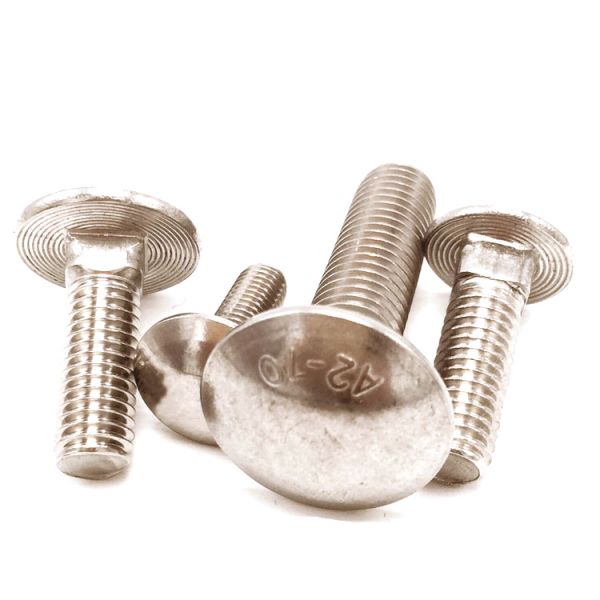

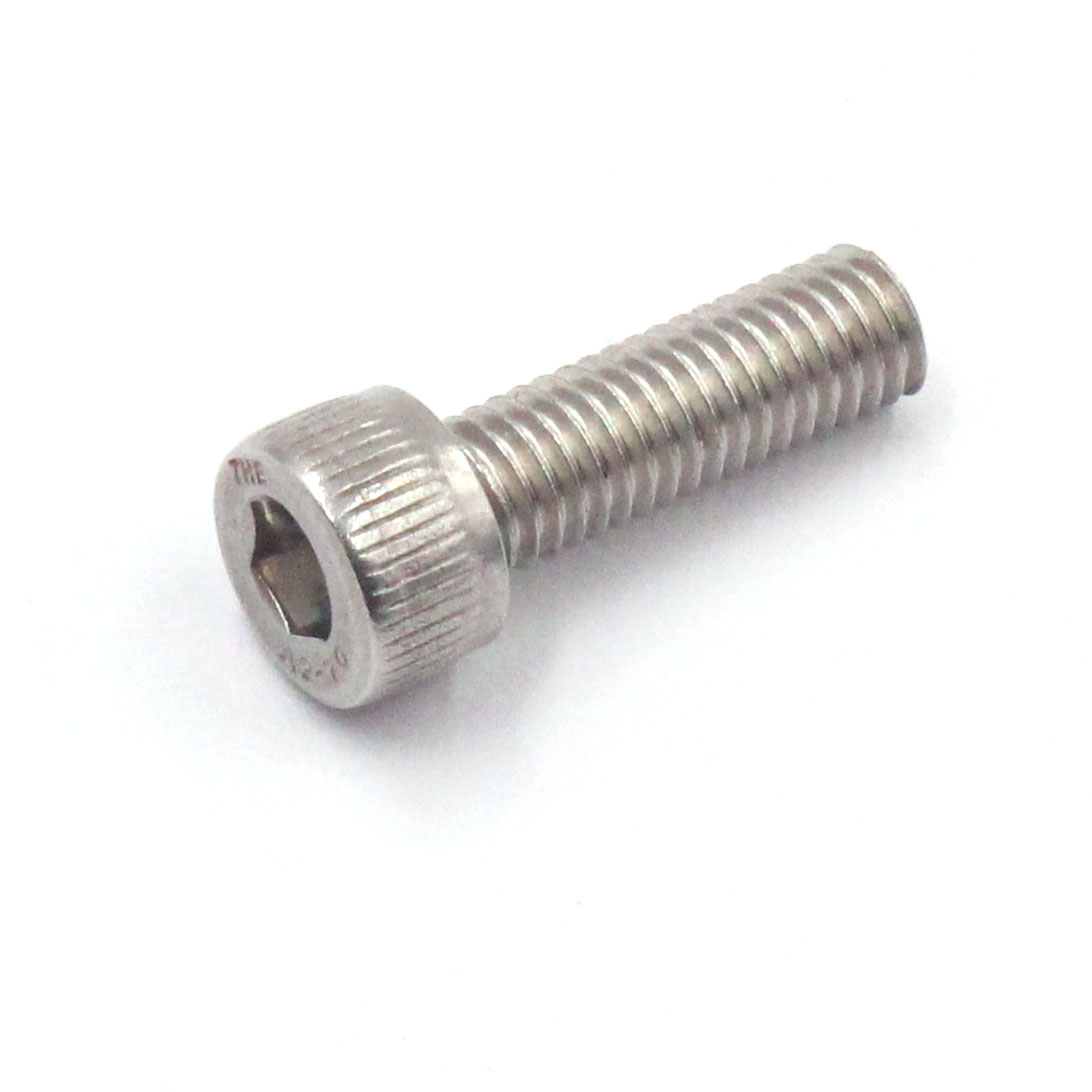


Carriage Bolt Is The Best Manufacturers You Can Rely On
Carriage bolts are essential in wood-to-metal assemblies, with a domed head and a square neck that prevents turning under load. The best manufacturers embed quality into every batch: selecting materials (carbon steel or stainless steel), applying consistent heat treatment and finishes, and conducting tests for hardness, tensile strength, and corrosion resistance. Reputable suppliers offer traceability, clear tolerances, and first-article inspection, aligned with standards such as ISO 9001. This ensures reliable fit and performance in outdoor or demanding environments. Global buyers should partner with a supplier that offers scalable capacity, transparent communication, and dependable logistics. Look for sample programs, flexible lot sizes, and clear lead times, plus packaging that protects against moisture and corrosion in transit. A trusted manufacturer maintains QA, export experience, and resilient supply chains to navigate disruptions. With rigorous QA and a customer-focused approach, you gain consistent quality, on-time delivery, and long-term value across markets.
Carriage Bolt Is The Best Manufacturers You Can Rely On
| Diameter_mm | Length_mm | Material | Finish | Head_Type | Thread_Type | Standard | Tensile_Strength_MPa | Country_of_Origin | Applications |
|---|---|---|---|---|---|---|---|---|---|
| 6 | 25 | Carbon Steel | Zinc Plated | Round Head | Coarse | DIN 603 | 400 | China | Wood-to-metal fastening in furniture and fixtures |
| 8 | 50 | Stainless Steel (A2-304) | Satin | Round Head | Coarse | DIN 603 | 520 | Italy | Outdoor decking and railing assembly |
| 6 | 50 | Carbon Steel | Hot-Dip Galvanized | Round Head | Coarse | DIN 603 | 450 | Vietnam | Garden equipment mounting |
| 10 | 75 | Carbon Steel | Black Oxide | Round Head | Coarse | DIN 603 | 600 | Germany | Structural timber connection |
| 12 | 100 | Carbon Steel | Zinc Plated | Round Head | Coarse | DIN 603 | 800 | USA | Heavy-duty timber-to-metal fastening |
| 8 | 25 | Stainless Steel (A4-316) | Polished | Round Head | Coarse | DIN 603 | 540 | United Kingdom | Marine and coastal hardware |
| 6 | 65 | Carbon Steel | Zinc Plated | Round Head | Coarse | DIN 603 | 420 | India | Cabinet hardware and furniture |
| 10 | 120 | Carbon Steel | Hot-Dip Galvanized | Round Head | Coarse | DIN 603 | 620 | Brazil | Industrial equipment mounting |
Related Products
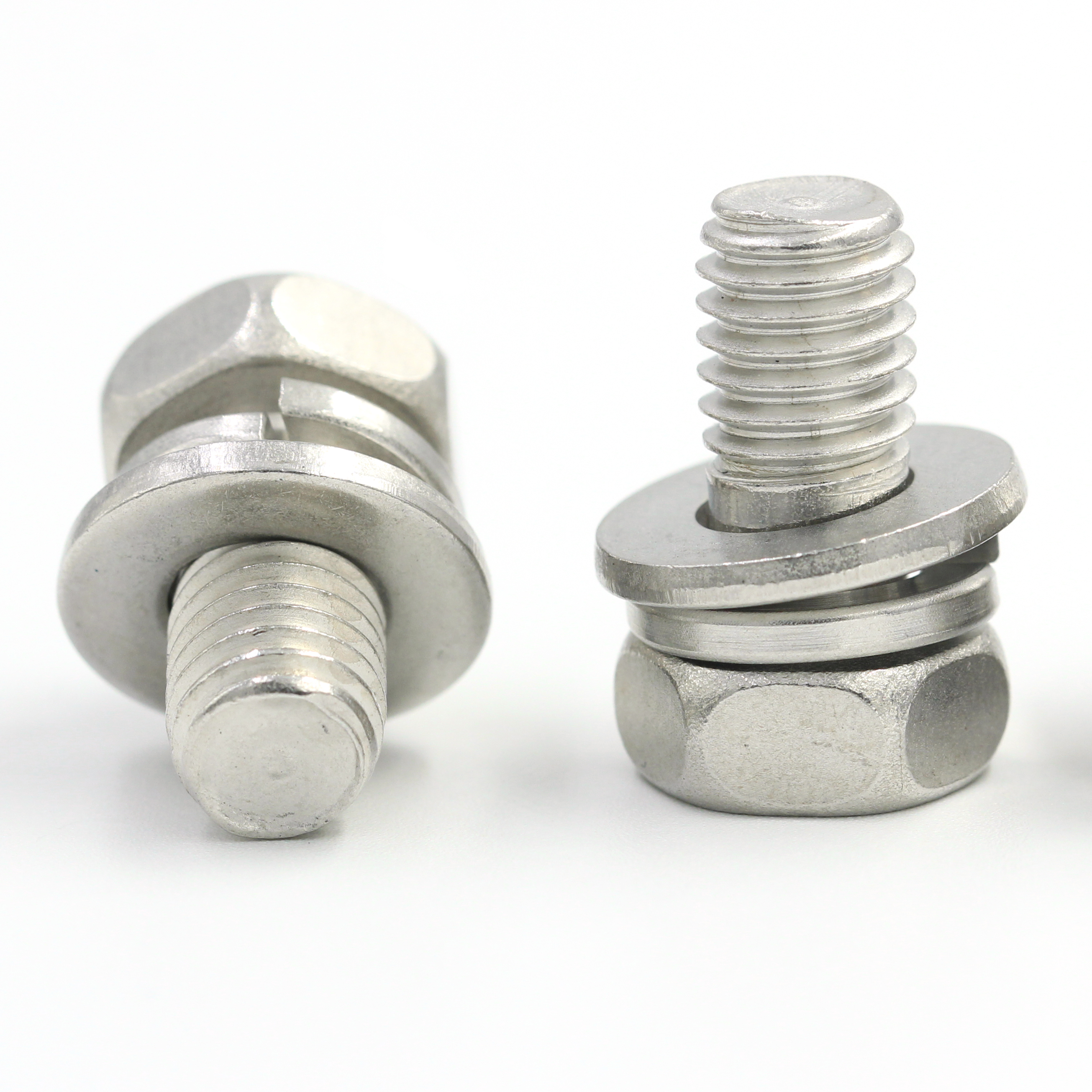
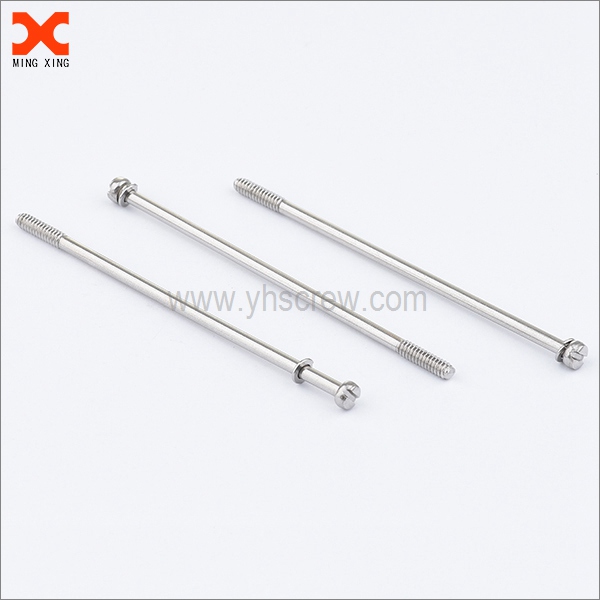



Carriage Bolt Exceeds Industry Benchmarks From Concept to Delivery
Top Selling Products

- Related Blog
- Reviews
- Reviews

-

Phone
-

E-mail
-

Whatsapp
-

WeChat

-

Top


